

Sustainability in coffee culture matters more than ever. It shapes the way you enjoy your daily cup and affects communities around the globe. Over the past decade, consumer demand for ethically sourced coffee has surged. You likely prioritize transparency and sustainability in your choices. Many of you are even willing to pay a premium for coffee that respects the environment and its producers.
Key Takeaways
Choose shade-grown coffee to support biodiversity and improve soil health while enjoying unique flavors.
Look for certifications like Fair Trade and Rainforest Alliance to ensure your coffee is ethically sourced and supports farmers’ well-being.
Support local roasters to reduce your carbon footprint and promote ethical farming practices in your coffee supply chain.
Sustainable Coffee
Sustainable coffee practices play a crucial role in protecting our planet and supporting coffee farmers. By adopting methods that minimize environmental impact, you can enjoy your coffee while contributing to a healthier world.
Shade-Grown Coffee
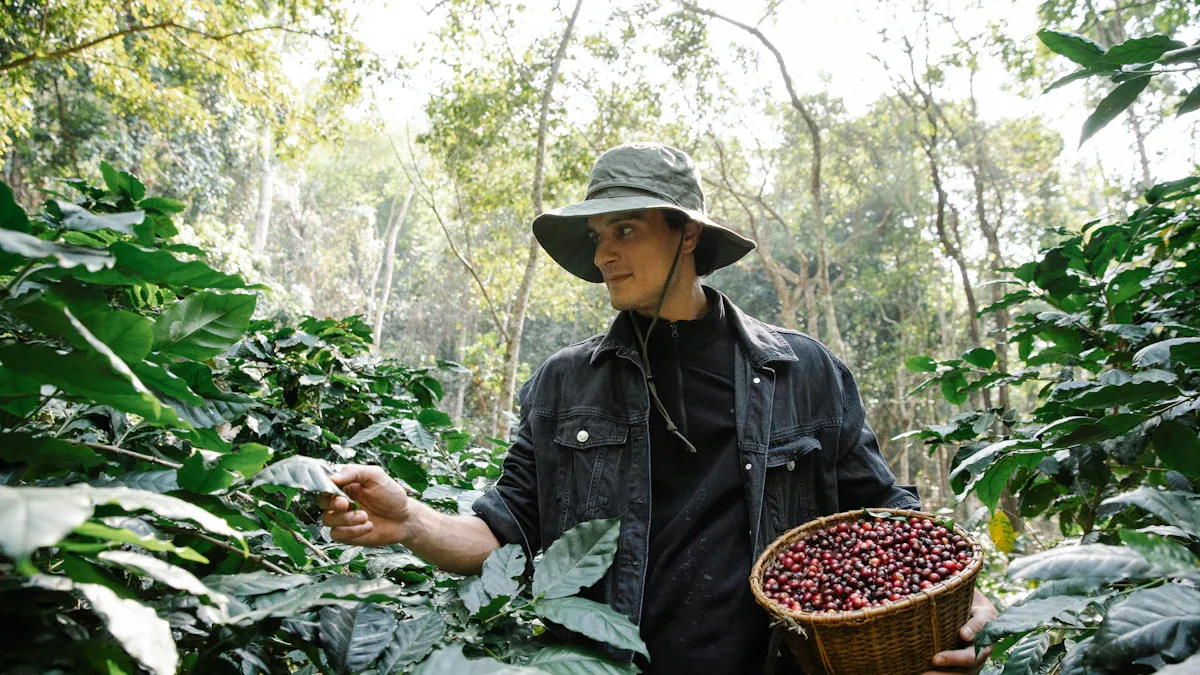
Shade-grown coffee is one of the most effective ways to promote biodiversity. This method involves growing coffee plants under the canopy of trees, which creates a natural habitat for various species. Here are some benefits of shade-grown coffee:
Biodiversity Preservation: It supports a rich variety of wildlife, including birds and insects, which are essential for pollination and pest control.
Soil Health: The tree roots help maintain soil structure and fertility, preventing erosion and promoting nutrient-rich soil.
Climate Resilience: The forest cover acts as a buffer against extreme weather, helping coffee plants withstand climate change.
By choosing shade-grown coffee, you not only enjoy a unique flavor but also contribute to environmental stewardship.
Organic Farming
Organic coffee farming avoids synthetic chemicals, focusing instead on natural methods to enhance soil vitality and protect ecosystems. Here’s why organic coffee is a great choice:
Environmental Sustainability: Organic practices improve soil structure and fertility, reducing erosion and promoting water retention. This leads to healthier ecosystems.
Chemical-Free: By avoiding harmful pesticides and fertilizers, organic coffee protects local water sources from pollution.
Wildlife Support: Organic farms often maintain diverse plant life, providing habitats for various species and enhancing overall biodiversity.
In addition to these benefits, organic coffee farming can lead to better economic outcomes for farmers. For instance, many consumers are willing to pay a premium for organic products, which can significantly boost farmers’ incomes.
To further conserve water, sustainable coffee practices often include techniques like rainwater harvesting and drip irrigation. These methods help reduce water usage and protect local water sources, ensuring that coffee farming remains viable for future generations.
By supporting sustainable coffee, you contribute to a movement that values both the environment and the well-being of coffee farmers. Every cup you enjoy can make a difference!
Ethical Coffee Sourcing
When you choose coffee, ethical sourcing matters. It not only impacts the quality of your brew but also the lives of the farmers who grow it. Many coffee producers face significant human rights challenges. For instance, some rural workers see their harsh conditions as ‘natural’ and may not even realize they are subjected to slave labor. The lack of knowledge about labor rights creates barriers for these workers. Moreover, the limited capacity of local labor ministries often hampers effective monitoring of working conditions.
Fair Trade Certification
Fair Trade certification plays a vital role in improving the lives of coffee farmers. Here’s how it works:
Fair Trade sets a minimum price for goods, protecting farmers from market fluctuations.
This ensures that farmers can earn a living wage.
It allows farmers to meet their basic needs and plan for the future.
Fair Trade also mandates that organizations provide necessary equipment, training, and health measures to ensure worker safety. This significantly reduces accidents and improves overall well-being. Here are some key benefits of Fair Trade:
Safe working conditions
No discrimination
No forced labor
No child labor
No hazardous pesticide use
Wages that meet or exceed national minimums
Benefits, including health care and leave, that meet or exceed national minimums
Additionally, Fair Trade USA charges an extra fee per pound of coffee sold. This fee goes into a community development fund, which cooperatives use to invest in local projects like schools and medical clinics. These initiatives enhance the overall quality of life for coffee farmers and their communities.
Rainforest Alliance Certification
Rainforest Alliance certification focuses on environmental sustainability while promoting social responsibility. To receive this certification, coffee farms must meet specific ecological standards. For example:
Farms must have at least twelve different species of native trees on the cultivated land.
The crop needs to have about 40% canopy coverage.
Deforestation is prohibited, and farmers must increase native tree cover.
This certification encourages higher biodiversity by requiring native plants. It fosters a positive relationship between coffee farmers and their environment, promoting sustainable practices that enhance both crop profitability and ecological health.
Ethical sourcing, whether through Fair Trade or Rainforest Alliance, ensures transparency in the coffee supply chain. This transparency allows you to understand where your coffee comes from and the conditions under which it was produced. Gaps in traceability can hinder the ability to guarantee ethical sourcing and fair wages for farmers. By choosing ethically sourced coffee, you support practices that prioritize both quality and fairness.
Coffee Certifications
When you see coffee certifications on a bag, they tell you a lot about how that coffee was produced. Understanding these labels can help you make informed choices that align with your values. Here’s a quick look at some of the most recognized certifications that promote sustainability:
Fair Trade: Ensures fair prices for farmers and promotes sustainable practices.
Rainforest Alliance: Focuses on biodiversity and sustainable livelihoods.
USDA Organic: Guarantees no synthetic fertilizers or pesticides are used.
Bird Friendly: Supports shade-grown coffee to preserve bird habitats.
Direct Trade: Encourages direct relationships between farmers and buyers.
These certifications serve as a guide for you, indicating ethical sourcing, environmental sustainability, and fair treatment of farmers. By choosing certified coffee, you support practices that benefit both people and the planet.
Tip: Look for these labels when shopping for coffee. They can help you choose brands that align with your commitment to sustainability.
Choosing Local Roasters
Local coffee roasters play a significant role in creating sustainable coffee supply chains. When you buy from them, you often support ethical farming practices and reduce your carbon footprint. Here are some benefits of choosing local roasters:
They reduce transportation emissions by sourcing from nearby farms.
They support ethical farming practices, ensuring environmentally friendly production.
Shorter supply chains lead to a lower carbon footprint for coffee.
Surveys show that while certifications aim to assure you of ethical practices, many people don’t fully grasp their significance. The relationship between coffee producers and buyers often outweighs the influence of certifications on purchasing decisions. For example, direct relationships between roasters and farmers can lead to better pricing for producers. This indicates that while certifications are important, the way they are presented can greatly influence your decisions.
In a recent survey, consumers expressed a desire to support eco-labeled coffees but often lacked knowledge about what those labels meant. Understanding the certifications can empower you to make choices that not only satisfy your taste buds but also support sustainable practices.
By choosing local roasters and certified coffee, you can enjoy your daily brew while making a positive impact on the world around you.
Innovations in Sustainability
Sustainability in coffee farming is evolving thanks to innovative technologies. You might be surprised to learn how these advancements can enhance both efficiency and eco-friendliness.
Technology in Coffee Farming
Precision agriculture is revolutionizing how farmers grow coffee. This approach uses GPS technology, drones, and sensors to gather data on soil conditions, weather, and crop health. Here are some key benefits:
Water Conservation: Drip irrigation and fertigation can save up to 50% of water while improving yields.
Targeted Practices: Drones with multispectral cameras help identify pest-affected areas, allowing for precise pesticide application.
Data-Driven Decisions: By analyzing soil data, farmers can optimize resource use, leading to better environmental outcomes.
Experts agree that these tools not only boost productivity but also promote sustainable practices across the industry. You can feel good knowing that your coffee comes from farms that prioritize environmentally friendly production methods.
Waste Reduction Practices
The coffee industry generates millions of tons of waste each year, including spent coffee grounds and packaging. However, many producers are adopting waste reduction strategies to combat this issue. Here are some effective practices:
Direct Communication: Open dialogue with suppliers helps tailor orders to demand, reducing overstocking.
Local Sourcing: Choosing local products leads to smaller orders and less waste.
Innovative Packaging: Shifting to biodegradable or recyclable packaging minimizes environmental impact.
By supporting brands that implement these waste reduction practices, you contribute to a more sustainable coffee culture. Every small change counts!
Sustainable practices in coffee culture are essential for protecting our planet and supporting farmers. By choosing ethically sourced coffee, you help create a positive impact on communities and ecosystems. Remember, your choices matter! Look for certifications like Fair Trade and Rainforest Alliance to ensure your coffee supports responsible practices.
Tip: Research brands that share their sourcing details. This way, you can enjoy your coffee while making a difference!
FAQ
What is sustainable coffee?
Sustainable coffee refers to coffee produced using methods that protect the environment and support farmers’ well-being.
How can I identify ethically sourced coffee?
Look for certifications like Fair Trade or Rainforest Alliance on the packaging to ensure ethical sourcing.
Why is shade-grown coffee important?
Shade-grown coffee promotes biodiversity, improves soil health, and helps coffee plants adapt to climate change.
