

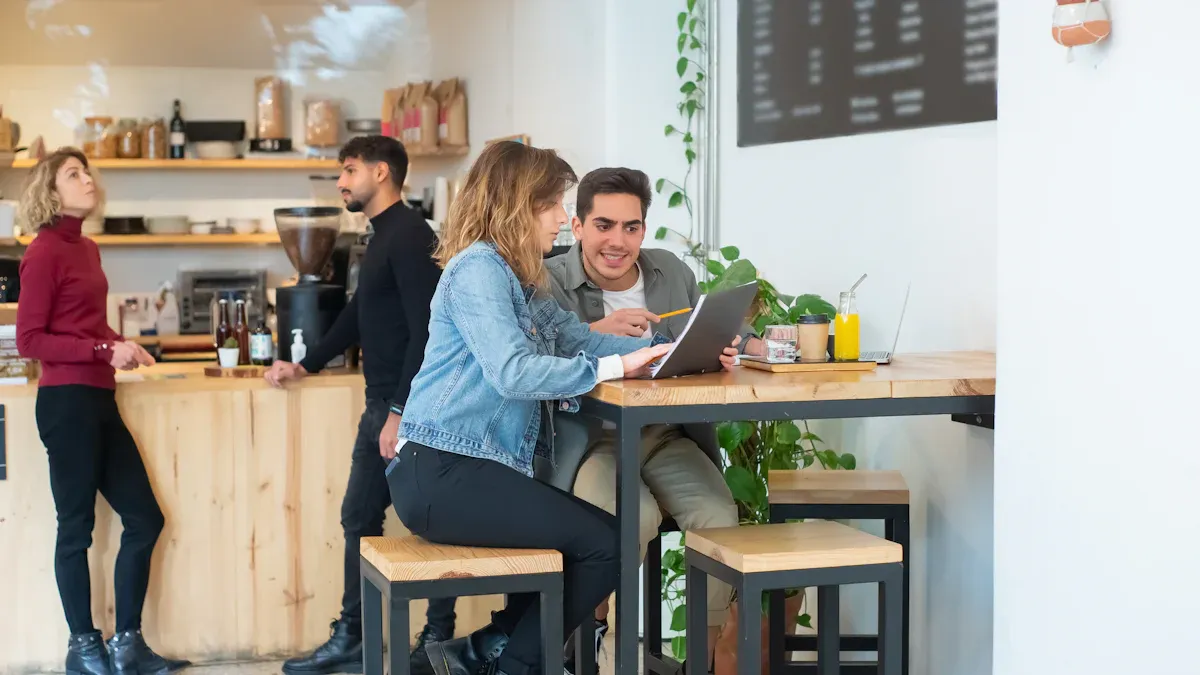
Third-wave coffee shops have surged in popularity over the past decade. You can find over 35,000 of these locations worldwide, each emphasizing quality and sustainability. These shops focus on crafting a unique consumer experience. As a result, you might notice a shift in your own coffee preferences. Younger generations are leaning toward ready-to-drink options for their convenience and quality. In fact, many consumers now prioritize the quality of their coffee over mere convenience, reshaping the coffee market as we know it.
Key Takeaways
Third-wave coffee shops prioritize quality and sustainability, offering unique coffee experiences that reflect artisanal craftsmanship.
Consumers now value quality over convenience, with many willing to pay more for specialty coffee that is ethically sourced.
Baristas in third-wave coffee shops enhance customer experiences through personalized interactions and educational insights about coffee origins.
These shops promote community engagement by creating welcoming spaces for social interaction and hosting local events.
Choosing third-wave coffee supports fair trade practices and environmental sustainability, contributing to a more equitable coffee industry.
Features of Third-Wave Coffee
Quality and Sourcing
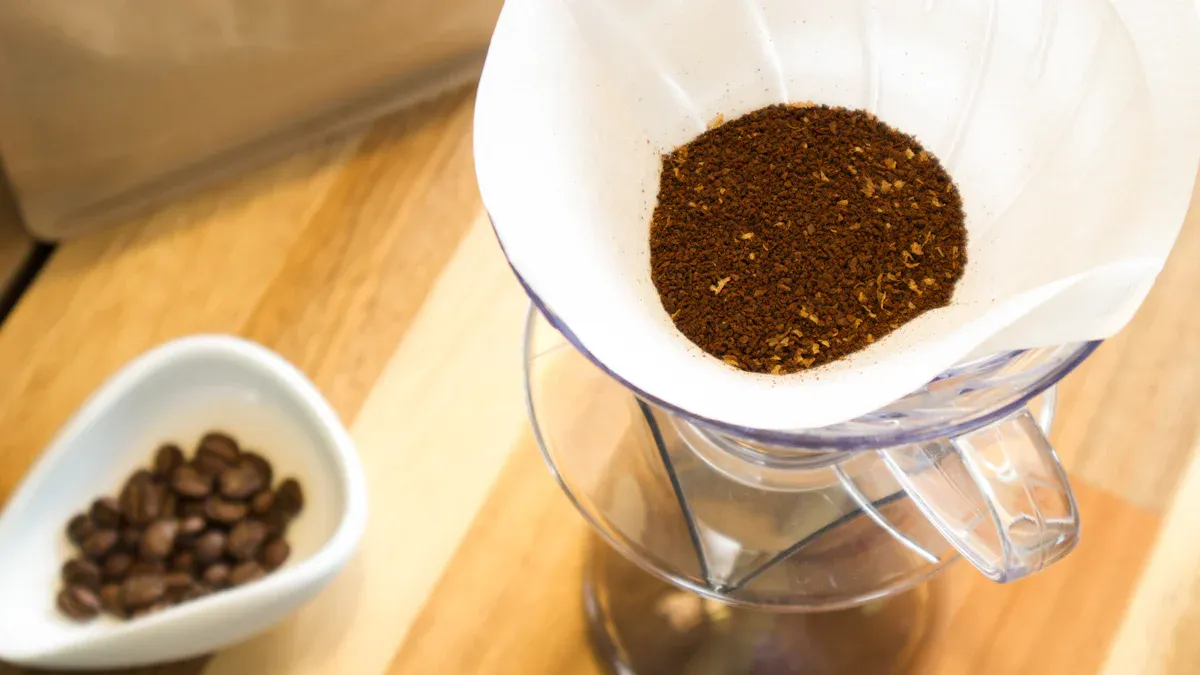
When you step into a third-wave coffee shop, you immediately notice the emphasis on quality. These shops treat coffee as an artisanal product, much like fine wine. They focus on unique flavors and origins, ensuring that every cup tells a story. Here are some key aspects of quality and sourcing in third-wave coffee:
Specialty Coffee: Third-wave coffee shops prioritize specialty coffee, which means they select beans based on their unique characteristics and flavor profiles.
Origin Transparency: You can often find detailed information about where your coffee comes from. Many shops highlight the specific farms or estates that produce their beans, allowing you to appreciate the journey from farm to cup.
Direct Trade Relationships: These shops often engage in direct trade with farmers. This approach ensures fair pricing and higher quality through close collaboration. By working directly with growers, they can specify varietals and monitor processing, which enhances the quality of the coffee.
This commitment to quality not only improves your coffee experience but also supports the livelihoods of farmers. Many roasters seek direct agreements with growers, ensuring fair compensation that can improve living conditions in rural communities. Certifications like Fair Trade and Organic further underscore their commitment to ethical sourcing and sustainability.
Brewing Techniques
The brewing methods used in third-wave coffee shops set them apart from traditional coffee establishments. You might notice baristas using precision brewing methods that enhance the flavor and aroma of the coffee. Here are some popular techniques:
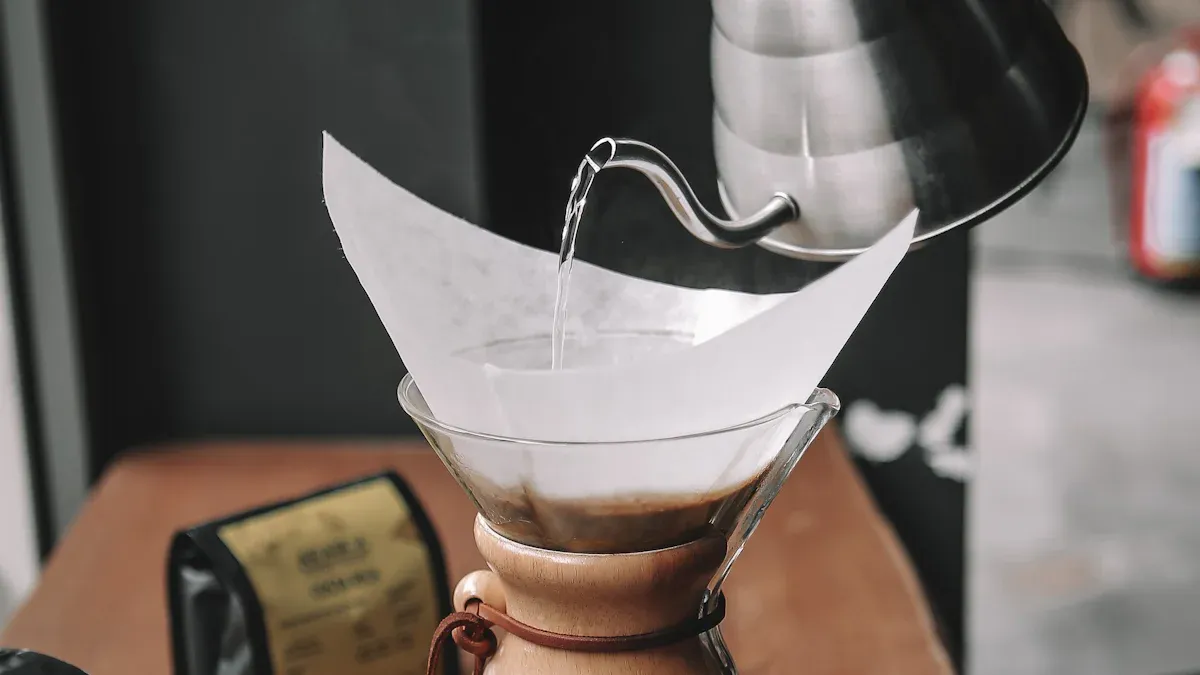
Pour Over: This method allows baristas to craft a single cup of coffee by hand. It helps reveal the full range of aromas and flavors in the coffee grounds.
French Press: This technique emphasizes manual control over brewing variables, resulting in a richer and thicker cup of coffee.
These methods allow baristas to control factors like grind size and water temperature, leading to a sweeter and more complex flavor profile. Studies show that different brewing methods significantly affect the chemical composition of coffee, enhancing its flavor and nutritional quality. For instance, temperature-controlled brewing can yield a higher recovery of sugars and minerals, directly impacting the taste.
Customer Experience
Third-wave coffee shops excel at creating memorable customer experiences. You’ll find inviting atmospheres with minimalist aesthetics, open kitchens, and plenty of natural light. Baristas play a crucial role in shaping this experience:
Personalized Interactions: Baristas engage with you through active listening and storytelling about the coffee’s origins. They often educate customers about coffee preparation and roast profiles, making your visit more informative and enjoyable.
Loyalty Programs: Many shops offer innovative loyalty programs that go beyond traditional methods. You might find memberships that provide priority access to new products and educational opportunities.
This educational approach fosters a deeper connection between you and your coffee. The baristas’ expertise transforms coffee into a gastronomic experience, elevating their status to that of respected professionals. This shift not only enhances your enjoyment but also encourages repeat visits.
Changing Consumer Expectations
Quality Over Quantity
You’ve probably noticed a significant shift in how people approach their coffee choices. Many consumers now prioritize quality over convenience. This transformation is evident in the growing popularity of specialty coffee. Here are some key trends that highlight this change:
There’s a notable trend toward specialty and premium coffee, indicating a shift from convenience to quality.
A whopping 82% of consumers are willing to pay more for high-quality, sustainably sourced coffee.
The growth of specialty coffee adoption is over 15% year over year, while traditional blends only see a 4% increase.
This means that when you walk into a third-wave coffee shop, you’re not just getting a caffeine fix; you’re experiencing a craft beverage that reflects the care and effort put into its creation. Consumers define quality by focusing on specialty coffee, which emphasizes direct trade, sustainable practices, and artisanal brewing methods. You might find yourself drawn to single-origin beans and the stories behind them, appreciating the journey from farm to cup.
Education and Engagement
Third-wave coffee shops excel at educating their customers about coffee origins and preparation methods. They encourage you to slow down and appreciate coffee as both an art and a science. Here’s how they do it:
Educational Method | Description |
|---|---|
Recommendations | Shops provide guidance on coffee preparation methods. |
Explanations | Customers learn about the impact of roast profiles and origin on flavor notes. |
Involvement | Owners often participate in roasting and brewing, enhancing the educational experience. |
You might find yourself learning about processing methods or experimenting with various brewing techniques. This educational approach fosters a deeper connection between you and your coffee. It’s not just about drinking coffee; it’s about understanding and appreciating it. Research shows that customer education enhances engagement and loyalty, making you more likely to return to a shop that values your knowledge and experience.
Personalization
Personalization is another key aspect of the third-wave coffee experience. Coffee shops are using technology to tailor your experience to your preferences. For instance, the redesign of the Third Wave app allows you to see only available items, enhancing your satisfaction. It even offers alternative suggestions when your favorite items are out of stock.
The concept of hyper-personalization emphasizes the importance of creating customized coffee profiles for each customer. This means that when you visit a third-wave coffee shop, you can expect a coffee experience that feels uniquely yours. Whether it’s through digital taste analysis or mobile apps that provide personalized recommendations, these shops are committed to making your coffee journey special.
Sustainability in Third-Wave Coffee Shops
Ethical Sourcing
When you visit third-wave coffee shops, you often notice their commitment to ethical sourcing. These shops prioritize fair trade practices to ensure that farmers receive fair wages and work in safe conditions. Here are some key standards that define ethical sourcing in the third-wave coffee industry:
Fair-Trade Certified: This certification guarantees fair wages and working conditions for farmers.
USDA Organic: This promotes environmentally sustainable farming practices.
Direct Trade: This approach establishes direct relationships between roasters and farmers, enhancing transparency and support for biodiversity.
By focusing on these standards, third-wave coffee shops help create a more equitable coffee industry.
Environmental Impact
The environmental impact of third-wave coffee shops is another crucial aspect of their sustainability practices. Many of these shops partner with Fair Trade organizations. This partnership ensures that profits benefit farmers directly. Farmers often form cooperatives to improve their market access and streamline the import/export process. As one expert puts it, “Coffee is something people love, and it brings us so much joy. You can drink coffee that was grown by people sustainably on their land that are making a living wage, or you can buy and drink coffee that keeps people in cycles of poverty and food insecurity – it’s that drastic of a difference.”
Consumer Demand
Consumer demand plays a significant role in driving sustainability practices in third-wave coffee shops. Over 65% of coffee consumers are willing to pay premium prices for certified sustainable coffee. This growing awareness leads to an increase in the share of certified sustainable coffee products, which has been growing at nearly 12% annually since 2020. As you become more informed about your coffee choices, you contribute to a market that values sustainability and ethical practices.
Evidence Type | Description |
|---|---|
Increase in qualified baristas | Growth in courses and competitions training skilled professionals in coffee preparation. |
Expansion of micro-roasteries | Rise of businesses focusing on artisanal roasting and direct sales, enhancing quality and sustainability. |
Raising consumer awareness | Increased curiosity about coffee varieties and brewing methods, leading to informed purchasing decisions. |
Sustainability and Social Responsibility | Certifications like Fair Trade and Organic promote environmental protection and ethical practices. |
Waste reduction | Adoption of plastic-free policies and encouragement of reusable cups to minimize environmental impact. |
By choosing third-wave coffee, you support a movement that values quality, sustainability, and ethical practices.
Social Dynamics of Coffee Culture
Community Engagement
Third-wave coffee shops play a vital role in fostering community engagement. They act as community spaces where you can connect with others and share experiences. Here are some ways these shops promote interaction:
They create a welcoming atmosphere that encourages conversations.
Many host events like book clubs and live music, bringing people together over shared interests.
Coffee shops often serve as informal coworking spaces, allowing remote workers to collaborate and network.
For example, Montreal’s Le Café Collectif festival showcases over 30 local roasters, strengthening ties within the coffee community. These events not only highlight local talent but also create a sense of belonging among patrons.
Coffee as a Social Experience
When you visit a third-wave coffee shop, you’re not just grabbing a cup of coffee; you’re engaging in a social experience. The environment is designed to encourage interaction. Here’s how:
Comfortable seating and thoughtful decor invite you to linger and chat.
The open-concept layout promotes spontaneous conversations among customers.
Baristas often engage with you, creating a friendly atmosphere that facilitates connections.
These shops serve as meeting places for people from diverse backgrounds, making them ideal for gatherings. You might find yourself striking up a conversation with a stranger over a shared love for coffee.
Technology’s Role
Technology enhances your experience in third-wave coffee shops. Digital platforms connect farmers directly with consumers, ensuring you get the best quality coffee. Here are some ways technology is integrated:
Mobile apps streamline the ordering process and offer personalized recommendations.
Platforms like Craver allow for fast mobile ordering and loyalty programs, making your visits more enjoyable.
Platform/App | Description |
|---|---|
Craver | Enables fast mobile ordering and re-ordering, with features like push notifications for brand engagement. |
Fresh KDS | A smart kitchen display system that enhances order fulfillment and streamlines the order-to-POS process. |
MarginEdge | Management software that automates inventory management, bill payments, and ordering processes. |
With these advancements, your coffee experience becomes more tailored and efficient, allowing you to focus on what matters most: enjoying your drink and connecting with others.
Third-wave coffee shops are reshaping your coffee experience and the broader coffee culture. They focus on quality, sustainability, and community engagement, making each visit special. Experts predict that this movement will grow internationally, especially in emerging markets where coffee symbolizes sophistication.
As you enjoy your coffee, remember that these shops emphasize ethical sourcing and environmental responsibility. They promote transparency in the supply chain, ensuring fair compensation for farmers. Here are some ways they are expected to shape sustainability trends:
Investment in farmer support programs and regenerative agriculture.
Advocacy for policies that ensure equitable compensation for coffee producers.
Implementation of eco-friendly practices, such as waste reduction and renewable energy use.
By choosing third-wave coffee, you support a future that values quality and sustainability.
FAQ
What is third-wave coffee?
Third-wave coffee focuses on high-quality beans and artisanal brewing methods. It treats coffee as a craft, emphasizing flavor, sustainability, and direct relationships with farmers.
How do third-wave coffee shops ensure sustainability?
These shops prioritize ethical sourcing, use eco-friendly practices, and support fair trade. They aim to reduce environmental impact while providing quality coffee.
Why should I choose third-wave coffee?
Choosing third-wave coffee means you enjoy a unique flavor experience while supporting sustainable practices. You also contribute to fair compensation for farmers.
What brewing methods do third-wave coffee shops use?
Third-wave coffee shops often use methods like pour-over and French press. These techniques enhance flavor and aroma, giving you a richer coffee experience.
How can I learn more about coffee at these shops?
Many third-wave coffee shops offer educational sessions, tastings, and workshops. You can ask baristas for recommendations and insights about different coffee varieties.
