

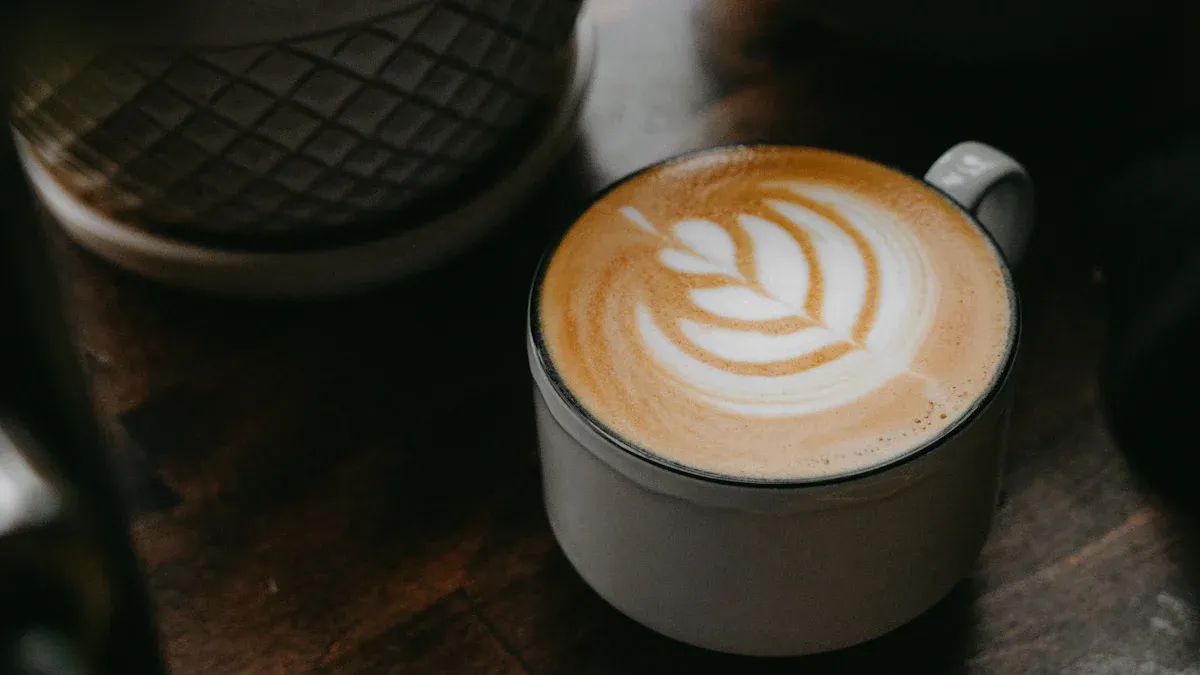
Have you ever wondered what third wave coffee really means? It’s a movement in the coffee world that focuses on quality, single-origin sourcing, and unique flavors. Today, many coffee lovers seek out specialty coffee, which has reshaped how you choose your daily brew. In fact, did you know that 46% of American adults had specialty coffee yesterday? This shift reflects a deeper appreciation for coffee’s origins and production methods.
What sets third wave coffee apart from its predecessors? How can you dive into this vibrant coffee culture? Let’s explore!
Key Takeaways
Third wave coffee focuses on quality and unique flavors, emphasizing single-origin sourcing and transparency in production.
Specialty coffee shops serve as community hubs, fostering social connections and contributing to local economies.
Sustainability is key in third wave coffee, with many shops adopting eco-friendly practices and supporting fair compensation for farmers.
Home brewing can enhance your coffee experience; invest in quality equipment to explore diverse flavors and brewing techniques.
Engage with local coffee culture by visiting specialty shops and attending workshops to deepen your appreciation for coffee.
Coffee Waves History
Coffee has a rich history that unfolds in three distinct waves. Each wave reflects changing consumer preferences and attitudes toward coffee.
First Wave Coffee
The first wave of coffee spanned from the late 1800s to the 1950s. During this time, coffee became a household staple. You could find it in every supermarket aisle. Here are some defining characteristics of first wave coffee:
Characteristic | Description |
|---|---|
Pre-ground products | Offered for convenience, leading to lower quality experiences. |
Bitter and dark coffee | Most products were of lower quality, resulting in a less enjoyable taste. |
Flavor options | Artificial and natural flavors were introduced to meet consumer preferences. |
Supermarket presence | Coffee aisles became more popular, making coffee a household staple. |
Emergence of gourmet terms | Higher-quality products began to be distinguished in the market. |
This wave laid the groundwork for future coffee culture by making coffee widely accessible. Consumers sought consistency in taste, often preferring dark and bitter brews.
Second Wave Coffee
The second wave emerged in the late 20th century. This period marked a shift toward better-tasting coffee and the coffeehouse experience. Companies like Peet’s Coffee and Tea, Starbucks, and Caribou Coffee played pivotal roles. They transformed how you experience coffee. You could enjoy espresso-based drinks and socialize in cozy coffee shops. This wave focused on enhancing the overall coffee experience, moving beyond just the drink itself.
Emergence of Third Wave Coffee
The third wave coffee movement began in the late 1990s and early 2000s, primarily on the West Coast of the United States. It treats coffee as a craft product, similar to wine. Here are some key factors driving its development:
Third wave coffee emphasizes unique flavors derived from the coffee’s origin and processing methods.
It values the character of single-origin beans and promotes direct relationships with farmers.
This movement highlights transparency in sourcing practices.
Companies like Intelligentsia Coffee, Counter Culture, and Stumptown Coffee were instrumental in shaping this wave. They focused on artisanal practices in sourcing, roasting, and brewing. As a result, you now have access to a diverse range of flavors and experiences in your cup.
Characteristics of Third Wave Coffee
Quality and Sourcing
When it comes to third wave coffee, quality and sourcing take center stage. You’ll find that this movement emphasizes transparency and traceability. Brands often share the story behind their beans, allowing you to connect with the origins of your coffee. Here are some key principles that define this focus:
Greater traceability of coffee origins.
A shift towards lighter roasts that highlight unique flavor notes like orange, honey, or berries.
Respect for coffee as a complex agricultural product, recognizing the dedication needed to cultivate and process great beans.
A strong demand for environmentally friendly and sustainable practices.
Third wave coffee shops prioritize high-quality coffee by establishing direct relationships with producers. This means you can enjoy a cup knowing that farmers receive fair compensation. Many shops even publish specific roast dates to ensure freshness. This commitment to quality and ethical sourcing sets third wave coffee apart from previous waves.
Brewing Techniques
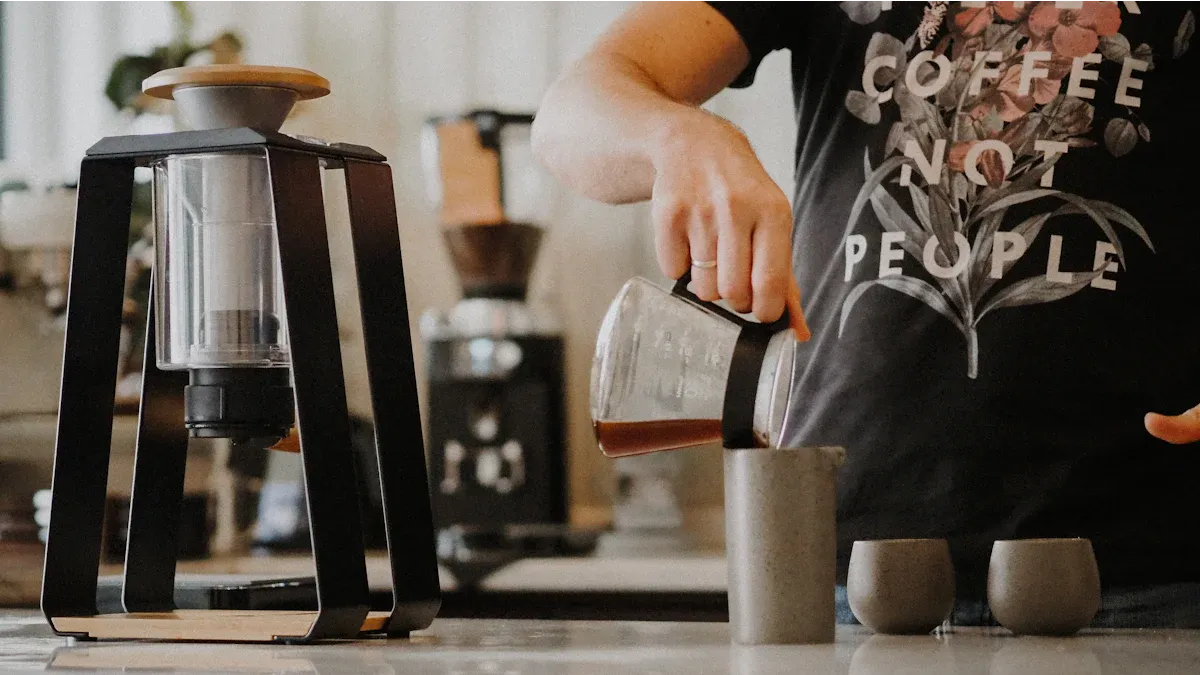
Brewing techniques in third wave coffee are all about precision and artistry. You’ll notice that baristas often use manual methods like pour-over, siphon, and AeroPress. These techniques allow for complete control over the brewing process, which enhances the flavor of your coffee. Here are some popular methods:
Pour-over: This method gives you control over extraction, resulting in a clean and flavorful cup. Baristas manage the flow rate and timing to optimize taste.
Siphon brewing: This technique emphasizes skill and attention to detail, creating a unique coffee experience.
French Press and AeroPress: Both methods allow for a rich extraction of flavors, showcasing the nuances of the beans.
Third wave coffee shops often experiment with innovative brewing techniques, including ultrasonic brewing and cold-drip systems. This continuous innovation keeps the coffee experience fresh and exciting for you.
Flavor Profiles
The flavor profiles of third wave coffee are distinct and complex. Unlike the first and second waves, which often focused on bold and bitter flavors, third wave coffee highlights the unique characteristics of each bean. You can expect to taste specific notes like honey sweetness, rose aromatics, and bright orange acidity. This focus on flavor is achieved through:
Sourcing beans from micro-lots, which are small batches from specific farms or regions.
Utilizing the Coffee Flavor Wheel to standardize flavor evaluation, helping you understand the nuances in your cup.
Emphasizing artisan roasting techniques that bring out the unique traits of each coffee bean.
As you explore third wave coffee, you’ll discover a world of flavors that reflect the dedication of farmers and roasters alike. This movement not only elevates your coffee experience but also fosters a deeper appreciation for the craft behind each cup.
Cultural Impact of Specialty Coffee
Community and Coffee Shops
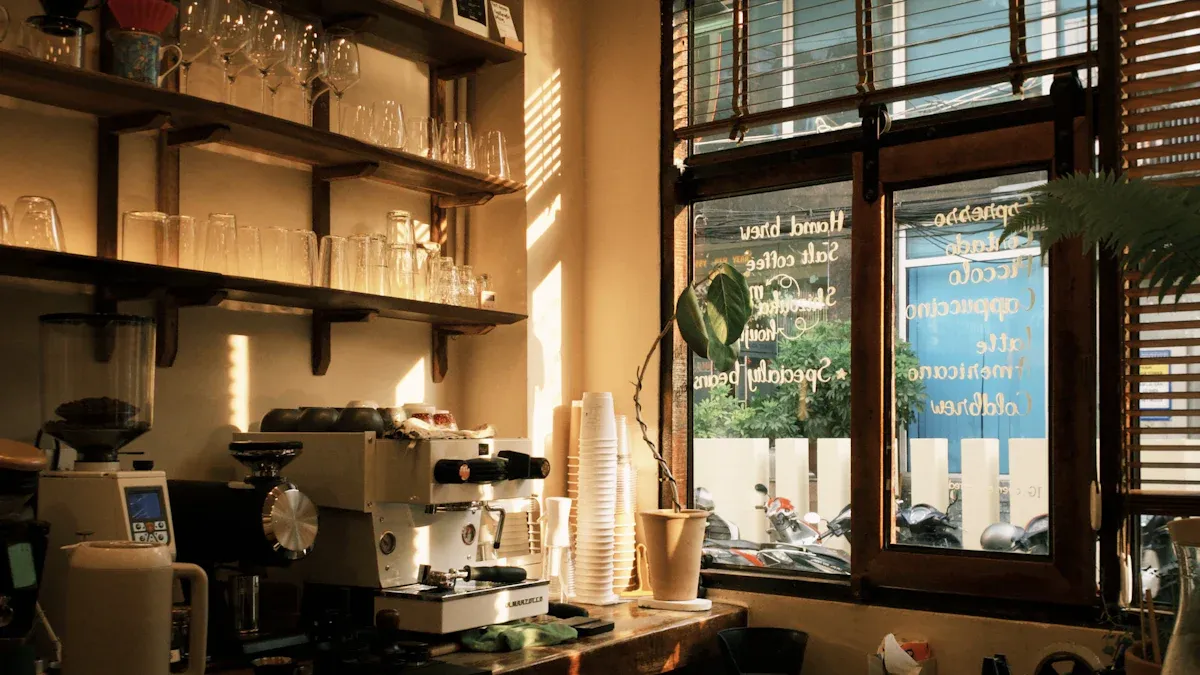
Specialty coffee shops have become more than just places to grab a caffeine fix. They serve as community hubs where you can connect with others and share ideas. These spaces often feature comfortable seating and natural light, creating a welcoming atmosphere. Thoughtful decor enhances the overall vibe, making it easy for you to relax or work.
You might notice that many modern coffee shops have open-concept layouts. This design encourages socialization and interaction among customers. For example, The Washington Café in Mount Pleasant has become a neighborhood gathering spot. Its founder, Peter Washington, envisioned a space where people could meet, work, and share stories. This highlights how coffee shops play a vital role in building relationships within the community.
Research shows that neighborhoods with Starbucks locations see a nearly 30% increase in new registered businesses annually. This suggests that coffee shops not only serve as social spaces but also contribute significantly to local economic development. The partnership between Starbucks and Earvin ‘Magic’ Johnson aimed to open cafés in underserved neighborhoods, transforming them into essential hangout spots. These shops foster community interaction and networking opportunities, making them integral to local culture.
Sustainability Practices
Sustainability is at the heart of the third wave coffee movement. Many specialty coffee businesses adopt practices that prioritize environmental and social responsibility. Here’s a look at some common sustainability practices:
Sustainability Practice | Description |
|---|---|
Government-led policies | Support for farmers to achieve environmental and social benefits. |
Financial incentives for land management | Payments to farmers for sustainable practices that provide ecological services. |
Direct trading partnerships | Long-term relationships between roasters, retailers, and producers for quality coffee. |
Internal company commitments | Standards focused on environmental impacts, social concerns, and traceability. |
Voluntary sustainability standards | Criteria set by NGOs for economic, social, and environmental aspects of coffee production. |
You’ll find that many coffee shops are committed to reducing waste and conserving water. They often switch from plastic straws to eco-friendly options like paper or bamboo. Additionally, they use ceramic mugs and biodegradable packaging made from materials like corn starch or sugar cane. This commitment to sustainability not only benefits the environment but also enhances your coffee experience.
Global Influence
The influence of third wave coffee extends beyond local communities. It has sparked a global movement that reshapes coffee culture in various countries. For instance, the United States saw the emergence of a niche community in the 1970s focusing on quality coffee. This led to the founding of the Specialty Coffee Association of America in 1982.
Australia has also embraced this movement, adopting innovative brewing methods and high-quality sourcing. As a result, specialty coffee shops and roasters have rapidly grown in the following decades. In Scandinavia, increased consumer awareness of coffee nuances has led to significant growth in the specialty coffee sub-industry, employing over a hundred thousand people.
The impact of third wave coffee on traditional coffee cultures is profound. It emphasizes quality and transparency, allowing farmers to command higher prices for their beans. This economic improvement enhances living standards in coffee-producing communities. Additionally, the movement promotes eco-friendly farming methods, encouraging a cultural shift towards appreciating artisanal and ethically sourced coffee, much like wine appreciation.
Engaging with Third Wave Coffee
Home Brewing Tips
Brewing third wave coffee at home can be a fun and rewarding experience. To get started, consider investing in some essential equipment. Here’s a list of tools that can elevate your coffee game:
Precision burr grinders
Digital scales
Temperature-controlled kettles
Refractometers for measuring extraction
High-end espresso machines
These tools help you achieve the perfect brew, allowing you to explore the unique flavors of third wave coffee.
If you’re looking for specific brewing methods, check out this handy table:
Brewing Method | Equipment Recommended | Effort Level | Budget Level |
|---|---|---|---|
Black Coffee (Low effort) | Any standard drip machine | Low | Low |
Black Coffee (Low effort) | Fellow Aiden for pour-over quality with customizable settings | Low | Higher |
Black Coffee (More effort) | Hario V60 or AeroPress for hands-on brewing; Chemex for multiple cups | More | Low |
Black Coffee (More effort) | Precision kettle from Fellow with pour-over or Chemex setup | More | Higher |
Milk-Based Coffee (Low cost) | Moka Pot or AeroPress for strong coffee that pairs with milk | Low | Low |
Milk-Based Coffee (High effort) | Quality espresso machine for control; pair with barista skills from Home Barista Class | High | Higher |
Finding Local Coffee Shops
Exploring local coffee shops is a great way to dive into third wave coffee culture. Here are some tips to help you find the best spots:
Quality: Look for shops that focus on high-quality beans from specific micro-lots.
Sustainability: Check if they practice ethical sourcing and environmentally responsible methods.
Innovation: Seek out places that experiment with brewing methods and equipment.
Visiting these shops not only supports local businesses but also allows you to taste unique flavors and learn from knowledgeable baristas.
Coffee Education and Workshops
Want to deepen your coffee knowledge? Consider attending workshops or classes. Here are some excellent resources to explore:
Coffee Roasters Guild – Inspires a diverse coffee roasting community.
Barista Guild – Offers education for baristas through events and an online platform.
James Hoffman – Provides guides and reviews on specialty coffee.
European Coffee Trip – Shares stories and tips on third wave coffee.
Mill City Roasters – Offers instructional videos on coffee roasting.
Specialty Coffee Association Podcasts – Features stories and lectures from coffee professionals.
Making Coffee with Lucia Solis – Discusses coffee processing and research.
Tamper Tantrum – A platform for coffee lectures and podcasts.
These resources will help you learn more about the art of coffee and enhance your appreciation for third wave coffee.
In this blog, we explored the evolution of coffee through its waves, focusing on the rise of specialty coffee and the third wave culture. You learned about the importance of quality, sourcing, and innovative brewing techniques that define this movement. As you look ahead, expect trends like the integration of technology and a growing emphasis on sustainability to shape the future of coffee.
To truly appreciate specialty coffee, consider engaging in daily coffee rituals. Understanding the origins of your brew can deepen your connection to each cup. So, take a moment to savor your coffee and explore the unique flavors it offers.
Embrace the journey of discovering specialty coffee, and let it enrich your daily routine!
FAQ
What is specialty coffee?
Specialty coffee refers to high-quality coffee made from specific beans, often sourced from single origins. It emphasizes unique flavors and ethical sourcing practices, ensuring farmers receive fair compensation.
How can I identify third wave coffee?
You can identify third wave coffee by its focus on quality, transparency, and artisanal brewing methods. Look for shops that highlight single-origin beans and offer detailed tasting notes.
Are there any health benefits to drinking coffee?
Yes! Moderate coffee consumption can boost energy levels, improve focus, and even lower the risk of certain diseases. Just remember to enjoy it in moderation!
What equipment do I need for home brewing?
To brew third wave coffee at home, consider investing in a precision burr grinder, a digital scale, and a temperature-controlled kettle. These tools help you achieve the perfect cup.
How can I support sustainable coffee practices?
You can support sustainable coffee practices by choosing brands that prioritize ethical sourcing, environmental responsibility, and direct trade with farmers. Look for certifications like Fair Trade or Rainforest Alliance.
