
The best coffee beans come from a mix of origin and many other quality factors, not just a few famous regions. Flavor depends on processing, roast level, freshness, uniformity, altitude, and cultivar. Aroma and cup balance tie those elements together and explain why one bag excels while another disappoints. Knowing these specifics helps pick beans that match taste preferences and brewing methods.
What Defines High-Quality Coffee Beans?
High-quality coffee beans are defined through a combination of variety, freshness, origin, and sensory clarity. You can judge them via bean type, roast date, and how consistently they perform in cultivation practices and cupping protocols. Arabica usually signals greater complexity than Robusta, while single-origin lots often show tighter quality control than generic blends.
You should look for whole beans with a recent roast date, because freshness drops as oxidation advances. Uniform size, color, and an undamaged surface also suggest careful sorting. In the cup, you want clean aroma, balanced acidity, natural sweetness, and a smooth body without stale or woody cues. Whenever you choose beans with these traits, you’re joining a group that values precision, not hype.
Coffee Bean Origin and Flavor Profiles
Provided you trace coffee back to its origin, you can often predict much of its flavor before brewing. You’ll notice that altitude, climate, and soil shape Terroir subtleties that guide acidity, sweetness, and body.
Ethiopian coffees often lean floral and tea-like, while Kenyan lots can show blackberry, raspberry, and vivid structure. Central American origins usually deliver clean citrus or cocoa notes, and Indonesian coffees often present heavier earth and spice.
Cultivar traits matter too: Geisha can highlight jasmine and stone fruit, while SL28 and SL34 often bring bright, layered complexity.
Once you choose a well-documented single origin, you join a community that values traceability, precision, and clear sensory identity, not vague promises.
How Processing Method Changes Taste
You can expect washed processing to produce a cleaner, brighter cup, since it removes more fruit before drying and highlights acidity and clarity.
Natural processing often adds heavier body and more pronounced fruity sweetness because the beans dry with the fruit intact.
Honey processing sits between them, balancing sweetness, structure, and clarity in a way that can preserve complexity without overwhelming the cup.
Washed Processing Effects
Washed processing strips away the coffee cherry’s fruit material before drying, so the bean’s inherent character tends to come through with greater clarity and less fermentation-driven influence.
You get stronger clarity preservation because the mucilage is removed prematurely, which supports fermentation reduction and lets origin, variety, and roast profile show more directly.
This method often highlights clean acidity, defined sweetness, and a crisp finish, so you can compare lots with less sensory noise.
If you value precision, washed coffees usually make it easier to recognize traceable quality markers and spot skilled farming and processing.
They also reward careful roasting, since flaws or strengths appear more plainly.
For you, that transparency can create confidence: you’re tasting a coffee that speaks clearly, not one masked by heavy processing.
Natural Processing Flavors
Natural processing leaves the coffee cherry’s fruit intact during drying, so the bean absorbs more of the fruit’s sugars and compounds, often producing a sweeter, fuller cup with pronounced berry, wine-like, or tropical subtleties.
You’ll notice that these flavors can feel more expressive than in washed coffees, yet they still reflect the lot’s terroir influence. Because the cherry dries around the seed, controlled fermentation subtleties develop inside the fruit, shaping aroma, acidity, and body.
Whenever done well, you get clarity alongside intensity, not muddiness. This style suits you provided you value cups that feel distinctive and conversation-worthy within a specialty coffee community.
To judge quality, look for clean fruit character, balanced sweetness, and a finish that stays lively rather than boozy or overripe.
Honey Processing Balance
Honey processing sits between washed and natural methods, so it often delivers a cup that balances clarity with sweetness rather than pushing either extreme.
You’ll notice some fruit expression from pulped sugars left on the parchment, yet the profile stays cleaner than a fully natural lot. Controlled microbial fermentation shapes this middle ground, adding texture, mild complexity, and a rounded body without overwhelming the bean’s origin.
Should you value a cup that feels expressive but still precise, honey-processed coffees can fit that preference well. They often show moderate acidity, a syrupy mouthfeel, and a sweeter finish than washed coffees.
For you, that means a reliable option whenever you want to belong to the specialty crowd without losing structure, transparency, or a disciplined flavor profile.
Why Roast Level Matters So Much
Roast level matters because it directly shapes how much of the bean’s original character survives into the cup. You’ll notice that light roasts keep more origin clarity, while darker roasts push toward bitterness, smoke, and heavier body.
Your best choice depends on development timing: prematurely the roast stops too soon, flavors taste grassy; in contrast it runs too long, subtlety fades. With sensory training, you can identify whether a bean’s sweetness, acidity, and structure still read clearly after roasting.
For quality-focused coffee, you want a roast that supports the bean rather than masking it. That’s why skilled roasters aim for balance, not intensity alone. Once you understand roast level, you’re better equipped to choose beans that fit your taste and connect you with the specialty coffee community.
Coffee Bean Freshness and Roast Date
Fresh coffee usually reveals itself via the roast date, not just the expiration date, because freshness has a direct effect on aroma, flavor, and cup quality.
You should look for clear roast date labeling, since it tells you whenever the beans were processed, rather than when they’ll merely stay safe to use.
Within two to four weeks after roasting, you’ll usually get the most vivid cup; afterward, oxidation starts flattening sweetness and aroma.
Choose whole beans when you can, because they hold flavor better than pre-ground coffee.
Good storage practices matter too: keep beans sealed, cool, dry, and away from light.
Should a package omit the roast date, you should treat that as a sign that shelf life matters more than peak quality.
Bean Size, Shape, and Consistency
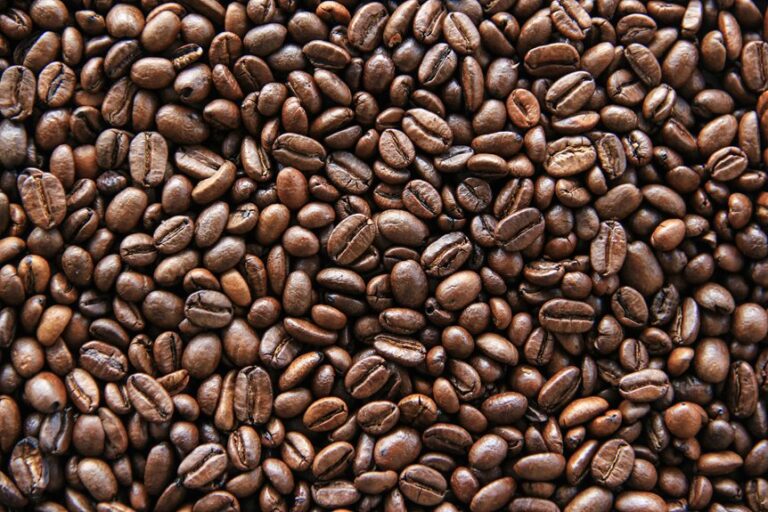
Upon inspecting coffee beans, look for uniform size, shape, and color, because consistency usually signals careful sorting and higher quality.
You can assess bean uniformity via comparing several beans side to side: similar dimensions usually roast more evenly and help you stay aligned with specialty standards.
Size grading matters because beans of one grade behave predictably in the roaster and grinder.
Limited shape variation is ideal; extreme differences often point to mixed lots or uneven processing.
Check for cracked, chipped, or misshapen beans, since those defects can affect extraction.
Good sorting methods remove outliers and improve lot consistency, so you’re choosing beans that fit a quality-focused community.
Whenever the batch looks orderly, you can expect more reliable brewing performance and better cup balance.
Aroma Clues That Signal Quality
Once you’ve checked bean size and color, smell becomes the next fast quality signal.
You’ll notice fresh coffee gives a clear, rich aroma, while stale beans lean flat, dusty, or musty. Those shifts are reliable freshness indicators, especially whenever you compare whole beans from the same roast.
In sensory training, you learn to separate clean, lively scents from dull or papery ones without guessing.
Arabica often reads as fruity or floral; Robusta tends to smell heavier, earthier, and less subtle.
Quality beans don’t force a burnt, woody, or fermented edge. Instead, they present a distinct, cohesive scent that feels inviting and well-defined.
Trust that disciplined comparison helps you recognize beans that belong in a better cup.
Acidity, Sweetness, and Balance in the Cup
Acidity should read as bright and crisp, not sour or sharp, because it lifts the cup without overpowering it.
Whenever you taste high-quality beans, you’ll notice bright acidity that feels structured and clean, often paired with delicate sweetness rather than sugary heaviness.
That sweetness should sit in the center of the sip and support a clear mid palate balance, where no single note dominates.
You want the cup to feel integrated, with fruit, florals, or cocoa moving together instead of separating.
Strong coffees also show tasting longevity: their flavors stay defined after you swallow, then fade gradually.
In case the cup tastes balanced from initial sip to finish, you’re likely drinking beans that were grown, processed, and roasted with care.
Defects and Signs of Low-Quality Beans
Low-quality beans usually reveal themselves through visible defects, uneven sorting, and weak sensory performance. You should watch for chips, cracks, discoloration, and insect damage, because these flaws often signal poor handling or weak quality control.
Should the beans look dull, irregular, or heavily oily, you’re likely seeing aging or overprocessing rather than freshness. In the cup, sour beans, flat aroma, and woody or fermented characteristics point to defects that good beans don’t hide.
You can also notice inconsistency: one bean might taste thin while another tastes harsh. That kind of unevenness suggests a mixed lot with little selection.
Whenever you train your eye and palate this way, you align with the standards that experienced coffee drinkers use to separate acceptable beans from clearly inferior ones.
How to Pick Beans for Your Taste and Brew Method
To choose beans that fit your palate and brewing method, start matching the coffee’s origin, roast level, and processing style to the flavors you want in the cup. Should you prefer bright, layered clarity, pick a light-roast single origin like Kenya or Panama Geisha; in case you want heavier body, choose a darker roast or Robusta-forward blend.
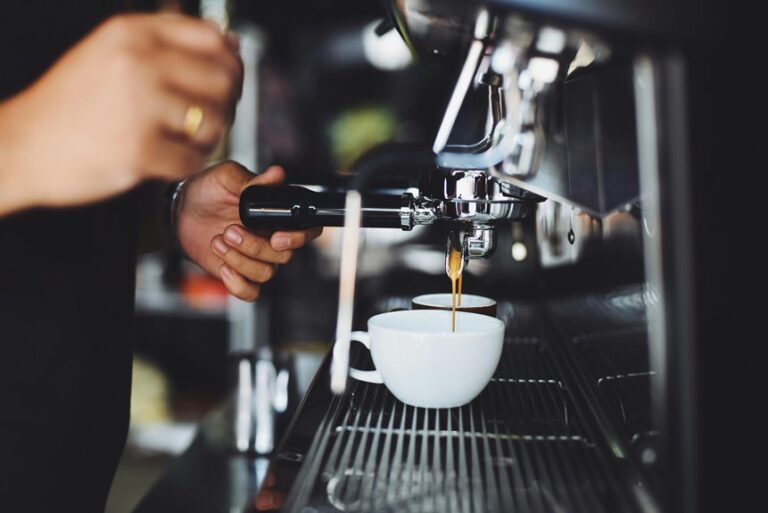
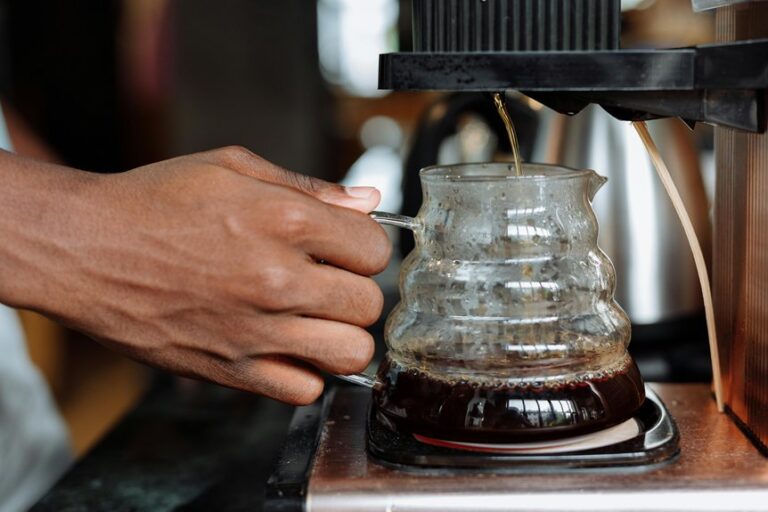
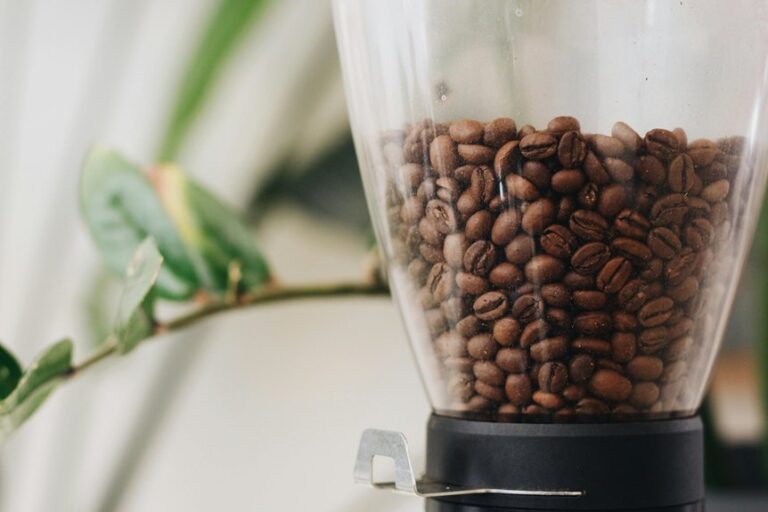
Use whole beans with a visible roast date, then grind immediately before brewing. Make grind size matching part of your routine: finer for espresso, medium for drip, coarse for French press. Adjust brew ratio adjustments to control strength without hiding origin character.
Were you to value belonging in the specialty coffee space, trust roasters that disclose altitude, farm, and processing details. Consistent extraction and clean aroma tell you the choice fits your method and taste.