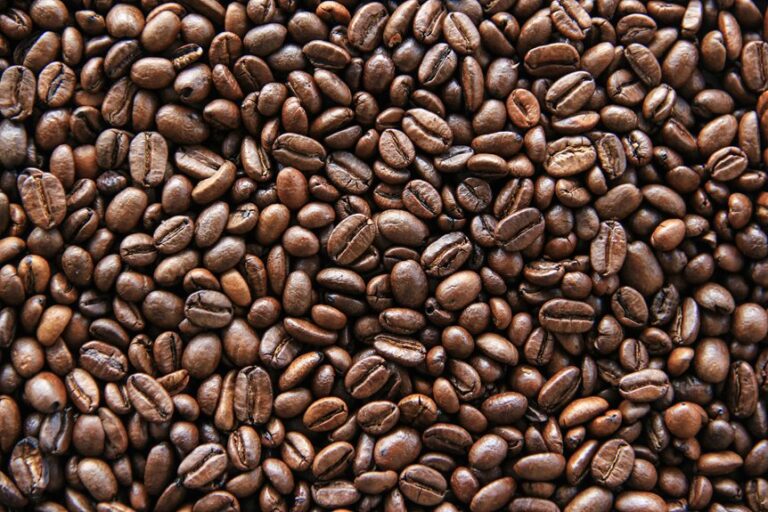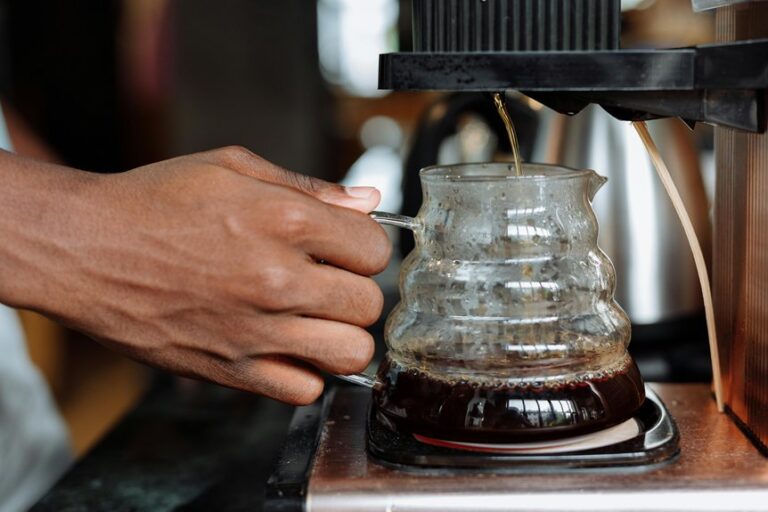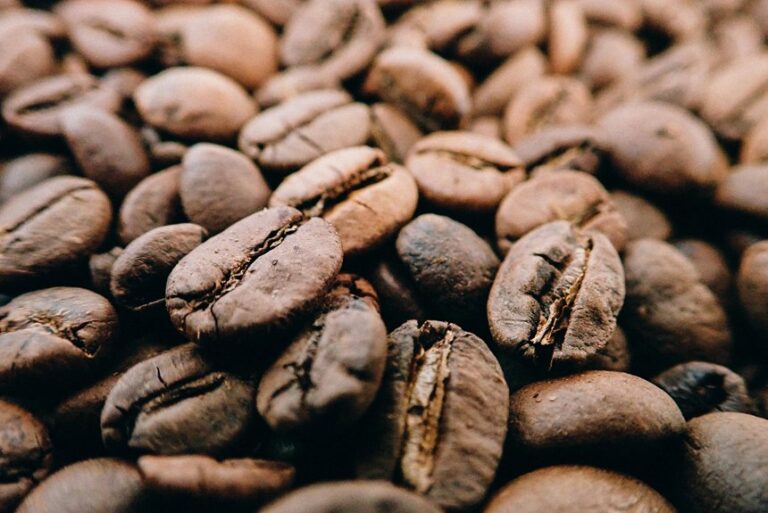

Use freshly roasted Arabica or a balanced Arabica–Robusta blend for the best moka pot cup. Aim for a medium to medium-dark roast to bring out cocoa and caramel notes without harshness. Grind size is critical—slightly finer than drip but coarser than espresso yields the best extraction. Small adjustments to grind or brew time often fix bitterness or weak flavor quickly.
Choose Beans for Moka Pot Brewing
In case you choose beans for a Moka pot, go for a roast and origin that can handle stovetop heat without turning harsh.
You’ll usually do best with Arabica beans that bring clean flavor, or blends with a little Robusta when you want more body and a classic café feel.
Look for single origin selections from naturally sweet, high-altitude regions, since they often stay balanced under pressure.
Freshness matters too, so check roast date labeling and skip bags with vague dates.
Whole beans give you more control, and a burr grinder helps you keep the grind consistent.
Opt for beans you enjoy black, because the Moka pot concentrates every note, and that’s where your coffee community really starts to shine.
Pick a Medium-Dark Roast
A medium-dark roast works well in a Moka pot because it stands up to heat and brings out a fuller body with cocoa and caramel notes.
You’ll get balanced extraction without the sharp acidity or underdeveloped flavor that lighter roasts can leave behind.
Should you want a richer, smoother cup, this roast level is a smart place to start.
Why Medium-Dark Works
Medium-dark roast works especially well in a Moka pot because it stands up to stovetop heat while still providing rich body, caramel sweetness, and a balanced finish. You get better roast chemistry here: sugars deepen, oils emerge, and extraction feels forgiving. That means you can brew with confidence and join the home-barista crowd without fuss.
| Benefit | Result |
|---|---|
| Heat tolerance | Less harshness |
| Oil development | Fuller mouthfeel |
| Caramelization | Sweeter cup |
| Stable brew | Easier timing |
| Crema formation | A livelier top |
Choose beans that suit this style, and you’ll taste why many Moka pot fans stick with medium-dark. It delivers comfort, character, and consistency in every round.
Balanced Flavor Extraction
For balanced flavor extraction in a Moka pot, pick a medium-dark roast that gives you sweetness, body, and enough structure to handle stovetop heat. You’ll get a rounder cup whenever the beans’ caramel notes meet the brewer’s pressure forces at a steady extraction temperature.
- Choose a roast with cocoa, toffee, and low sharpness.
- Grind medium-fine so water moves through evenly, not too fast or slow.
- Keep heat moderate so the brew rises smoothly and stays controlled.
- Stop once you hear the initial sputters, then serve right away.
That’s how you brew with confidence and feel at home in the Moka pot crowd. Medium-dark beans help you build a cup that’s rich, shared, and reliably satisfying every morning.
Avoid Overly Light Roasts
Light roasts can taste sharp, sour, and underdeveloped in a Moka pot because the brewer’s heat can push their acidity before the flavors fully round out. You’ll usually get a better cup from a medium-dark roast, which gives you cocoa, caramel, and fuller body without losing brightness.
Don’t fall for single origin myths that say lighter is always better; processing impact matters too, since washed beans can seem even more acidic under pressure. Should you want the same cozy, shared coffee experience you love from stovetop brewing, choose beans roasted for balance and heat tolerance.
A classic Italian-style slow roast or a medium-dark blend helps you pull a smooth, satisfying cup that feels right at home.
Use Fresh Coffee Every Time
You’ll get the best Moka Pot flavor whenever you grind your beans right before brewing, because fresh grounds keep more aroma and taste.
Once you’ve ground them, brew without delay so the coffee doesn’t lose its brightness or start to go stale.
Fresh coffee and quick timing work together to give you a richer, cleaner cup.
Freshly Ground Beans
- Grind only what you need.
- Use a burr grinder for even particles.
- Aim for a medium-fine, sandy texture.
- Store beans sealed, away from light.
If you pre-grind, the flavors fade faster and the cup can feel flat.
Fresh grinding keeps the oils and scent where they belong: in your mug.
That simple habit gives you a better starting point every time and makes your Moka routine feel more rewarding.
Brew Timing Matters
Brew your Moka pot as soon as you grind, because fresh coffee loses its aroma and edge fast once it’s exposed to air. You’ll protect flavor development through moving from grinder to brewer with timer discipline, and you’ll taste the difference with every sip.
| Timing | What you feel |
|---|---|
| Immediate brew | Bright, rich, alive |
| 10 minutes later | Softer, flatter, less vivid |
| 30 minutes later | Muted, distant, disappointing |
When you stay quick, you join the crowd that respects the beans and gets more from each cup. Keep your pot ready, measure water, load the basket, and start heating right away. That simple rhythm keeps your coffee bold, welcoming, and true to the roast you chose.
Find the Best Moka Pot Grind Size
For a Moka pot, the sweet spot is a medium-fine grind: coarser than espresso, but still fine enough to extract rich flavor, with a texture similar to sand or kosher salt. You’ll get the best cup whenever your particles stay even, because consistent grind distribution supports steady flow and balanced extraction. Should you be dialing in at home, particle sieving can help you spot oversized chunks or excess fines.
- Use a burr grinder for uniform results.
- Aim for a gritty, sand-like feel.
- Avoid powdery grinds that clog.
- Steer clear of coarse bits that brew weakly.
Once you brew with the right grind, you join the crowd that gets fuller aroma, smoother body, and coffee that feels made for your kitchen.
Adjust Grind for Stronger Coffee
To make your Moka pot coffee stronger, start from grinding a little finer, since a finer grind increases resistance and boosts extraction. That simple grind recalibration can push out more body, richer aroma, and a fuller finish without changing your beans.
Aim for a texture a touch finer than your usual Moka setting, but don’t go so fine that water stalls or the cup turns bitter. Should your brew still feel thin, try grind recalibration in small steps, not big jumps.
You can also use tamping alternatives, like leveling the basket gently with a tap, to keep the bed even without compressing it. Small adjustments help you join the crowd of home brewers who dial in strength with confidence.
Measure Your Coffee and Water
A standard 6-cup Moka pot usually works best with about 20 grams of coffee, giving you a solid starting point for balanced strength and extraction. Use a scale for measurements accuracy, so you can repeat great results and feel confident with every brew.
Then fill the reservoir to the valve line; that simple reservoir calibration keeps your coffee in the sweet spot instead of turning it weak or harsh.
- Weigh your coffee, don’t guess.
- Level the grounds, then lock the basket in.
- Match water to the valve line each time.
- Tweak slightly should you desire more body or lift.
When you measure well, you join the club of home brewers who get rich, dependable Moka coffee without the guesswork.
Preheat the Water
Now that you’ve measured the coffee and filled the basket correctly, heat the water before you assemble the pot. This simple step gets your brew moving faster and keeps the grounds from sitting in the pot too long.
Use hot, not cold water, so stovetop warming happens gently and your coffee starts extracting right away. You’ll fit in with moka-pot fans who want a cleaner cup and less bitterness.
Pour the preheated water into the bottom chamber up to the valve, then add the basket and screw on the top. The pot still belongs on the burner, but it won’t waste time climbing from chilly water.
You’re setting yourself up for smoother aroma, better body, and a more reliable morning ritual.
Control Heat and Brew Time
Set the Moka pot over medium heat so the water climbs steadily without scorching the coffee. You’re joining a simple rhythm that protects flavor and keeps your stovetop temperature steady. Watch the brew, because extraction timing matters as much as grind and roast.
- Keep the flame moderate, not high.
- Listen for a soft gurgle, not a hard sputter.
- Remove the pot as soon as the stream turns pale.
- Cool the base under water to halt brewing.
When you control heat, you help your coffee taste balanced and full, not rushed or flat. Stay attentive, trust the signs, and you’ll brew with the confidence of people who know this ritual well.
Fix Bitter or Weak Moka Pot Coffee
Should your Moka pot taste bitter, chalky, or weak, the fix usually starts with the grind. In case it’s bitter or dry, you’ve likely ground too fine; move coarser, closer to sand, and keep the basket level for even grind redistribution.
In the event it tastes thin, go finer via a small step and use fresh beans. Aim for a medium-fine burr grind, not powder, so water can flow without choking. Medium roast often gives you the best balance, while dark roasts might need a slightly coarser setting. Don’t stir the basket or force brew agitation; let the pot do the work. Taste, adjust once, and you’ll quickly join the group that gets rich, smooth Moka coffee at home.