

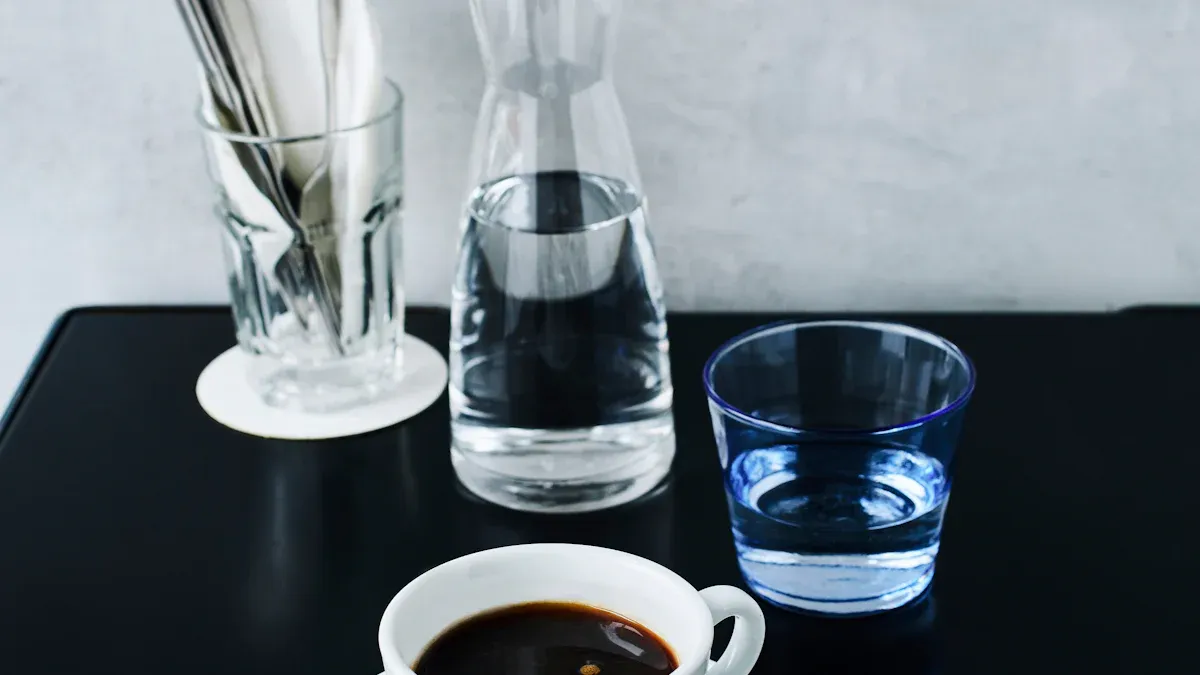
Water quality plays a crucial role in brewing coffee. Did you know that brewed coffee consists of about 98-99% water? This means that the quality of water you use can significantly affect the flavors you extract from your coffee grounds. Understanding the mineral content and types of water helps you enhance your coffee experience.
Key Takeaways
Water quality is crucial for great coffee; it makes up 98-99% of your brew.
Minerals in water enhance flavor and aroma; aim for a balanced mineral content.
Experiment with different water types to find the best flavor for your coffee.
Water Quality Impact
Mineral Influence
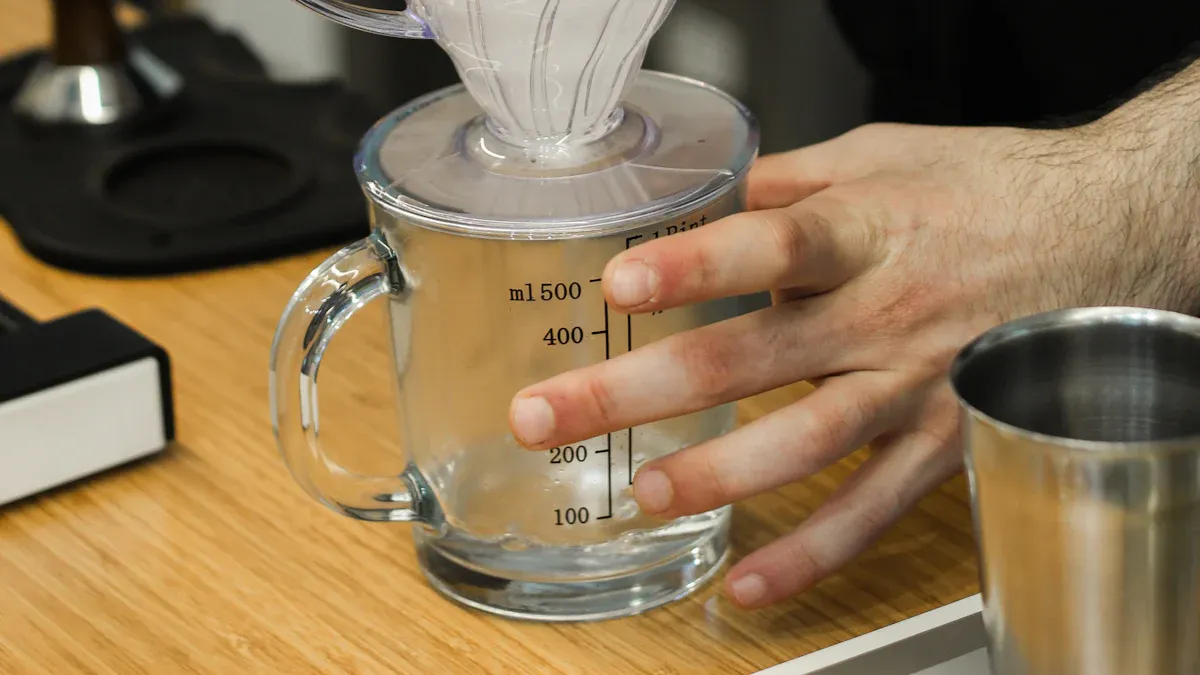
Water quality significantly impacts flavor extraction in coffee. The minerals present in your brewing water can enhance or detract from the overall taste. Here’s a quick look at some common minerals found in water and how they affect coffee extraction:
Mineral | Effect on Coffee Extraction |
|---|---|
Calcium | Enhances creamy body and mouthfeel; key for extracting flavors. |
Magnesium | Balances body with increased sweetness; preferred ratio is 60/40. |
Chlorides | Enhances body, creaminess, and sweetness; needs careful monitoring. |
Sulphates | Can increase perceived bitterness and create astringent sweetness. |
High levels of minerals like calcium can significantly enhance the flavor of your coffee. If your water has low mineral content, you might end up with a flat or dull taste. This is why many coffee enthusiasts pay attention to the mineral profile of their water.
pH Levels
The pH level of your water also plays a crucial role in coffee brewing. Aim for water with a pH in the range of 6.5–7.5 to ensure proper extraction of soluble flavor compounds. Here are some key points to consider:
The ideal pH range for brewing water is between 6.5 and 7.5, which helps in extracting desirable flavor compounds.
Water that is too hard or alkaline can extract bitter compounds, while water that is too soft or acidic can lead to weak flavor extraction.
Deviations from this ideal pH range can affect the acidity and bitterness of your coffee. Studies suggest that even small changes in pH can influence taste perception.
Remember, the best pH for brewing coffee is slightly acidic. This balance helps you extract the rich flavors without overwhelming bitterness.
When you brew coffee, the interaction between water hardness and pH can lead to different flavor profiles. For instance, hard water can emphasize bitterness and mute acidity, while very low-mineral water can highlight sharp sourness. Finding the right balance is key to achieving the best flavor.
Different Water Types for Coffee

Tap Water
Using tap water for brewing coffee is common due to its convenience and low cost. However, it often contains chlorine and other impurities that can lead to bad-tasting water. Here are some pros and cons:
Pros:
Convenient and inexpensive.
Readily available in most homes.
Cons:
Can impart a bitter taste due to chlorine.
May cause scale buildup in coffee machines.
Chlorine can react with aromatic compounds in coffee, leading to an off or metallic taste. This reaction diminishes the vibrancy of your brew, resulting in a flat flavor. If you notice a chemical-like aftertaste, it’s likely from the tap water.
Filtered Water
Filtered water is a great option for coffee brewing. It removes many impurities, including chlorine, which can enhance your coffee’s flavor. Here are some benefits:
Pros:
Improves taste by eliminating off-flavors.
Provides better clarity and aroma in your coffee.
Cons:
Initial setup costs for filtration systems.
Requires regular maintenance to ensure effectiveness.
Using a modern filter coffee machine can help control extraction temperature, crucial for a balanced cup. Quality filters preserve the purity of aromas while retaining unwanted particles.
Bottled Water
Bottled water can be a convenient choice, especially if you’re looking for good-tasting water. However, it can be expensive over time. Here’s what to consider:
Pros:
Often has a balanced mineral content for optimal flavor.
Convenient for travel or when dining out.
Cons:
Can contribute to plastic waste.
More costly compared to tap or filtered water.
The ideal Total Dissolved Solids (TDS) range for brewing coffee is between 120 and 150 PPM. Bottled waters within this range tend to produce a flavorful cup. However, keep in mind the environmental impact of using bottled water.
Water Type | Cost per Gallon | Notes |
|---|---|---|
Bottled Water | $1.22 | Expensive over time, contributes to waste |
Tap Water | $0.004 | Much cheaper, economical for daily use |
Filtered Water | Initial cost + maintenance | More affordable in the long run, better quality for brewing |
Choosing the right water type can significantly impact your coffee experience. Experiment with different water types for coffee to find what works best for you!
How Water Affects the Taste of Coffee
Ideal Brewing Conditions
When you brew coffee, the quality of water plays a vital role in shaping the final taste. Several factors influence how water affects the taste of coffee, and understanding them can help you create the perfect cup. Here are some key points to consider:
Mineral Content: The minerals in your water, like calcium and magnesium, enhance sweetness and body in coffee. They help extract flavor compounds from the coffee grounds, making your brew richer and more complex. On the other hand, purified water with low mineral content can lead to a cleaner taste but may lack depth.
Water Temperature: The temperature of your brewing water also matters. Hot water extracts flavors more effectively, but if it’s too hot, it can lead to over-extraction, resulting in bitterness. Aim for a temperature between 195°F and 205°F (90°C to 96°C) for optimal extraction.
Total Dissolved Solids (TDS): The optimal TDS levels for coffee extraction are between 1.15% and 1.35%. This range ensures that your coffee has enough minerals to enhance flavor without overwhelming it.
pH Levels: As mentioned earlier, slightly acidic or neutral water yields the best results. Water with a pH between 6.5 and 7.5 helps extract desirable flavors while avoiding bitterness.
To help you select the best water for brewing, consider these practical tips:
Check your city’s municipal water-quality report. This will give you insight into your tap water’s alkalinity and any contaminants.
If you prefer bottled water, look for options that are suitable for coffee brewing. You might need to blend different brands to achieve the desired alkalinity.
Consider using demineralized or distilled water. You can add salts to customize the water chemistry for your coffee flavor.
If your tap water is decent, a simple carbon filter can improve its quality by removing impurities while retaining beneficial minerals.
Remember, water is not just a neutral ingredient; it has flavor and composition that can enhance or detract from your coffee’s best qualities. Poor water quality can lead to inconsistent coffee flavor, especially in commercial settings. Hard water can create a chalky texture, while overly purified water can strip away essential minerals.
By paying attention to these factors, you can significantly improve your coffee experience. Experiment with different water types and conditions to find what works best for you!
Water quality is vital for brewing great coffee. Remember, over 90% of your cup is water! Here are some key takeaways:
Good water enhances flavor, aroma, and sweetness.
Experimenting with different water types can improve your coffee experience.
The right balance of minerals leads to a richer taste.
So, don’t hesitate to try various water options. Your perfect cup awaits! ☕️
FAQ
What type of water is best for brewing coffee?
Filtered water is often the best choice. It removes impurities while retaining essential minerals for flavor.
Can I use distilled water for coffee?
You can, but it may lack flavor. Adding minerals back in can improve the taste.
How does water temperature affect coffee taste?
Water between 195°F and 205°F extracts flavors well. Too hot can lead to bitterness, while too cold results in weak coffee.
