
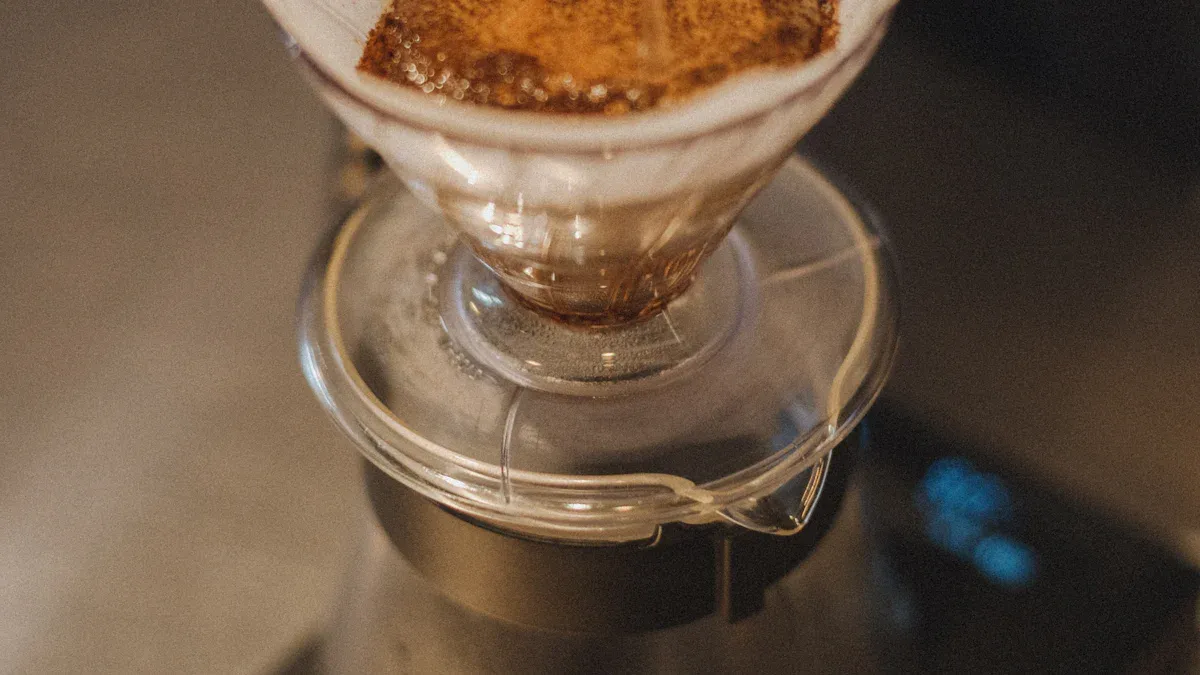
When it comes to the brewing method for coffee, the French Press and Pour-Over techniques each offer unique experiences. If you crave a rich flavor with a full-bodied profile, the French Press might be your go-to brewing method. On the other hand, if you prefer delicate flavor notes and a more controlled brewing process, Pour-Over could be the better choice. Both brewing methods have gained popularity lately, especially as consumers seek high-quality, artisanal coffee experiences at home. The French Press, in particular, appeals to those who appreciate sustainability and the preservation of coffee flavors, making it a favorite across North America and Europe.
Key Takeaways
French Press brewing delivers a bold, full-bodied coffee experience, perfect for those who enjoy rich flavors.
Pour-Over brewing highlights delicate flavor notes, offering a clean and bright cup ideal for lighter roasts.
Choose French Press for a simple, user-friendly process with minimal ongoing costs; it requires less attention during brewing.
Opt for Pour-Over if you appreciate control and precision in brewing, as it allows for a nuanced extraction of flavors.
Both methods can use the same coffee beans, but adjust the grind size: coarser for French Press and medium-fine for Pour-Over.
Flavor
French Press Coffee Flavor
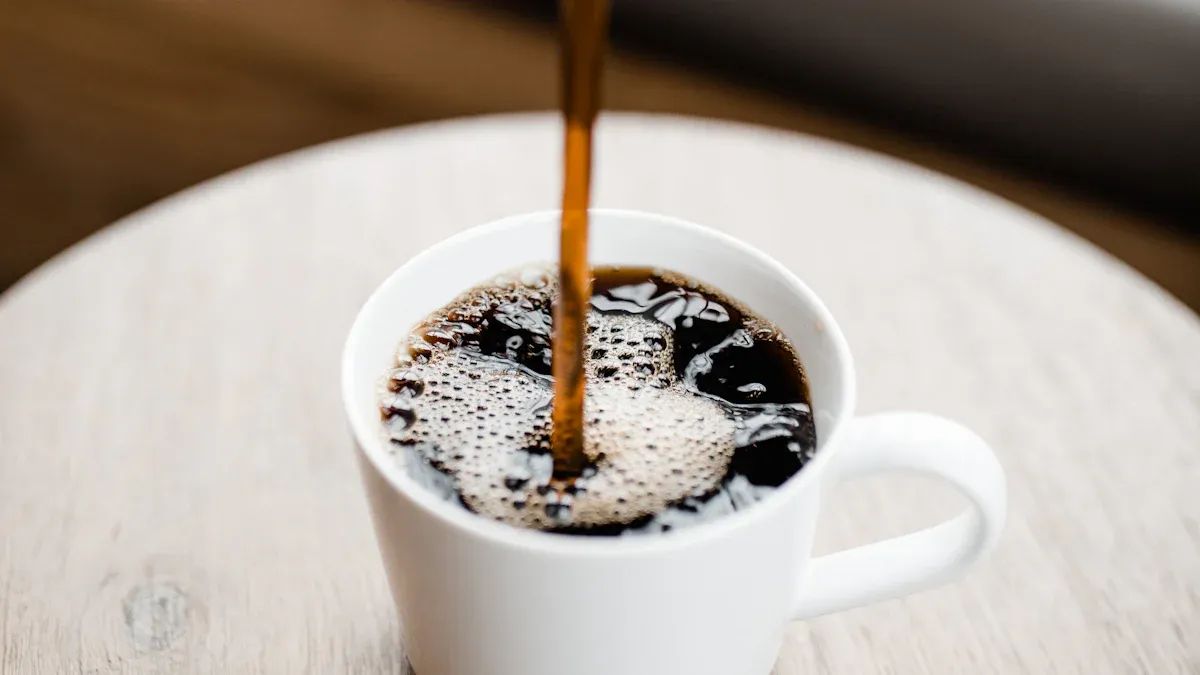
When you brew coffee with a French Press, you get a bold and full-bodied flavor. This method retains the coffee’s natural oils and fine particles, which enhances the richness of each sip. Here are some key characteristics of French Press coffee:
Boldness: The immersion brewing process extracts deep flavors, resulting in a robust cup.
Texture: You’ll notice a rich and creamy mouthfeel, making each sip satisfying.
Acidity: French Press coffee tends to have lower acidity, which can be easier on your stomach.
According to coffee experts, the French Press is known for its ability to produce a heavier body and complex flavor profile. The metal filter allows oils to pass through, enhancing the overall taste experience. This method is perfect for those who enjoy a rich, intense coffee.
Brewing Method | Flavor Characteristics | Texture | Acidity | Body |
|---|---|---|---|---|
French Press | Bold, full-bodied | Rich | Lower | Heavy |
Pour Over Coffee Flavor
Pour-Over coffee offers a different experience. This method allows for a clean and bright cup, highlighting the coffee’s delicate flavor notes. Here’s what you can expect from Pour-Over:
Clarity: The brewing process enhances the clarity of flavors, making it ideal for lighter roasts.
Acidity: You’ll find a higher acidity level, which can bring out fruity and floral notes.
Body: The body is typically light to medium, providing a smooth drinking experience.
Specialty coffee associations often describe Pour-Over coffee with various flavor descriptors. Here’s a quick look:
Flavor Descriptor | Description | Examples |
|---|---|---|
Fruity | Flavors reminiscent of various fruits. | Notes of berry in Ethiopian coffee or citrus in Colombian coffee. |
Floral | Adds fragrance and delicate flavor. | Aromatics akin to jasmine or chamomile in Yemeni or Brazilian coffees. |
Nutty | Ranges from sweet to savory, adding complexity. | Hazelnut or almond notes in Central American coffees. |
Chocolatey | Rich chocolate notes that can be sweet or bittersweet. | Found in Brazilian or Costa Rican coffees. |
Spicy | Creates warmth and depth. | Clove or cinnamon notes in various African coffees. |
Earthy | Imparts a rustic experience. | Woody or herby qualities in Indonesian coffees from Sumatra. |
Savory | Characteristics related to broth or spices. | Umami undertones in some Arabica coffees. |
Brewing Methods
French Press Brewing
Brewing coffee with a French Press is straightforward and rewarding. Here’s how you can do it:
Boil water: Start by boiling fresh water.
Weigh and grind coffee: Measure out your coffee beans and grind them to a coarse consistency.
Combine: Pour the boiling water over the coffee grounds in the French Press.
Wait: Let it steep for about 5 minutes. This immersion brewing allows the coffee to extract its rich flavors.
Stir: Gently stir the mixture to break the crust that forms on top.
Scoop: Remove any foam or floating bits from the surface.
Wait again: Let it steep for another 5 minutes to enhance the flavor.
Plunge: Slowly press the filter down until it reaches the top of the liquid.
Pour and enjoy: Serve your coffee and savor the bold taste!
The immersion brewing method in a French Press creates a unique extraction dynamic. When you first pour water over the grounds, the concentration of coffee solids increases rapidly. This leads to a robust flavor profile that many coffee lovers appreciate.
Pour Over Brewing
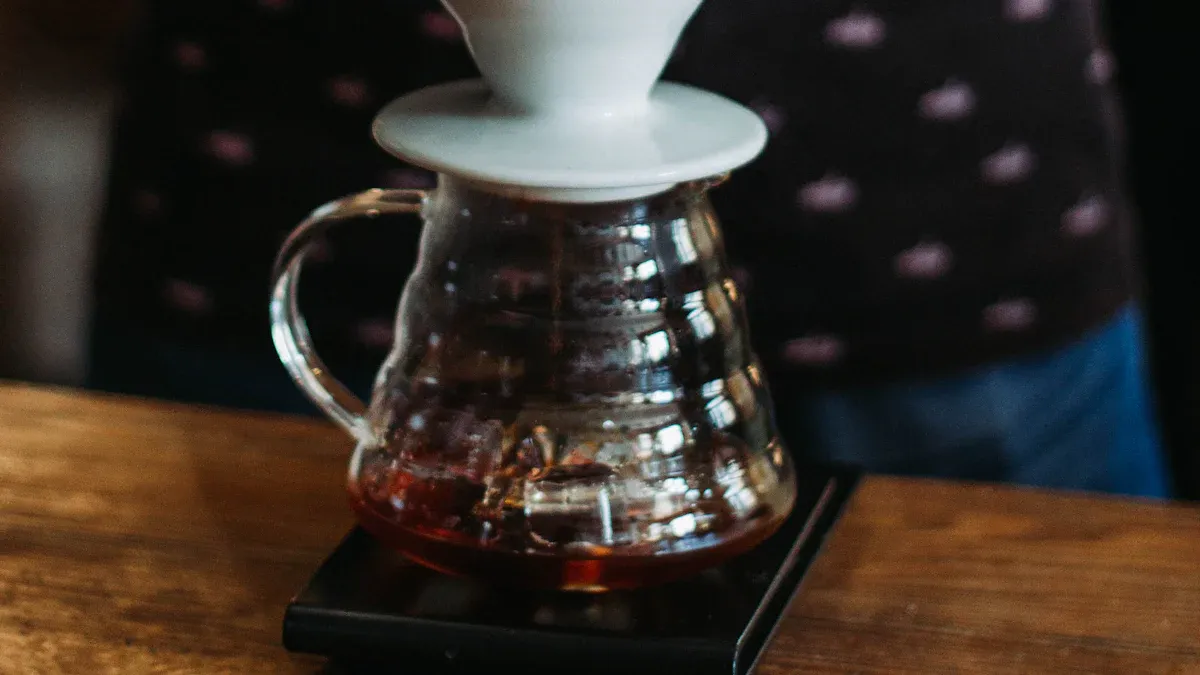
Pour-Over brewing is all about control and precision. Here’s how you can brew a perfect cup:
Prepare your equipment: Set up your pour-over cone and place a filter inside.
Weigh and grind coffee: Measure your coffee and grind it to a medium-fine consistency.
Boil water: Heat fresh water to just below boiling.
Bloom: Pour a small amount of water over the coffee grounds to let them bloom for about 30 seconds. This releases carbon dioxide and enhances flavor.
Pour: Slowly pour the remaining water over the grounds in a circular motion. This controlled pouring helps extract the flavors evenly.
Wait: Allow the coffee to drip through completely.
Serve: Once brewed, pour your coffee into a cup and enjoy!
The controlled pouring technique in Pour-Over brewing significantly affects the extraction and flavor clarity. By adjusting the height and speed of your pour, you can influence how the water interacts with the coffee grounds. This method allows for a cleaner cup, highlighting the delicate notes of your coffee.
Both brewing methods offer unique experiences. The French Press immerses coffee grounds in water, creating a rich and full-bodied flavor. In contrast, Pour-Over allows for a more nuanced extraction, emphasizing clarity and brightness. Depending on your taste preferences, you might find one brewing method suits you better than the other.
Cost Comparison
French Press Cost
When it comes to buying a French Press, you have options at various price points. Here’s a quick look at what you might spend:
Entry-level model: $10 (like the Mr. Coffee press pot)
Mid-range model: $39.99 (such as the Bodum Chambord)
Premium model: $99.95 (for example, the Espro Press P7)
High-end model: $149.99 (like the KitchenAid Precision Press)
While the initial cost can be low, keep in mind that budget presses may cost you more over time. According to field data, these budget models can cost 3.3 times more per year when you factor in replacement carafes and wasted beans from failed brews. So, while you might save upfront, you could end up spending more in the long run.
Pour Over Cost
Pour-Over coffee makers also come in a range of prices. Here’s a breakdown of what you can expect:
Category | Price Range |
|---|---|
Entry-Level | Starting at $20 |
Mid-Range | $50 to $200 |
High-End | Over $500 |
The initial setup for Pour-Over can be moderate compared to the French Press. However, you’ll need to consider ongoing costs for filters. Unlike the French Press, which doesn’t require any consumables, Pour-Over brewing does. Here’s a quick comparison of long-term costs:
Cost Area | Pour-Over | French Press |
|---|---|---|
Initial setup | Moderate | Low |
Filters | Ongoing | None |
Replacement parts | Rare | Rare |
Ease of Use
French Press Experience
Using a French Press is quite simple, making it a favorite for many coffee lovers. Here’s what you can expect:
User-Friendly: The Espro P3 French Press stands out for its ease of use and cleaning. Both beginners and experienced users appreciate it.
Flavorful Coffee: This model produces richer coffee with less residue, which is a big plus.
Design Features: The rubber-rimmed plunger ensures a tight seal, but some users might find it tricky when pressing down.
When you brew with a French Press, the total time from preparation to cleanup averages around 10-15 minutes. The brewing itself takes about 4 minutes, while the rest is for prep and cleanup. This method requires minimal attention once you start brewing, allowing you to multitask while waiting for your coffee.
Pour Over Experience
Pour-Over brewing demands a bit more attention and precision. Here’s how it compares:
Brewing Method | Total Time | Active Time | Attention Level |
|---|---|---|---|
Pour Over | 4-6 minutes | 4-6 minutes | High |
French Press | 10-15 minutes | 2 minutes | Low |
With Pour-Over, you’ll spend about 4-6 minutes brewing, but you need to stay focused during the process. This method requires you to pour water slowly and evenly over the coffee grounds, which can be a bit tricky for beginners. However, once you get the hang of it, you’ll enjoy the control it gives you over the flavor extraction.
Cleanup
Cleaning French Press
Cleaning your French Press is essential for maintaining great coffee flavor. Here’s how to keep it in tip-top shape:
Daily Cleaning:
Toss the used coffee grounds outside or use a strainer to catch them.
Rinse the filter well. This quick process keeps your French Press fresh.
Deeper Cleaning (1-2 times per month):
Soap, Citric Acid, and Hydrogen Peroxide Method: Soak the filter for 4+ hours in a mixture of 2-3 teaspoons of each with 2 cups of warm water, then wash in the dishwasher.
White Vinegar Method: Boil a solution of 1 part vinegar to 3 parts water, soak overnight, and then wash.
Urnex Cleaner Method: Dissolve Urnex in warm water and soak for 30-60 minutes.
Oxiclean Method: Mix 4-5 tablespoons of Oxiclean with hot water and soak for one hour, then wash.
Regular cleaning helps prevent common issues like a stuck plunger, which can happen if you overfill or use too fine a grind. Plus, disposing of used grounds can be messy, but using a compost bin makes it easier!
Cleaning Pour Over
Pour-Over coffee makers are generally easy to clean. Here’s what you need to do:
Ceramic Dripper: Discard the filter and grounds, scrub with soap and warm water, rinse, and air dry. For deeper cleaning, soak in warm water for 20 minutes, scrub, rinse, and air dry. Check if it’s dishwasher safe!
Fellow Stagg X & XF: Use a hard scrubbing brush with soap and warm water to clean. For the glass carafe, use soap, warm water, and a soft scrub brush. To sterilize, add cleaner, fill with hot water, soak for 10-20 minutes, then rinse thoroughly.
If you use cloth filters, rinse and dry them thoroughly. You can use mild detergent if you prefer. Boiling them in fresh water for 10 minutes every six to eight weeks keeps them fresh.
Coffee Maker Type | Ease of Maintenance | Notes |
|---|---|---|
French Press | Moderate | Some models are difficult to clean due to narrow necks. |
Pour-Over | Easy | Features like wide necks and disposable filters simplify cleaning. |
With these simple steps, you can enjoy your coffee without worrying about lingering flavors from previous brews!
In summary, both the French Press and Pour-Over brewing methods have their unique strengths and weaknesses.
French Press:
Strengths: Full-bodied, rich flavor; very simple process; minimal ongoing expenses.
Weaknesses: Can be messy; leaves sediment in the cup; not ideal for large batches.
Pour Over:
Strengths: Clean, bright flavor; quick cleanup; allows for finer grind sizes.
Weaknesses: Requires special filters; demands more attention during brewing.
If you love bold, full-bodied coffee and want a straightforward brewing method, the French Press is your best bet. However, if you appreciate bright flavors and enjoy the brewing ritual, Pour-Over might be the way to go. Choose based on what matters most to you—whether it’s flavor, convenience, or the joy of the brewing process! ☕️
FAQ
What is the difference between French Press coffee and pour over coffee?
French Press coffee offers a bold, full-bodied flavor due to its immersion brewing method. In contrast, pour over coffee highlights delicate flavors and clarity, resulting in a cleaner cup.
How do I choose between French Press and pour over?
If you prefer rich, intense flavors, go for French Press. If you enjoy nuanced, bright notes, pour over is your best bet. Your taste preferences will guide your choice.
Can I use the same coffee beans for both methods?
Absolutely! You can use the same coffee beans for both French Press and pour over. Just adjust the grind size: coarser for French Press and medium-fine for pour over.
How long does it take to brew coffee using each method?
Brewing French Press coffee takes about 10-15 minutes, while pour over typically takes around 4-6 minutes. The French Press requires more steeping time.
Is one method easier to clean than the other?
Yes, pour over coffee makers are generally easier to clean. You just discard the filter and rinse the dripper. French Press requires more effort to clean the filter and plunger.