

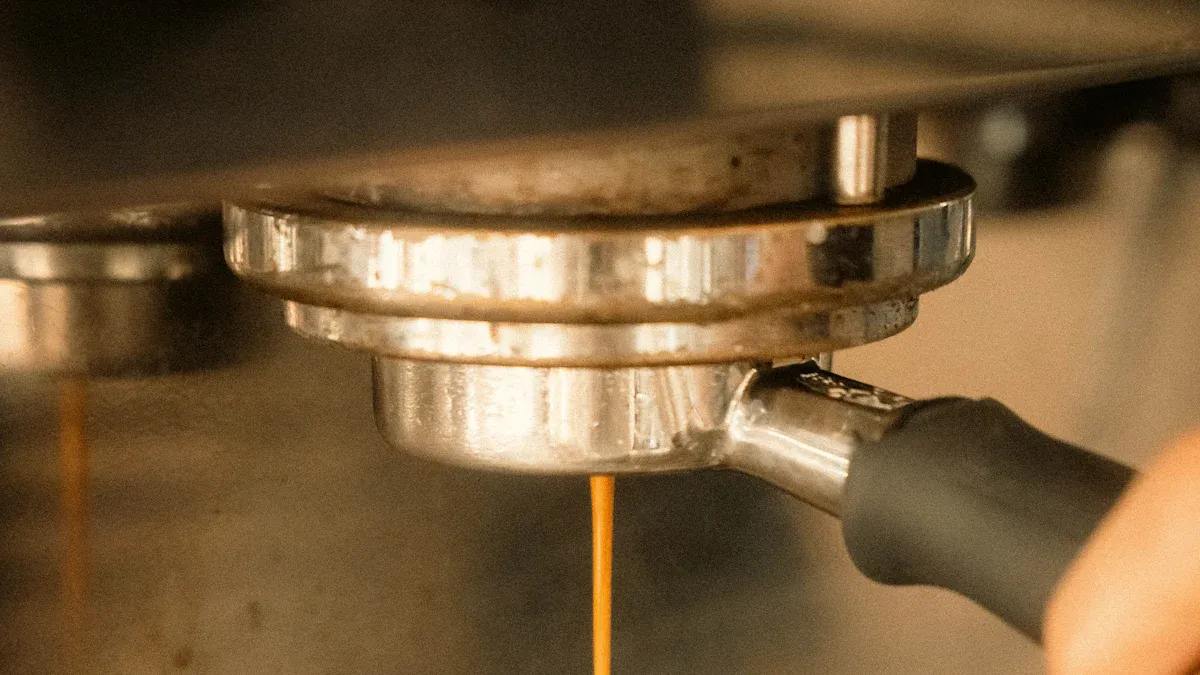
Coffee extraction plays a crucial role in developing the flavors you enjoy in your cup. By mastering the science behind extraction, you can enhance your brewing results significantly. Consider how factors like grind size, water temperature, and brewing methods influence your coffee. For instance, the right water temperature can balance flavors, while adjusting grind size affects extraction speed and overall taste satisfaction. Understanding these variables can lead you to discover your perfect brew.
Key Takeaways
Master the right water temperature for brewing. Aim for 195°F to 205°F to balance flavor extraction without bitterness.
Adjust grind size based on your brewing method. Finer grinds work for espresso, while coarser grinds suit French press for optimal flavor.
Use a coffee-to-water ratio of 1:15 to 1:18. This balance enhances the strength and flavor of your coffee.
Experiment with different brewing methods. Each method affects extraction and flavor, helping you find your perfect cup.
Pay attention to water quality. Use water with essential minerals like calcium and magnesium for the best flavor extraction.
Understanding Coffee Extraction
What is Coffee Extraction
Coffee extraction refers to the process of dissolving flavors from ground coffee beans into water. This process is essential for creating the rich and complex flavors you enjoy in your cup. Here are some key points about coffee extraction:
It involves several steps: water absorption by coffee grinds, mass transfer of soluble compounds into hot water, and separation of the extract from coffee solids.
The extraction process is influenced by parameters such as temperature, time, and grind size. Each of these factors can significantly affect the flavor profile of your brew.
During brewing, water-soluble components like chlorogenic acids, caffeine, and volatile compounds are extracted. These compounds contribute to the overall taste and aroma of the coffee.
Typically, you can expect to extract between 18% and 22% of soluble compounds from coffee grounds during brewing. This percentage indicates the amount of extractable material that dissolves into your beverage.
The Chemistry of Extraction
The chemistry behind coffee extraction is fascinating and complex. Several chemical compounds play a crucial role in developing the flavor of your coffee. Here are some of the main components extracted during brewing:
Aromatic Compounds: These compounds contribute to the enticing aroma of coffee. Around 40 significant aromatic compounds exist, each adding to the overall sensory experience.
Acids: Chlorogenic acid lactones are key contributors to bitterness. These acids come from the predominant polyphenols found in raw coffee beans.
Sugars: Sugars participate in the Maillard reaction, enhancing flavor complexity and sweetness.
Specific Flavor Compounds: Unique compounds like β-damascenone (which tastes like cooked apples), 2-furfurylthiol (sulfury and roasty), and guaiacol (spicy) develop during the roasting process. These compounds add depth to your coffee’s taste profile.
Understanding these chemical processes helps you appreciate how different brewing methods and variables can lead to a balanced extraction. By controlling these factors, you can create a cup of coffee that perfectly suits your taste preferences.
Factors Affecting Extraction
Water Temperature
Water temperature is one of the most critical factors in coffee extraction. The optimal water temperature for brewing coffee ranges from 195°F to 205°F (90°C to 96°C). This range allows for the best extraction of flavors without introducing undesirable bitterness. Here’s how temperature impacts your brew:
Too Hot: If you use water above 205°F, you risk over-extracting bitter compounds. This can lead to a harsh flavor that overshadows the coffee’s natural sweetness.
Too Cold: Water below 195°F can result in under-extraction. This often leads to a sour or flat taste, as the desirable flavors remain trapped in the coffee grounds.
Hot water acts as a more aggressive solvent, quickly extracting oils, acids, and sugars from the coffee grounds. Conversely, cooler water extracts more slowly, which can lead to a weak or unbalanced cup. To achieve a balanced extraction, aim for that sweet spot between 195°F and 205°F.
Grind Size
Grind size significantly influences the extraction process and the final flavor profile of your coffee. Different brewing methods require specific grind sizes to optimize extraction. Here’s a breakdown of how grind size affects your brew:
Brew Method | Grind Size | Extraction Effect |
|---|---|---|
Espresso | Very fine | Faster extraction under high pressure |
French Press | Coarse | Longer steeping time for even extraction |
Pour-over | Medium | Balanced extraction with controlled flow |
Using a grind that is too fine can lead to over-extraction, resulting in bitterness. On the other hand, a grind that is too coarse may cause under-extraction, leading to a weak, watery taste. Adjusting your grind size allows you to fine-tune the coffee’s strength, body, and complexity, making it essential for achieving the best flavor.
Coffee-to-Water Ratio
The coffee-to-water ratio is another key factor in coffee extraction. This ratio determines the strength and flavor of your brew. A standard ratio is between 1:15 and 1:18, meaning for every gram of coffee, you use 15 to 18 grams of water. Here’s how this ratio impacts your coffee:
Higher Ratio (e.g., 1:15): This results in a stronger, roastier taste. It can enhance the body and richness of your coffee.
Lower Ratio (e.g., 1:18): This brings out a brighter, more delicate flavor profile. It allows the subtle notes to shine through.
Adjusting the coffee-to-water ratio can control the strength and shape the flavor development, affecting sweetness, acidity, and body. For instance, pour-over coffee benefits from a specific ratio to enhance its clean and crisp profile, while cold brew often requires a ratio leaning towards 1:8 for a smooth, less acidic flavor.
By understanding these factors that influence coffee extraction, you can experiment with different variables to find the perfect balance for your taste preferences.
Brewing Methods and Coffee Extraction
Drip Coffee
Drip coffee is one of the most popular brewing methods. It uses a percolation process where hot water flows through coffee grounds quickly. This method typically results in a lighter cup of coffee. The filter traps many oils, which can lead to a cleaner taste. The optimal extraction yield for drip coffee ranges from 18% to 22%. This range allows for a balanced flavor profile with distinct notes.
Quick extraction: Water passes through coffee grounds rapidly.
Lighter flavor: Oils are filtered out, leading to a cleaner taste.
French Press
The French press employs an immersion brewing method. You steep coffee grounds in hot water for several minutes. This longer steeping time allows for a fuller body and richer texture. More oils remain in the cup, enhancing the overall flavor. The French press can extract a higher yield, often resulting in a more robust flavor profile.
Longer steeping time: This method allows for deeper extraction.
Fuller body: More oils contribute to a richer taste.
Espresso
Espresso is a unique brewing method that uses high pressure to extract flavors quickly. The ideal extraction time for espresso is between 25 to 30 seconds. This rapid process creates a concentrated shot with a distinct crema on top. The average pressure for espresso extraction is around 8 to 9 bars. If the extraction runs too fast, the shot may taste sour. Conversely, if it runs too slow, it may taste bitter.
High pressure: This method extracts flavors rapidly.
Concentrated flavor: The crema adds a unique texture.
Each brewing method affects coffee extraction differently. Understanding these differences helps you choose the right method for your desired flavor profile. Experimenting with these methods can lead to discovering your perfect cup of coffee.
The Role of Water Quality in Extraction
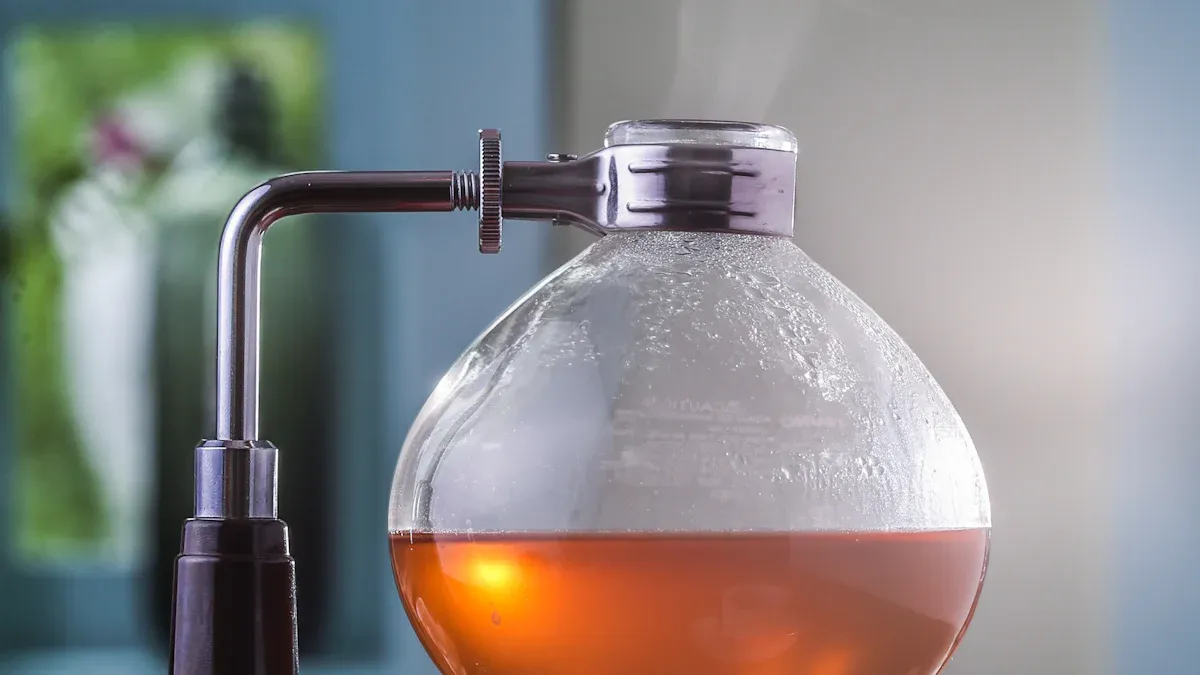
Importance of Water Composition
Water quality plays a vital role in coffee extraction. The minerals in your water can significantly affect the flavor of your brew. Using water with specific mineral ions, such as magnesium and calcium, is essential for effective extraction. These ions penetrate the bean’s cellulose walls, helping to extract compounds that enhance the taste of the coffee. Here are some key minerals to consider:
Calcium: Contributes to a creamy body and mouthfeel.
Magnesium: Enhances sweetness and balances flavor.
Total Dissolved Solids (TDS): Indicates the overall mineral content in water.
General Hardness (GH): Measures calcium and magnesium levels combined.
Carbonate Hardness (KH): Influences buffering capacity and flavor development.
Mineral/Compound | Effect on Coffee Extraction |
|---|---|
Calcium | Contributes to creamy body and mouthfeel |
Magnesium | Enhances sweetness and balances flavor |
Total Dissolved Solids (TDS) | Less relevant up to a certain degree |
General Hardness (GH) | Combined measurement of calcium and magnesium |
Carbonate Hardness (KH) | Influences buffering capacity and flavor development |
How Water Affects Flavor
The hardness or softness of your water can also impact the extraction of flavor compounds from coffee grounds. Hard water can lead to high extraction levels, resulting in bitter and muddy flavors. Conversely, soft water may produce a lighter body and sharper acidity, which can sometimes taste sour. Here are some effects of water quality on flavor:
Hard water can create a thicker, chalky texture.
Soft water may lead to a flat taste.
Distilled water lacks essential minerals, which can hinder flavor extraction.
To achieve the best flavor, aim for water that meets recommended quality standards. For instance, specialty coffee organizations suggest a TDS of 75-250 ppm, with an optimal target of 150 ppm. This balance helps ensure that your coffee extraction yields the best possible flavor profile.
By paying attention to water quality, you can elevate your coffee experience. Experiment with different water sources to find the one that brings out the best in your brew.
Practical Tips for Optimal Coffee Extraction
Experimenting with Variables
To achieve the best flavor in your coffee, you should experiment with various brewing variables. Here are some practical steps you can take:
Grinding and Sifting: Use a grinder with a built-in sifter. Grind 15g of coffee to 800 µm and sift out 1g of fines (particles smaller than 300 µm).
First Extraction: Brew the 14g of coarser coffee with water at 94°C for 1:40 minutes. This method extracts acids and sweetness without over-extracting the fines.
Reintroducing Fines: After 1:40 minutes, add back the 1g of fines when the water temperature drops to 85–88°C. This minimizes bitterness while extracting desirable compounds.
Research shows that particle size significantly impacts flavor balance. Smaller particles extract faster due to their larger surface area, while coarser particles require more time to release solubles. This difference often leads to uneven extraction in traditional brewing methods.
Tools and Equipment Recommendations
Using the right tools can enhance your coffee extraction process. Here are some recommended tools that coffee professionals trust:
Tool/Equipment | Description |
|---|---|
Subliminal Flick Espresso Tool | Helps break up clumpy coffee and aids in distribution for better extraction. |
Barista Hustle Autocomb | Designed for consistent tamping and even extraction by homogenizing coffee mass. |
Weber Blind Shaker | Reduces static buildup in coffee grounds and helps prevent channeling. |
Baratza Single Dose Hopper | Allows for precise measurement of coffee beans for brewing, enhancing consistency. |
Precision Scale | Essential for accurate measurement of coffee and water, ensuring consistent brewing results across various methods. |
Using precise measurement tools, such as digital scales and thermometers, can significantly improve your coffee extraction quality. These tools allow you to make precise adjustments in brewing techniques and ratios. You can replicate your favorite brews consistently, ensuring each cup meets the same quality standards. Accurate measurements also enable you to experiment with different brewing methods and recipes, tracking your progress over time.
By experimenting with variables and using the right tools, you can optimize extraction and yield a cup of coffee that perfectly suits your taste.
Understanding coffee extraction is essential for achieving optimal flavor in your brew. You learned how factors like water temperature, grind size, and coffee-to-water ratio impact your coffee’s taste. Experimenting with these variables can lead to a more satisfying cup.
Here are some key takeaways to remember:
Key Variable | Recommendation |
|---|---|
Pouring height | Approximately 30 centimeters (12 inches) |
Flow control | A steady, laminar stream to avoid splashing |
Brew time | Between 2.5 and 4 minutes for optimal extraction |
Coffee usage | Reduce by 10% and adjust based on flavor profile |
Try different methods and measurements to discover your perfect cup of coffee! ☕️
FAQ
What is the best water temperature for brewing coffee?
The ideal water temperature for brewing coffee ranges from 195°F to 205°F (90°C to 96°C). This range helps extract flavors without introducing bitterness.
How does grind size affect coffee flavor?
Grind size impacts extraction speed. Finer grinds extract flavors quickly, while coarser grinds take longer. Adjusting grind size helps you achieve the desired strength and taste.
What is the ideal coffee-to-water ratio?
A standard coffee-to-water ratio is between 1:15 and 1:18. This means for every gram of coffee, use 15 to 18 grams of water to balance strength and flavor.
Can I reuse coffee grounds?
You can reuse coffee grounds, but the flavor will be weaker. Most of the soluble compounds extract during the first brew. Consider using them for other purposes, like composting.
How does water quality affect coffee extraction?
Water quality significantly influences flavor. Minerals like calcium and magnesium enhance extraction. Poor-quality water can lead to undesirable tastes, so use filtered or bottled water for the best results.
