

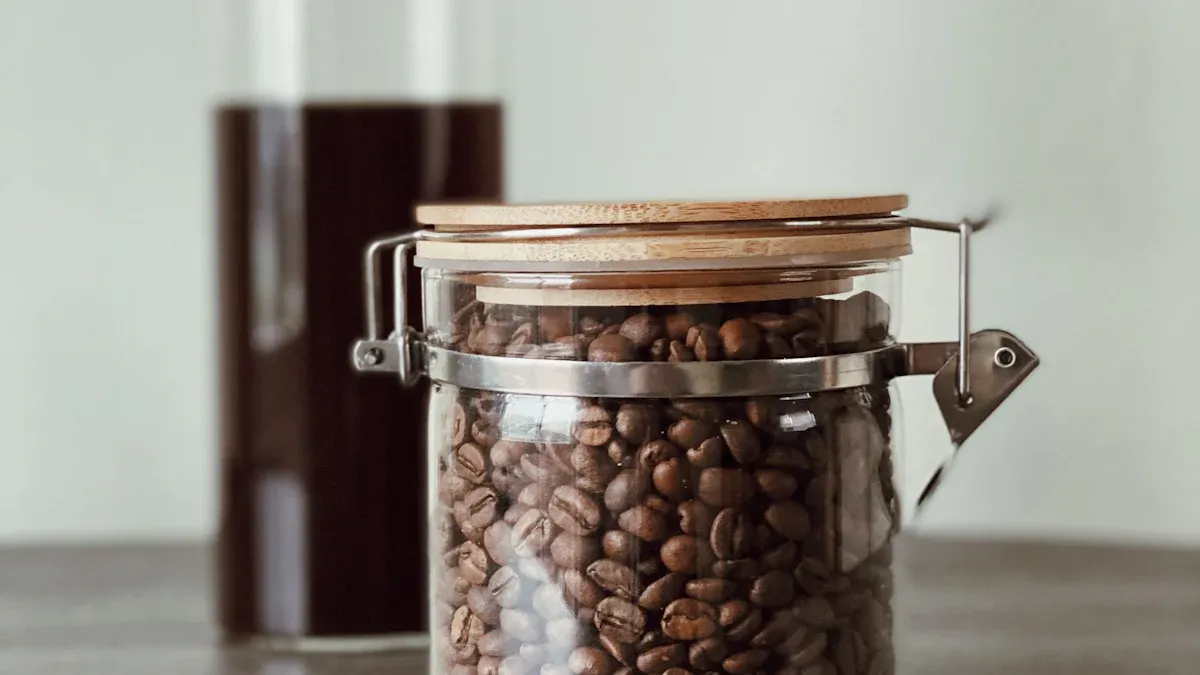
Fresh coffee makes your morning brighter. Properly storing your coffee beans can really boost their flavor. Unfortunately, many people make mistakes that can ruin that fresh taste. For example, if you don’t store coffee beans in a stable environment, fluctuating temperatures can dry them out. Traditional jute bags provide minimal protection, while modern packaging can help preserve quality. To keep your coffee fresh, you need to avoid the enemies of freshness: light, air, moisture, and temperature. Remember, how you store coffee beans is crucial for maintaining their delicious taste.
Key Takeaways
Use airtight containers to block oxygen and prevent coffee from going stale.
Store coffee beans in a cool, dark place to protect them from light and heat damage.
Buy smaller quantities of coffee to maintain freshness and enhance flavor.
Avoid storing coffee in the fridge, as it can introduce unwanted moisture.
Consume opened coffee within a few weeks for the best taste and aroma.
Enemies of Freshness
When it comes to coffee, several factors can compromise its freshness and flavor. Understanding these enemies is crucial for maintaining that delightful taste you love. Let’s break down each one.
Light
Light, especially sunlight, can be a significant enemy of coffee freshness. Exposure to light accelerates the breakdown of flavor compounds in coffee beans. This process can lead to stale and bitter flavors. To protect your coffee, always store it in opaque containers that block out light. Remember, even the original packaging may not provide enough protection if it’s transparent.
Air
Air is another major culprit in the battle for coffee freshness. When coffee beans come into contact with oxygen, they begin to oxidize. This oxidation process leads to stale flavors and diminishes the aromatic qualities of your coffee. In fact, coffee stored in airtight conditions has a significantly slower staling rate compared to beans left exposed to air. To keep your coffee tasting fresh, use airtight containers. This simple step can help preserve the natural oils and flavors that make your coffee enjoyable.
Tip: After opening a bag of coffee, try to consume it within a few weeks. The longer it sits exposed to air, the more flavor it loses.
Moisture
Moisture is a sneaky enemy that can ruin your coffee beans. High humidity levels can lead to mold growth, which not only affects flavor but can also pose health risks. Green coffee beans should maintain an optimal moisture content between 10-12%. If they absorb excess moisture, they become vulnerable to spoilage. To avoid this, store your coffee in a cool, dry place. Keeping relative humidity below 60% is essential for preserving quality.
Metric | Observation |
|---|---|
Moisture Content | High moisture content can lead to reduced shelf life and quality of coffee. |
Water Activity | Optimal range for storage is 0.45-0.55 aw to maintain quality for 6-8 months. |
Storage Conditions | Relative humidity around 49% and stable temperatures are essential for longevity. |
Temperature
Temperature plays a critical role in the freshness of your coffee. Fluctuating temperatures can cause condensation, which introduces moisture to your beans. Ideally, you should store coffee at a consistent temperature between 60-70°F. Higher temperatures can accelerate the loss of volatile compounds, leading to a decline in flavor. For instance, temperatures above 122°F can dry out coffee powders, while temperatures around 289°F can decompose essential oils.
Temperature Range (°C) | Effect on Coffee Beans |
|---|---|
122 – 186 | Drying of coffee powders and desorption of water |
289 – 292 | Decomposition of polysaccharides and lipids |
461 – 483 | Decomposition of amino acids and proteins |
By keeping your coffee away from heat sources and maintaining a stable environment, you can significantly enhance its shelf life and flavor profile.
How to Store Coffee Beans
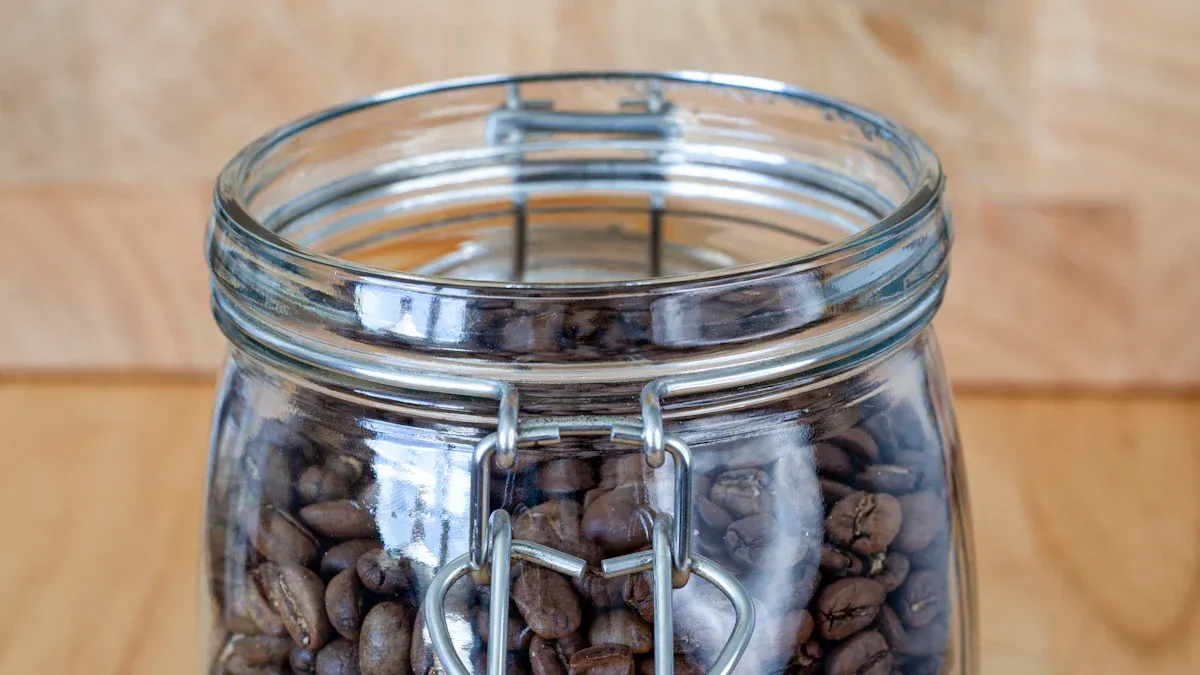
Storing coffee beans properly can make a world of difference in flavor and freshness. Here are some effective methods to keep your coffee tasting its best.
Airtight Containers
Using an airtight container is one of the best ways to store coffee beans. These containers prevent air from getting in, which helps maintain the beans’ flavor and aroma. Laboratory tests show that airtight containers significantly reduce the presence of oxygen, acidity, and peroxides, all of which can compromise freshness.
Test Type | Parameters Monitored | Findings |
|---|---|---|
Chemical Analysis | Oxygen presence, acidity, peroxides | Monitored levels should be undetectable or very low for ideal storage conditions. |
Sensory Analysis | Taste characteristics in the cup | Evaluated balance of bitter, acidic, and sweet tastes; insufficient preservation leads to rancidness and loss of complexity. |
Comparison Method | Composite cans vs. tinplate cans | Composite cans were found to be as effective as tinplate containers for preserving coffee. |
When you choose an airtight container, look for options made from materials like ceramic, stainless steel, or food-grade metal. These materials block light and air, ensuring your coffee stays fresh longer.
Dark Storage Locations
Light exposure can degrade coffee quality over time. To keep your coffee beans fresh, store them in a dark location. Avoid transparent containers, as they allow light to penetrate. Instead, opt for opaque containers that shield your beans from harmful UV rays.
Here are some reasons why dark storage is essential:
Light exposure significantly degrades coffee beans, affecting freshness, flavor, and aroma.
Opaque containers provide the best protection against light-induced degradation.
Prolonged storage of coffee leads to a distinct decrease in quality, diminishing the aroma potential of the beans.
Avoiding the Fridge
You might think that storing coffee beans in the fridge is a good idea, but it can actually do more harm than good. Coffee beans are hygroscopic, meaning they absorb moisture from the air. The fridge can introduce unwanted humidity, leading to mold growth and a loss of flavor.
Instead, keep your coffee at room temperature in an airtight container. This method preserves the aroma and taste much better than refrigeration. Remember, the goal is to create a stable environment for your coffee beans, free from moisture and temperature fluctuations.
Tip: If you buy coffee in bulk, consider dividing it into smaller portions. Store the portion you’re currently using in an airtight container, while keeping the rest sealed in its original packaging until you need it.
By following these storage tips, you can ensure that your coffee beans stay fresh and flavorful for as long as possible.
Purchase in Smaller Quantities
Buying coffee in smaller quantities can be a game-changer for your brewing experience. Not only does it help maintain freshness, but it also enhances the overall flavor of your coffee. Let’s dive into the benefits of purchasing smaller batches and how often you should consider restocking.
Benefits of Smaller Batches
When you opt for smaller amounts of coffee, you enjoy several advantages:
Freshness and Flavor: Smaller quantities help keep your coffee fresh and flavorful. Coffee is best enjoyed within a few weeks after roasting, so buying less at a time aligns perfectly with this timeline.
Reduced Staling: Long-term storage can lead to staling, which diminishes the taste. By purchasing smaller amounts, you minimize exposure to elements like oxygen, moisture, heat, and light that cause staling.
Better Quality: You’ll notice a difference in quality. Smaller batch purchases ensure that you use your coffee while it’s still fresh, retaining its aromatic richness and flavor consistency.
Tip: Aim to buy enough coffee for about 2-3 weeks. This way, you can enjoy your coffee at its peak freshness without worrying about waste.
Frequency of Purchase
How often should you buy coffee? The answer depends on your consumption habits, but here are some guidelines to consider:
Regular Shopping: More frequent trips to the store can lead to a more enjoyable brewing experience. You’ll always have fresh coffee on hand, which enhances your daily ritual.
Avoiding Waste: By purchasing smaller quantities, you reduce the chances of wasting stale beans. This habit ensures that you always have high-quality coffee ready to brew.
Personal Preference: If you find yourself running low on coffee every couple of weeks, it’s a good sign that you should adjust your purchasing habits. Listen to your coffee consumption patterns and adapt accordingly.
Coffee Storage FAQs
Can You Freeze Coffee Beans?
Yes, you can freeze coffee beans! Freezing can be an effective way to store them for the long term. Just remember to use airtight containers. This prevents moisture and odors from ruining your coffee’s flavor. Experts agree that freezing unopened bags can slow down chemical degradation significantly.
When you freeze coffee beans properly, they can maintain their flavor and aroma for longer periods. Here are some benefits of freezing:
Freezing slows down the oxidation process, keeping your coffee fresh.
Cold temperatures reduce the escape of volatile compounds, which are essential for aroma and flavor.
Grinding frozen beans can lead to a more uniform particle size, improving extraction consistency.
However, be cautious when thawing. If you expose the beans to air, moisture can seep in, leading to staling. So, avoid repeated thawing and refreezing.
How Long Do Beans Last at Room Temperature?
When stored correctly, coffee beans can last for several months at room temperature. Here’s what you need to know:
Unopened roasted coffee beans can stay fresh for several months if kept in a cool, dry place.
Ground coffee also maintains its freshness for months when sealed properly.
To maximize freshness, consider these factors that affect staling:
Oxygen: Reducing oxygen levels can significantly increase shelf life. Vacuum-packed coffee stales five times slower than air-packed beans.
Moisture: Coffee absorbs moisture, which can create rancid flavors. Airtight storage is essential to prevent this.
Heat: Higher temperatures speed up staling reactions. Every 10°C increase nearly doubles the rate at which coffee loses its freshness.
Light: Exposure to light can degrade aroma and flavor. Always use opaque containers to protect your beans.
By following these tips, you can enjoy your coffee at its best for longer!
To enjoy the best coffee experience, proper storage is key. Here are the main takeaways:
Use airtight containers to keep oxygen out and prevent oxidation.
Store beans in a cool, dark place to avoid light and heat damage.
Buy smaller quantities to ensure freshness and flavor.
By following these tips, you can preserve the rich aroma and taste of your coffee. Remember, the right storage methods can make all the difference in your daily brew. So, start implementing these strategies today for a fresher, more flavorful cup!
