
Yes and no. Coffee and espresso beans often come from the same plant species, yet roast level, grind size, blend design, and brewing pressure create distinct results. Espresso requires more body, lower perceived acidity, and a crema that holds under high pressure. Drip or pour-over coffee favors brighter acidity and lighter body, producing a very different cup.
Are Coffee Beans and Espresso Beans Different?
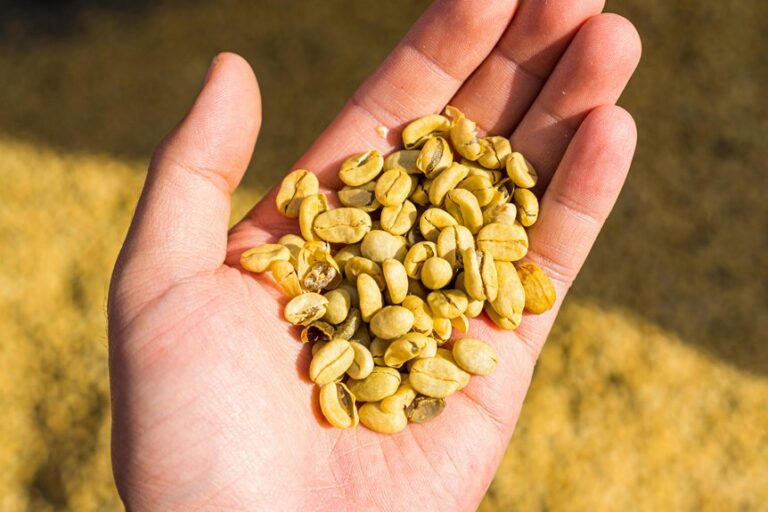
Not really—coffee beans and espresso beans come from the same coffee plant, usually Arabica or sturdy, and both are simply seeds from the coffee cherry. You’re seeing a distinction shaped more through processing than through biology. No separate species exists, despite common origin myths and marketing labels that make espresso sound like a different bean.
Roasters and sellers often use “espresso” to signal beans chosen for pressure brewing, where extraction needs a different balance of solubility and body. That means you can brew many coffee beans as espresso, and you can use espresso-labeled beans in other methods. The real question isn’t what the bean is, but how it’s prepared, so you can choose confidently and feel at home in the cup.
Coffee Beans vs Espresso Beans Roast Level
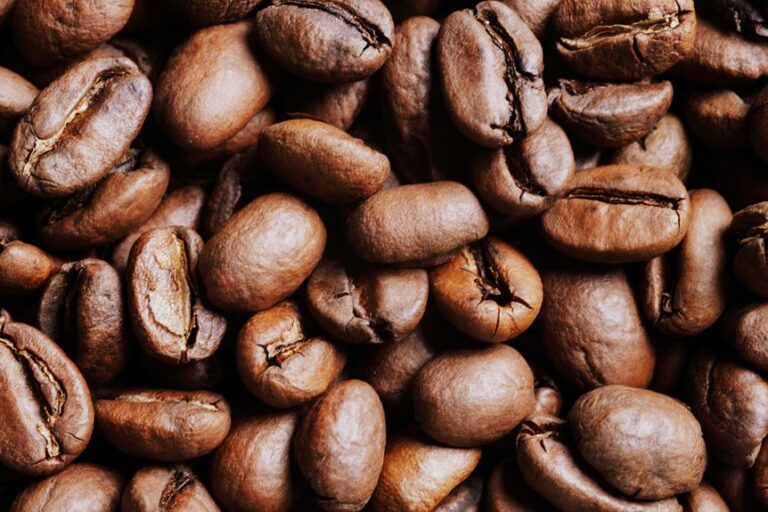
As you compare coffee beans and espresso beans in roast level, the biggest difference is usually intensity: espresso beans are typically roasted darker, often past second crack, while coffee beans for filter methods tend to stay light to medium-dark. Darker roasts shift roast chemistry, lowering acidity and increasing surface oils, which helps espresso stand up to pressure brewing. You can use this quick guide:| Bean type | Typical roast | Best fit |
| — | — | — |
|---|---|---|
| Espresso | Dark | Pressure shots |
| Coffee | Light | Pour-over |
| Coffee | Medium | Drip |
| Espresso | Medium-dark | Moka pot |
| Both | Flexible | Sensory training |
If you’re building belonging in your coffee routine, this distinction helps you choose confidently. Roast level shapes structure, not identity, and you can trust your palate to learn the difference.
How Coffee and Espresso Beans Taste
You’ll notice that coffee beans and espresso beans can come from the same Arabica or Robusta seed, but they taste different because roasting changes the profile.
A darker espresso roast usually gives you a bolder, less acidic, more full-bodied cup, while lighter coffee roasts keep more origin-specific acidity and subtlety.
In practice, roast level shapes whether you taste sharp, aromatic complexity or heavy, concentrated strength.
Flavor Profiles Compared
Espresso beans and coffee beans can come from the same Arabica or sturdy seeds, but they usually taste different because roast level and brewing method shape the cup.
Whenever you taste them, you’ll notice espresso often feels denser, more bitter-sweet, and less bright, while drip coffee can show origin terroir, floral notes, and clearer acidity.
Your palate gets a fuller body in espresso because pressure pulls oils and dissolved solids quickly.
- Espresso: rich, concentrated, crema-topped
- Filter coffee: lighter, more aromatic
- Pairing suggestions: chocolate, nuts, citrus
You can still swap them, yet the cup won’t land the same.
Should you want a familiar crowd-pleaser, choose espresso for intensity and coffee for subtlety.
That way, you’ll match flavor to mood with confidence.
Roast Impact On Taste
Roast level plays a major role in how coffee and espresso beans taste, often more than the bean type itself. You’ll notice lighter roasts preserve origin compounds, so your cup can taste bright, floral, and more acidic. Darker roasts drive off acidity, deepen body, and create the bold, smoky profile you expect from espresso. Sensory training helps you detect these shifts with confidence.
| Roast | Taste effect |
|---|---|
| Light | Brighter, fruitier |
| Medium | Balanced, rounded |
| Medium-dark | Deeper, sweeter |
| Dark | Bold, oily |
| Espresso roast | Dense, low-acid |
When you compare them side to side, you’ll see espresso often feels heavier and more concentrated, while coffee brewed from lighter beans keeps sharper subtlety. That difference helps you choose with clarity and feel at home in your cup.
Coffee Beans vs Espresso Beans Grind Size
Grind size is one of the biggest practical differences between coffee and espresso brewing, because each method needs a different particle size for proper extraction.
You’ll usually grind espresso much finer, so water meets more surface area under pressure.
For drip or pour-over, you need a coarser grind that slows extraction and avoids harshness.
Should you switch methods, adjust carefully:
- Fine grinds pack tightly and can increase grind retention in your grinder.
- Coarser grinds flow more evenly through filter brews.
- Match tamp pressure to espresso, not coffee, because compression changes resistance.
You belong to the same coffee community either way, but precision helps you get balanced flavor.
Whenever the grind matches the brew, you’ll taste clearer sweetness, cleaner body, and fewer bitter notes.
Best Brewing Methods for Each Bean Type
For the best results, match the brewing method to the bean style you’re using.
In the event you choose espresso-style beans, a pressure machine gives you the dense, crema-topped shot they’re built for. Their darker roast and fine grind handle rapid extraction well, so you get a bold, cohesive cup that feels right in your routine.
Should you use standard coffee beans, you’ll usually get better balance with drip, pour-over, French press, or Cold brew. Those methods let lighter roasts show their origin notes and cleaner acidity.
You can still brew espresso beans in a French press, but the cup could taste heavier and less subtle. Matching method to roast helps you achieve the flavor profile you want.
Caffeine in Coffee Beans vs Espresso Beans
Whenever you compare caffeine in coffee beans and espresso beans, bear in mind that there isn’t a separate bean type, just different roast and brew choices.
Darker espresso roasts can lower caffeine slightly per bean weight, but brewing method matters more: espresso is more concentrated per ounce, whereas drip coffee usually delivers more total caffeine in a larger serving.
Should you be tracking intake, you should look at bean count, roast level, and cup size together.
Caffeine Content Per Bean
At the bean level, there isn’t a built-in caffeine gap between coffee beans and espresso beans, because both come from the same Arabica or hardy seeds; the difference comes from roast and use. You’ll find bean caffeine mainly shaped by species and seed variability, not the label on the bag. A Robusta bean usually carries more caffeine than an Arabica bean, whether you brew it as espresso or drip.
- One bean can’t tell you the whole story; origin matters.
- Your blend might raise or lower caffeine per bean.
- The brewing method changes dose, not the seed’s basic chemistry.
Roast Level And Caffeine
Roast level can slightly change caffeine in your cup, even though it doesn’t create a separate “espresso bean” category. You’ll usually see espresso roasted darker, often as dark roast, because roast development pushes out harsher acids and builds a fuller profile.
That longer heat exposure causes a small caffeine loss, but not enough to turn coffee into a different bean type. Should you choose a lighter roast, you’ll keep more origin acidity and a brighter character, while darker roasts taste smoother and less sharp.
For your routine, that means caffeine varies more via bean species and serving size than through roast alone. You belong with either style; just expect roast to shape flavor more than caffeine.
Brewing Impact On Caffeine
Even though espresso shots often taste stronger, they usually don’t contain more caffeine than a full cup of drip coffee because brewing method and serving size matter more than the bean label. You get more caffeine whenever water stays in contact with grounds longer, so extraction time shapes the final dose. Espresso uses a short, intense pull, which concentrates caffeine in a small shot.
Drip coffee, in contrast, extracts caffeine across more water and a larger serving size, so your mug often delivers more total caffeine.
- Short shots feel stronger, but not always larger in caffeine.
- Bigger cups usually mean more total caffeine.
- Your brewing choice changes concentration and intake.
What Beans Make the Best Espresso Shots?
The best beans for espresso shots are usually those roasted for espresso brewing: typically an Arabica or Sturdy blend roasted darker, often past second crack, to create the bold, low-acid, full-bodied profile espresso is known for.
You’ll usually get the most balanced shot from beans that can handle high pressure without tasting sharp or thin.
Many espresso drinkers prefer a blend because it delivers consistency, but a single origin can shine whenever you want distinct character.
Prioritize bean freshness, too, because stale beans lose crema and depth fast.
Darker roasting also brings out the oils that help build body and richness.
Should you desire shots that feel familiar, bold, and smooth, choose beans designed for espresso extraction and trust your palate.
How to Choose Beans for Espresso or Drip Coffee
Picking beans for espresso or drip coffee comes down to matching roast level, grind, and brew method to the flavor profile you want.
For espresso, choose a darker origin roast and grind it fine so pressure extracts body, crema, and bold intensity.
For drip coffee, choose beans that keep more origin clarity, usually light to medium-dark, and grind medium.
Prioritize bean freshness, because stale beans flatten both sweetness and aroma.
- Espresso: darker roast, fine grind, lower acidity
- Drip: lighter roast, medium grind, brighter notes
- Match the bean to your brewer, not your habit
You’ll get better results whenever you align extraction with taste goals.
That’s how you brew confidently and belong among people who value precision.