
Coffee varietals play a crucial role in shaping the flavors you enjoy in your cup. With around 60-70% of global coffee production attributed to Arabica alone, the diversity among coffee varieties introduces a rich spectrum of tastes. Each varietal offers unique flavor profiles influenced by factors like terroir and processing methods. For instance, higher altitude beans often bring vibrant acidity, while lower elevation ones may deliver a fuller body. Understanding these differences can enhance your coffee experience, making each sip a delightful adventure.
Arabica Varieties
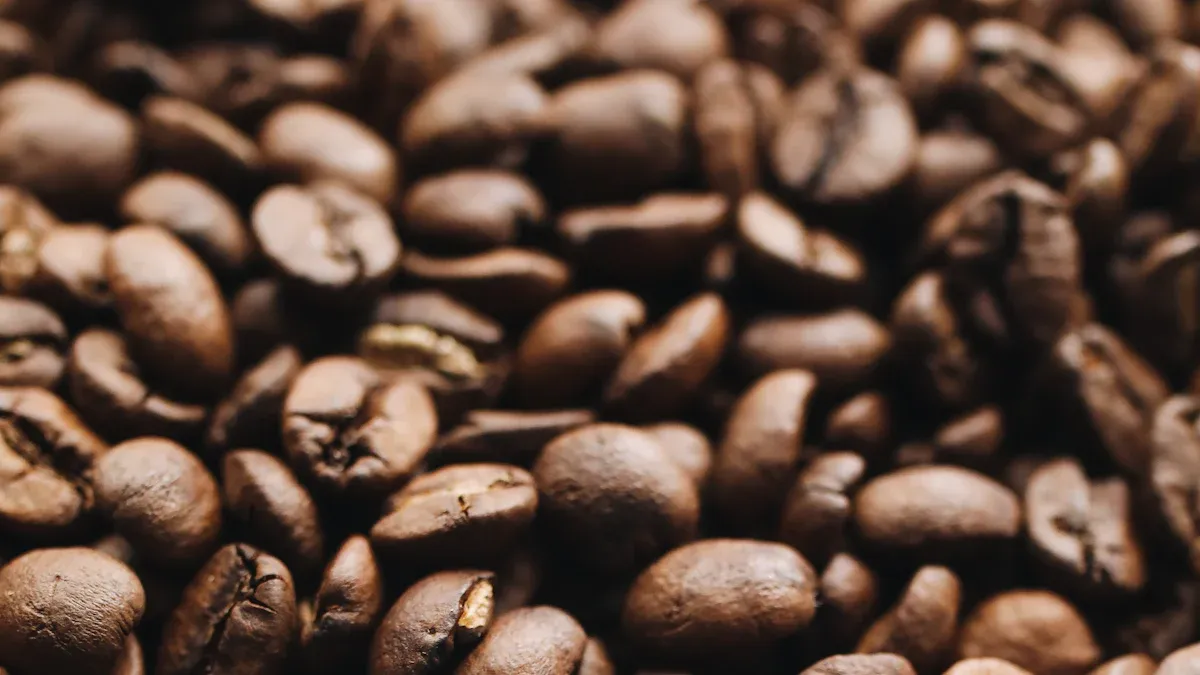
Origin and Growing Conditions
Arabica coffee thrives in specific conditions that enhance its unique qualities. You’ll find these beans primarily in regions like Colombia, Brazil, Guatemala, Honduras, and Costa Rica. Arabica plants prefer cooler temperatures, especially at high altitudes. Here’s why:
They grow best in temperatures below 75°F (24°C).
Cooler climates allow coffee cherries to mature slowly, which improves flavor quality.
High-altitude areas have well-draining soils, reducing the risk of root rot.
These factors contribute to the complex flavor profiles that Arabica coffee is known for.
Flavor Profile
When you sip Arabica coffee, expect a delightful experience. This varietal is famous for its sweet taste and high acidity, which creates a bright and vibrant character. Compared to Robusta, which has a bitter flavor, Arabica offers a more refined taste. Here’s a quick look at some popular Arabica varieties and their flavor profiles:
Variety | Genetic Origin | Flavor Profile | Notable Traits |
|---|---|---|---|
Pacamara | El Salvador | Bright acidity with tropical fruit and chocolate | Unusually large beans, often used in competitions for its complex flavors. |
Geisha | Ethiopia | Intensely floral with citrus and berry notes | Known for exceptional quality and limited yields. |
Typica | Ethiopia | Clean lemon-like acidity with a sweet finish | Progenitor of many Arabica varietals, base for classics like Jamaican Blue Mountain. |
Bourbon | Réunion Island | Sweet with delicate, fruit-like acidity | Foundational varietal with several well-known subtypes. |
Selecting Quality Beans
Choosing the right Arabica beans can elevate your coffee experience. Here are some criteria to consider:
Criteria | Description |
|---|---|
Acidity | Measured on a scale from 1 to 10; good acidity gives a bright and vibrant character. |
Sweetness | Balances acidity and adds complexity; influenced by natural sugar content (6-9% by weight). |
Body | Describes the weight or thickness of coffee on the palate; correlated with dissolved solids. |
Uniformity | Ensures every cup within a batch tastes the same. |
Cleanliness | Absence of off-flavors indicating defects or poor processing. |
By focusing on these aspects, you can enjoy the complex flavors that Arabica varieties have to offer.
Robusta Varieties
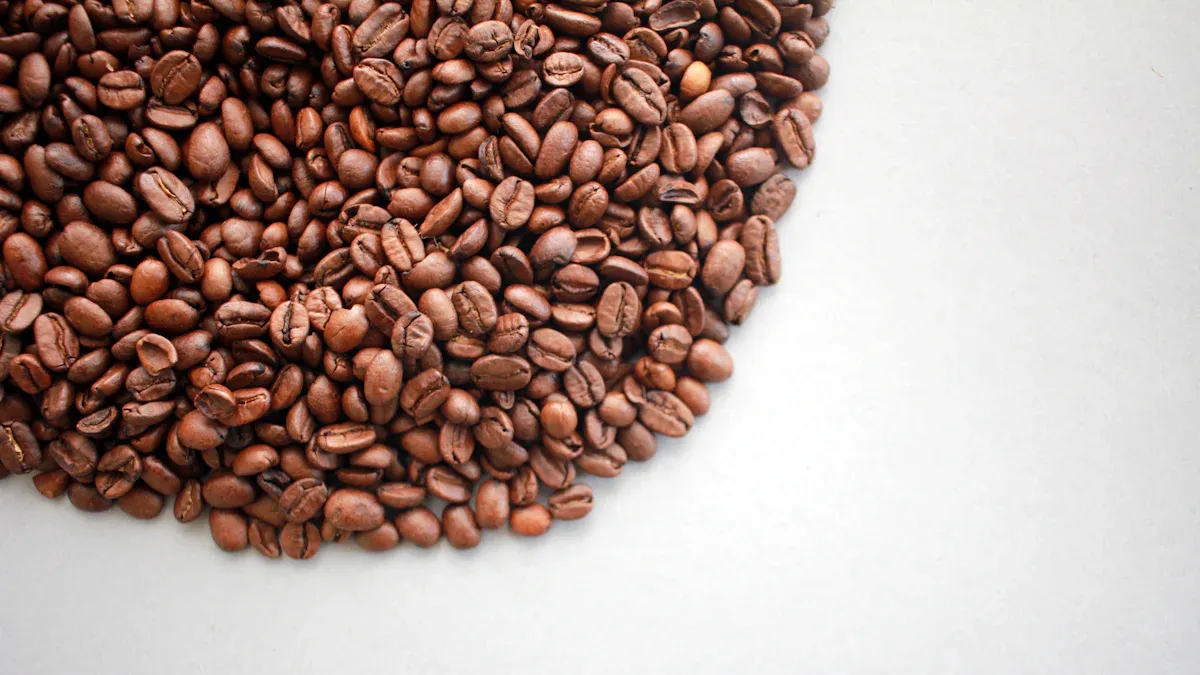
Origin and Growing Conditions
Robusta coffee thrives in various climates, making it a popular choice among farmers. You’ll find the main producers in countries like Vietnam, Brazil, Indonesia, Uganda, India, and Ivory Coast. Together, these regions account for about 95% of global production. Robusta plants prefer high levels of rainfall and can grow well at lower elevations, typically between 200 to 800 meters above sea level. This adaptability allows them to yield high crops with less maintenance compared to Arabica.
However, Robusta plants do face challenges. They are sensitive to temperature, with yields dropping when temperatures exceed 20.5 degrees Celsius. Additionally, pests and diseases can threaten their growth. Despite these issues, Robusta remains resilient and continues to gain popularity.
Flavor Profile
When you taste Robusta coffee, expect bold and earthy flavors. This varietal often has a bitter edge, which sets it apart from the smoother, sweeter notes of Arabica. Here’s a quick comparison of the flavor profiles:
Coffee Type | Flavor Profile | Key Chemical Compounds |
|---|---|---|
Robusta | Bold, earthy, bitter | Higher levels of chlorogenic acids |
Arabica | Smooth, sweet, floral, fruity | Higher concentrations of sugars and oils |
The higher levels of chlorogenic acids in Robusta contribute to its distinctive taste. This coffee varietal is perfect for those who enjoy a strong cup with a punch.
Selecting Quality Beans
Choosing high-quality Robusta beans can enhance your coffee experience. Here are some key indicators to look for:
Appearance: Look for uniform size and shape, glossy surfaces, and no damage.
Color: Consistent color is crucial; variations may indicate improper roasting.
Defects: Check for chips or cracks, as these can negatively impact flavor.
Aroma: A strong, rich aroma indicates freshness, while a flat scent suggests staleness.
Flavor Profile: Quality Robusta beans should have an intense, earthy aroma.
By focusing on these aspects, you can enjoy the robust flavors that Robusta varieties have to offer.
Liberica Coffee
Origin and Growing Conditions
Liberica coffee is quite unique and not as widely known as Arabica or Robusta. You’ll primarily find it in the Philippines, Malaysia, and parts of West Africa. This varietal thrives in warmer climates and requires consistent rainfall throughout the year. Here are some key points about its growing conditions:
Prefers warmer climates
Can tolerate lower altitudes and more tropical environments
Hardy and resistant to diseases and pests
With these characteristics, Liberica coffee can flourish in areas where other varieties might struggle.
Flavor Profile
When you take a sip of Liberica coffee, expect bold, fruity, and floral notes with a hint of woodiness. This flavor profile sets it apart from other coffee varieties. Here’s a quick comparison of flavor notes:
Coffee Type | Flavor Notes | Comparison |
|---|---|---|
Liberica | Bold, fruity, floral, woody | Bolder than Arabica and less bitter than Robusta |
Arabica | Sweet, mild, subtle | Smoother and softer than Liberica |
Robusta | Strong, bitter | More bitter and higher caffeine than Liberica |
This unique flavor profile makes Liberica an exciting choice for those looking to explore different coffee varietals.
Selecting Quality Beans
Choosing high-quality Liberica beans can significantly enhance your coffee experience. Here are some factors to consider:
Origin and Terroir: The region of growth affects flavor due to soil, climate, and altitude.
Processing Methods: Different methods (natural, honey, washed) significantly influence flavor profiles.
Roast Profile: The roasting technique can enhance or mask the inherent flavors of the beans.
By paying attention to these aspects, you can enjoy the rich and unique flavors that Liberica coffee has to offer.
Excelsa Coffee
Origin and Growing Conditions
Excelsa coffee is a rare gem in the coffee world, making up less than 1% of the global coffee market. You’ll primarily find it in regions like South Sudan, central Africa, and parts of south and southeast Asia, including countries like India, Indonesia, and Vietnam. This varietal was first discovered in 1903 in what is now South Sudan. Its unique flavor profile and resilience in various climates make it a fascinating choice for coffee lovers.
Flavor Profile
When you taste Excelsa coffee, you’ll notice a unique blend of flavors that sets it apart from other coffee varieties. Here are some key characteristics of its flavor profile:
Fruity, spicy, and wine-like notes
Medium to full body
Bright acidity
Well-balanced taste that caters to different palates
A balance between bitterness and smoothness
This combination creates a delightful experience that many coffee enthusiasts appreciate. Excelsa’s complexity makes it a great option for those looking to explore diverse flavor profiles.
Selecting Quality Beans
To enjoy the best of Excelsa coffee, you should pay attention to how you select and brew your beans. Here are some tips to ensure optimal flavor:
Brewing Methods:
Use a French press for a full-bodied and rich cup.
Try pour-over for a delicate and nuanced flavor.
Cold brew offers a smooth and less acidic cup.
An espresso machine provides a quick and intense shot.
Storage:
Keep your beans in an airtight container.
Store them in a cool, dry place away from direct sunlight.
By following these guidelines, you can savor the rich and unique flavors that Excelsa coffee has to offer.
Gesha Coffee
Origin and Growing Conditions
Gesha coffee has a fascinating history that traces back to the Gesha region of Ethiopia, where it was first identified in the 1930s. From there, its seeds made their way to Tanzania and Costa Rica. By the 1960s, this unique varietal found a home in Panama, especially in the Boquete region. You’ll appreciate that Gesha coffee is resistant to leaf rust fungus, although it has a small root system and lower productivity compared to other varieties.
Gesha thrives in high-altitude areas, like Boquete, where elevations reach up to 3,474 meters (11,398 ft). This altitude creates rich, nutrient-dense soil, essential for optimal growth. The tropical climate in this region further enhances the conditions for cultivating Gesha coffee.
Flavor Profile
When you take a sip of Gesha coffee, prepare for an extraordinary experience. This varietal is known for its signature flavor notes, which include:
Intense florals reminiscent of jasmine, orange blossom, or gardenia.
Bright citrus-like acidity, often described as lemon, citrus, or lime.
Nuanced fruit tones, featuring ripe-fruit sweetness such as peach, apricot, passion fruit, or lychee.
These unique flavor profiles set Gesha apart from other specialty coffees, making it a favorite among coffee enthusiasts.
Selecting Quality Beans
To enjoy the best of Gesha coffee, you should know what to look for when selecting your beans. Here’s a handy table to guide you:
Criteria Type | Description |
|---|---|
Physicochemical | Key parameters include moisture content, apparent density, color, and roast degree. |
Sensory Evaluation | Assess aroma, flavor, and taste descriptors through panel ratings. |
Moisture Content | Should be below 12% to prevent microbial growth and off-odors. |
Density | Coffee from high altitudes (above 1200m) is denser and classified as “Strictly Hard Beans.” |
By focusing on these criteria, you can ensure that you’re enjoying the rich and complex flavors that Gesha coffee has to offer.
Ethiopian Coffee Varietals
Origin and Growing Conditions
Ethiopia is often called the birthplace of coffee, and it’s easy to see why. The country’s diverse climate and rich soil create perfect conditions for growing coffee. You’ll find coffee varietals thriving at high altitudes, typically between 1,500 to 2,200 meters. This elevation allows coffee cherries to mature slowly, resulting in complex flavors. Here are some key factors that contribute to the unique characteristics of Ethiopian coffee:
Factor | Description |
|---|---|
High Altitudes | Coffee grows at elevations that enhance flavor complexity. |
Fertile Soils | Volcanic soil provides essential nutrients for rich flavors. |
Ideal Climate | Balanced rainfall and temperature prevent bitterness in beans. |
Flavor Profile
Ethiopian coffee varietals are known for their vibrant and fruity flavor profiles. Each region offers something unique, making Ethiopian coffee a delightful adventure for your taste buds. Here’s a quick look at some popular varietals and their flavor profiles:
Coffee Varietal | Region | Flavor Profile |
|---|---|---|
Sidama | Southern | Floral and citrus aromas, bright acidity, clean, medium-bodied cup. |
Yirgacheffe | Southern | Bright acidity, pronounced floral notes, crisp finish with layered complexity. |
Jimma | Western | Tropical fruit, honey sweetness, wine-like aromatics, full body, lively acidity. |
Guji | Southern | Bright citrus and berry-like acidity, fruit-forward sweetness, excellent balance. |
Harrar | Eastern | Intense, fruit-driven, winey notes of blueberry, heavy body, often used in espresso blends. |
Limu | Western | Clean washed coffees, gentle acidity, floral and spicy undertones, smooth sweetness. |
Selecting Quality Beans
When selecting Ethiopian coffee beans, freshness is key. Here are some tips to ensure you get the best flavor:
Look for recently roasted beans.
Choose beans with a shiny appearance, indicating freshness.
Store your beans in an airtight container, away from light, heat, and moisture.
By focusing on these aspects, you can enjoy the rich and diverse flavor profiles that Ethiopian coffee varieties have to offer.
Brazilian and Colombian Coffee
Origin and Growing Conditions
Brazilian and Colombian coffee each have unique growing conditions that shape their flavor profiles. Here’s a quick comparison:
Aspect | Colombian Coffee | Brazilian Coffee |
|---|---|---|
Altitude | High-altitude regions of the Andes | Lower altitudes in Minas Gerais and Sao Paulo |
Climate | Cooler temperatures, abundant rainfall | Warmer temperatures |
Soil | Volcanic, nutrient-rich | Varied, generally less nutrient-dense |
Colombian coffee grows in high-altitude areas, which leads to slower maturation and more nuanced flavors. In contrast, Brazilian coffee thrives at lower altitudes, resulting in faster growth and simpler flavors.
Flavor Profile
When it comes to flavor, Brazilian and Colombian coffees offer distinct experiences. Colombian coffee features bright acidity, medium body, and complex flavors, including caramel and chocolate notes. On the other hand, Brazilian coffee is known for its bold, robust flavors with dark chocolate and nutty notes, making it ideal for espresso blends.
Here’s a quick overview of their flavor profiles:
Colombian Coffee: Bright acidity, fruity flavors, and a balanced taste.
Brazilian Coffee: Nutty, chocolatey taste with a simpler, more robust profile.
Selecting Quality Beans
Choosing the right beans can make a big difference in your coffee experience. Here are some factors to consider for both Brazilian and Colombian coffee:
Factor | Colombian Coffee | Brazilian Coffee |
|---|---|---|
Geography and Climate | Grown in high-altitude Andes, cooler temps, complex flavors | Grown in low-altitude regions, warmer temps, simpler flavors |
Bean Varieties | Primarily Arabica, complex flavor, lower caffeine | Arabica and Robusta, stronger, more bitter flavor |
Harvesting and Processing | Hand-harvested, wet method, cleaner flavor | Machine-harvested, dry method, heavier flavor |
Roasting Styles | Medium/medium-dark roast, balanced flavors | Dark roast, bolder flavors, often used in espresso blends |
By focusing on these aspects, you can enjoy the rich flavors that both Brazilian and Colombian coffee varieties have to offer.
Exploring different coffee varietals can truly enhance your coffee experience. Each varietal brings unique characteristics, like aroma, body, and acidity, that shape your tasting journey. By understanding these differences, you can align your expectations with the flavors you enjoy.
Remember, trying various types of coffee not only broadens your palate but also deepens your appreciation for this beloved beverage. So, go ahead and discover your favorites!
FAQ
What are the main types of coffee?
You’ll find two main types of coffee: Arabica and Robusta. Arabica offers a sweeter, more complex flavor, while Robusta has a stronger, bolder taste. Both types have unique profiles that appeal to different preferences.
How can I identify high-quality specialty coffees?
Look for beans labeled as 100% Arabica. Check for freshness, aroma, and uniformity in size. High-quality specialty coffees often have detailed tasting notes that describe their unique profiles.
What’s the difference between coffee types?
Coffee types vary in flavor, acidity, and body. Arabica tends to be smoother and sweeter, while Robusta is bolder and more bitter. Exploring these differences can enhance your coffee experience.
How should I store my coffee beans?
Store your coffee beans in an airtight container in a cool, dark place. Avoid exposing them to light, heat, or moisture to maintain their freshness and unique profiles.
Why is the origin of coffee important?
The origin affects flavor due to factors like climate, altitude, and soil. Different regions produce coffee with unique profiles, allowing you to explore a variety of tastes and aromas.