
Yes — coffee beans are called beans, but they’re actually seeds. They grow inside the flesh of a Coffea cherry, which is a drupe rather than a legume. Most cherries contain two seeds; occasionally a single peaberry forms. Roasting stops any chance of germination by changing chemistry and drying the seed, though its botanical identity remains the same.
What Coffee Beans Actually Are
Coffee beans aren’t true beans at all; they’re the seeds of the *Coffea* plant, enclosed within a coffee cherry, which botanically is a drupe.
Whenever you use botanical terminology, you describe these seeds as the plant’s reproductive units, not legume beans.
Each cherry usually holds two seeds with flat inner faces; sometimes you’ll find a peaberry, a single rounded seed.
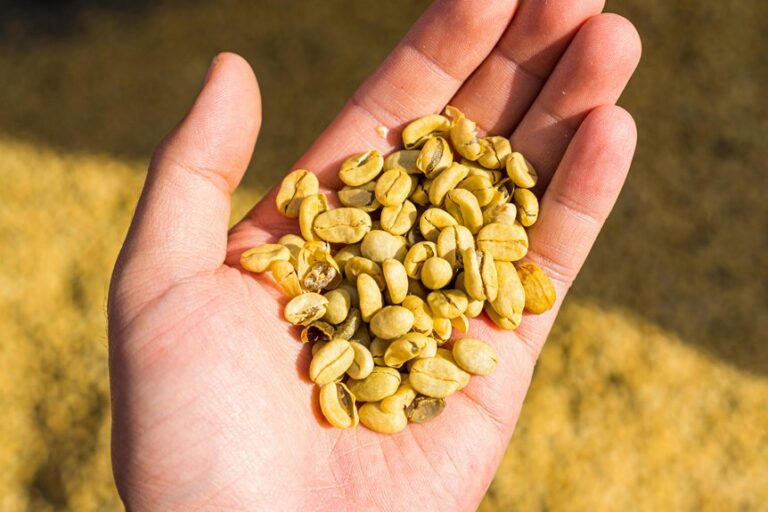
In unroasted form, the seeds are green, mostly endosperm, and capable of coffee germination.
You’ll see growers and roasters call them beans, but that wording reflects trade custom, not classification.
Appreciating this helps you join the wider coffee community with accuracy: you can speak precisely about cultivation, processing, and flavor while realizing what you’re actually handling.
Are Coffee Beans Really Beans?
Despite the name, coffee beans aren’t true beans in the botanical sense. You’re actually holding seeds from a Coffea fruit, not legumes. Botanically, true beans belong to the legume family, while coffee comes from Rubiaceae. In an etymology exploration, you’ll see that “bean” stuck because the seeds look bean-like and trade terminology favored clarity over precision.
- You can feel the mismatch between name and biology.
- You share a term shaped because of commerce, not taxonomy.
- You belong to a global coffee culture using familiar language.
- You can trust the science without losing the tradition.
Why Coffee Seeds Are Called Beans
You call coffee seeds “beans” because their roasted shape and brown color resemble legume beans. The term is descriptive, not botanical, so it reflects visual similarity rather than true plant classification.
That naming convention stuck in trade and everyday language even though coffee comes from a drupe, not a bean pod.
Coffee Bean Naming
- You’re using a historic trade term.
- You’re speaking like roasters and baristas.
- You’re joining a global community.
- You’re valuing precision without losing tradition.
Scientists still classify the seed as Coffeaendosperm, yet everyday usage keeps the name alive.
Seed Shape Similarity
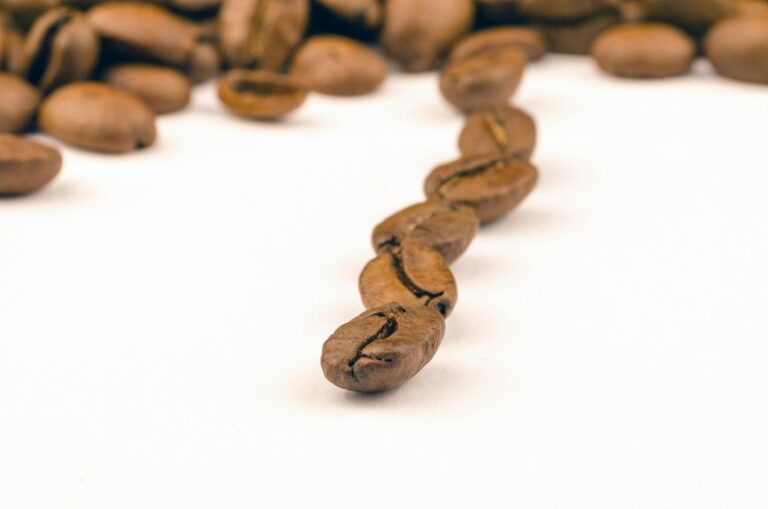
Coffee seeds are called beans largely because their shape and color resemble legume beans: once dried and roasted, they become brown, oval, and marked with a central crease. You can see why visual perception drives the name: your eye groups them with familiar beans before it checks botany.
During shape evolution, the seed’s flat inner faces, rounded outer edges, and size make it look beanlike after processing. Green unroasted seeds still show the same form, but roasting deepens the color and sharpens the crease, strengthening the resemblance.
That’s why traders, roasters, and you in everyday conversation keep saying “coffee beans.” The term fits practical use, even though the plant produces seeds inside a drupe, not true beans from legumes.
How Coffee Cherries Contain the Seeds
Inside each coffee cherry, the seeds sit nestled in the fruit’s fleshy interior, usually in a paired arrangement with their flat sides facing one another. You can track this seed arrangement through the coffee cherry’s development stages, at which point the fruit shifts from green to red and the internal tissues mature. In fruit anatomy, each seed rests within a thin parchment layer and a sticky mucilage, both of which protect it until processing. Most cherries hold two seeds; some form one rounded peaberry.
- You can see why growers monitor ripeness closely.
- You can feel connected to precise harvest timing.
- You can appreciate how structure shapes quality.
- You can trust that careful anatomy guides flavor potential.
What Makes a True Bean a Legume
A true bean comes from a legume, which means it develops in the pod of a plant in the pea family, such as peas, lentils, soybeans, or peanuts. In this legume definition, you can spot two key traits: pod structure and seed development.
Legumes form enclosed pods that split along two seams upon maturity, releasing the seeds inside. Their roots often host bacteria that carry out nitrogen fixation, a process that converts atmospheric nitrogen into usable compounds for plant growth.
Once you recognize these features, you can place a seed with confidence among true beans. That shared botanical pattern gives your plant knowledge a reliable foundation and helps you join a community that values precise classification over casual labels.
Coffee seeds don’t fit that family pattern.
Why Coffee Seeds Look Like Beans
At initial glance, coffee seeds look like beans because roasting gives them a brown, oval shape with a distinct crease down the middle, much like many legume seeds. You see visual mimicry, not true kinship: the seed’s form, color, and split seam resemble peas or soybeans enough to shape cultural terminology.
- You can trust your eyes, yet taxonomy tells a different story.
- You share a habit with traders who named it for appearance.
- You belong to a long tradition of practical language.
- You’re learning precision without losing familiarity.
Inside each coffee cherry, two seeds usually press together, flattening their inner sides and reinforcing the bean-like outline. That shared silhouette helped “coffee bean” persist in markets, homes, and cafés, even though the plant isn’t a legume.
What Roasting Does to Coffee Seeds
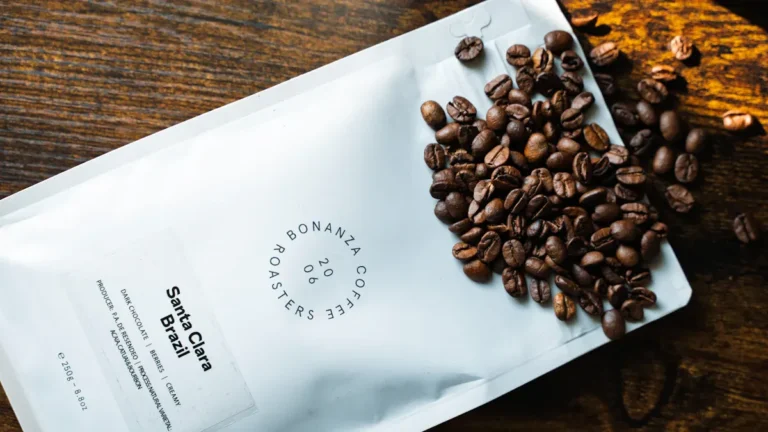
Roasting converts green coffee seeds into the familiar brown “beans” used for brewing via driving off moisture, initiating Maillard reactions, and creating hundreds of flavor and aroma compounds.
As you heat the seeds, cellular chemistry changes quickly: acids shift, sugars darken, and proteins decompose into new volatile molecules.
You’ll notice aroma development intensify as the process moves from grassy and raw notes to nutty, caramelized, and eventually smoky profiles.
The seed structure also becomes more brittle, which helps you grind it efficiently later.
Roasting doesn’t make coffee a true bean, but it does convert a living seed into a stable, brew-ready ingredient that your community of coffee drinkers recognizes through sight, smell, and taste.
Inside the Coffee Seed
Inside each coffee cherry, you’ll usually find two seeds pressed together with their flat sides facing inward, though about 10 to 15 percent of cherries contain a single rounded seed called a peaberry.
You’re looking at a drupe seed, not a legume.
Its cellular structure includes a protective silver skin, dense endosperm, and a tiny embryo that can germinate before roasting.
The nutrient composition is dominated by carbohydrates, oils, proteins, and trace minerals, which fuel growth and later shape flavor.
- You can feel the precision of nature here.
- You belong among people who value careful observation.
- You might notice how much potential sits in one seed.
- You can appreciate that science and taste begin together.
Common Myths About Coffee Beans
You might hear that coffee beans are true beans, but they’re actually seeds from the coffee cherry, a drupe in the Rubiaceae family.
You can also see why the name stuck: the unroasted seeds look bean-like, yet roasting changes their color, aroma, and structure rather than their botanical identity.
These myths persist because trade language favors convenience, but the scientific distinction between seeds and legumes is exact.
Coffee Bean Myths
One common myth is that coffee beans are true beans, but they’re actually seeds from the *Coffea* plant’s drupe-like fruit, not legumes like peas or soybeans. You can still use the familiar term in coffee culture and brewing rituals, because language often follows trade, not taxonomy.
- You’re not alone in saying “beans.”
- You can value precision without losing tradition.
- You belong in a global community of brewers.
- You can respect science and shared practice.
Another myth says the name proves botanical identity; it doesn’t. The term reflects visual similarity and centuries of commercial usage. Whenever you hear “coffee beans,” treat it as a practical label, not a scientific one.
That distinction helps you speak accurately while staying connected to the culture around your cup.
Seeds Versus Beans
Although people call them beans, coffee “beans” are actually seeds from the *Coffea* plant’s fruit, a drupe with fleshy outer tissue and usually two seeds inside.
You can consider them as seeds in seed terminology, not true beans, which come from legumes like peas and soybeans.
In seed physiology, each coffee seed stores endosperm that supports germination, so the unroasted seed can grow into a new plant.
Roughly 10–15% of coffee cherries contain one seed, called a peaberry, which still fits the same botanical pattern.
Whenever you use the word “bean,” you’re following trade language, not botanical classification. That shared habit helps coffee communities communicate clearly, even whenever scientific accuracy says “seed.”
Roasting Misconceptions
Roasting doesn’t create coffee’s identity; it converts the green, unroasted seed into the familiar brown “bean” people recognize. You’re seeing roasting chemistry, not a botanical change: heat drives Maillard reactions, caramelization, and water loss, which reshape aroma, color, and texture. The seed was already coffee before roasting, and it still isn’t a true bean. Don’t let flavor misconceptions fool you:
- Green seeds can germinate.
- Roasted seeds can’t sprout.
- Dark roast doesn’t mean stronger caffeine.
- Roast level changes taste, not species.
When you choose a brew, you join a global practice shaped through science and tradition. Your preference belongs in that shared ritual, whether you like bright acidity or deep bitterness.
10 Fast Facts About Coffee Seeds
Coffee “beans” are actually seeds from the *Coffea* plant, which botanically produces a drupe, not a true bean.
You can trace their Origins timeline to Ethiopian coffee forests, then Yemen, where *bunn* spread through trade.
Your Nutrient profile includes mostly endosperm, plus small amounts of lipids, carbohydrates, protein, and minerals.
Each cherry usually holds two flat-sided seeds; about 10–15% form a peaberry with one rounded seed.
Unroasted seeds stay green and can germinate, but roasting destroys that ability.
You’ll hear “coffee bean” because traders named the brown, oval seeds for convenience, not precision.
In cultivation, growers process them via dry, washed, or semi-washed methods, each shaping flavor and environmental impact.