

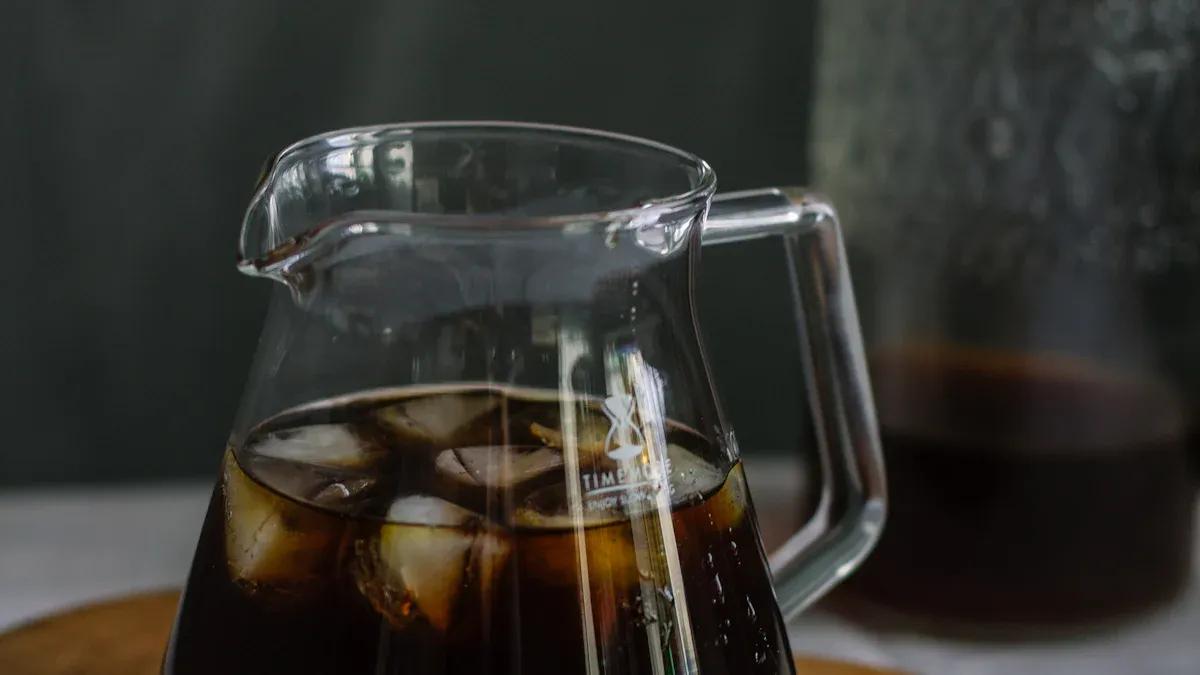
Coffee lovers everywhere are buzzing about two main brewing methods: cold and hot. Each method brings its own unique charm and flavor profile, capturing the hearts of different drinkers. Did you know that the global cold coffee brewing market was valued at USD 1.35 billion in 2024? It’s projected to soar to USD 4.01 billion by 2033! This surge in popularity raises an interesting question: how do these brewing methods differ in flavor? Factors like temperature and brewing time play a significant role in shaping the taste of your favorite cup.
Key Takeaways
Cold brew coffee requires a long steeping time of 12 to 18 hours, resulting in a smoother and sweeter flavor profile.
Hot coffee brewing is quick, taking only 4 to 6 minutes, which extracts flavors rapidly and creates a bright, aromatic cup.
Cold brew typically has higher caffeine content than hot coffee, making it a stronger option for those seeking an energy boost.
Flavor profiles differ significantly: cold brew is less acidic and sweeter, while hot brew offers a vibrant and complex taste.
Serving temperature impacts flavor; cold brew is best served chilled, while hot coffee shines at temperatures between 130°F and 160°F.
Brewing Duration
Cold Brew Process
When it comes to cold coffee brewing, patience is key. Typically, cold brew coffee requires a steeping time of 12 to 18 hours. Some methods even extend this to 24 hours or more! The longer brewing time allows the coffee grounds to release their flavors slowly. This process extracts the soluble compounds at a lower temperature, resulting in a smoother and sweeter taste. Here are some key points about the cold brew process:
Cold brew can steep for as little as a few minutes to over 72 hours, depending on your preference.
Most commercial cold brew coffee is brewed for about 16 hours.
The extraction process is slower, meaning you get a different flavor profile compared to hot brewing.
Hot Brew Process
On the other hand, hot brewing is all about speed. You can brew a cup of hot coffee in just a few minutes. Methods like drip brewing or French press typically take around 4 to 6 minutes. The heat extracts flavors quickly, which gives hot coffee its fragrant aroma and bright acidity. However, if you brew for too long, you might end up with a bitter taste. Here’s how hot brewing works:
Shorter brewing times capture lighter, acidic notes.
If you brew too long, you risk extracting stronger, bitter undertones.
Hot brewing is efficient, making it a popular choice for those in a hurry.
The differences in brewing duration significantly impact the flavor of your coffee. While hot brewing extracts flavors rapidly, cold brewing takes its time to create a rich, smooth cup. So, whether you prefer the quick fix of hot coffee or the mellow sweetness of cold brew, understanding the brewing duration can help you enjoy your coffee even more!
Brewing Methods
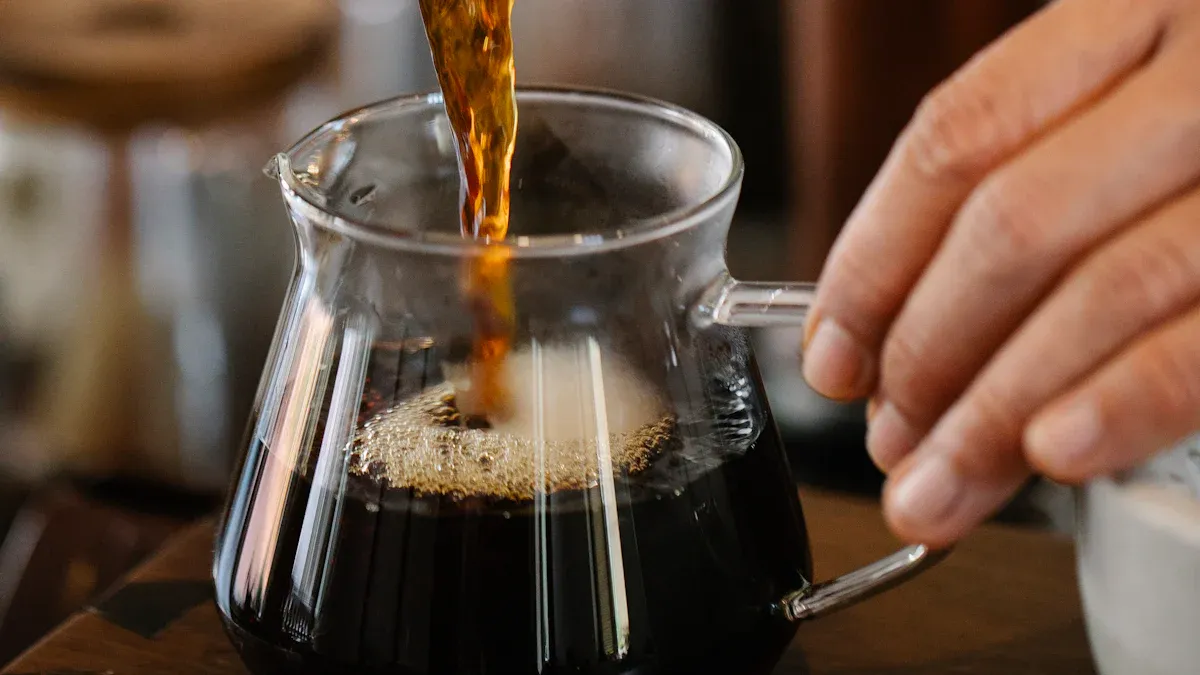
Cold Coffee Brewing Equipment
When you dive into cold coffee brewing, having the right equipment makes a big difference. Here’s a quick look at some essential tools you might want to consider:
Equipment Type | Description |
|---|---|
Coffee Grinders | Essential for achieving the right grind size for cold brew, typically coarser than other methods. |
Oxo Cold Brew Coffee Maker | A popular choice with a 40-ounce capacity and easy-to-clean design. |
Asobu Insulated Portable Brewer KB900 | Highly rated for performance and taste, brews in 12 to 24 hours with a stainless steel insulated carafe. |
To get the best flavor from your cold brew, follow these techniques:
Grind Size: Use a medium-coarse grind, slightly coarser than for pour-over, around a 7 on a scale of 1-10.
Brew Time: Aim for about 14 hours in the fridge to limit bacteria growth.
Water-to-Coffee Ratio: A preferred ratio is 1:8 (1 gram of coffee for every 8 grams of water), with options for stronger brews at 1:4.5.
Filtering Method: Use a paper filter for clarity or a cheesecloth for more texture and weight.
Hot Coffee Brewing Equipment
Hot coffee brewing offers a variety of methods, each with its own equipment. Here are some common tools you might use:
Drip Coffee Maker: This automatic machine brews coffee by dripping hot water over ground coffee.
French Press: This method involves steeping coffee grounds in hot water, then pressing down a plunger to separate the grounds.
Pour-Over Cone: You manually pour hot water over coffee grounds, allowing for precise control over brewing time.
Espresso Machine: This machine uses pressure to force hot water through finely-ground coffee, creating a rich and concentrated shot.
Each of these methods has its unique charm and can produce a delicious cup of coffee. Experimenting with different equipment can help you discover your favorite brewing methods.
Caffeine Content
Cold Brew Caffeine Levels
When it comes to caffeine, cold brew coffee often surprises many. You might think it packs a punch, and in some cases, it does! Cold brew concentrate can contain about 1,230 mg/L of caffeine, translating to roughly 292 mg per 8 fl oz. This is significantly higher than what you’d find in hot brewed coffee, which averages around 970 mg/L or 230 mg per 8 fl oz. Here’s a quick comparison:
Coffee Type | Caffeine Content (mg/L) | Caffeine per 8 fl oz (mg) |
|---|---|---|
Cold Brew Concentrate | 1,230 | 292 |
Hot Black Coffee | 970 | 230 |
Cold brew coffee generally has more caffeine than hot brewed coffee.
A 2017 study found cold brew concentrate had 27% higher caffeine than hot coffee.
Some studies show hot coffee can have slightly more caffeine than cold brew under certain conditions.
Hot Brew Caffeine Levels
Hot brewed coffee, while lower in caffeine than cold brew, still delivers a solid kick. The average caffeine content in hot coffee ranges from 80 to 100 mg per 8 fl oz. Depending on the brewing method, this can vary. For instance, espresso has a higher concentration, but you typically consume it in smaller amounts. Here’s a breakdown of caffeine levels in hot brewed coffee:
Measurement | Caffeine Content (mg) per 8 oz | Caffeine Content (mg) per oz |
|---|---|---|
Average Range | 95 to 165 | 11.875 to 20.625 |
Typical Range | 80 to 100 | 10 to 12.5 |
Hot brewed coffee extracts more caffeine due to heat facilitating dissolution.
Cold brew methods generally lead to lower caffeine extraction without heat.
Flavor Profiles

Cold Brew Flavor Characteristics
When you sip on cold brew coffee, you’ll notice its unique flavor characteristics. Cold brew tends to be smoother and sweeter than its hot counterpart. This happens because the cold brewing process extracts fewer acidic compounds, resulting in a drink that’s up to 66% less acidic than hot brewed coffee. Here are some key flavor notes you might experience:
Floral and Fruity Aromas: Cold brew coffee often features delightful floral and fruity notes. Aroma compounds like pyrazine and linalool contribute to these rich flavors.
Nutty and Caramel Undertones: You might also detect nutty and caramel aromas, which add depth to the overall profile.
Lower Bitterness: Compared to hot coffee, cold brew has a significantly lower perception of bitterness and sourness, making it a favorite for those who prefer a smoother taste.
In fact, many consumers describe cold brew coffee positively, often using emoticons to express their enjoyment. This method tends to receive higher preference scores than hot brewed coffee, thanks to its balanced and rich flavors.
Hot Brew Flavor Characteristics
Hot brewed coffee, on the other hand, offers a vibrant and bold flavor profile. The heat extracts flavors quickly, leading to a brighter taste. Here’s what you can expect from hot coffee:
Bright Acidity: Hot brewing captures the lively acidity of coffee, which can create a refreshing experience. However, this can be uncomfortable for those with sensitive stomachs.
Complex Flavor Notes: You might find a range of flavors, from dark chocolate to citrus fruit. The quick extraction process brings out these rich flavors but can also lead to bitterness if brewed too long.
Full-bodied Experience: Hot coffee often delivers a fuller body, with a more pronounced aroma that can be both comforting and invigorating.
Both brewing methods have their unique flavor profiles, and your choice may depend on your mood or preference. Whether you enjoy the smooth sweetness of cold brew or the bold brightness of hot coffee, each cup offers a delightful experience.
Serving Temperature
Cold Brew Serving Suggestions
Serving temperature plays a crucial role in how you experience the flavor of your cold coffee. Cold brew coffee is typically served chilled, which enhances its smoothness and sweetness. Here are some tips for serving cold brew:
Optimal Temperature: Aim to serve cold brew at around 40°F to 50°F (4°C to 10°C). This temperature keeps it refreshing while highlighting its floral notes.
Dilution: If you find cold brew too strong, consider diluting it with water or milk. This can balance the flavors without losing that delightful sweetness.
Add Ice: For an extra chill, pour your cold brew over ice. Just remember that ice can dilute the flavor, so use larger ice cubes to slow down melting.
Research shows that cold brew coffee is perceived as sweeter and less acidic than hot brewed coffee. The cooler temperature helps maintain its smooth profile, making it a favorite for many.
Hot Brew Serving Suggestions
Hot brewed coffee is best enjoyed at the right temperature to enhance its flavor. Here’s how to serve it for the best experience:
Ideal Temperature Range: Serve hot coffee between 130°F and 160°F (54°C to 71°C). This range allows the coffee’s subtle flavors to shine without overwhelming your palate.
Cooling Time: After brewing, let your coffee cool for about 3 to 5 minutes. This cooling period helps release volatile compounds, enhancing the overall flavor.
Avoid Overheating: Serving coffee too hot can make it feel thin and harsh. If it’s too cold, the coffee may taste flat and lifeless.
The serving temperature significantly influences the flavor quality of hot brewed coffee. When you serve it at the right temperature, you’ll enjoy a fuller-bodied experience with vibrant notes.
By paying attention to serving temperatures, you can elevate your coffee experience, whether you prefer cold or hot. Enjoy experimenting with these suggestions to find your perfect cup!
In summary, cold brew and hot brew coffee offer distinct flavor experiences. Cold brew tends to be sweeter and smoother, while hot brew delivers a brighter, more complex taste. Here’s a quick comparison:
Characteristic | Cold Brew | Hot Brew |
|---|---|---|
Sweetness | Sweeter, more pronounced natural sugars | Less sweet, more bitter notes |
Body | Fuller body with smoother mouthfeel | Lighter, crisper body |
Flavor Notes | Chocolate, caramel, molasses | Fruity and floral notes |
Acidity | Lower perceived acidity | Brighter, more pronounced acidity |
Explore both methods to find your favorite! Whether you enjoy the mellow sweetness of cold brew or the bold brightness of hot coffee, each cup has something special to offer.
