


Cold brew coffee has taken the world by storm! You can find it everywhere, from trendy cafes to grocery store shelves. Making homemade cold brew coffee is not only simple, but it also allows you to enjoy rich flavors tailored to your taste. Plus, brewing it at home can save you money. Did you know that the global cold brew coffee market is projected to hit $3.16 billion by 2032? As you explore the world of DIY cold brew coffee, you’ll appreciate the control you have over ingredients and flavors. Why not give it a try?
Key Takeaways
Cold brew coffee offers a smooth, less acidic flavor, making it a refreshing choice, especially on hot days.
Brewing cold brew at home is simple and cost-effective. Follow a 1:8 coffee-to-water ratio for a balanced taste.
Use coarsely ground coffee for optimal extraction. A medium-coarse grind prevents bitterness and enhances flavor.
Experiment with sweeteners and spices to customize your cold brew. Natural options like honey and cinnamon can elevate your drink.
Store cold brew in an airtight container in the fridge for up to two weeks, but enjoy it within a week for the best flavor.
What Is Cold Brew Coffee?
Cold brew coffee is a unique method of making coffee that involves steeping coarsely ground coffee in cold or cool water. This process typically lasts between 12 to 24 hours, allowing the flavors to develop slowly. Unlike traditional coffee, which uses hot water for quick extraction, cold brew offers a different taste experience. Here are some key characteristics of cold brew coffee:
Smooth Flavor: Cold brew coffee tends to have a smooth, less acidic flavor profile. Many people find it naturally sweet, making it a refreshing choice, especially on hot days.
Lower Acidity: Cold brew is less acidic than hot brewed coffee, which can be easier on your stomach. Studies show that cold brew coffee has a higher pH, indicating lower acidity levels.
Caffeine Concentration: Due to the longer steeping time, cold brew often contains more caffeine than its hot counterpart. On average, a 12oz serving of cold brew can have around 207mg of caffeine, while hot coffee typically has about 150mg.
Characteristic | Cold Brew | Hot Brew |
|---|---|---|
Flavor Profile | Smooth, less acidic, naturally sweet | Rich, aromatic, more acidic |
Brewing Time | 12 to 24 hours | Quick preparation |
Acidity | Lower acidity | Higher acidity |
Caffeine Level | Often higher due to steeping time | Generally lower |
Temperature | Refreshing, ideal for hot days | Comforting warmth |
Popularity and Benefits
Cold brew coffee has surged in popularity over the past few years. Younger generations, especially Gen Z, are driving this trend. Social media plays a significant role, making cold brew more ‘Instagrammable’ and appealing to coffee lovers. Here are some benefits of enjoying cold brew coffee:
Mood Booster: Drinking cold brew may boost your mood and reduce the risk of depression.
Heart Health: Some studies suggest that moderate coffee consumption can improve heart health, although you should monitor caffeine intake if you have high blood pressure.
Lower Risk of Diabetes: Regular consumption of cold brew coffee is associated with a lower risk of developing type 2 diabetes.
Stomach-Friendly: Its lower acidity makes cold brew easier on the stomach, which can be a significant advantage for those sensitive to acidic beverages.
With its unique flavor and numerous health benefits, it’s no wonder that cold brew coffee is becoming a favorite among coffee enthusiasts. So, why not try making the best cold brew coffee at home? You might just find your new go-to drink!
Making Cold Brew
Essential Equipment
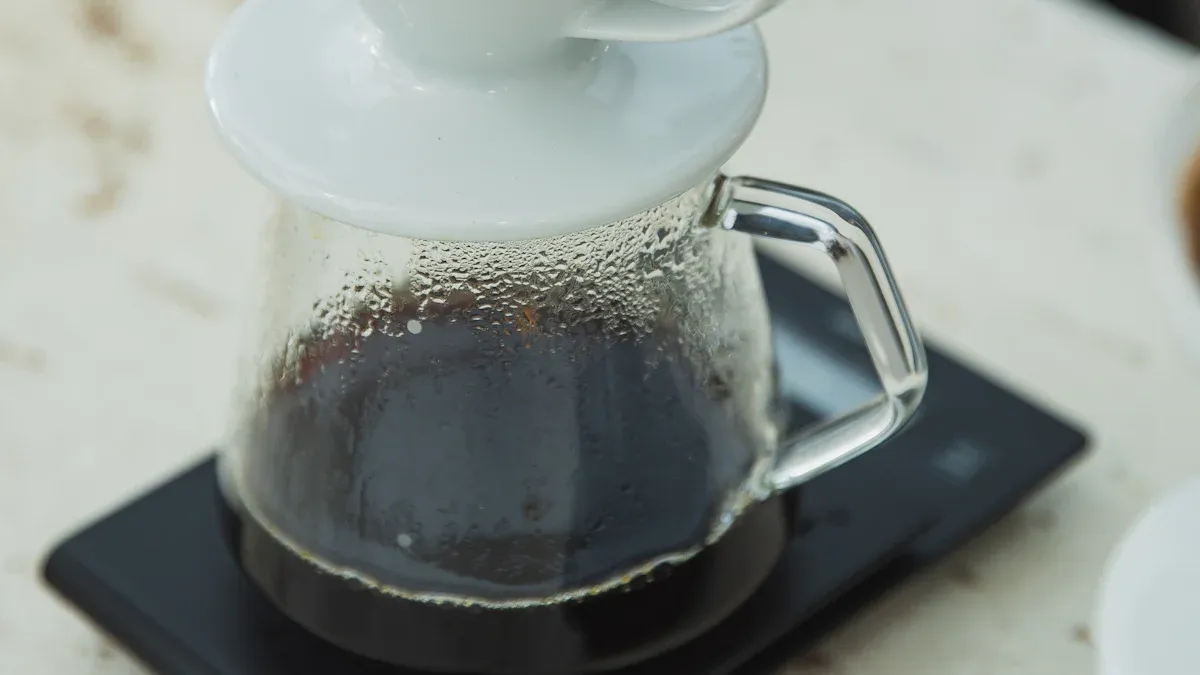
To make cold brew coffee at home, you’ll need a few essential tools. Here’s a quick list of what you should gather:
Grinder: A manual burr grinder is your best bet. It helps you achieve the right grind size for cold brew. Avoid blade grinders, as they can compromise the flavor quality.
Brewing Vessel: You can use a mason jar, a teapot, or a French press. The French press is a popular choice because it has a built-in filter and is durable.
Coffee Filter: Regular coffee filters or cheesecloth work well to separate the grounds from the brew.
Brewing Process
Now that you have your equipment ready, let’s dive into the brewing process. Follow these steps to make your own cold brew:
Sanitize Your Brewing Equipment: Clean your jars, brewers, and filters thoroughly. This step is crucial to avoid any unwanted bacteria.
Water to Coffee Ratio: Use a 1:8 ratio of coffee to water. If you prefer a stronger brew, adjust it to a 1:4.5 ratio.
Grinding Coffee for Cold Brew: Grind your coffee to a medium-coarse consistency. It should be slightly coarser than what you’d use for pour-over coffee.
Brew Time: Combine the coffee and water, ensuring all the coffee is wet. Brew in the fridge for about 14 hours. This steeping time allows for optimal flavor extraction.
Filtering Your Cold Brew: After brewing, filter out the grounds using your preferred method. A paper filter gives clarity, while cheesecloth offers more texture.
Diluting the Cold Brew Concentrate: Once filtered, dilute the concentrate with water. A common ratio is 2:1 or 1:1, depending on how strong you like your coffee.
Coffee-to-Water Ratios
Getting the right coffee-to-water ratio is key to a delicious cold brew. Here’s a handy table to guide you:
Ratio | Coffee (grams) | Water (grams) |
|---|---|---|
1:4 | 1 | 4 |
1:8 | 1 | 8 |
1:12 | 1 | 12 |
Adjusting the ratio affects the strength and taste of your brew. A low ratio can lead to over-extraction, resulting in a bitter taste. Conversely, a high ratio might under-extract, leaving you with a sour or weak flavor. Finding the perfect ratio for cold brew can take some experimentation, but it’s worth it!
With these steps, you’re well on your way to mastering the art of making cold brew coffee at home. Enjoy the process and feel free to tweak the ratios and brewing times to suit your taste!
Grinding Coffee for Cold Brew
Ideal Grind Size
When it comes to cold brew, the grind size of your coffee beans plays a crucial role in the final flavor. You want to aim for a coarse grind. This size allows for a slow extraction, which is essential for cold brewing. If your grind is too fine, you might end up with a bitter and sludgy cup. On the other hand, if it’s too coarse, your brew could taste weak and watery.
Here’s why grind size matters:
A coarser grind extracts flavors slowly, giving you a smooth and balanced cup.
A finer grind increases the surface area, leading to quicker extraction. This can cause over-extraction, resulting in bitterness.
An inconsistent grind can lead to uneven extraction, making your cold brew lack clarity and balance.
Research shows that while grind size affects extraction kinetics, the long steeping time in cold brewing means the final flavor isn’t as sensitive to grind size as in other brewing methods. However, achieving the right grind size is still important for the best flavor experience.
Recommended Coffee Beans
Choosing the right beans is just as important as grinding coffee for cold brew. Here are some of the best beans for cold brew that specialty coffee roasters recommend:
Medium to Dark Roasts: These offer rich, full-bodied flavors that shine in cold brew.
Ethiopian Yirgacheffe: Known for its floral and citrus notes, this bean adds complexity to your brew.
Sumatra Mandheling: This variety brings earthy and spicy notes, creating a smooth flavor.
Colombian Supremo: Prized for its sweet and nutty flavors, this bean is versatile and works well in cold brew.
Each type of bean contributes unique flavor profiles to your cold brew. For instance, Colombian Supremo beans provide a sweet and nutty taste, while Ethiopian Yirgacheffe adds floral and citrus notes. Medium roasts balance flavors with hints of fruits, nuts, and grains, making them ideal for cold brew.
Flavoring Homemade Cold Brew Coffee
Enhancing your homemade cold brew coffee can take your experience to the next level. You can easily customize flavors with sweeteners, creamers, and spices. Let’s explore some delicious options!
Sweeteners and Creamers
Sweeteners and creamers can significantly change the taste and texture of your cold brew. Many people enjoy adding something sweet to their coffee. According to surveys, here are the most popular sweeteners used in homemade cold brew coffee:
Sweetener Type | Percentage of Users |
|---|---|
Normal Sugar | 67% |
Stevia | 38% |
Honey | 19% |
Agave | 10% |
Maple Syrup | 7% |
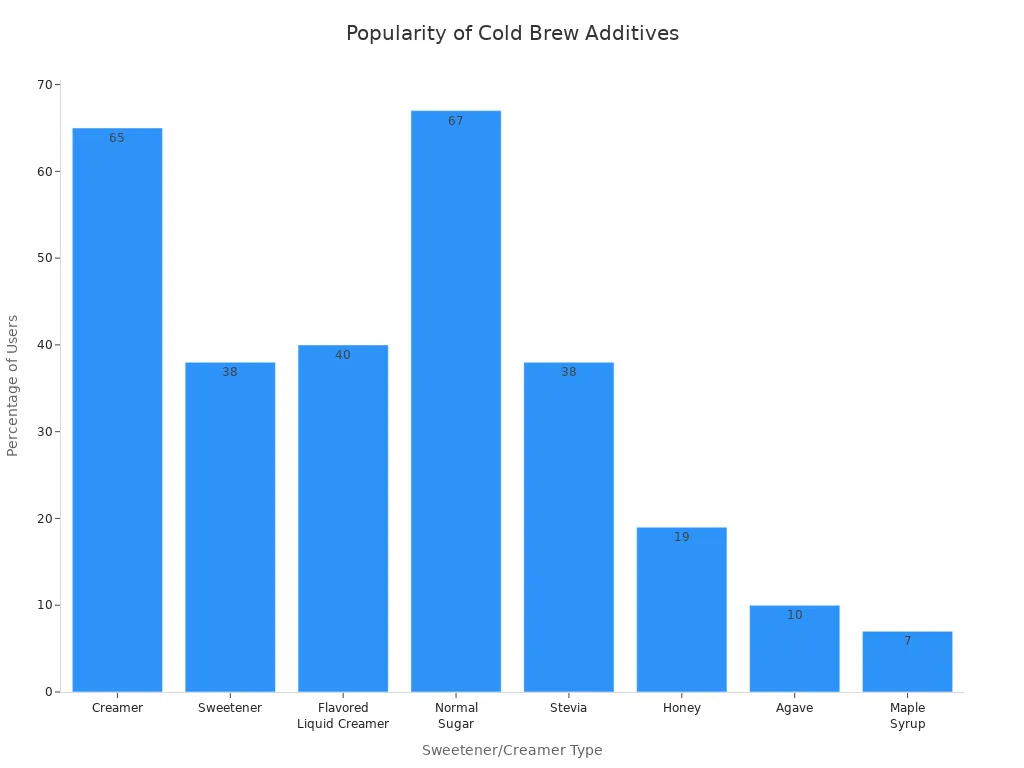
Natural sweeteners like honey and agave nectar can enhance the flavor of your cold brew. They add unique taste profiles that differ from artificial sweeteners, which often leave a medicinal aftertaste. Creamers also play a role; many prefer plant-based options. In fact, 67% of consumers use plant-based creamers at least sometimes.
Spices and Flavor Enhancers
Spices can add an exciting twist to your cold brew. Here are some popular spices and flavor enhancers you might want to try:
Cinnamon: Adds a sweet, warm flavor.
Cardamom: Offers a strong, zesty kick.
Nutmeg: Provides warm, nutty notes.
Ginger: Adds a spicy warmth.
Vanilla Bean or Extract: Gives a floral, smooth finish.
Experimenting with these spices can elevate your cold brew coffee at home. You might find that a pinch of cinnamon or a splash of vanilla transforms your drink into something extraordinary.
With these tips, you can create the best cold brew coffee tailored to your taste. Enjoy the process of experimenting with flavors and discover your perfect blend!
Making cold brew coffee at home is a fun and rewarding experience! Here are the key steps to remember:
Sanitize your brewing equipment.
Measure your coffee using a 1:8 ratio.
Grind the coffee to a medium-coarse consistency.
Combine coffee and water, ensuring all coffee is wet.
Brew in the fridge for about 14 hours.
Filter the brew using your preferred method.
Dilute the concentrate to your taste.
Choosing the right beans is crucial. Look for those with lower acidity and rich flavors. Don’t hesitate to explore adventurous beans for unique tastes! Finally, have fun experimenting with flavors. Try adding syrups or spices to create your perfect cold brew coffee blend. Enjoy the journey!
FAQ
What is the best brewing time for cold brew coffee?
For optimal flavor, steep your cold brew coffee for 12 to 24 hours. A longer steeping time enhances the richness and smoothness of the coffee.
Can I use regular coffee beans for cold brew?
Yes, you can use regular coffee beans. However, medium to dark roasts often yield the best flavors for cold brew coffee due to their rich profiles.
How should I store cold brew coffee?
Store your cold brew coffee in an airtight container in the refrigerator. It stays fresh for up to two weeks, but it’s best enjoyed within a week for optimal flavor.
Can I heat cold brew coffee?
Absolutely! You can heat cold brew coffee if you prefer it warm. Just pour it into a saucepan and gently heat it on the stove.
Is cold brew coffee stronger than hot coffee?
Cold brew coffee often has a higher caffeine concentration due to its brewing method. However, strength can vary based on the coffee-to-water ratio you choose.
