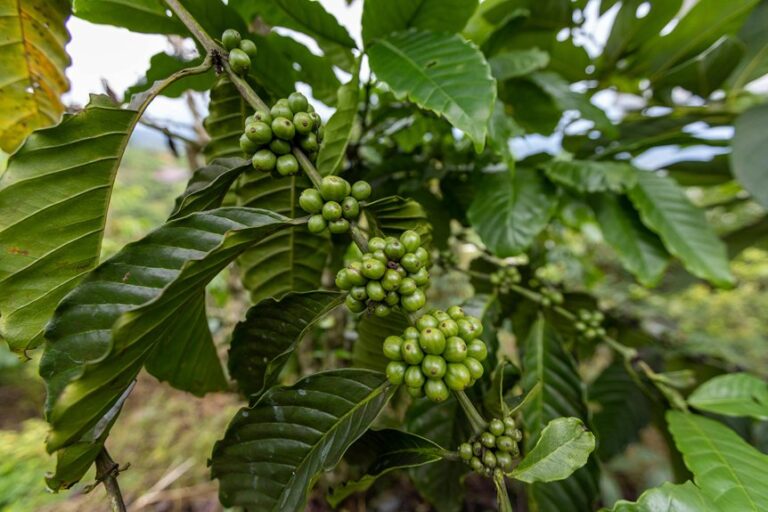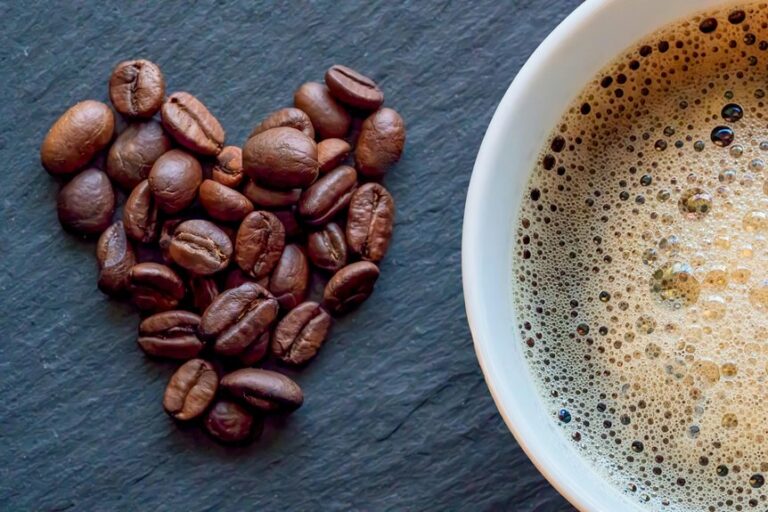


Coffee lovers often find themselves at a crossroads between single-origin coffee and blends. Each type offers a unique journey for your taste buds. Single-origin coffee shines with its distinct flavors, allowing you to savor the nuances of specific regions. On the other hand, blends provide a consistent experience, combining various beans to create a balanced flavor profile. Whether you crave the adventure of exploring different origins or prefer the reliability of a well-crafted blend, both options hold a special place in the coffee world.
Key Takeaways
Single-origin coffee offers unique flavors tied to specific regions, making it perfect for flavor exploration.
Coffee blends provide a consistent taste, ideal for daily enjoyment and reliability.
Understanding the origin of your coffee can enhance your appreciation and support ethical sourcing.
Experiment with brewing methods to maximize the flavors of single-origin coffee or maintain the balance of blends.
Consider your personal taste preferences when choosing between single-origin and blends for the best coffee experience.
Single-Origin Coffee Overview
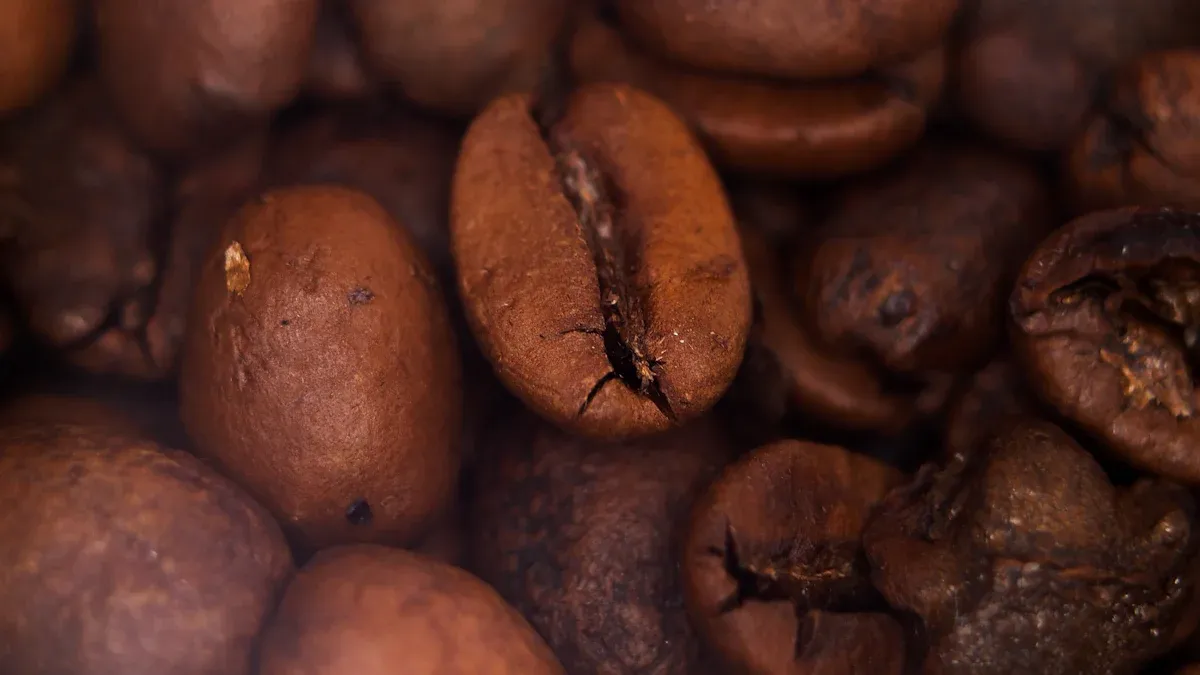
Single-origin coffee refers to beans sourced from a specific location, whether it’s a country, region, or even a single farm. This sourcing method allows you to experience the unique characteristics of each area. The flavor profiles of single origin coffees can vary widely based on factors like altitude, climate, and processing methods.
Flavor Profiles of Single-Origin Coffee
When you sip single-origin coffee, you might notice distinct flavors that reflect its origin. For example, Colombian coffee often has clean, nutty flavors with a hint of caramel sweetness. In contrast, Ethiopian coffee can surprise you with fruity, winey notes reminiscent of tropical fruits or berries. Here’s a quick look at some flavor characteristics based on region:
Region/Processing Method | Flavor Characteristics |
|---|---|
Colombian (Washed) | Clean, nutty flavors with caramel sweetness |
Brazilian (Natural) | Chocolate depth and lower acidity |
Ethiopian (Natural) | Fruity, winey flavors, often like tropical fruit or berries |
Kenyan | Black currant and citrus notes |
Central American (Honey) | Balanced sweetness with clean flavors and a boost in body |
Guatemalan | Chocolate and caramel flavors with mild acidity |
Quality and Pricing of Single-Origin Coffee
The quality of single-origin coffee often stands out, making it a favorite among coffee enthusiasts. These coffees usually come with a higher price tag due to their limited availability and the care taken in sourcing. For instance, single-origin coffee can be more expensive because it often includes micro-lots, which are small batches of high-quality beans. Here’s a comparison of pricing:
Coffee Type | Price Range | Characteristics |
|---|---|---|
Single-Origin Coffee | Typically higher | Limited availability, traceability, and premium pricing for micro-lots. |
Blends | Typically lower | Flexibility in using different grades of beans to control costs while maintaining quality. |
As you explore single-origin coffees, you’ll find that consumers are increasingly willing to pay a premium for sustainably sourced options. This trend reflects a growing demand for unique flavors tied to specific regions, enhancing the market value of these exceptional coffees.
Understanding Coffee Blends
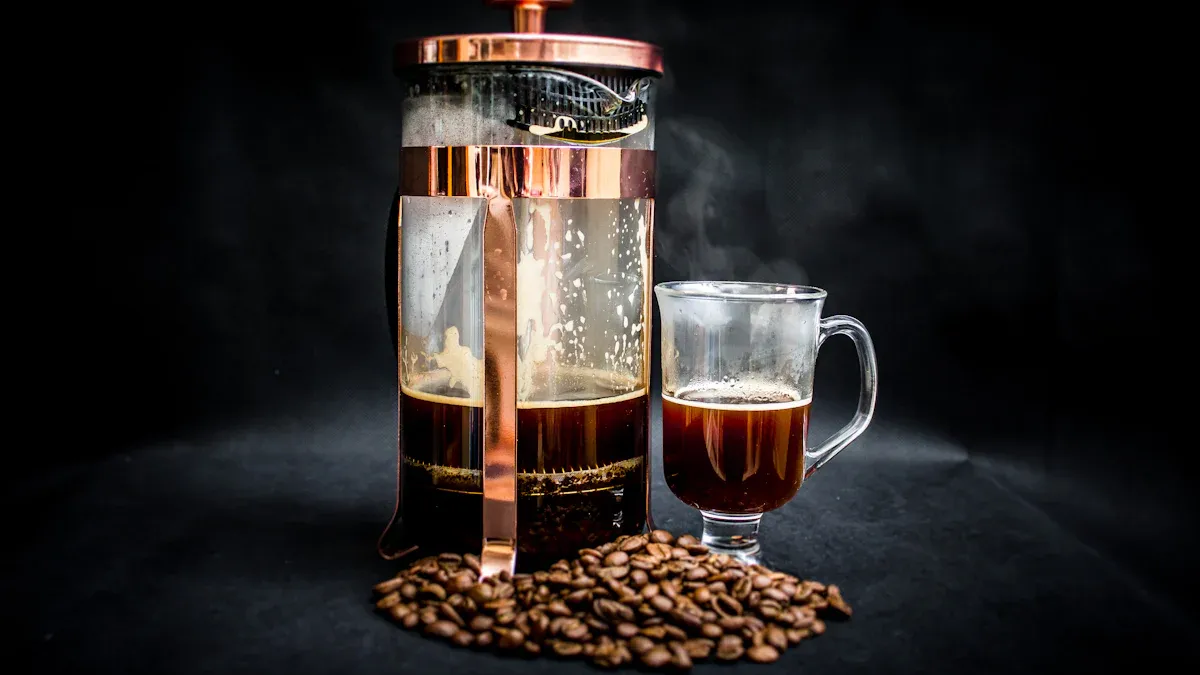
Coffee blends are created by mixing beans from different origins. This combination allows you to enjoy a variety of flavors in one cup. Roasters carefully select beans to achieve a specific flavor profile that balances sweetness, acidity, and body.
Flavor Profiles of Coffee Blends
When you taste a coffee blend, you might notice a harmonious mix of flavors. For example, beans from Central and South America often bring sweetness and cocoa notes, while African beans contribute bright acidity and fruity aromas. Asian and Indonesian beans add depth and spice, creating a rich experience. Blending these different origins gives you a cup that feels intentional and well-rounded.
Here’s a quick comparison of flavor notes:
Coffee Type | Flavor Notes Description |
|---|---|
Single-Origin | Highlights the nuanced flavors specific to a single region. |
Blends | Crafted to achieve a specific flavor profile by combining multiple origins for balance. |
Benefits of Coffee Blends
One of the main benefits of coffee blends is consistency. Many coffee shops prefer blends because they provide a reliable taste across different locations. This consistency builds trust with customers, ensuring they can expect the same great flavor every time they visit.
Those doing this are often concerned with taking the best qualities from different origins and blending them to create something they believe tastes great and is worthy of their customer’s attention.
Blends also allow roasters to create coffees for specific purposes, like cold brew or espresso. By mixing different beans, they can enhance the quality and flavor of the final product. This adaptability keeps the menu fresh and exciting while maintaining high standards.
Key Differences Between Single-Origin and Blends
Sourcing and Production Methods
When it comes to sourcing and production, single-origin coffee and blends take different paths. Single-origin coffee comes from one specific location or farm, which allows you to trace its journey from bean to cup. This traceability often links the coffee to specific farms or cooperatives, giving you a deeper connection to the source. In contrast, blends can come from multiple locations or farms, making them less traceable.
Here’s a quick comparison of their sourcing and production methods:
Aspect | Single-Origin Coffee | Blends |
|---|---|---|
Sourcing | Comes from one specific location or farm | Can come from multiple locations or farms |
Traceability | High, often linked to specific farms or cooperatives | Varies, often less traceable due to multiple sources |
Quality | Generally perceived as higher due to specific sourcing | Can vary widely, often mixed for consistency and taste |
Growing Conditions | Specific to one area, affecting flavor profile | Can include beans from various conditions, affecting taste |
Production Method | Focused on preserving unique characteristics of the bean | Often blended for mass appeal or specific flavor profiles |
You might find that knowing the origin of your coffee beans promotes sustainability and ethical sourcing. This approach addresses historical issues in the coffee industry. Single-origin coffee emphasizes the unique flavors of a specific region, while blends focus on achieving a consistent flavor profile. Ethical sourcing supports sustainable agricultural practices and empowers local coffee communities. Plus, traceable coffee provides detailed information on cultivation and processing, promoting equitability and sustainability.
Flavor Complexity vs. Consistency
Now, let’s dive into flavor complexity versus consistency. Single-origin coffee often exhibits distinct and nuanced flavors from specific regions. Each cup can surprise you with unique taste notes that reflect the local growing conditions. For example, a single-origin coffee from Ethiopia might offer bright, fruity notes, while a Colombian coffee could present a smooth, nutty profile.
On the other hand, coffee blends aim for a harmonious taste experience. By combining different beans, roasters create a balanced flavor profile that appeals to a wide audience. This approach ensures that you get a consistent taste every time you brew a cup.
Here’s a quick look at how they compare:
Characteristic | Single-Origin Coffee | Coffee Blends |
|---|---|---|
Flavor Complexity | Exhibits distinct and nuanced flavors from specific regions | Offers balanced flavors by combining different beans |
Variety | Provides a vast array of flavors from different origins | Aims for a harmonious taste experience |
Consistency | Can vary due to changing conditions and harvest quality | Designed for consistency and predictability |
Consumer taste tests show that many people are increasingly interested in single-origin coffees to experience unique regional flavors. However, coffee blends remain popular among those seeking a reliable and flavorful experience. A notable blind test revealed that Brazilian coffees consistently outperformed Ethiopian samples, despite the latter’s higher price point. This suggests that the perceived quality and complexity of single-origin coffees may not always align with consumer expectations or market pricing.
In the end, whether you prefer the complexity of single-origin coffee or the consistency of blends, both options offer something special for your coffee journey.
Choosing Between Single-Origin and Blends
Personal Taste Preferences
When it comes to coffee, your personal taste plays a huge role in what you choose. Some people love the adventure of single-origin coffee, while others prefer the reliability of blends. Here are some factors that might influence your decision:
Flavor Exploration: If you enjoy discovering complex and unique flavors, single-origin coffee is likely your go-to. Each cup tells a story of its origin, showcasing the distinct characteristics of the region.
Consistency: If you want a dependable taste every day, blends might be more appealing. They offer a balanced flavor profile that remains consistent, no matter where you buy your coffee.
Knowledge of Origin: Many coffee drinkers appreciate knowing where their beans come from. Single-origin coffee provides this traceability, allowing you to connect with the farmers and regions behind your brew.
Price Sensitivity: If you’re budget-conscious, blends often provide a more cost-effective option. They can deliver quality without breaking the bank.
Recent market surveys show that younger consumers, especially Millennials, lean towards single-origin coffee due to their focus on quality and ethical sourcing. In contrast, older demographics often stick with blends, reflecting their established habits.
Brewing Methods for Each Type
Brewing methods can significantly impact the taste of your coffee. Different techniques can enhance the unique flavors of single-origin coffee or maintain the consistency of blends. Here are some recommendations for each type:
Single-Origin Coffee
To maximize the flavor of single-origin coffee, consider these brewing tips:
Control Temperature: Keep your brewing temperature between 195°F and 205°F. This range helps avoid bitterness and brings out delicate flavors.
Optimize Grind Size: Adjust your grind size based on your brewing method. Use a coarse grind for French press, medium-fine for pour-over, and fine for espresso.
Coffee-to-Water Ratio: Experiment with different ratios to find the perfect balance for extraction.
Refine Techniques: For pour-over methods, use a slow, circular pouring motion. Timing your grind can also help preserve those unique flavors.
Recommended brewing methods for single-origin coffee include:
V60
Chemex
Kalita Wave
These methods enhance clarity and showcase the regional characteristics of the beans.
Coffee Blends
For blends, the goal is to maintain a balanced flavor profile. Here are some brewing methods that work well:
Versatility: Blends can adapt to various brewing methods, including espresso machines and drip coffee makers. This flexibility allows you to enjoy your coffee in different styles.
Consistency: Since blends are designed for reliability, you can use standard brewing techniques without worrying about losing flavor.
In the world of coffee, both single-origin and blends offer unique experiences. Single-origin coffee showcases distinct flavors from specific regions, while blends provide a consistent taste that many enjoy daily.
Here are some key takeaways to consider:
Explore: Try different beans to discover what you love.
Balance: Consider the 80/20 rule—80% blends for everyday drinking and 20% single-origins for special occasions.
Engage: Visit local roasters to learn more about the differences.
Ultimately, your personal taste will guide your choices. So, dive into the rich world of coffee and find what excites your palate!
FAQ
What is the main difference between single-origin coffee and blends?
Single-origin coffee comes from one specific location, showcasing unique flavors. Blends mix beans from different origins to create a balanced taste, ensuring consistency across cups.
How should I store my coffee?
Store your coffee in an airtight container in a cool, dark place. Avoid exposure to light, heat, and moisture to keep it fresh longer.
Can I brew single-origin coffee in any method?
Yes! You can brew single-origin coffee using various methods like pour-over, French press, or espresso. Each method highlights different flavor notes, so feel free to experiment!
Are single-origin coffees more expensive?
Typically, yes. Single-origin coffees often come from specific farms or micro-lots, which can increase their price due to limited availability and higher quality.
How do I choose between single-origin and blends?
Consider your taste preferences. If you enjoy exploring unique flavors, go for single-origin. If you prefer consistency, blends might be your best bet!