
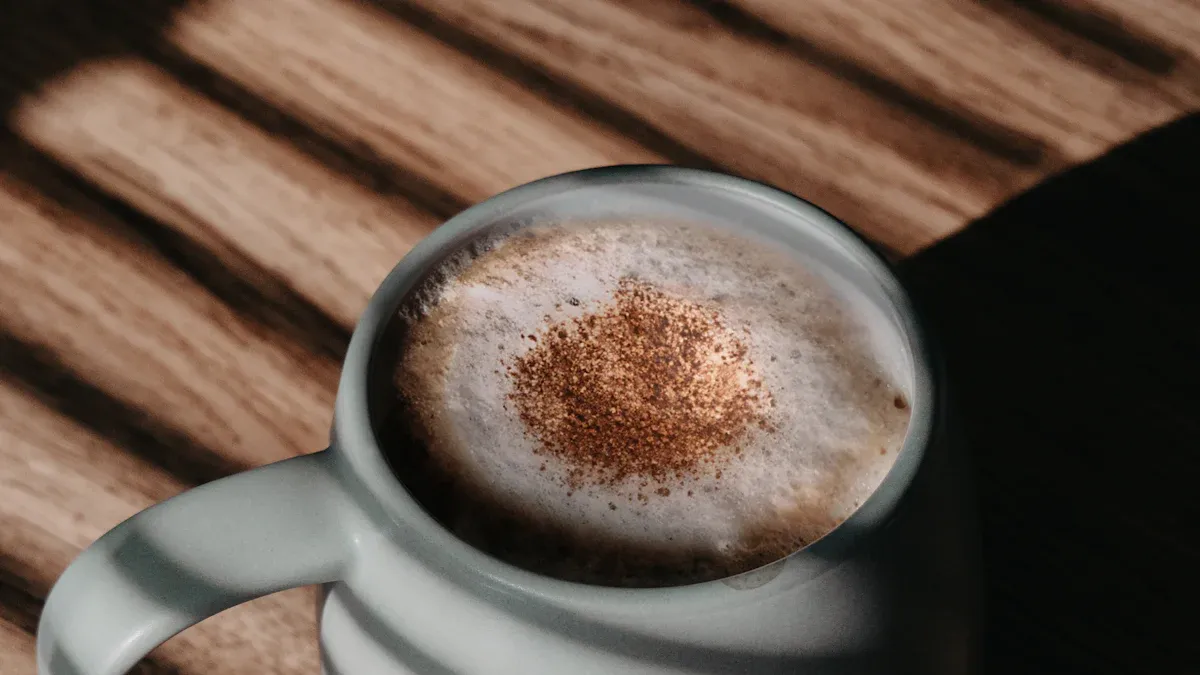
Coffee brings joy to many, transforming simple mornings into delightful rituals. As you embark on your quest for the perfect cup of coffee, refer to this Complete Guide that highlights several factors influencing flavor and aroma. Consider the origin of the beans, which can impart fruity or chocolatey notes, and the roast level that shapes the taste profile. Don’t overlook grind size, water temperature, and the quality of your beans. Each element plays a crucial role in making coffee an art form, helping you unlock the flavors that make your brew truly exceptional.
Key Takeaways
Choose high-quality coffee beans to enhance flavor and aroma. Look for ethically sourced and single-origin options.
Match your grind size to your brewing method for optimal extraction. Finer grinds work for quick methods, while coarser grinds suit longer brews.
Pay attention to the coffee-to-water ratio. A good starting point is 1:15, but adjust based on your taste preferences.
Control brewing temperature and time for the best results. Aim for 195 to 205 degrees Fahrenheit and follow recommended brew times for each method.
Experiment with different brewing techniques and flavor add-ins to discover your perfect cup. Each cup is a chance to refine your style!
Coffee Bean Selection
Choosing the right coffee beans is essential for brewing a perfect cup. The quality of the beans directly impacts the flavor, aroma, and overall experience of your coffee. Let’s dive into the different types of coffee beans and how to source high-quality options.
Types of Coffee Beans
You’ll find that there are primarily four types of coffee beans, but two stand out as the most popular: Arabica and Robusta. Here’s a quick overview of their characteristics:
Feature | Arabica | Robusta |
|---|---|---|
Caffeine Content | 1.2–1.5% | 2.2–2.7% |
Flavor Profile | Smooth, nuanced, sweet, fruity | Strong, bold, bitter, earthy |
Acidity | More acidic, bright flavor | Less acidic, fuller-bodied feel |
Arabica beans are known for their smooth and sweet flavor, making them a favorite among coffee enthusiasts. They thrive in higher altitudes and cooler climates, which contribute to their complex taste. On the other hand, Robusta beans pack a punch with their bold and earthy flavors. They contain more caffeine, which gives them a stronger kick.
In addition to Arabica and Robusta, you might encounter other varieties like Liberica and Excelsa. Liberica offers a unique, floral aroma and a somewhat woody taste, while Excelsa is known for its fruity and tart notes. Exploring these varieties can add exciting dimensions to your coffee experience.
Sourcing Quality Beans
When it comes to sourcing quality coffee beans, several factors come into play. Here are some key points to consider:
Ethical sourcing: Look for beans that are ethically sourced. This ensures fair trade practices and environmental standards, which can enhance the quality and taste of your coffee.
Single-origin beans: These beans come from specific farms or regions and are often of higher quality. Labels indicating origin, altitude, and processing methods reflect a commitment to traceability.
Q-grading system: This standardized method assesses and scores coffee quality, helping you understand what you’re purchasing.
The origin of coffee beans significantly affects their flavor profile. For instance, Ethiopian coffee is known for its floral and fruity characteristics, often revealing notes of blueberry and jasmine. Colombian coffee features a balanced acidic and nutty profile with hints of caramel and chocolate. Costa Rican coffee tends to be robust and chocolate-heavy, while Guatemalan coffee has a rich, spicy-sweet profile. Sumatran coffee, on the other hand, is earthy and smoky, showcasing darker, more complex flavors.
Understanding these factors will help you select high-quality beans that suit your taste preferences. Remember, the journey to the perfect cup starts with the right beans!
Brewing Method Choices
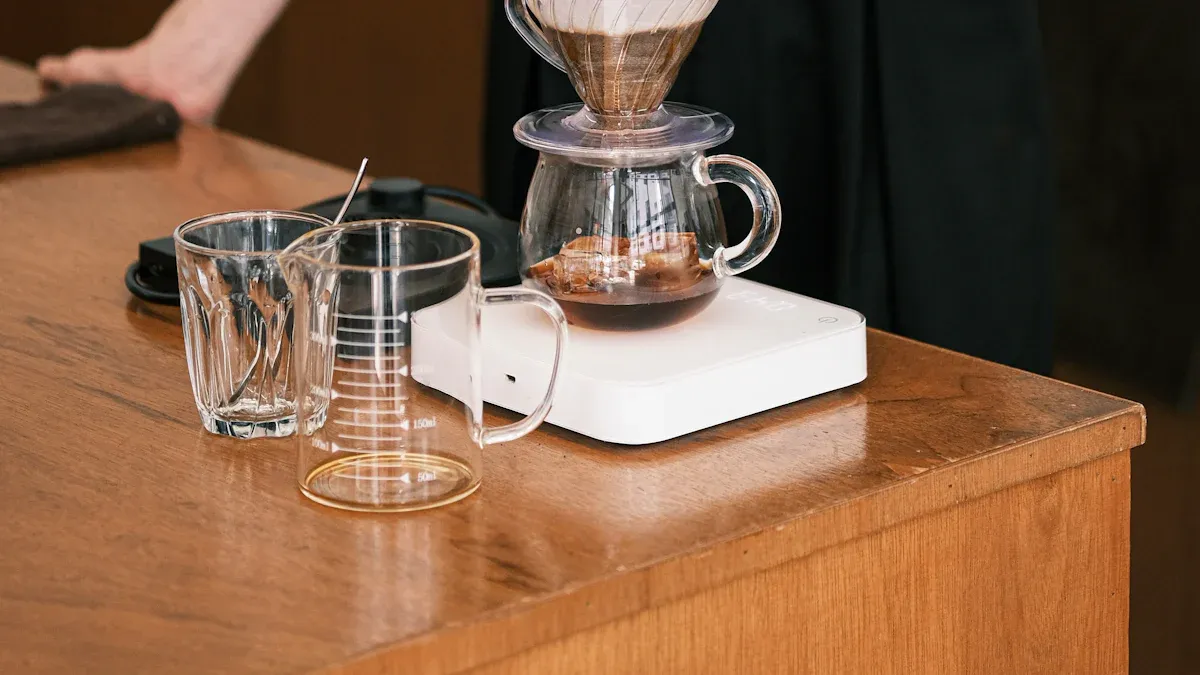
When it comes to brewing coffee, the method you choose can significantly impact the taste and aroma of your cup. Each technique offers a unique experience, allowing you to explore different flavors and strengths. Let’s take a closer look at some popular brewing techniques.
Popular Brewing Techniques
Here are some common brewing methods you might consider:
Pour-over: This method involves pouring water in stages over coffee grounds. It allows for controlled extraction, letting you tailor the flavor to your liking.
Drip coffee: Similar to pour-over but automated, this method trades some control for consistency in flavor. It’s a great choice for those who want a reliable cup every time.
French press: This technique uses full immersion, steeping coffee grounds in hot water for a longer time. The lack of a paper filter leads to a different flavor profile, often richer and more robust.
Espresso: By forcing pressurized hot water through finely ground coffee, espresso creates a concentrated flavor extraction. It’s the base for many coffee drinks, like cappuccinos and lattes.
Cold brew: This method involves steeping coarsely ground coffee in cold water for an extended period, usually 12 to 18 hours. The result is a smooth, less acidic coffee that’s perfect for warm days.
Each of these brewing techniques has its own charm and can produce a delightful cup of coffee. Experimenting with them can help you discover what you enjoy most.
Personal Preference in Brewing
Choosing the right brewing method often comes down to personal preference. Here are some factors to consider when selecting your brew method:
Factor | Description |
|---|---|
Water Temperature | Different methods require varying water temperatures, affecting extraction rates. |
Brew Time | Longer brew times can lead to over-extraction, making coffee bitter, while shorter times can under-extract, resulting in a weak flavor. |
Grind Size | The grind size of coffee beans impacts extraction. Finer grinds are typically used for methods requiring shorter brew times, while coarser grinds are better for longer methods. |
It’s also essential to avoid common mistakes when brewing. For instance, using the wrong grind size can ruin your coffee. Here’s a quick guide to help you:
Brew Method | Common Mistake | Fix |
|---|---|---|
Espresso | Wrong grind size | Use very fine grind for proper extraction |
Pour-over | Incorrect grind size | Use medium-fine grind for clarity |
Drip Coffee | Improper grind size | Use medium grind for consistency |
French Press | Too fine grind | Use coarse grind to avoid muddy texture |
Cold Brew | Grind too fine | Use extra coarse grind to prevent bitterness |
Lastly, don’t forget about water quality! Poor water can lead to bad flavors. High chlorine or heavy minerals can produce metallic or flat tastes. Always use filtered or mineral-balanced water for the best results.
By considering these factors and experimenting with different brewing techniques, you’ll find the perfect method that suits your taste. Remember, brewing coffee is as much about personal preference as it is about technique!
Grind Size and Coffee-to-Water Ratio
Importance of Grind Size
Grind size plays a crucial role in brewing coffee. It affects how well the water extracts flavors from the coffee grounds. Here’s how it works:
Coarser coffee grounds have less surface area. This allows water to flow more freely, extracting flavor compounds slowly.
Finer grounds have greater surface area. They slow down water flow and increase contact time, leading to quicker extraction.
When you brew coffee, the grind size influences the extraction process. If you use finer grounds for a method that requires a longer brew time, you might end up with a bitter cup. On the other hand, coarser grounds can lead to under-extraction, resulting in a weak flavor. Remember, grind size is just one factor. Other elements like brewer shape, filter type, and water temperature also play a part in how your coffee turns out.
Ideal Coffee-to-Water Ratio
Finding the right coffee-to-water ratio is essential for achieving the perfect brew. Here’s a handy table to guide you based on different brewing methods:
Brewing Method | Coffee-to-Water Ratio |
|---|---|
French Press | 1:12 to 1:16 |
Espresso | 1:2 |
Pour Over | 1:14 to 1:16 |
Cold Brew | 1:5 to 1:8 |
Adjusting the coffee-to-water ratio can change the strength and flavor of your brew. A higher ratio means a stronger body and more intense flavors. However, be careful! If you over-extract, your coffee might taste bitter. Conversely, a lower ratio can produce a lighter body, enhancing brightness and acidity. But watch out for sourness if you under-extract.
By understanding grind size and the coffee-to-water ratio, you can take your home brewing to the next level. Experiment with these variables to find what suits your taste best!
Brewing Temperature and Timing
When brewing coffee, temperature and timing are key players in achieving that perfect cup. Let’s explore the ideal brewing temperatures and the timing for different methods.
Ideal Brewing Temperatures
The optimal temperature range for brewing coffee lies between 195 to 205 degrees Fahrenheit. At these temperatures, water effectively extracts the flavors, acids, and oils from the coffee beans. Here’s how temperature affects your brew:
Brewing temperature acts as a tuning dial for flavor control.
Lower temperatures favor acids and lighter aromatics.
Higher temperatures extract sugars and bitter compounds more effectively.
Cooler brews risk thinness, while hotter brews require precision to avoid bitterness.
Getting the temperature right can make a world of difference in your coffee experience!
Timing for Brewing Methods
Timing is just as crucial as temperature. The right brew time can enhance the flavor profile of your coffee. Here’s a handy table to guide you on recommended brew times for various methods:
Coffee Method | Coffee Amount | Brew Time |
|---|---|---|
Espresso | 18g | 18-22 seconds |
French Press | 20g | 8 minutes total |
Pour Over | 20g | 3-4 minutes |
Drip Coffee | 10g | 5-6 minutes |
Cold Brew | 50g | 12-18 hours |
Remember, shorter brew times can lead to under-extraction, resulting in sour or flat flavors. On the flip side, longer brew times can cause over-extraction, leading to bitterness. Finding that sweet spot is essential for balancing acidity, bitterness, and aroma.
By paying attention to both temperature and timing, you can elevate your home brewing game and enjoy a delicious cup of coffee every time!
Flavor Enhancements and Add-Ins
When it comes to coffee, flavor is everything. The right enhancements can elevate your brew from good to extraordinary. Let’s explore the flavor profiles of different beans and some popular add-ins that can make your coffee experience even better.
Flavor Profiles of Beans
Different coffee beans offer unique flavor profiles based on their origin and processing methods. Here are some notable examples:
Ethiopian Coffee: Known for its fruity and floral notes, Ethiopian coffee often features tasting hints of berries, lemons, jasmine, and bergamot. You’ll find a bright acidity and a light, tea-like body that makes it refreshing.
Colombian Coffee: This coffee is famous for its well-rounded taste. Expect notes of caramel, chocolate, and fruity flavors, along with a nutty aroma. Colombian beans provide a smooth body with mild citrus-like acidity.
Sumatran Coffee: If you enjoy earthy and smoky flavors, Sumatran coffee is for you. It often has a rich, full-bodied profile with dark, complex flavors that can be quite satisfying.
The processing method also plays a significant role in the flavor. For instance:
Washed Process: This method produces coffee with higher acidity and brightness, showcasing the true character of the bean.
Honey Process: This balances fruitiness and sweetness, with the amount of mucilage left on the bean influencing the final flavor profile.
Natural Process: Here, whole cherries dry, allowing sugars and flavors from the fruit to transfer into the bean, resulting in a sweeter and fruitier taste.
Popular Add-Ins
Now that you know about the flavor profiles of different beans, let’s talk about some popular add-ins that can enhance your coffee:
Milk Alternatives: Almond milk, oat milk, coconut milk, and soy milk are great choices for those looking to add creaminess without dairy.
Sweeteners: Honey, maple syrup, agave syrup, and stevia can sweeten your brew without overpowering it. Just remember to use them sparingly!
Spices: Adding spices like cinnamon, nutmeg, or cardamom can introduce warmth and complexity to your cup. Turmeric is also a trendy addition for those seeking health benefits.
Flavoring Syrups: Caramel, vanilla, and hazelnut syrups can add a delightful twist to your coffee. Just be cautious not to overdo it, as too much sweetness can mask the coffee’s natural flavors.
To achieve balance, pair your add-ins with the coffee’s natural profile. For example, using caramel syrup with a dark roast can add warmth, while floral syrups can highlight fruity notes in lighter roasts. Achieving harmony is key; too much sweetness can overwhelm your coffee, so consider counterbalancing with cocoa powder or a pinch of sea salt.
By understanding the flavor profiles of different beans and experimenting with various add-ins, you can create a coffee experience that’s uniquely yours!
Enjoying Your Perfect Cup of Coffee
Proper Coffee Storage
To enjoy your coffee at its best, proper storage is essential. Here are some tips to keep your coffee fresh and flavorful:
Keep it sealed: Store your coffee in an airtight container to prevent exposure to oxygen. This helps maintain its aroma and taste.
Avoid light and heat: Keep your coffee away from direct sunlight and heat sources. Light can degrade the quality, while heat can cause the oils in the beans to go rancid.
Use original packaging: If your coffee comes in a bag with a one-way valve, use it! This design allows gases to escape while keeping oxygen out.
Consider vacuum sealing: For long-term storage, vacuum sealing can be a great option. It removes air and keeps your coffee fresh for months.
Freezing: If you need to store coffee for an extended period, freezing can work. Just make sure to use an airtight container to avoid humidity exposure.
For short-term storage, keeping roasted coffee beans in a sealed, opaque container at room temperature can preserve their flavor and aroma for up to two weeks. Here’s a quick reference table for how long different types of coffee retain freshness:
Type of Coffee | Retains Freshness |
|---|---|
Roasted coffee beans (room temp) | 1–3 weeks |
Roasted coffee beans (refrigerated) | 2 weeks |
Roasted coffee beans (frozen) | 3–4 months |
Best Practices for Serving
Serving your coffee the right way can enhance the overall experience. Here are some best practices to consider:
Optimal temperature: Serve your coffee between 155°F and 175°F (68°C to 80°C). This range maximizes flavor and aroma while preventing burns.
Presentation matters: Consider adding artistic designs in latte foam. This not only looks appealing but also adds to the enjoyment of your drink.
Coffee flights: If you’re feeling adventurous, try offering coffee flights. This allows you and your guests to explore different brewing methods and taste profiles.
Personalized service: Delivering drinks to your guests creates a relaxed atmosphere. It shows you care about their experience.
By following these storage and serving tips, you can truly enjoy your perfect cup of coffee!
Brewing the perfect cup of coffee is a delightful journey that combines both art and science. Remember these key takeaways as you explore your coffee-making adventure:
Select a brewer that fits your style, whether it’s a French Press or an automatic drip machine.
Choose high-quality coffee beans for the best flavor.
Grind your beans to match your brewing method for optimal extraction.
Pay attention to the coffee-to-water ratio and brewing temperature for a balanced taste.
As you experiment with different methods, don’t hesitate to adjust variables like grind size and brewing time. Each cup is an opportunity to discover new flavors and refine your unique brewing style. So, grab your favorite beans and start brewing—your perfect cup awaits!
FAQ
What is the best coffee-to-water ratio for brewing?
For most methods, a good starting point is a 1:15 ratio of coffee to water. Adjust based on your taste preferences. For example, use 1 gram of coffee for every 15 grams of water.
How long should I brew my coffee?
Brew times vary by method. For example, espresso takes about 20 seconds, while French press requires around 4 minutes. Experiment to find your ideal brew time for the best flavor.
Can I reuse coffee grounds?
You can reuse coffee grounds, but the flavor will be weaker. If you enjoy a milder cup, try it. Otherwise, fresh grounds yield a richer taste.
How should I store my coffee beans?
Store your coffee beans in an airtight container, away from light and heat. This keeps them fresh for longer. For extended storage, consider freezing them in a sealed bag.
What’s the difference between Arabica and Robusta beans?
Arabica beans are smooth and sweet, while Robusta beans are bold and bitter. Arabica has lower caffeine content, making it popular among coffee lovers. Robusta offers a stronger kick.