


Brewing your own beer can be an exciting adventure! But did you know that many people give up on home brewing? In fact, 94% of home brewers quit within their first year. This high failure rate often comes from common brewing mistakes. These errors can ruin flavor, aroma, and overall quality. By learning what these mistakes are and how to avoid them, you can enjoy a much better brewing experience. So, let’s dive in and make sure you don’t fall into the same traps as others!
Key Takeaways
Sanitation is essential. Always clean and sanitize your brewing equipment to prevent contamination and off-flavors.
Control fermentation temperature. Keep yeast within the ideal temperature range to ensure healthy fermentation and avoid unwanted flavors.
Use fresh ingredients. Check packaging dates on hops and malt to ensure vibrant flavors in your beer.
Accurate measurements matter. Use reliable tools to measure ingredients correctly for balanced flavors in your brew.
Follow brewing instructions closely. Skipping steps can lead to poor results, so take your time and enjoy the process.
Sanitation Mistakes
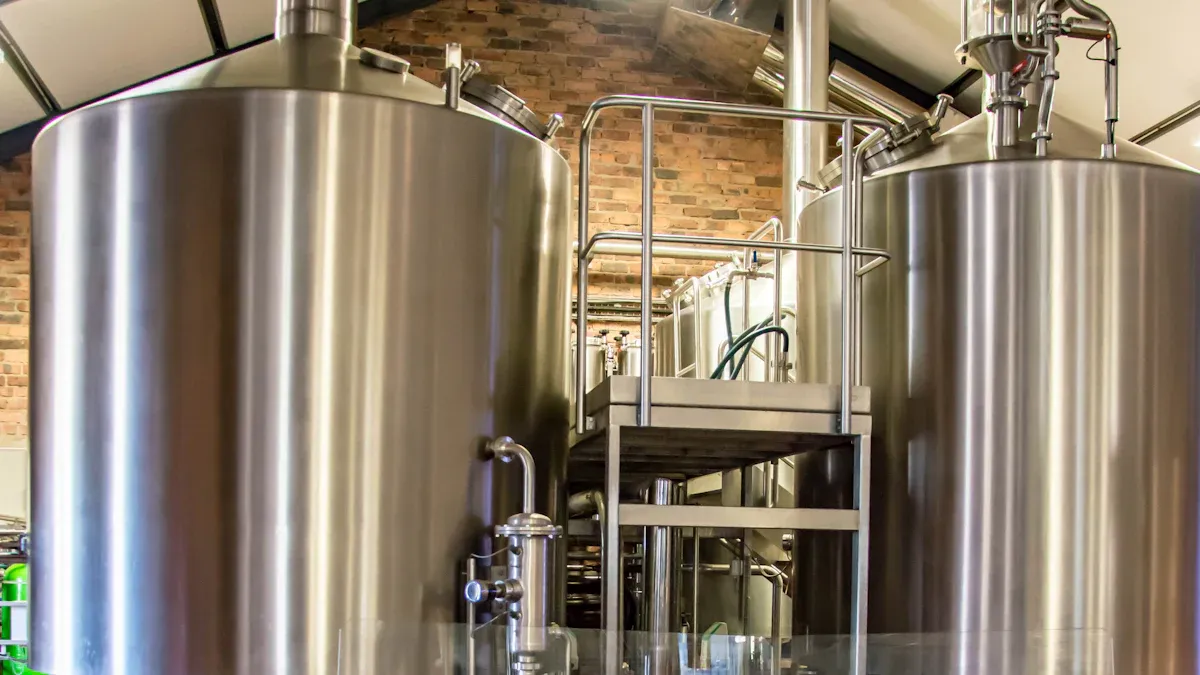
Cleanliness Essentials
Sanitation is the backbone of successful brewing. If you don’t keep your equipment clean, you risk ruining your beer. Contaminated beer can lead to off-flavors and spoilage. You want to avoid that at all costs! Here are some essential tips to ensure your brewing environment stays clean:
Always sanitize your equipment before use.
Use a no-rinse sanitizer designed specifically for brewing.
Break down your equipment completely and wash it by hand with an appropriate cleaner.
Common Sanitation Errors
Many beginner home brewing mistakes stem from poor sanitation practices. Here are some common errors and their consequences:
Sanitation Error | Consequence |
|---|---|
Impatience with sanitizer | Increased risk of infections and off-flavors |
Improper cleaning of equipment | Potential for infections that ruin beer flavor |
Insufficient yeast pitching | Can lead to poor fermentation and off-flavors |
You might not realize it, but even the raw materials you use can introduce contaminants. For example, improper cleaning of brewing equipment can lead to bacteria growth. This can happen during the bottling process too, where secondary contaminants can sneak in.
To prevent these issues, follow these cleaning and sanitation steps recommended by professional brewers:
Clean fermenters after every batch.
Manually scrub mash and lauter tuns to remove grain residues.
Clean kegs immediately after emptying to prevent beer stone formation.
Remember, cleanliness is key! By avoiding these common sanitation errors, you can significantly improve your brewing results.
“Over 80% of off-flavor complaints we trace back to keg sanitation stem not from microbial contamination—but from chemical carryover.” — Dr. Aris Thorne, Microbiology Lead, Siebel Institute of Technology
By paying attention to sanitation, you can enjoy brewing without the worry of contamination ruining your hard work.
Temperature Mistakes
Fermentation Control
Controlling fermentation temperature is crucial for brewing great beer. If you let the temperature fluctuate too much, you risk ruining your batch. Yeast thrives within specific temperature ranges, and keeping it steady ensures a healthy fermentation. For instance, ale yeasts ferment best between 55–70 °F (13–21 °C), while lager yeasts prefer cooler temperatures of 40–54 °F (4–12 °C).
When fermentation temperatures are too low, you might notice sluggish fermentation. On the flip side, high temperatures can lead to off-flavors. Higher fermentation temperatures increase the total amount of volatile compounds in your beer, which can enhance flavor and aroma but may also introduce unwanted characteristics.
To maintain optimal fermentation temperatures, consider these methods:
Evaporative Cooling: Place your fermenter in a tub of water and cover it with a wicking material to cool through evaporation.
Ice Bath: Surround your fermenter with ice water, keeping an eye on the ice levels to maintain the right temperature.
Temperature Controller: Use a temperature controller to automate cooling or heating processes.
Brewing Water Temperature
The temperature of your brewing water also plays a significant role in the mashing process. It affects how well you extract fermentable sugars from your grains. If the water temperature is too low, you might not extract enough sugars, leading to a drier beer. Conversely, too high a temperature can result in off-flavors and undesirable beer characteristics.
During mashing, aim for specific temperature ranges to optimize sugar conversion. For example, at 145°F (63°C), you encourage beta-amylase activity, producing more fermentable sugars. At 158°F (70°C), alpha-amylase kicks in, resulting in less fermentable sugars and a sweeter beer.
By mastering temperature control, you can significantly improve your brewing results. Remember, keeping your fermentation and brewing water temperatures in check is key to crafting the perfect brew!
Ingredient Quality
Freshness Matters
Using fresh and high-quality ingredients is vital for brewing great beer. Fresh hops and malt can significantly impact the flavor and aroma of your brew. When ingredients age, they lose their potency, which can lead to disappointing results. Here’s a quick look at how the age of hops and malt affects your beer:
Aspect | Hops | Malt |
|---|---|---|
Flavor Longevity | Quickly fades; loses about half of IBUs in 6 months | Can develop and change over time, especially in higher alcohol beers |
Aging Effects | Aging is generally not recommended for IPAs due to loss of flavor | Aging can enhance flavors, but sweetness may fade over time |
Ideal Conditions | Should be consumed fresh for best flavor | Higher alcohol content is ideal for aging, preserving complex flavors |
To ensure you’re using the best ingredients, always check the packaging dates. Fresh hops and malt will give your beer the vibrant flavors you want.
Accurate Measurements
Accurate measurements are just as crucial as ingredient quality. If you don’t measure correctly, you can end up with unbalanced flavors that ruin your brew. For example, using too much or too little of an ingredient can throw off the entire batch. Here are some common measurement errors and their impacts:
Measurement Error | Impact on Beer Balance |
|---|---|
Inaccurate measurement of dry ingredients | Can lead to unbalanced flavors and incorrect gravity, affecting the overall taste and finish of the beer. |
Use of low-quality water | May introduce off-flavors and alter the beer’s final gravity and pH, impacting the intended style and balance. |
To avoid these pitfalls, invest in reliable measuring tools. Here are some recommended products:
Product Name | Description | Capacity | Accuracy |
|---|---|---|---|
Digital Heavy Duty Scale | Ideal for weighing grains with a high capacity and reliable accuracy. | 440 pounds | High |
Stainless Steel Digital Scale | Perfect for measuring hops and small quantities with high precision. | Up to 11 pounds | Very High |
Escali Primo Precision Kitchen Food Scale | Great for measuring adjuncts and larger ingredients with ease. | 11 pounds | High |
By focusing on ingredient freshness and accurate measurements, you can elevate your brewing game. Remember, every detail counts when crafting the perfect beer!
Equipment Usage Mistakes
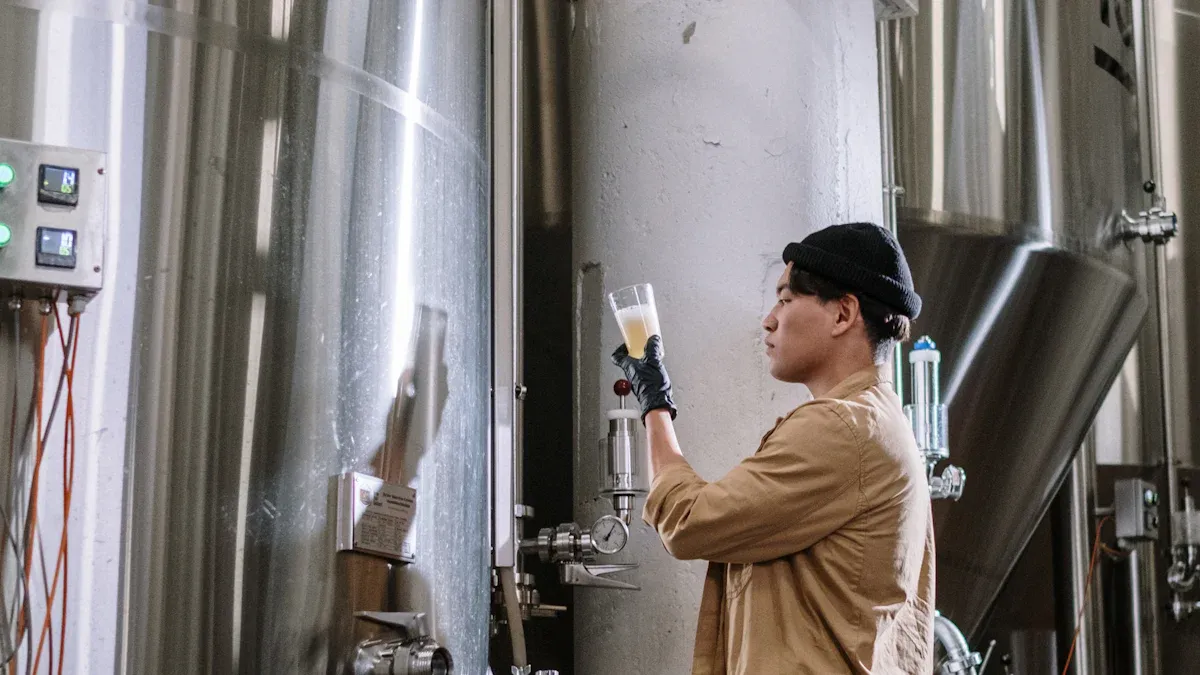
Maintenance Tips
Proper equipment maintenance is crucial for brewing success. Neglecting your gear can lead to contamination and batch failures. Here are some common maintenance mistakes to avoid:
Not Properly Cleaning and Sanitizing: Always clean your equipment after boiling to prevent contamination.
Not Taking Detailed Notes: Keep track of your processes for precision and troubleshooting.
Not Monitoring Fermentation Temperature: This is critical for successful fermentation.
To keep your equipment in top shape, follow this maintenance schedule:
Clean equipment thoroughly if not in use for a while.
Disassemble and clean the heat exchanger after long-term use.
Regularly check the electrical motor and pump connections.
Inspect the grinder for foreign matters and loose fasteners.
Monitor the concentration of alkali water in the tank.
Cleaning Equipment
Cleaning your brewing equipment effectively prevents residue buildup and contamination. Here are some effective cleaning methods:
Clean equipment immediately after use to prevent residue buildup.
Rinse with water or sanitizer while surfaces are still wet.
Soak with a preferred cleaner like CraftMeister’s Keg and Carboy Cleaning Tablets for effective results.
Using high-pressure hot water can help remove stubborn residue. For tough spots, scrub the interior with a clean washrag.
Failure Mode | Early Warning Signs | Contamination Impact |
|---|---|---|
Conveyor Belt Deterioration | Surface cracking or fraying; Edge separation | Bacteria can harbor in cracks, leading to contamination. |
Heat Exchanger Fouling | Increased temperature differential; Pressure drop | Insufficient heat treatment can allow pathogens to develop. |
Pump Seal Degradation | Minor leakage; Increased seal flush water | This can introduce bacteria into your brew. |
By following these maintenance and cleaning tips, you can ensure your brewing equipment stays in excellent condition. This will help you avoid common pitfalls and enjoy brewing great beer!
Common Brewing Process Mistakes
Following Instructions
Following brewing instructions is crucial for your success. Skipping steps can lead to undesirable results. Many beginner home brewing mistakes stem from overlooking key processes. For instance, neglecting to chill the wort quickly can allow wild bacteria to form, ruining your beer. Additionally, not sanitizing all equipment that touches the wort can lead to contamination.
Here are some common process mistakes made during brewing:
Lax cleaning and sanitation – Essential for preventing contamination.
Adding 5 oz. of priming sugar no matter what – This can lead to over-carbonation issues.
Brewing without temperature control – Important for achieving desired beer styles.
Under pitching yeast – Necessary for healthy fermentation.
Worrying – Can lead to unnecessary mistakes during the brewing process.
Timing and Additions
Timing is everything in brewing. Rushing through the mashing process can lead to incomplete sugar conversion, resulting in a less flavorful beer. You should allow sufficient time for enzymatic activity to ensure optimal sugar extraction. The ideal mashing duration is between 60 to 90 minutes. Insufficient time can lead to a less fermentable wort, impacting the overall quality of your beer.
Common timing errors include:
Incorrect mash temperatures.
Insufficient mash time.
These mistakes can affect the body and sweetness levels in your beer. By paying attention to timing and following instructions closely, you can avoid these common brewing mistakes and create a delicious final product.
Remember, brewing is both an art and a science. Take your time, follow the steps, and enjoy the process!
Brewing can be a rewarding journey, but avoiding common mistakes is crucial for success. Here’s a quick recap of what to watch out for:
Mistake | Solution |
|---|---|
Inadequate aeration of wort | Shake the chilled wort for several minutes to absorb the ideal amount of oxygen. |
Incorrect pitching temperatures | Check the wort temperature before pitching yeast; it should be at or below the target. |
Fermenting at high temperatures | Monitor ambient temperature to avoid off-flavors. |
By applying these tips, you can enhance your brewing quality. Remember, experimentation is key! Don’t hesitate to try new techniques and learn from your mistakes. Engaging with the brewing community can also provide valuable insights. So, roll up your sleeves, brew with confidence, and enjoy the process! 🍻
FAQ
What is the most important step in brewing beer?
Sanitation is crucial. Always clean and sanitize your equipment before use. This prevents contamination and off-flavors, ensuring your beer tastes great.
How can I control fermentation temperature?
Use a temperature controller or place your fermenter in a water bath. Keeping the temperature steady helps yeast perform optimally, leading to better beer.
How do I know if my ingredients are fresh?
Check the packaging dates on hops and malt. Fresh ingredients provide vibrant flavors. If they’re past their prime, consider replacing them for better results.
What should I do if my beer tastes off?
Identify potential issues like sanitation errors or incorrect fermentation temperatures. Taste your beer and note any off-flavors. Adjust your process for future batches.
How can I improve my brewing skills?
Practice regularly and keep detailed notes. Join local brewing clubs or online forums to share experiences and learn from others. Experimentation is key!
