

When it comes to choosing a coffee grinder, burr grinders often take the lead over blade grinders. The right coffee grinder can make a big difference in your coffee experience. A good grinder ensures even extraction, which enhances the flavor of your brew. Selecting the right one not only elevates your morning routine but also helps you enjoy the rich nuances of your favorite coffee.
Key Takeaways
Burr grinders provide consistent grind sizes, enhancing flavor extraction for a better coffee experience.
Blade grinders are budget-friendly and easy to use, making them suitable for casual coffee drinkers.
Investing in a burr grinder can lead to long-term savings and improved coffee quality over time.
Choose a grinder based on your brewing method; burr grinders excel in precision for espresso and pour-over, while blade grinders work for simpler methods.
Regular maintenance is key; clean your grinder monthly to ensure optimal performance and flavor.
Blade Grinders
Features of Blade Grinders
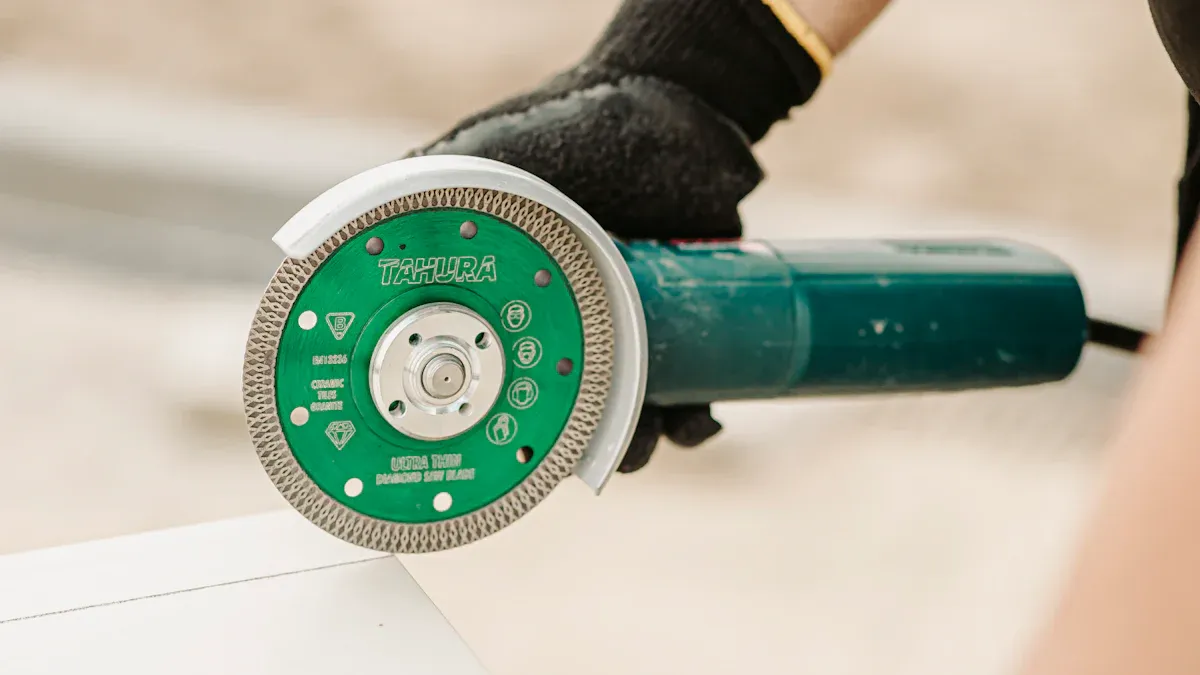
Blade grinders are a popular choice for many casual coffee drinkers. They operate using sharp blades that spin rapidly to chop coffee beans into uneven sizes. This mechanism leads to a mix of different particle sizes, which can affect your coffee’s flavor. Here are some key features of blade grinders:
Feature | Description |
|---|---|
Simple to Use | Blade grinders are user-friendly; you simply add beans, close the lid, and press a button without needing to adjust settings. |
Inconsistent Grind Size | The grind produced is uneven, resulting in a mix of particle sizes that can lead to poor extraction and flavor issues. |
Heat Generation | High-speed operation generates heat, which can degrade the coffee’s flavor by affecting aromatic compounds. |
No Real Control Over Grind | Users have limited control over grind size, making it difficult to achieve consistent results across different brewing methods. |
Because of these features, blade grinders are best suited for those who enjoy a quick and easy coffee-making process. If you’re not too picky about grind consistency and flavor nuances, a blade grinder might be just what you need.
Best Brewing Methods for Blade Grinders
When it comes to brewing methods, blade grinders work best with simpler techniques. Here are a few methods that pair well with the inconsistent grind produced by blade grinders:
French Press: The coarse grind produced by a blade grinder works well for French press coffee. The longer steeping time allows for some flavor extraction, even with uneven particle sizes.
Cold Brew: Similar to French press, cold brew benefits from a coarser grind. The extended brewing time helps to balance out the flavor, making it a great option for blade grinder users.
Drip Coffee: While not ideal, you can still use a blade grinder for drip coffee. Just be mindful that the uneven grind may lead to some bitterness or sour notes in your cup.
If you enjoy experimenting with different brewing methods, you might find that a blade grinder meets your needs. However, if you’re looking for a more refined coffee experience, you may want to consider upgrading to a burr grinder in the future.
Burr Grinders
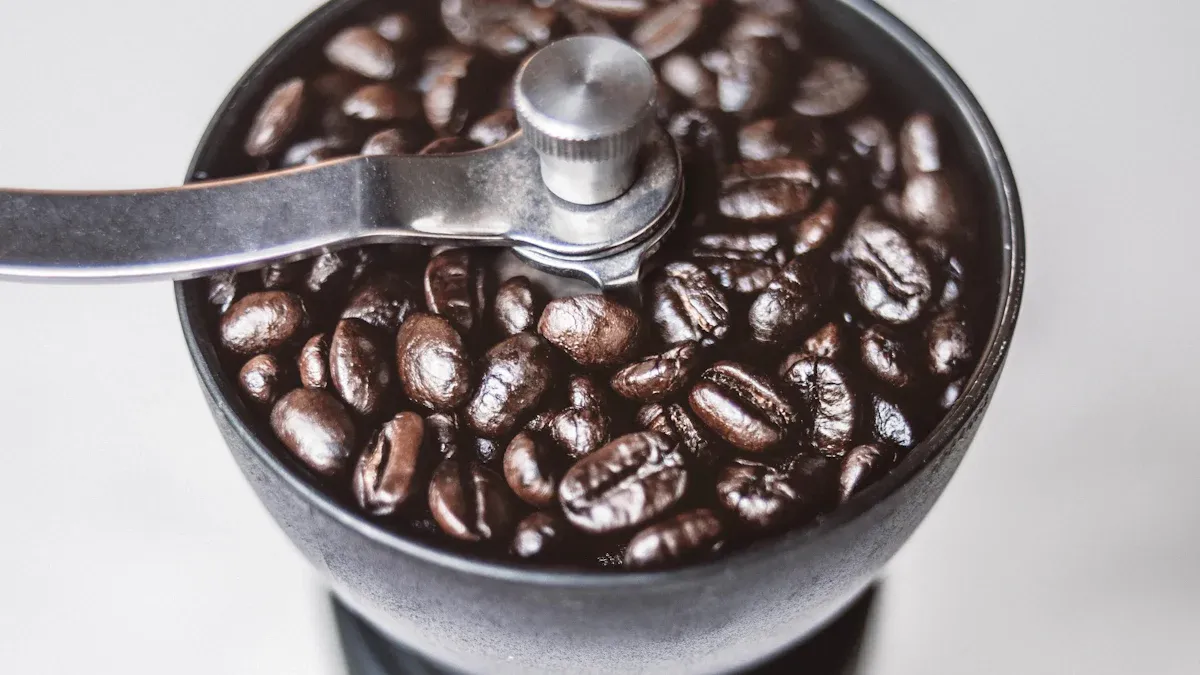
Burr grinders are a favorite among serious coffee drinkers. They use two burrs—one fixed and one rotating—to crush coffee beans into uniform sizes. This mechanism sets them apart from blade grinders, which chop beans unevenly. With burr grinders, you can adjust the distance between the burrs to control the grind size. This precision allows you to brew coffee that truly highlights the flavors of your beans. Plus, burr grinders operate at slower speeds, which reduces heat generation and helps preserve the coffee’s rich flavors.
Features of Burr Grinders
Burr grinders come with several features that make them popular among coffee enthusiasts. Here’s a quick look at what makes them stand out:
Feature | Description |
|---|---|
Grind Consistency | Burr grinders ensure uniform grinding, which is crucial for flavor extraction. |
Adjustable Grind Size | They allow precise adjustments for different brewing methods, enhancing versatility. |
Build Quality | The materials and construction quality affect durability and performance. |
In addition to these features, modern burr grinders often include advanced options like digital timers and anti-static technology. These enhancements improve your overall experience and make brewing coffee even more enjoyable.
Best Brewing Methods for Burr Grinders
Using a burr grinder opens up a world of brewing possibilities. Here are some methods that benefit most from the consistent grind size that burr grinders provide:
Espresso: A very fine, uniform grind is essential for espresso. It ensures optimal extraction and a rich flavor.
Pour-over / Drip Coffee: A medium-fine to medium grind works best here. It allows for even extraction, resulting in a balanced cup.
French Press / Cold Brew: A coarse grind is ideal for these methods. The longer brewing time helps extract flavors, even with larger particles.
With a burr grinder, you gain the ability to customize your grind size for each brewing method. This control leads to better flavor clarity and consistency in your coffee. If you’re serious about your coffee, investing in a burr grinder is a step toward elevating your brewing game.
Performance Comparison
Grind Consistency
When it comes to grind consistency, burr grinders clearly outperform blade grinders. Burr grinders utilize two blades with adjustable spacing, allowing you to control the grind size more effectively. This means you get a uniform size for each particle, which is crucial for brewing great coffee. Here’s how they compare:
Burr grinders:
Break beans into chunks before producing consistently sized particles.
Crush coffee repeatedly, resulting in a uniform size that enhances flavor clarity.
Blade grinders:
Chop coffee particles inconsistently, leading to uneven distribution.
Produce an inconsistent grind size, which can negatively impact your coffee’s taste.
With burr grinders, you can achieve better consistency and extraction, making them the preferred choice for serious coffee lovers.
Flavor Extraction
Flavor extraction is where the differences between these two types of grinders become even more pronounced. The grind size significantly influences how well your coffee extracts flavors during brewing. Here’s what you need to know:
Finer grinds extract flavors more quickly due to a larger surface area. This means that if you use a burr grinder, you can achieve optimal flavor extraction faster.
Coarser grinds, on the other hand, extract flavors more slowly. While this can work for some brewing methods, it may not yield the best results if you’re using a blade grinder.
Experts agree that burr grinders provide uniform grinding, which leads to better flavor extraction. In contrast, blade grinders create inconsistent particle sizes, resulting in uneven extraction and inferior coffee quality.
To sum it up, if you want to enjoy a rich and flavorful cup of coffee, investing in a burr grinder is a smart move. The grind consistency and flavor extraction you gain will elevate your coffee experience to new heights.
Cost of the Right Coffee Grinder
When you’re ready to invest in a coffee grinder, price is a big factor. Let’s break down what you can expect to pay for both blade and burr grinders.
Blade Grinder Prices
Blade grinders are generally more affordable. You can find them in various price ranges:
Basic blade grinders: $10 – $15 (less durable)
Mid-range blade grinders: $15 – $25 (best value)
Premium blade grinders: $25 – $40 (better quality)
These prices make blade grinders an attractive option for casual coffee drinkers. However, keep in mind that while they save you money upfront, they may not deliver the best flavor or consistency.
Burr Grinder Prices
On the other hand, burr grinders come with a higher price tag. Here’s what you can expect:
Grinder Type | Price Range |
|---|---|
Burr Grinders | $80 – $500+ |
Blade Grinders | $10 – $40 |
Investing in a high-quality burr grinder might seem steep at first. However, you gain better grind quality and more control over your coffee. The initial investment can lead to long-term savings. For example, after about a year, you might find that brewing at home saves you money compared to daily café visits.
Plus, the difference in flavor is noticeable. The first time you brew coffee with a burr grinder, you’ll taste clarity you didn’t know coffee could have. So, while blade grinders are budget-friendly, burr grinders offer a better return on investment for serious coffee lovers.
Durability and Maintenance
When choosing a coffee grinder, durability and maintenance are key factors to consider. You want a grinder that lasts and doesn’t require constant upkeep.
Blade Grinder Lifespan
Blade grinders typically have a shorter lifespan compared to burr grinders. Most manufacturers suggest that these grinders can last around 5 years for industrial-grade models. However, many casual users find that their blade grinders may wear out sooner due to the high-speed chopping mechanism. Here’s a quick look at the expected lifespan:
Type of Grinder | Expected Lifespan |
|---|---|
Industrial-grade | Minimum 5 years |
Burr Grinder Lifespan
Burr grinders, on the other hand, can last significantly longer. Their lifespan usually ranges from 5 to 30 years, depending on several factors:
The quality of materials used in construction.
How often you use the grinder.
Your maintenance practices, like regular cleaning and replacing worn parts.
Investing in a high-quality burr grinder can pay off in the long run, as it often outlasts its blade counterpart.
Maintenance Requirements
Maintaining your grinder is essential for optimal performance. Here’s what you need to know about keeping both types in good shape:
Blade Grinders:
Clean your grinder at least once a month.
If you use it multiple times a day, consider cleaning it more often.
Cleaning is straightforward, usually involving just a few simple steps.
Burr Grinders:
These should be cleaned monthly, but you might need to do it more often if you grind darker roasts.
They may require more detailed cleaning due to oil extraction from the beans.
By understanding the lifespan and maintenance needs of your grinder, you can ensure that it continues to deliver great flavor in your coffee for years to come.
Pros and Cons of Each Grinder
Blade Grinder Pros and Cons
Blade grinders have their own set of advantages and disadvantages. Here’s a quick look at what you can expect:
Advantages | Disadvantages |
|---|---|
Cost-effective | Inconsistent grind size |
Compact design | Limited control over grind size |
Easy to maintain | Noisy during operation |
Quick grinding speed | Potential heating of the grind |
Blade grinders are great if you’re on a budget and need something simple. They’re compact and easy to clean, making them perfect for those who want a quick cup of coffee without fuss. However, the inconsistent grind size can lead to uneven extraction, which might affect the flavor of your brew.
Burr Grinder Pros and Cons
Burr grinders, on the other hand, offer a different experience. Here’s what you should know:
Feature | Ceramic Burrs | Stainless Steel Burrs |
|---|---|---|
Grind Consistency | Excellent for consistent grinds in manual use | Very good in high-speed applications |
Heat Resistance | Doesn’t retain heat—preserves coffee aroma | Conducts heat—can affect flavor if overused |
Corrosion Resistance | Fully rust-proof | Can corrode in humid environments |
Durability (Wear) | Long-lasting with minimal wear | Wears faster over time with heavy use |
Durability (Impact) | Can crack if dropped | High impact resistance |
Noise Level | Quieter when grinding | Typically louder during use |
Cleaning & Maintenance | Easy to clean, no rust | Needs drying to prevent rust over time |
Cost | Slightly higher | Generally more economical |
Burr grinders shine when it comes to grind consistency and flavor extraction. You can adjust the grind size for different brewing methods, which is a big plus. While they may cost more and require a bit more cleaning, the quality of coffee you get is often worth it.
Choosing the Right Grinder for You
For Espresso Lovers
If you love brewing espresso, you need a grinder that delivers precision and consistency. Espresso requires a fine grind to extract the rich flavors in a short brewing time. A burr grinder is your best bet here. It provides the uniform grind size essential for espresso machines.
Espresso is unforgiving. It demands a precision that a standard kitchen gadget simply cannot provide. If you are using a blade grinder, you are essentially chopping your beans with a lawnmower when you need a scalpel.
When selecting a grinder for espresso, consider these key features:
Grind Consistency: Look for a grinder that produces a uniform grind. This consistency helps avoid sour or bitter notes in your espresso.
Adjustable Settings: You want a grinder that allows you to fine-tune the grind size. This flexibility is crucial for achieving the perfect shot.
Quality Build: Invest in a durable grinder made from high-quality materials. A well-constructed grinder will last longer and perform better.
For French Press Enthusiasts
If you prefer the bold flavors of French press coffee, you’ll want a grinder that can produce a coarse grind. A burr grinder is again the ideal choice here. It ensures that you get a consistent grind size, which is vital for brewing a great cup.
Characteristic | Description |
|---|---|
Consistency | A grinder must produce a uniform coarse grind to avoid under-extraction or over-extraction. |
Grind Settings | A wide range of settings allows for versatility in brewing methods beyond just French press. |
Durability | Grinders should be well-constructed from quality materials to withstand daily use. |
Ease of Use | Simpler designs with fewer parts are easier to clean and maintain, saving time in coffee preparation. |
Capacity | Choose a grinder size based on your usual coffee-making needs, especially for larger brews. |
With a burr grinder, you can easily grind your own coffee to the perfect coarseness for French press brewing. This control leads to a more flavorful cup, as the longer steeping time allows for optimal extraction of the coffee’s oils and flavors.
Choosing the right coffee grinder can make a world of difference in your brewing experience. Remember, burr grinders produce uniformly sized coffee grounds, enhancing flavor consistency. They’re perfect for those who love espresso or pour-over methods. On the other hand, blade grinders are more affordable and user-friendly, making them ideal for casual coffee drinkers.
Ultimately, your choice should reflect your brewing habits. A proper grind size is essential for extracting the best flavors from your coffee. So, whether you prefer the precision of a burr grinder or the simplicity of a blade grinder, make sure it aligns with how you enjoy your coffee.
FAQ
What’s the main difference between blade and burr grinders?
Blade grinders chop beans unevenly, while burr grinders crush them into uniform sizes. This difference affects grind consistency and flavor extraction, making burr grinders the preferred choice for serious coffee lovers.
Can I use a blade grinder for espresso?
You can, but it’s not ideal. Blade grinders produce inconsistent grinds, which can lead to poor extraction and bitter flavors in espresso. A burr grinder is better for achieving the fine grind needed for espresso.
How often should I clean my grinder?
For blade grinders, clean them at least once a month. Burr grinders require monthly cleaning too, but you may need to do it more often if you grind oily beans. Regular cleaning ensures optimal performance.
Are expensive grinders worth the investment?
Yes! Higher-quality grinders provide better grind consistency and flavor extraction. Investing in a good grinder can enhance your coffee experience and save you money in the long run by reducing waste.
What grind size should I use for French press?
For French press, aim for a coarse grind. This size allows for optimal extraction during the longer brewing time, resulting in a rich and flavorful cup of coffee.