

Coffee Arabica plants need a potting medium that holds moisture without staying dense around the roots. Your indoor coffee plant, patio container, or young outdoor planting benefits from air pockets, steady nutrition, and drainage that keeps watering manageable. The right mix also depends on your setup: a compact indoor pot calls for a different texture than a raised bed or an in-ground planting area.
The Shortlist for Your Coffee Plant
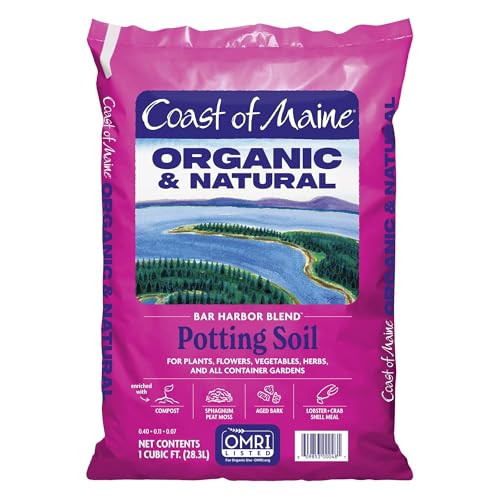
Coast of Maine Bar Harbor Blend Potting Soil (1 CF)

Coast of Maine Castine Blend Raised Bed Mix, 1 cu ft

Back to the Roots Organic Indoor Soil Block, 6 Quarts

Wonder Soil Ready to Plant Compressed Coco Coir 30 Quarts
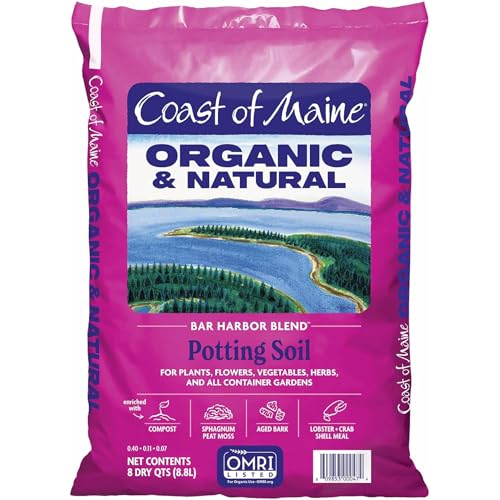
Coast of Maine Bar Harbor Blend Potting Soil (8 QT)

Mother Earth Groundswell Performance Soil 1.5 cu ft
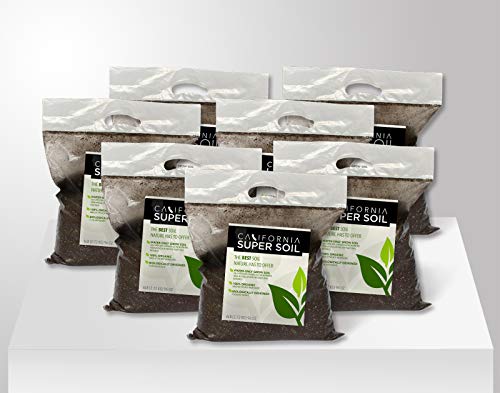
California Hot Soil Organic Super Soil Kit, 18+ Nutrient Blend

Espoma Organic All-Purpose Garden Soil, 1 Cubic Foot

Imperial Roots Indoor Plant Potting Mix, 4qt Peat-Free
More Details On Our Top Picks
For a coffee Arabica living in a container, this blend puts drainage and nutrient-bearing organic matter in the same bag. Sphagnum peat moss holds water, while perlite, a lightweight porous mineral, creates air channels that help prevent the root zone from becoming packed.
Compost, kelp meal, and shell meals give the mix a more involved ingredient profile than a plain peat mix. For most indoor growers using a drainage-hole pot, that balance makes everyday watering easier to judge, though the 0.53-cubic-foot bag makes more sense for several pots than a single small starter plant.
Strong Points
- Perlite helps water move through a container instead of lingering around roots.
- Peat moss and compost support moisture retention between routine waterings.
- Kelp and shell-based meals add naturally sourced amendments to the mix.
- A 0.53-cubic-foot volume suits repotting several medium containers.
- Works across indoor pots, hanging containers, and patio planters.
Things To Consider
- The larger bag takes more storage space than a compressed block.
- You may want a scoop and floor cover indoors, since loose potting soil can scatter during repotting.
Key Specs
Who It Suits Best
You benefit most from this choice when your coffee Arabica needs repotting into a medium or large container and you want a ready-made all-purpose blend.
Where Another Pick Suits Better
Back to the Roots Organic Indoor Soil Block, 6 Quarts suits apartment growers who only need enough material for one compact pot.
Castine Blend targets raised beds, planter boxes, and containers rather than indoor decorative pots. That distinction matters because a coffee Arabica outdoors in a roomy planter often needs more water-holding capacity than the perlite-led Bar Harbor Blend.
Worm castings, biochar, greensand, kelp meal, and shell meals build a layered amendment profile. Mycorrhizae are beneficial fungi associated with roots, and their inclusion may appeal to you when establishing a larger patio planting, although the mix is bulkier to handle indoors.
What We Like
- Ready-to-use format avoids a separate mixing step before planting.
- Biochar is a carbon-rich material that can help maintain a more open growing medium.
- Worm castings add organic matter suited to long-season container growing.
- One cubic foot provides useful volume for a raised planter or large tub.
Worth Noting
- Its raised-bed focus can feel excessive for a small desktop coffee plant.
- Owners commonly need a dry shelf or covered bin for an opened one-cubic-foot bag.
- Watering needs still depend on pot size, sun exposure, and drainage holes.
At A Glance
Made For
You get the strongest fit from Castine Blend when a coffee Arabica grows in a substantial outdoor container, raised planter, or sheltered patio bed.
Consider Something Else When
Mother Earth Groundswell Performance Soil 1.5 cu ft suits you better when you want added pumice and perlite for a distinctly airier container medium.
A compressed coir block makes sense where bulky bags are inconvenient, especially in an apartment with limited closet space. Add water, and the block expands to six quarts of soil for a modest coffee plant repot or a few starter containers.
Coir is fiber from coconut husks, valued in potting media for its light texture and moisture management. Compared with the nutrient-dense Coast of Maine mixes, this is a simpler indoor-format choice, so you may need to monitor the coffee plant’s feeding routine as it matures.
Highlights
- Compressed storage keeps unused medium far easier to tuck into a small home.
- Expands to six quarts after hydration for a manageable repotting amount.
- Coir-based texture supports both moisture retention and air movement.
Trade Offs
- You need a tub or bucket to hydrate and break apart the block cleanly.
- The smaller yield does not suit a large patio planter.
- You may find a supplemental nutrition plan useful for a mature, actively growing coffee plant.
Technical Sheet
Right Fit For
You benefit from this block when your young coffee Arabica needs fresh medium and your home has little room for a conventional soil bag.
Not Your Match When
Wonder Soil Ready to Plant Compressed Coco Coir 30 Quarts suits you more when several containers need filling from one hydrated pack.
Wonder Soil takes the space-saving approach of Back to the Roots and scales it up for several pots. Three compressed bricks expand to 30 quarts, which gives you enough material for a small coffee collection or a sizeable container refresh.
The coir includes worm castings, mycorrhizae, kelp, and added nutrients. That ingredient list gives you more built-in amendment support than a plain coir brick, though hydration takes planning because the full expanded volume is substantial.
Upsides
- Three bricks expand into 30 quarts of potting medium.
- Compressed bricks are easier to store before your repotting day.
- Worm castings and kelp add organic inputs to the coir base.
- Mycorrhizae add a root-associated biological component.
- Useful for filling several containers without hauling loose soil bags.
- Suitable across indoor and outdoor gardening applications.
Minor Gripes
- You need enough water and a large container to hydrate all three bricks.
Feature Snapshot
Best Suited To
You get the most from this pack when several coffee Arabica containers need new medium and storage space matters before planting day.
Look Elsewhere When
Coast of Maine Bar Harbor Blend Potting Soil (8 QT) suits you better for one ready-to-pour indoor repot without a hydration step.
The 8-quart Bar Harbor option brings the same peat, compost, perlite, kelp meal, and shell-meal profile into a more manageable package. That makes it a sensible route for your single coffee plant beside a bright window, where you do not need the larger 0.53-cubic-foot bag.
Its slow-release nitrogen is designed to provide nourishment over time rather than all at once. The honest read is that it remains an all-purpose potting mix, so you still need to match watering frequency to your room temperature and pot drainage.
Standout Traits
- Eight quarts suit a single repot or several small containers.
- Perlite supports airflow around roots in a confined pot.
- Slow-release nitrogen supports a steadier nutrient supply over time.
- Works for indoor and outdoor container planting.
Room For Improvement
- Eight quarts may not fill a large floor planter with much left over.
- Opened bags stay tidier when sealed inside a lidded storage tote.
Quick Facts
Who Will Love This
You will appreciate this size when one medium indoor coffee Arabica needs a straightforward refresh without leftover bulk to store.
A Better Fit Elsewhere
Coast of Maine Bar Harbor Blend Potting Soil (1 CF) suits you more when several sizable containers need the same perlite-based blend.
Groundswell leans harder into aeration than the Coast of Maine options. Peat moss and forest products provide the organic base, while both perlite and pumice, a porous volcanic rock, create a more open texture for roots.
That structure can suit your coffee Arabica in a warm, bright room where dense soil dries slowly. You may find the added control useful with a large pot, though this 1.5-cubic-foot bag is more material than a casual one-plant setup needs.
Bright Spots
- Perlite and pumice create two sources of mineral porosity.
- High-aeration construction helps you avoid a heavy, compacted pot texture.
- Worm castings add organic material to the blend.
Points To Note
- The 1.5-cubic-foot bag needs meaningful storage room after opening.
- A more aerated mix can dry sooner in small pots or dry indoor air.
- Owners commonly keep loose material in a sealed bin to prevent moisture exposure and spills.
Feature Rundown
Who Should Grab It
You suit Groundswell when you manage larger coffee containers and prefer a highly porous mix that gives you closer control over watering.
Skip It When
Imperial Roots Indoor Plant Potting Mix, 4qt Peat-Free suits you better for a compact indoor pot and a smaller amount of chunky medium.
California Hot Soil is aimed at gardeners who want an amendment-heavy living soil approach. Its blend contains more than 18 nutrient inputs and undergoes fermentation for just over two months before packaging, a process intended to begin breaking down amendments.
For a mature coffee Arabica in a generous container, that depth may be appealing. One thing worth considering is that highly amended soil gives you less reason to add materials blindly, so attentive watering and a restrained approach to extra feeding remain sensible.
Reasons To Buy
- More than 18 nutrient inputs create an involved amendment blend.
- Living-soil formulation may suit growers who prefer a biologically active medium.
- Pre-pack fermentation begins the amendment breakdown process.
- Seven 6-pound bags let you portion material across larger planting projects.
- Useful for indoor and garden soil applications.
Softer Spots
- The seven-bag format is impractical for a single small indoor coffee plant.
- You need dry, protected storage for multiple bags.
- The nutrient-rich profile may not suit you when a lighter, more adjustable base mix is the goal.
- Mixing extra amendments without a clear reason can complicate your maintenance routine.
Spec Overview
Built With In Mind
You fit this kit when your established coffee Arabica grows in a large container and you already manage amended soil with care.
Another Choice May Suit
Coast of Maine Castine Blend Raised Bed Mix, 1 cu ft suits you better for a ready-to-use outdoor planter mix with a less intensive ingredient profile.
Espoma’s garden soil has a different role from the container-focused options above: it is intended to improve native ground during planting or transplanting. That makes it relevant for coffee Arabica only where your climate and growing arrangement support outdoor in-ground placement.
Earthworm castings and Myco-tone, a proprietary combination of endo and ecto mycorrhizae, add organic and fungal components. Depending on your native soil, you may still need to assess drainage before planting, because a garden-soil amendment does not turn a poorly draining site into a container mix.
Plus Points
- Designed to blend with native soil during planting and transplanting.
- Earthworm castings add organic matter at the planting site.
- Myco-tone includes both endo and ecto mycorrhizae.
- One cubic foot suits a ground-level planting area.
Small Caveats
- It is not positioned as a standalone potting medium for an indoor coffee pot.
- You need to loosen and blend it through the planting area rather than layer it in one dense pocket.
Details At A Glance
The Right Fit
You benefit from Espoma when your coffee Arabica is headed into an outdoor garden site where native soil needs enrichment at planting time.
Reach For A Different Pick When
Mother Earth Groundswell Performance Soil 1.5 cu ft suits container gardeners who need a ready-made medium with perlite and pumice.
Imperial Roots uses coco coir, biochar, and pumice in a peat-free, soilless blend with a visibly chunkier structure. That makes it a plausible fit for your indoor coffee Arabica where a dense, water-retaining mix has been difficult to manage.
Its 4-quart quantity is intentionally modest, closer to Back to the Roots in project scale than the larger Groundswell bag. For a small nursery pot or one medium container, that is often enough, but the airy structure may call for more frequent moisture checks in heated homes.
Best Bits
- Peat-free blend uses coco coir as its primary organic medium.
- Pumice contributes durable mineral pore space for an airier pot texture.
- Biochar adds a carbon-based component to the mix.
- Four quarts suit a small indoor repot without bulky leftovers.
- Well-draining structure fits indoor pots with drainage holes.
Areas To Watch
- The 4-quart bag is too small for large containers or several plants.
- Chunkier pieces can shift while filling a pot, so a tray helps keep your work surface tidy.
- You may need to check moisture more often in bright rooms because airy blends can dry faster.
Feature Card
Whose Shelf It Belongs On
You get the clearest fit from this mix when one indoor coffee Arabica needs a peat-free, fast-draining medium in a small bag size.
Where A Sibling Pick Shines
Coast of Maine Bar Harbor Blend Potting Soil (8 QT) suits you more when your coffee plant needs a peat-and-compost base with slow-release nitrogen.
How To Choose The Right Soils For Coffee Arabica
Start With Root-Space and Drainage
Coffee Arabica grows best in a pot with drainage holes and a medium that leaves air around the roots after watering. Perlite, pumice, and chunky coir all create pore space, meaning small gaps where both air and water can move. A medium that stays heavy for many days can make your watering schedule harder to read.
Choose a more open blend for bright rooms, large pots, or humid conditions where evaporation is slow. You may prefer a slightly more moisture-retentive peat-and-compost base in a dry home, especially for a young plant in a smaller container.
Match the Bag to Your Planting Scale
A 4- to 8-quart bag fits a typical single-plant repotting project without filling a closet with leftovers. Compressed coir blocks save storage space, although you need a basin, water, and time to hydrate them before use.
Larger bags make more sense for multiple coffee plants, oversized containers, or patio growing. Keep an opened bag dry and off a damp floor, ideally inside a lidded container, so the medium stays easy to scoop and does not absorb ambient moisture.
Look Beyond a Generic Nutrient Claim
Coffee Arabica benefits from a medium with organic matter, but the ideal level of built-in amendment depends on your plant’s age and care routine. Compost, worm castings, kelp meal, and shell meals contribute organic inputs, while heavily amended living soils contain a broader range of ingredients.
A young plant in a small pot usually benefits from a straightforward, airy medium and careful routine care. Mature plants in large containers can suit richer blends, provided you avoid adding extra inputs automatically.
Separate Garden Soil From Potting Mix
Garden soil is made to work with native earth outdoors, while potting soil is built for a container where roots have no surrounding ground to explore. That difference matters. Espoma works for an in-ground planting site, but a potted coffee plant needs a dedicated container medium such as Bar Harbor Blend, Groundswell, or Imperial Roots.
Outdoor coffee growing also depends on your local weather and site conditions. A raised planter gives you more control over texture and drainage than heavy native ground.
Details That Shape Long-Term Plant Care
Common Shopping Slip Ups
A frequent misstep is selecting soil by bag size alone. A large bag may look practical, yet a lone coffee plant does not need a full cubic foot of medium and you still need a dry place to store the remainder.
Another mistake is treating any organic garden soil as a container mix. Check whether the medium is intended for raised beds, in-ground improvement, or pots, then match it to your actual planting method.
What Separates Premium From Basic
Higher-tier mixes often include more than a basic peat or coir base. You may see added pumice, perlite, worm castings, biochar, kelp, shell meals, or mycorrhizal ingredients, each contributing texture or organic inputs.
The upgrade makes sense for a large coffee container, a plant that has struggled in dense soil, or a grower managing several tropical plants. For a small starter plant, a modest bag with a balanced structure can be the more sensible choice.
Closing Remarks
Your coffee Arabica needs a medium matched to its pot, your watering habits, and the amount of space available for soil storage. Coast of Maine Bar Harbor Blend offers a balanced ready-to-use route for ordinary containers, while Mother Earth Groundswell favors growers seeking added aeration. Compressed coir options keep storage manageable, and Espoma belongs in outdoor ground preparation rather than a houseplant pot. Choose the texture and bag size that make routine care easier in your own growing space.
