

You can turn a small kitchen, busy morning, or shared office counter into a more useful coffee station with the right milk coffee maker machine. The six choices below cover capsule convenience, beginner-friendly espresso, automatic milk drinks, and more hands-on brewing. Your best match depends on whether you value one-touch simplicity, control over extraction, a large water supply, or easy cleanup. Each option has a different ownership trade-off, so you can choose around your routine rather than chase features you won’t use.
The Shortlist At A Glance

Nespresso Vertuo Pop+ Coffee Machine with Milk Frother

KEENSTAR 3.5Bar Espresso Machine 800W

XIXUBX Espresso Machine with Milk Frother
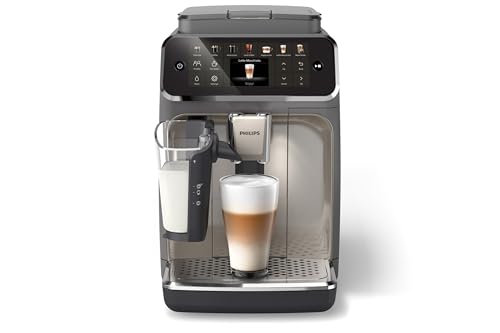
Philips 4400 Series Fully Automatic Espresso Machine

AIRMSEN 20 Bar Espresso Machine with Automatic Milk Frother

AMZCHEF 20 Bar Home Espresso Coffee Machine
More Details On Our Top Picks
Capsule brewing keeps the morning routine short, and the compact Vertuo Pop+ adds a separate Aeroccino3 frother for hot or cold milk foam. You choose from five drink sizes, stretching from espresso to Alto coffee and cold brew style options, so a single machine can cover a quick shot or a longer travel mug.
That setup suits apartment counters and rushed weekday starts better than a manual portafilter. You may find the capsule system less flexible than the KEENSTAR 3.5Bar Espresso Machine 800W, since your ground coffee and dosing control are limited, but the trade-off is far less preparation.
Strong Points
- The small footprint helps you keep a milk coffee station on a crowded counter.
- Five listed cup sizes give you room to switch between short espresso and larger coffee.
- The Aeroccino3 handles hot or cold foam without a separate steam wand routine.
- Capsule preparation reduces grinding, tamping, and loose grounds around the work area.
Things To Consider
- Capsule dependence can limit bean choice and create more ongoing packaging to store.
- The frother and capsule path still need regular rinsing, especially after milk drinks.
Key Specs
Who It Suits Best
You benefit most from this choice for compact kitchens, quick capsule coffee, and low-effort milk foam.
Consider Something Else When
Choose the Philips 4400 Series Fully Automatic Espresso Machine for integrated grinding and a broader one-touch menu.
For a first espresso machine, a single switch and indicator light can feel more approachable than the layered controls on the Philips 4400 Series. The 3.5-bar system, 800-watt heater, portafilter, and steam wand give you a basic path to espresso, cappuccino, or latte preparation.
The listed capacity covers one to four cups, with a 240 ml coffee amount, so this suits occasional drinks rather than a large household serving several milk beverages back to back. A pressure-release step before opening the tank or removing the portafilter adds a little care to the routine, yet the pause function may help during interruptions.
What We Like
- The straightforward control layout makes early espresso practice less intimidating.
- A steam wand lets you learn the texture and temperature of milk foam directly.
- The four-cup range fits a couple sharing morning coffee without a large appliance footprint.
Worth Noting
- The lower pressure specification offers less extraction headroom than the 20-bar XIXUBX Espresso Machine.
- Manual steaming and portafilter cleanup take more involvement than capsule or fully automatic options.
- Small water capacity may mean more refills during repeated drink sessions.
At A Glance
Made For
You get the best fit here as a beginner who wants occasional espresso and hands-on milk steaming in a smaller kitchen.
Not Your Match When
Reach for AMZCHEF 20 Bar Home Espresso Coffee Machine when touch controls and a self-cleaning function matter more than manual simplicity.
PID control means electronic temperature regulation, a useful feature for anyone trying to make espresso taste more consistent from one session to the next. XIXUBX combines that control with a 20-bar pump, gentle pre-infusion, low-vibration operation, and a milk frother in a compact body aimed at smaller homes.
Compared with the basic KEENSTAR, this machine gives you more extraction-focused features to explore without jumping straight to a fully automatic appliance. You may still need patience with grind size and tamping, because the machine’s controls don’t remove the craft from the process.
Highlights
- PID temperature management supports steadier brewing for repeated home shots.
- Pre-infusion wets the grounds gently before full pressure, which may help reduce uneven extraction.
- The compact format works well in apartment kitchens where counter depth is limited.
- Low-vibration operation should make the machine less disruptive during quiet morning routines.
- The built-in frothing setup covers latte and cappuccino preparation in one station.
Trade Offs
- Manual grinding, dosing, and tamping still require practice before results become repeatable.
- Milk residue means the frothing path needs prompt rinsing after each drink session.
Technical Sheet
Right Fit For
You suit this machine best as a beginner or developing home barista who wants extraction control in a small kitchen.
Look Elsewhere When
Pick Nespresso Vertuo Pop+ Coffee Machine with Milk Frother for capsule speed and less manual preparation.
Households with different coffee habits may appreciate the Philips 4400 Series most because it grinds, tamps, brews, and handles milk from one machine. Its 12 hot and iced presets cover a broad menu, while the LatteGo system manages milk frothing without requiring the manual steam-wand technique used by the XIXUBX.
A color display lets you adjust strength, volume, and foam level, and two user profiles can retain preferred settings. The trade-off is a larger, more involved appliance than the compact Nespresso Vertuo Pop+, with more internal and milk-system cleaning to keep part of the routine.
Upsides
- Integrated grinding removes the need for a separate grinder beside the machine.
- Twelve hot and iced drink presets give a shared kitchen more variety.
- LatteGo handles milk foam with less hands-on work than a steam wand.
- Two profiles help you return to personal strength, volume, and foam preferences.
Minor Gripes
- The larger automatic format needs a dedicated counter area and regular component cleaning.
- More settings can take longer to learn than the KEENSTAR’s single control knob.
Feature Snapshot
Best Suited To
You get the strongest match as a household that wants varied hot and iced drinks with minimal manual brewing.
A Better Fit Elsewhere
Choose AIRMSEN 20 Bar Espresso Machine with Automatic Milk Frother for a large 60-ounce tank and dual-boiler design.
Frequent latte and cappuccino routines call for less stopping between drinks, and AIRMSEN answers with a 60-ounce water tank plus a dual-boiler layout. The dual boiler uses separate heating paths, which can help the machine manage brewing and milk preparation as distinct tasks, while the touchscreen keeps the drink selection approachable.
Its stainless-steel construction gives the station a more substantial feel than the compact KEENSTAR, though the larger capacity also takes more counter space. In most kitchens, this makes more sense for repeated daily use than for a single weekend espresso.
Bright Spots
- The 60-ounce tank reduces refill interruptions during family coffee service.
- Automatic milk frothing removes much of the hands-on work from latte preparation.
- Dual boilers separate brewing and milk tasks for a more capable workflow.
- Stainless steel suits a busy counter and should be easier to wipe than textured finishes.
Points To Note
- The larger body needs more storage planning than the apartment-friendly XIXUBX.
- Automatic milk lines require careful rinsing, particularly after several drinks in succession.
- The touchscreen adds convenience but also gives you more electronics to keep clean around the controls.
Feature Rundown
Who Will Love This
You benefit most as a frequent latte household that has room for a larger machine and values fewer water refills.
Another Choice May Suit
Choose Philips 4400 Series Fully Automatic Espresso Machine for more drink presets and saved profiles in a fully automatic format.
AMZCHEF focuses on the features that make a first espresso station easier to operate: a 20-bar system, 1350-watt boiler, LED touchscreen, built-in frother, memory function, and self-cleaning mode. That combination gives you a more guided experience than the manual KEENSTAR while keeping the menu narrower than the Philips 4400 Series.
The memory feature can help you return to a familiar drink setup, and the self-cleaning function may reduce the friction of routine care. You still need to wipe milk-contact parts and keep the brewing area tidy, so the automation simplifies maintenance rather than removing it.
Plus Points
- The LED touchscreen gives beginners a clear control surface for daily drinks.
- A 20-bar system supports espresso, latte, and cappuccino preparation.
- Memory settings reduce repeated adjustments for a preferred drink.
- Self-cleaning mode can make routine upkeep less tedious.
Room For Improvement
- The feature set is less expansive than the Philips model’s 12 drink presets.
- Built-in milk hardware still needs rinsing and wiping after use.
Quick Facts
Built With In Mind
You suit this machine best as a new home espresso user who wants guided controls, milk drinks, and simpler upkeep.
Swap It Out When
Pick XIXUBX Espresso Machine with Milk Frother for PID control and a more extraction-focused learning path in a compact kitchen.
How To Choose The Right Milk Coffee Maker Machines
Match The Brewing Style To Your Routine
Capsule machines such as Nespresso Vertuo Pop+ suit rushed mornings because you skip grinding, dosing, and tamping. You trade some coffee-format flexibility for speed and easier cleanup. Manual semi-automatic machines give you more control over the coffee bed and milk texture, which suits you when learning espresso feels like part of the enjoyment.
Fully automatic models handle grinding, brewing, and milk preparation in one workflow. That convenience matters in a shared kitchen, especially with several drink preferences, although larger machines need more counter and cleaning space.
Think Carefully About Milk Preparation
A steam wand heats and aerates milk manually, creating a hands-on process that takes practice but gives you direct control. Automatic frothers reduce that learning curve and help you repeat latte-style drinks with fewer steps. For daily cappuccinos, check whether the milk path can be removed or rinsed easily, because residue becomes a routine ownership concern.
Cold foam support adds variety for iced drinks, while hot-only systems focus on traditional lattes and cappuccinos. Choose around the drinks you actually make rather than a feature list that sounds impressive but stays unused.
Read Pressure And Temperature Features Correctly
Bar describes pump pressure, but a higher number alone doesn’t decide the quality of your cup. Grind size, dose, tamping, and temperature also shape extraction. PID control, found on the XIXUBX, means the machine actively manages brew temperature, which can help you pursue more repeatable results.
Power ratings describe the heating system, not a promise of flavor or speed. A dual-boiler design, such as AIRMSEN’s, separates heating tasks and suits repeated brewing, while a compact lower-power design may fit occasional use better.
Account For Space And Care
Measure the counter area, including room to fill the water tank and clean milk components. A 60-ounce tank reduces refills but usually belongs in a larger setup, while a compact unit may fit better beside a toaster or microwave. Daily rinsing, wiping, and periodic internal cleaning should feel manageable within your routine.
What To Weigh Before You Choose
Mistakes Worth Dodging
A common mistake is choosing a machine around pressure alone while ignoring milk cleanup, tank access, and counter depth. You also risk frustration by choosing a manual wand for a household that wants one-touch drinks, or an automatic unit for someone who enjoys dialing in each shot.
Capsule systems deserve a similar reality check. They simplify preparation, but your coffee selection follows the compatible capsule format and creates a different storage routine than whole beans or ground coffee.
The Upgrade Payoff
Higher-tier machines generally add integrated grinding, temperature management, larger reservoirs, automatic milk systems, saved profiles, or broader drink menus. Those features matter most when you prepare several drinks each day and want fewer separate steps.
Paying more makes sense for a shared household or a regular latte routine. Occasional espresso drinkers may prefer the smaller KEENSTAR, while someone learning extraction may gain more from XIXUBX’s PID control than from a wide automatic menu.
Closing Remarks
You can narrow this list by deciding how much work you want between the mug and the coffee. Nespresso Vertuo Pop+ keeps capsule drinks and foam simple, KEENSTAR offers an approachable manual start, and XIXUBX adds temperature control for more focused practice. Philips suits varied households, AIRMSEN supports frequent larger-volume use, and AMZCHEF blends guided controls with easier maintenance. Choose the machine that fits your counter, drink habits, and willingness to clean after milk preparation. That match will serve you better than extra features left unused.
