

Choosing a coffee machine is really about matching habit to hardware. Some kitchens need a fast single cup before work, while others want a full carafe on weekends or a milk-based drink station that stays ready for guests. The seven picks below cover that range, from compact pod brewers to fully automatic espresso systems with grinders and frothers.
Quick Look At Our Shortlist

Hamilton Beach 2-Way Drip Coffee Maker 12 Cup Carafe

Ninja Luxe Café Pro Series ES701 with Built-In Grinder
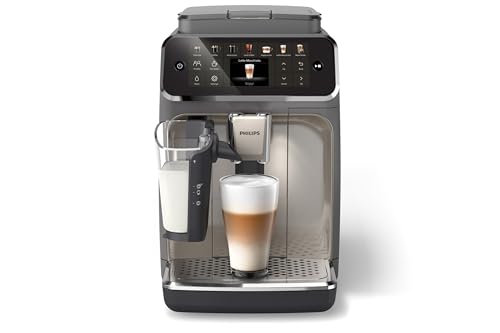
Philips 4400 Series Espresso Machine LatteGo Milk System

AIRMSEN 20 Bar Espresso Machine with Automatic Milk Frother
Cuisinart Grind and Brew Single Serve Coffee Maker DGB-30

PHILIPS 5500 Series Espresso Machine LatteGo Milk System
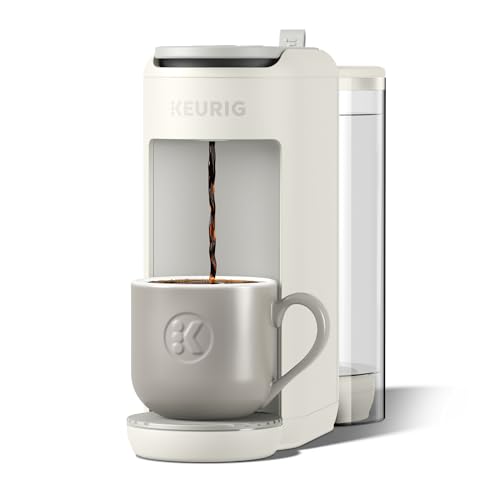
Keurig K-Mini Mate Plus Single-Serve K-Cup Pod Coffee Maker
More Details On Our Top Picks
Counter space matters here, and this Hamilton Beach design answers that with two brew paths in one body. The full-pot side suits a shared kitchen, while the single-serve side fits a rushed weekday start without forcing a second machine onto the counter.
The AquaFlow showerhead, a water-distribution arm that spreads hot water across the brew basket, is the detail that helps the pot side matter beyond convenience. The trade-off is simple, it won’t match the drink precision of a dedicated espresso system like the Ninja or Philips units below, but for mixed routines that’s not the point.
What We Like
- Two brewing modes keep the kitchen flexible.
- Glass carafe serves family-sized morning rounds.
- Auto pause and pour helps during mid-brew grabs.
- Hot and iced use broadens daily utility.
Things To Consider
- Single-serve and full-pot parts add a little cleanup.
- It takes more room than a pod-only brewer.
- Simple coffee logic, not a drink-station machine.
Feature Snapshot
Who It Suits Best
Home kitchens that need one machine for solo cups and shared pots will get the most from this layout.
Where Another Pick Suits Better
Keurig K-Mini Mate Plus Single-Serve K-Cup Pod Coffee Maker suits dorm rooms and office corners that need a smaller footprint.
This one aims at the home coffee station crowd, not the casual drip-only setup. With espresso, drip coffee, cold brew, and hot water in a single system, you get broad coverage without placing multiple appliances side by side.
The integrated tamper, which compresses ground coffee into a puck for espresso brewing, and the built-in grinder move it closer to a barista-style workflow. The honest read is that the feature set is rich enough to demand counter space and a little learning, but that same depth is the draw for households that like variety.
Highlights
- Four drink modes cover a wide range of routines.
- Built-in grinder removes a separate appliance.
- Integrated tamper makes puck prep more direct.
- Hands-free frothing helps with cappuccinos and lattes.
- Hot water outlet suits Americano-style drinks and tea.
Small Caveats
- Larger systems need more permanent counter room.
- More parts mean more daily upkeep than a simple brewer.
- Its range can feel excessive for plain coffee drinkers.
Core Details
Who Will Love This
Households that want café-style drink variety and don’t mind a larger machine will get the best fit here.
A Better Fit Elsewhere
Hamilton Beach 2-Way Drip Coffee Maker 12 Cup Carafe is easier to live with for households that mainly need basic drip coffee and an occasional single cup.
The Philips 4400 sits in the automatic-espresso lane, which means you get a machine that grinds, tamps, and brews without asking you to build the drink step by step. For a busy kitchen, that kind of push-button workflow makes weekday coffee feel a lot less fussy.
LatteGo, Philips’ milk system, handles steaming and frothing in a separate path so milk drinks are not a chore. Compared with the more expansive Ninja, this one is narrower in drink format but easier to picture on a daily counter, especially if you lean hard toward espresso drinks and iced presets.
Upsides
- One-touch brewing trims the learning curve.
- Integrated grinder keeps beans in the workflow.
- LatteGo supports milk drinks without extra steps.
- Color display helps you adjust drink strength and volume.
- Two user profiles suit shared kitchens.
Areas To Watch
- Automatic systems usually ask for regular cleaning.
- Drink variety stays inside the espresso family.
- The footprint still demands a committed counter spot.
Details At A Glance
Right Fit For
Busy households that want automatic espresso drinks and prefer simple controls over hands-on puck prep will appreciate this format.
Swap It Out When
Ninja Luxe Café Pro Series ES701 suits you better when you want drip coffee, hot water, and cold brew alongside espresso.
This AIRMSEN keeps the focus tight: espresso, cappuccino, and latte, with automatic milk frothing to simplify the drink path. The 20-bar pump, which refers to the pressure used to force water through the coffee puck, signals a more espresso-first design than the drip-capable options above.
The dual-boiler setup separates brewing and milk heating, so the flow makes sense for households that want back-to-back milk drinks without waiting around between steps. In most kitchens, that sounds more specialized than the Philips 4400, but it also feels more direct for someone who already knows espresso is the main event.
Reasons To Buy
- 20-bar pressure supports a more espresso-centered approach.
- Dual boilers help separate brew and milk work.
- Automatic frothing cuts down on manual steps.
- Stainless steel adds a durable, easy-wipe surface.
- 60-ounce tank suits several drinks before refilling.
Minor Gripes
- Espresso focus leaves out broader coffee styles.
- Touch controls can feel less tactile than buttons.
- Milk parts still need routine rinsing.
Key Specs
Whose Shelf It Belongs On
Espresso fans who want a straightforward milk-drink machine with less manual frothing will get the clearest match here.
Look Elsewhere When
Philips 5500 Series Fully Automatic Espresso Machine fits better for households that want more preset drinks and finer drink customization.
The DGB-30 is for coffee drinkers who care about freshly ground beans but still want single-serve pace. A stainless steel burr mill, which grinds beans with two rotating cutting surfaces, gives you a more controlled grind than a basic blade grinder, and that matters most for flavor consistency in a one-cup routine.
Compared with the Keurig at the end of the list, this Cuisinart asks for more involvement but returns more control over bean choice and brew strength. The over-ice feature also makes it more versatile than a standard single-cup pod brewer, especially for afternoons when a chilled cup feels more appropriate.
Best Bits
- Built-in burr mill keeps grinding and brewing in one unit.
- Six cup sizes help match mug and tumbler needs.
- Strength control gives you a tighter handle on taste.
- Works with whole beans or pre-ground coffee.
- Over-ice mode expands everyday use.
Worth Noting
- Grinding creates more upkeep than pod-only brewing.
- Single-serve design won’t suit large household batches.
- Bean freshness matters more here than with capsules.
Technical Sheet
Built With In Mind
Single-cup coffee drinkers who want bean-to-cup freshness without moving up to a larger espresso system will find a strong fit here.
Where A Sibling Pick Shines
Keurig K-Mini Mate Plus Single-Serve K-Cup Pod Coffee Maker suits you better when speed and pod convenience matter more than grinding fresh beans.
This is the most preset-heavy automatic machine in the lineup, and that extra range matters for households that move between espresso, iced drinks, and milk drinks every day. The ceramic grinder, which uses hardened ceramic parts instead of metal burrs, is a nice refinement for wear resistance, though it also places this machine firmly in the higher-comfort bracket.
QuickStart should matter most in a busy kitchen, because it reduces the wait between turning it on and getting to the brew screen. Compared with the 4400 Series, the extra preset count and wider adjustment range make this a better match for households that like to fine-tune rather than leave the machine on autopilot.
Bright Spots
- Twenty presets give you broader drink coverage.
- LatteGo simplifies milk drinks with a dedicated system.
- Strength, milk, and cup size adjustments add control.
- QuickStart reduces the wait to first cup.
- Two saved profiles help shared households.
Points To Note
- More presets can mean more decision time at the panel.
- Automatic milk systems still ask for regular care.
- It is a serious countertop commitment.
Feature Rundown
Made For
Households that want a high-control automatic machine with room for experimentation will get the most from this model.
Another Choice May Suit
Philips 4400 Series Espresso Machine LatteGo Milk System fits better for you if you want a simpler automatic setup with fewer presets.
Space is the whole story here, and that is exactly why this Keurig belongs in the lineup. At under five inches wide, it slides into dorm rooms, office nooks, and small apartment counters that can’t spare much real estate.
The 50-ounce removable reservoir is a useful upgrade over tiny cup-by-cup fill systems, because it reduces how often you need to top off water during a normal week. The trade-off is obvious: pod coffee trades bean control for speed, which is still the right bargain for many hurried mornings.
Standout Traits
- Very narrow footprint suits tight counters.
- Three cup sizes cover the basics.
- Strong button adds a fuller brew profile.
- Brew-over-ice support broadens drink options.
- Removable reservoir is easier to refill and rinse.
Room For Improvement
- Pod use limits control over grind and freshness.
- Single-serve format is not built for groups.
- Small machines still benefit from regular descaling and wipe-downs.
Core Details
The Right Fit
Apartment dwellers, dorm setups, and office corners with limited counter width will get the cleanest fit from this brewer.
Reach For A Different Pick When
Cuisinart Grind and Brew Single Serve Coffee Maker DGB-30 suits you better if fresh-ground beans matter more than pod convenience.
How To Choose The Right Latest Coffee Machines
Brew Style Should Lead The Decision
Start with the drink you make most often, not the one you might make once a month. Drip-first households do better with a carafe system like Hamilton Beach, while espresso-focused kitchens get more value from Philips, AIRMSEN, or the Ninja. Pod brewers suit quick solo cups, but they give up some control over grind freshness and drink depth.
The useful question is whether you want volume, variety, or speed. A machine with a grinder and milk system usually costs more and takes longer to clean, yet it removes several separate appliances from the counter. That trade matters in real kitchens, especially where space is tight.
Counter Space And Cleanup Matter More Than People Expect
Large automatic machines are great until they start crowding the toaster, prep board, and cabinet clearances. The Ninja and Philips models pack in more functions, which is helpful for mixed households but harder to ignore once the machine is in place.
Cleaning also deserves attention because grinders, frothers, and milk paths add regular care. Simpler units like the Keurig and Hamilton Beach are easier to live with day to day, even though they give up some drink sophistication.
Think In Terms Of Daily Routine, Not Spec Sheets
A good coffee machine fits the rhythm of your mornings. A single cup before commuting favors speed and easy refills, while weekend brewing for several people favors a carafe or a larger reservoir. Automatic espresso systems work best when coffee has become part of the ritual, not just a caffeine stop.
That is where premium models earn their place. More presets, better control over strength and milk, and built-in grinding all save steps, but they only pay off when you use those functions often.
A Quick Reality Check
Wrong Turns To Avoid
Shoppers often overbuy on drink range and underbuy on cleanup tolerance. A machine with a built-in grinder sounds elegant, then turns into a daily maintenance job in a small apartment. Another common miss is choosing a pod brewer for a household that really wants shared carafe volume.
Match the machine to the way coffee actually happens in your home. A compact brewer can be the right answer for a studio, while a larger automatic unit makes more sense in a kitchen that already has space for routine upkeep.
The Upgrade Payoff
Higher-tier coffee machines cost more because they fold several functions into one cabinet, often with better controls, more preset drinks, and milk handling that feels closer to café workflow. Ceramic grinders, dual boilers, and integrated tampers are all examples of parts that increase build complexity and convenience.
Paying up makes sense when you make espresso drinks often, share the machine with several people, or want fewer separate appliances on the counter. For simple drip coffee, the extra money can feel wasted, and a more basic machine will be easier to own.
Final Thoughts
Your best coffee machine is the one that fits your counter, your morning pace, and the drinks you actually make. Hamilton Beach and Keurig handle simpler routines with less fuss, while the Ninja, Philips, and AIRMSEN options lean into fuller espresso-style setups. Cuisinart sits in the middle with fresh grinding for single-serve use. Choose the machine that matches your day, and the cup tends to take care of itself.
