

Italian coffee gear rewards clear priorities: shot control, milk texture, footprint, and cleanup. That matters whether you pull espresso before work, keep a moka pot on a small stove, or want a countertop machine that can handle lattes without turning the kitchen into a project. The seven picks below cover manual, semi-automatic, and fully automatic paths, so you can match the machine to your routine instead of forcing your routine around the machine.
Quick Look At The Shortlist

De’Longhi Classic Signature Espresso Machine

Mongdio Stovetop Espresso Maker Moka Pot 6 Espresso Cups

LAOION Stovetop Espresso Maker 6Cup 10 oz Moka Pot Stainless Steel
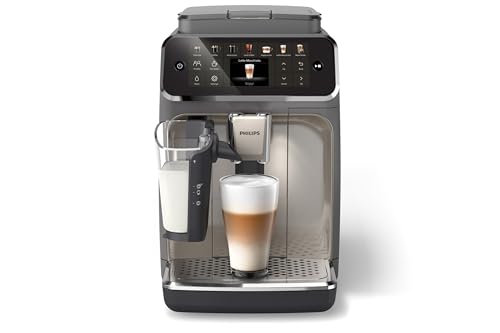
Philips 4400 Series Fully Automatic Espresso Machine LatteGo Milk System

AIRMSEN Espresso Machines With Burr Grinder 20 Bar

De’Longhi La Specialista Touch Espresso Machine With Coffee Grinder

AMZCHEF Espresso Machine With Grinder, Temp Control
More Details On Our Top Picks
Compact footprint matters here, and this De’Longhi keeps the footprint tight without looking stripped down. The pressure gauge gives you a clearer read on extraction than the simplest entry machines, while the preset single and double shots help you move faster on weekday mornings.
The adjustable milk frother suits cappuccinos, lattes, and shorter milk drinks, though manual steaming still asks for a little practice. In most kitchens, that balance lands well for a starter setup that still feels capable enough to grow with you.
What We Like
- Compact design suits crowded counters.
- Pressure gauge adds useful shot feedback.
- Preset single and double shots simplify routine use.
- Adjustable frother supports milk-based drinks.
- Stainless styling fits a clean kitchen setup.
Things To Consider
- Manual milk texturing takes some learning.
- Compact sizing can mean a smaller water reserve than bulkier machines.
- Shot quality still depends on grind and tamp consistency.
Feature Snapshot
Who Should Grab It
Home espresso beginners who want a smaller machine with a little more guidance will get the most from it.
A Better Fit Elsewhere
De’Longhi La Specialista Touch Espresso Machine With Coffee Grinder suits you better if you want more guided control and built-in grinding in the same footprint.
This moka pot keeps the ritual simple: fill, heat, and pour. The aluminum body is the classic path for stovetop brewing, and the 6-cup, 10 oz size fits a small household or a strong solo cup without taking over cabinet space.
Compared with the electric machines above, it asks more from your stove and your timing, but it also asks less from your counter and budget. The honest read is that it suits coffee drinkers who want a concentrated cup and do not need milk frothing, a grinder, or presets.
Highlights
- Small footprint stores easily in a drawer or cabinet.
- Classic moka format delivers concentrated stovetop coffee.
- 10 oz size works well for a few small servings.
- Lightweight build makes it easy to carry for travel use.
Small Caveats
- Stovetop heat control affects the final cup.
- No built-in grinder or milk system.
- Aluminum needs regular drying to stay tidy.
Core Details
Right Fit For
Stovetop coffee fans who want a straightforward daily cup and very little counter clutter fit this pick well.
Another Choice May Suit
LAOION Stovetop Espresso Maker 6Cup 10 oz Moka Pot Stainless Steel is a better match for anyone who wants a steel build and induction compatibility.
Stainless steel changes the feel of the whole category here. It usually means a sturdier shell than basic aluminum moka pots, and the induction stovetop compatibility opens the door to more kitchens, including setups where that matters most.
The 6-cup, 10 oz format keeps it in the same serving range as the Mongdio, but the material choice gives it a more modern ownership profile. For travel, apartment cooking, or mixed stovetop use, that added flexibility is the real draw.
Reasons To Buy
- Stainless steel construction feels more substantial than basic moka pots.
- Induction compatibility broadens placement options.
- Compact 10 oz size stays easy to store.
- Works for both Cuban and Italian-style stovetop coffee routines.
Areas To Watch
- Still a manual brewer, so timing matters.
- Steel body can feel heavier than aluminum alternatives.
- Cleanup is straightforward, though threaded parts deserve occasional attention.
Details At A Glance
Whose Shelf It Belongs On
You fit this better than most if you want a stovetop maker that can move between kitchen styles and heat sources.
Where A Sibling Pick Shines
Mongdio Stovetop Espresso Maker Moka Pot 6 Espresso Cups makes more sense for you if aluminum weight and a simpler feel matter more than induction support.
This Philips leans hard into convenience, and that starts with the integrated grinder and the one-touch workflow. The LatteGo milk system handles frothing with less manual fuss than a steam wand, so a busy kitchen can move from bean to cup with far less effort.
The 12 hot and iced presets make it broader than the compact De’Longhi semi-automatic models, though the trade-off is less hands-on control over each step. For families or office-style use, that speed and variety can be the point.
Upsides
- Integrated grinder trims the need for separate gear.
- LatteGo system simplifies milk drinks.
- 12 preset drinks cover hot and iced options.
- Color display helps with quicker selection.
- Profile memory supports two regular drink setups.
Worth Noting
- Fully automatic design leaves less room for manual tuning.
- More moving parts can mean more cleanup than a moka pot.
- Counter space needs are higher than the smaller De’Longhi Classic.
Quick Facts
Perfect Match For
Households that want lots of drink variety with little daily effort will get the clearest payoff here.
Look Elsewhere When
De’Longhi La Specialista Touch Espresso Machine With Coffee Grinder is the better fit for you if you want more control and a guided semi-automatic feel.
A built-in burr grinder changes the workflow in a useful way, since burrs grind beans more evenly than blade-style grinders. That matters for espresso consistency, and the manual steam wand gives you the old-school route to milk texture instead of handing everything to automation.
Compared with the Philips 4400, this AIRMSEN gives you more hands-on control and a more classic espresso-machine feel. For home cooks who want cappuccinos, lattes, Americanos, and iced drinks from one station, it covers a lot without drifting into bulky territory.
Standout Traits
- Burr grinder supports more even grind texture.
- 20 bar pressure suits espresso-focused routines.
- Steam wand gives you manual milk control.
- Stainless steel styling suits a durable kitchen setup.
- Drink range works across hot and chilled coffee styles.
Room For Improvement
- Manual steaming asks for more practice than automatic milk systems.
- More parts usually mean a longer cleanup routine.
- Counter space planning still matters in smaller kitchens.
Technical Sheet
Built With In Mind
You suit this best if you want a semi-automatic setup that still leaves room to shape the drink yourself.
Where Shoppers Go Wrong
Philips 4400 Series Fully Automatic Espresso Machine LatteGo Milk System is the better route for you if you want fewer steps and less hands-on steaming.
Guided brewing is the key idea here, and the touchscreen makes that structure feel less intimidating than a classic semi-automatic machine. With ten preset recipes plus room to save custom drinks, it suits anyone who wants to learn the craft without turning breakfast into a technical exercise.
The combination of grinding, dosing, brewing, and frothing in one machine keeps the workflow tight. A 3.5-inch display is large enough to read quickly, though the trade-off is that this machine asks for more counter commitment than the simpler De’Longhi Classic.
Best Bits
- Touchscreen makes recipe selection clear.
- Guided brewing helps structure the process.
- Ten preset drinks cover a useful range.
- Custom drink saving supports repeat routines.
- Built-in grinder keeps preparation contained.
Points To Note
- Learning curve remains higher than a fully automatic machine.
- Needs more counter room than compact espresso models.
- Milk work still asks for more involvement than LatteGo-style automation.
Feature Rundown
Made For
You fit this best if you want a guided espresso setup that still leaves room to learn the craft.
Swap It Out When
Philips 4400 Series Fully Automatic Espresso Machine LatteGo Milk System is the easier path if you want more automation and less decision-making.
Temperature control matters more than many first-time espresso shoppers expect, because roast style changes what the cup needs from the machine. This AMZCHEF gives you a wide 190°F to 201°F range and 44 grind settings, so it supports a more careful approach than a plain entry-level unit.
That flexibility makes sense for compact kitchens where one machine needs to do a lot. The trade-off is the usual one for feature-rich semi-automatics: more adjustment, more cleaning, and a little more patience before the drink lands exactly where you want it.
Positives
- 44 grind settings offer very fine control.
- Temperature range helps match different beans.
- Built-in grinder reduces separate equipment clutter.
- Milk frother supports cappuccinos and lattes.
- Compact build suits tighter counters.
Minor Gripes
- More settings mean a slower setup at first.
- Cleaning takes more attention than a moka pot.
- Best results depend on careful dialing in.
Core Details
The Right Fit
You fit this best if you like tuning shots and want a compact machine with more control than a basic automatic setup.
Reach For A Different Pick When
De’Longhi Classic Signature Espresso Machine suits you better if you want a simpler path with fewer settings and a lighter learning curve.
How To Choose The Right Italian Coffee Machines
Match The Machine To Your Routine
Your daily rhythm should lead the choice. Semi-automatic espresso machines suit you when you want some control over extraction and milk texture, while fully automatic models help on mornings that need speed more than ceremony. Moka pots make sense when you want a concentrated stovetop cup and very little countertop footprint.
Think in terms of repeat use, not occasional novelty. A compact machine with a pressure gauge or preset shots can feel more practical than a larger unit with features you will rarely touch.
Pay Attention To Control Points
Grinder type, pressure, and temperature control shape the cup in ways that matter more than decorative trim. Burr grinders usually give a more even grind than simple blade-style grinders, and adjustable temperature matters when you move between lighter and darker roasts. Those controls add value for espresso drinkers who want consistency, though they also add setup time.
Milk systems deserve equal attention. A manual steam wand gives you more texture control, while automatic frothing systems save effort and shorten the routine.
Size, Cleanup, And Storage Matter Too
Counter space is a real filter in Italian coffee machines. A small semi-automatic or moka pot can live comfortably in a tight kitchen, while larger bean-to-cup units usually need a more permanent place. That trade-off shows up fast once you start measuring under cabinets and around outlets.
Cleanup also changes the ownership experience. Stainless steel surfaces are usually easier to wipe down, and simpler stovetop makers have fewer parts than grinder-heavy machines. The more moving pieces a machine has, the more you should expect to spend on routine care.
Choose By Skill Level, Not Hype
Beginners often do best with clearer guidance, presets, or a moka pot’s straightforward workflow. More experienced espresso drinkers tend to appreciate manual steam wands, dosing control, and adjustable grind ranges because they leave room to refine the result. That is where the extra control starts to earn its keep.
Match the machine to how much involvement you actually want. A feature-rich model can be satisfying, but only when you enjoy the process enough to use those features regularly.
A Quick Reality Check Before You Order
Common Shopping Slip Ups
Many shoppers fixate on drink variety and skip the basics. Water capacity, counter footprint, and cleanup effort shape day-to-day ownership far more than a long list of presets.
Another common miss is buying a manual machine and expecting automatic convenience. A moka pot or semi-automatic espresso machine asks for a steadier hand, and that’s part of the appeal.
The Case For Spending Up
Higher-tier machines usually put the money into grinders, temperature control, display quality, and milk handling. Those parts are not flashy for their own sake, they reduce friction and give you more control over the cup.
The upgrade makes sense when you brew often and care about repeatable results. For occasional stovetop coffee, a simpler maker can be the more sensible choice.
Closing Thoughts
Your best match depends on how hands-on you want the process to be. Choose a moka pot for simplicity, a semi-automatic machine for control, or a fully automatic model for speed and variety. The smartest purchase is the one that fits your kitchen, your routine, and the kind of cup you actually want to make each day.
