

Decaffeinated coffee can still taste full, balanced, and worth slowing down for. You’re probably here because you want the ritual without the late-night buzz, and the hard part is sorting instant, ground, and half-caff styles without guessing. This roundup keeps the focus on how each pick fits real kitchens, travel bags, and morning routines.
The Shortlist At A Glance

Tim Horton’s 100% Arabica Medium Roast Decaf Ground Coffee
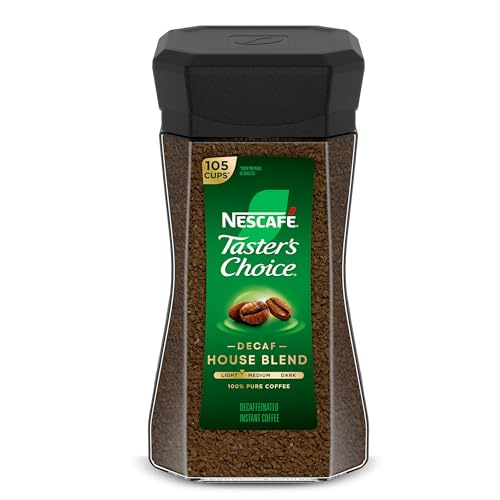
NESCAFÉ Taster’s Choice Decaf House Blend Instant Coffee

Mount Hagen 25 Count Instant Decaf Coffee Packets

Lavazza Decaf Ground Coffee, Medium Roast, 100% Arabica

Chase & Sanborn Special Roast Decaf Ground Coffee
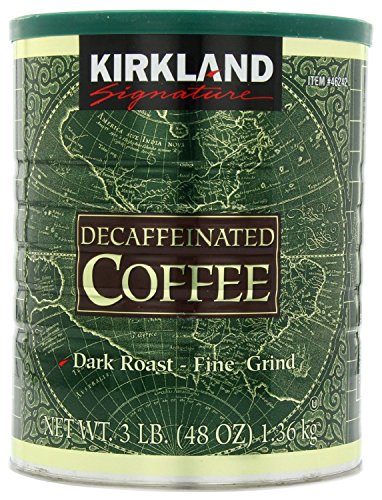
Kirkland Signature 100% Colombian Dark Roast Decaffeinated Ground Coffee

The Bean Organic Coffee Co. Half-Caff 50/50 French Roast Ground

Hills Bros. Ground Coffee Decaffeinated
More Details On Our Top Picks
Tim Horton’s lands in the familiar, easy-drinking lane, with a medium roast profile that suits a plain drip pot or a basic automatic machine. Since it’s ground coffee, you skip the grinder step, which helps on rushed mornings or in offices that keep things simple.
The 12-ounce bag works well for households that finish coffee at a steady pace rather than filling a deep pantry. The trade-off is flexibility, since pre-ground coffee gives up some freshness control compared with whole bean options like higher-ratio specialty picks later in this list.
Strong Points
- 100% Arabica beans usually mean a cleaner, smoother cup than many mixed blends.
- Medium roast flavor fits breakfast coffee without pushing into heavy bitterness.
- Pre-ground format saves time before work or during a busy kitchen routine.
- Pairs naturally with automatic coffee makers, which keeps setup simple.
Things To Consider
- The bag format asks for good storage, since ground coffee loses character faster once opened.
- Anyone chasing a stronger dark-roast edge may find this a little restrained.
- It gives you less control than whole-bean coffee over grind size and brew texture.
Key Specs
Who It Suits Best
Home coffee drinkers who want a familiar medium-roast cup without fuss will get the most from this bag.
A Better Fit Elsewhere
Lavazza Decaf Ground Coffee, Medium Roast, 100% Arabica makes more sense for anyone who wants a broader set of brew methods, including French press and pour-over.
This one is built for speed, not ceremony. Instant coffee dissolves in hot water, so your mug is ready quickly in a dorm, office, or kitchen where counter space is tight.
The house blend leans medium-light, which usually reads softer than darker instant coffees and may suit you better if heavy roast bitterness isn’t your thing. Compared with Tim Horton’s ground coffee, you give up a little brewing depth, but you gain a much easier morning routine.
What We Like
- Instant format cuts out grinder and brewer steps.
- Two jars give you a handy pantry backup.
- Medium-light roast style suits a gentler cup.
- Works well for travel mugs and quick refills.
- Jars are easy to store on a shelf or in a desk drawer.
Worth Noting
- Instant coffee usually brings less body than freshly brewed ground coffee.
- The lighter roast style may taste a little thin to dark-roast fans.
- Jar storage is straightforward, though moisture control matters after opening.
Feature Snapshot
Made For
Busy mornings, office desks, and travel setups are the best match for this jar pair.
Another Choice May Suit
Mount Hagen 25 Count Instant Decaf Coffee Packets work better for commuters who want individual sticks instead of a pair of jars.
Mount Hagen is the sort of coffee that makes sense in a glove box, carry-on, or desk kit. Single-serve sticks keep portions tidy, and that matters more than it sounds when you’re moving between hotel rooms, trains, or long office days.
The source details point to organic Arabica beans, a medium roast, and a smooth, low-acid profile, so the cup should read clean rather than sharp. Compared with NESCAFÉ Taster’s Choice, this option leans harder into portability, while the packet format asks for a little more waste management after each cup.
Highlights
- Single-serve packets make portioning easy on the road.
- Stick format stores neatly in bags and work drawers.
- Arabica-based instant coffee usually drinks smoother than rougher blends.
- Medium roast balance helps it work across different water levels.
- Useful for anyone who wants coffee without packing gear.
Areas To Watch
- Packet wrappers create more discard after each cup.
- Instant coffee still gives a lighter body than fresh brewed ground coffee.
- The compact format is handy, though a large household may go through it quickly.
Core Details
Best Suited To
Frequent travelers, commuters, and office coffee drinkers who want grab-and-go convenience will appreciate this format.
Reach For A Different Pick When
Lavazza Decaf Ground Coffee, Medium Roast, 100% Arabica suits you better if a full-size brewer at home matters more than packet portability.
Lavazza brings more brewing flexibility than the first two picks, because this ground coffee is positioned for drip machines, French press, cold brew, and pour-over. That range matters in a home where one person wants a quick cup and another wants a slower weekend brew.
The South American Arabica blend and medium roast should land in the balanced zone, not overly dark or sharp. The honest read is that this feels like a stronger fit for people who care about method control, while the 12-ounce bag is still manageable for a typical kitchen shelf.
Upsides
- Multiple brew methods make it easy to match your routine.
- 100% Arabica usually supports a smoother cup profile.
- Medium roast keeps the flavor centered rather than aggressive.
- Ground format saves prep time on workday mornings.
Softer Spots
- The bag format needs decent sealing after opening.
- Method flexibility is helpful, though it adds no extra convenience by itself.
- Cold brew use usually asks for a longer steep than drip coffee.
Technical Sheet
Right Fit For
Home brewers who switch between drip, pour-over, and French press will get the most from this bag.
Where A Sibling Pick Shines
Tim Horton’s 100% Arabica Medium Roast Decaf Ground Coffee suits you better if you want a more straightforward drip-only coffee and a simpler flavor lane.
This canister stands out for households that go through coffee steadily and want a larger pantry format. The steel can also feels practical in a kitchen that sees constant use, since it stores neatly and tends to be less fussy than a soft bag once opened.
All-purpose grind is the key detail here, because it makes the coffee easier to use across different brewers. Compared with Lavazza, this one gives up some brew-method polish, yet it makes up ground with a straightforward canister format and a more utility-first feel.
Bright Spots
- Steel can packaging is sturdy for cabinet storage.
- All-purpose grind works across many standard coffee makers.
- Larger 23-ounce size suits homes that brew often.
- Medium roast balance fits everyday cups without much effort.
Small Caveats
- Canister storage takes more shelf room than a smaller bag.
- All-purpose grind is flexible, though not as tailored as specialty grind styles.
- The larger container can be a bit much for light coffee use.
Details At A Glance
Whose Shelf It Belongs On
Households that brew coffee day after day and like a canister instead of a bag will feel at home with this one.
Swap It Out When
Hills Bros. Ground Coffee Decaffeinated makes more sense for anyone who wants a similarly simple ground coffee in a different pantry-friendly package.
Size is the headline here, and that matters if your household goes through coffee fast. A 1.36 kilogram bag can cover a long stretch of morning brewing, so it’s the kind of pick that makes sense for shared kitchens, larger families, or anyone who dislikes repurchasing often.
The dark roast angle also gives it a stronger, more assertive profile than the medium-roast options earlier in the list. The trade-off shows up in storage and freshness management, because a bigger ground-coffee supply asks for more care once the package is opened.
Reasons To Buy
- Large format is useful for frequent brewing.
- Dark roast suits people who like a bolder cup.
- Ground coffee keeps daily prep quick.
- Colombian origin gives a clear profile cue.
Points To Note
- The bag takes more pantry room than smaller options.
- Large ground coffee packs need careful sealing after opening.
- Dark roast taste may feel strong for milder coffee preferences.
Core Details
Built With In Mind
Large households, office breakrooms, and anyone who brews several pots a week are the natural match here.
Look Elsewhere When
Tim Horton’s 100% Arabica Medium Roast Decaf Ground Coffee is the gentler move for smaller kitchens that want a lighter daily rhythm.
Half-caff fills a very specific lane, and this one makes that lane feel thoughtfully handled. You get a 50/50 blend of regular and decaf coffee, so the cup keeps more of the familiar French roast character while softening the caffeine load compared with a fully regular roast.
That balance makes sense for afternoon drinkers, people easing back on caffeine, or households where one mug a day matters more than all-day fueling. The Swiss Water Process detail also matters because it signals a water-based decaffeination method, which many shoppers look for when they want a cleaner ingredient story.
Best Bits
- Half-caff blend keeps the routine familiar.
- French roast style leans bold and smoky.
- Ground form suits common home brewers.
- 16-ounce bag is a practical middle size.
- Organic labeling and the water-based decaf method may matter to some households.
Honest Caveats
- Half-caff is a compromise, not a full decaf or full regular option.
- Dark French roast flavor will feel strong to lighter-coffee drinkers.
- Ground coffee still asks for airtight storage after opening.
Feature Rundown
The Right Fit
People who want a lower-caffeine cup without leaving behind dark-roast flavor will get the most out of this bag.
Skip It When
Lavazza Decaf Ground Coffee, Medium Roast, 100% Arabica is a better match for anyone who wants a fully decaf cup with more brewing flexibility.
Hills Bros. closes the list with a straightforward ground coffee that fits into a normal kitchen routine without asking for much attention. The 23-ounce size gives you a comfortable pantry supply, and that’s useful in homes where coffee disappears quickly but nobody wants an oversized container taking over the shelf.
The medium-roast decaf profile should suit people who want a classic, no-drama cup for breakfast or an afternoon break. Compared with Kirkland’s larger format, this one feels easier to manage in an average kitchen, though it doesn’t bring the same bulk.
Positives
- Medium roast keeps the cup broad and familiar.
- 23-ounce bag offers a useful middle ground for storage and supply.
- Ground form supports quick brewing.
- Fits daily use without needing a dedicated setup.
Room For Improvement
- The bag needs resealing or another airtight container after opening.
- People who want a darker roast may want a bolder option.
- The product leans practical, so it won’t feel especially specialized.
At A Glance
Who Will Love This
Home coffee drinkers who want a familiar decaf in a practical bag size will feel comfortable here.
Another Choice May Suit
Chase & Sanborn Special Roast Decaf Ground Coffee fits better for anyone who prefers a sturdy steel can instead of a bag.
How To Choose The Right Decaffeinated Coffees
Start With Brew Style, Not Just Roast Words
Ground coffee gives you more control at the machine, while instant coffee gives you speed and less cleanup. That simple split matters more than roast language for most kitchens, because the right format decides how often you actually use the coffee.
Families with busy mornings usually lean toward ground coffee in a drip machine or French press, while travelers, office workers, and dorm dwellers often do better with instant packets or jars. Half-caff sits in its own lane, since it’s for people who still want some caffeine but less than a standard cup.
Read The Roast For Flavor Direction
Medium roast usually lands in the middle, with enough body for breakfast and enough restraint for afternoon mugs. Dark roast tends to taste deeper and bolder, which can suit you better after meals or in milk-based drinks.
Light-leaning instant blends often feel gentler, though they can read thinner than ground coffee. That’s the trade-off, a softer cup in exchange for convenience or a milder profile.
Choose Package Size For Your Real Routine
Smaller bags and jars fit kitchens where coffee is brewed steadily but not all day. Larger containers, like the 1.36 kilogram Kirkland bag or the 23-ounce canister from Chase & Sanborn, make more sense for shared households and heavy morning traffic.
Portability changes the equation too. Single-serve sticks and packets help on commutes or trips, while larger containers reward people who stay mostly at home and want fewer restocks.
Match The Cup To Your Taste Tolerance
Arabica-based options usually signal a smoother, cleaner cup, which helps if you dislike sharp bitterness. Swiss Water Process decaf, used in The Bean Organic Coffee Co. Half-Caff, appeals to shoppers who care about a water-based decaffeination method and want a more specific ingredient story.
The best choice is the one you’ll drink consistently. A great-tasting bag that sits untouched is less useful than a simpler coffee that fits your mornings without friction.
Things Worth Knowing First
Mistakes Worth Dodging
One common misstep is buying a large bag before you know how quickly you’ll finish it. Ground coffee usually needs better storage than instant coffee, so a huge supply can feel stale before it’s gone in a light-use kitchen.
Another easy miss is choosing roast strength by name alone. Medium and dark roast both work well, but the right call depends on whether you want a softer breakfast cup or a bolder mug after lunch.
What The Higher Tier Buys
Higher-priced decaf coffee often pays for stronger sourcing cues, specialty handling, or more flexible brew formats. You may also see better packaging, like sturdy cans or portioned sticks, which helps with storage and daily convenience.
That extra cost makes more sense for regular coffee drinkers who care about routine and consistency. For occasional use, a simpler bag or jar can be the smarter place to land.
Closing Thoughts
You’ve got a wide spread here, from instant packets that travel well to larger ground-coffee bags that suit steady home brewing. The right choice depends less on hype and more on how you make coffee, how much you drink, and how much storage you want to give it. Start with the format, then move to roast and package size, and your shortlist gets much easier. A calm cup is still a good cup.
