

Pulling a late-afternoon espresso only to lie awake at 2 AM is a frustration nobody needs. Decaf espresso has gotten remarkably good over the years, and the options here prove you can have that thick, caramel-colored crema without the caffeine crash. This roundup covers six formats, from whole beans you grind yourself to convenient capsules and pods, so you can match the coffee to your machine and routine. Whether you run a traditional moka pot on weekends or fire up a Nespresso before work, there is a pick here for your kitchen counter.
The Shortlist At A Glance

San Francisco Bay Decaf French Roast Whole Bean

Lavazza Espresso Maestro Decaf Capsules (60 Pack)
Gevalia House Blend Decaf Medium Roast Ground

Amazon Fresh Espresso Decaffeinato Dark Roast Capsules
Caffe Vergnano Italian Decaf Ground Coffee 8.82 oz Tin

Maud’s Decaf Espresso Roast Pods (100 Count)
More Details On Our Top Picks
Freshness is the single biggest variable in how your espresso tastes, and starting with whole beans gives you control over that grind size. San Francisco Bay brings a two-pound bag of 100% Colombian arabica, dark-roasted for a bold cup with a smoky finish. The beans are decaffeinated using the Swiss Water Process, a method that uses water rather than chemical solvents to remove caffeine while keeping flavor compounds intact. For someone pulling shots on a semi-automatic machine, that chemical-free decaffeination is a meaningful detail.
Compared to the pre-ground options in this lineup, these beans let you dial in a fine espresso grind exactly to your machine’s needs. The two-pound bag offers solid value for daily drinkers, though you will want an airtight container once opened. High-altitude grown and hand-picked, the sourcing sits a notch above commodity-grade beans. You may find the dark roast leans slightly smoky for lighter palates, but for milk-based drinks that cuts through nicely.
Strong Points
- Whole-bean format lets you grind fresh for each shot, preserving volatile aromatics that pre-ground coffee loses within days.
- Swiss Water Process decaffeination avoids chemical solvents, a genuine plus for shoppers avoiding synthetic processing.
- Two-pound bag supplies roughly 90 to 100 double shots, making it economical for a household pulling espresso daily.
- Dark French roast produces enough body and bitterness to punch through steamed milk in lattes and cappuccinos.
- 100% Colombian arabica and Kosher certification give clear sourcing and quality markers.
Things To Consider
- Requires a burr grinder capable of a fine espresso grind, which adds equipment cost for anyone moving up from pre-ground.
- The two-pound bag is generous; once opened, flavor degrades within two to three weeks unless you transfer beans to an airtight container away from light.
- French roast intensity may overpower drinkers who prefer brighter, fruitier espresso profiles.
Key Specs
Who Will Love This
Home baristas with a burr grinder and a semi-automatic or manual espresso machine who want a bold, chemical-free decaf bean they can dial in themselves.
A Better Fit Elsewhere
Shoppers who want the Italian moka-pot experience without grinding beans should reach for the Caffe Vergnano Italian Decaf Ground Coffee instead.
Convenience does not have to mean flat flavor, and Lavazza’s aluminum capsules prove that point. These pods pair Arabica and Robusta beans sourced from South East Asia and South America, roasted to a medium profile with an intensity rating of 7 out of 13. The aluminum construction matters for espresso specifically: it preserves freshness better than soft pods and resists pressure properly in Nespresso Original machines. Tasting notes of dried fruit and chocolate give this cup a rounded, dessert-like character.
Unlike the San Francisco Bay whole beans, there is no grinding or tamping here. You insert a capsule and press a button, which makes this the practical choice for rushed mornings or office kitchens. The 60-count pack covers a month of daily single shots. The blend’s Robusta component adds body and crema that pure Arabica decafs often lack, though you may notice a slightly heavier mouthfeel compared to a light roast.
Highlights
- Aluminum capsules maintain coffee freshness longer than plastic alternatives and deliver consistent extraction pressure in Nespresso Original machines.
- Arabica and Robusta blend produces a thicker crema than pure Arabica decafs, giving shots a more authentic espresso appearance.
- Dried fruit and chocolate aromatic notes add complexity that most decaf capsules at this tier lack.
- Medium roast at 7/13 intensity suits drinkers who find dark roasts too bitter but want more body than a light roast offers.
Worth Noting
- Compatibility is limited to Nespresso Original line machines; these will not work in Nespresso Vertuo or Keurig brewers.
- Packaging may vary, which means the exterior design you receive can differ from the listing photo, though the contents stay the same.
- Aluminum capsules require recycling through specialized programs, not standard curbside bins in most municipalities.
At A Glance
Right Fit For
Nespresso Original machine owners who want a balanced, aromatic decaf espresso with dried fruit and chocolate notes without grinding beans.
Reach For A Different Pick When
Keurig-owning shoppers will get more use from the Maud’s Decaf Espresso Roast Pods, which are built specifically for K-Cup brewers.
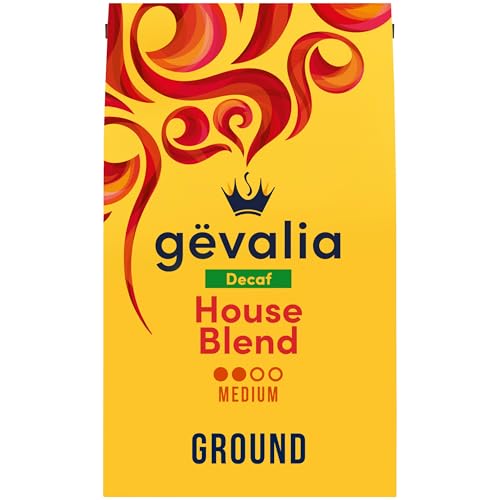
Not every espresso setup needs a dedicated bag of beans. Gevalia’s pre-ground House Blend works across multiple brewers, from drip machines to stovetop moka pots, making it a versatile pantry staple. The slow-roasted Arabica beans are snap-cooled after roasting, a technique that locks in aromatics before they dissipate. This process aims to deliver a never-bitter cup, which in a moka pot translates to a smoother, less astringent pour than some darker roasts.
Compared to the San Francisco Bay whole beans, you lose the ability to dial in grind size, but you gain convenience. The 20 oz bag provides enough coffee for several weeks of daily moka pot brewing. Gevalia sources Arabica beans globally for this blend, and the medium roast sits comfortably between the smoky French roast and the nuanced Italian profile of the Vergnano. You may find the grind slightly coarse for a true espresso machine portafilter, but for moka pot preparation, it lands right.
Plus Points
- Pre-ground convenience eliminates the need for a grinder, lowering the barrier for entry-level espresso and moka pot setups.
- Slow-roasted and snap-cooled process preserves aroma and reduces the bitterness that plagues some supermarket decafs.
- Compatible with all coffee makers, so one bag can serve a drip machine on weekdays and a moka pot on weekends.
- 20 oz bag size offers good volume for the price, especially for multi-cup households.
Small Caveats
- The pre-ground size is optimized for general brewing; owners of pump-driven espresso machines may find the grind too coarse for proper extraction pressure.
- Once the bag is opened, ground coffee stales faster than whole beans, so flavor holds best for about two weeks unless sealed tightly.
Quick Facts
Made For
Casual coffee drinkers who use a moka pot or drip machine and want a smooth, low-fuss decaf that does not require grinding equipment.
Look Elsewhere When
Shoppers willing to grind fresh for a pump espresso machine will get better extraction from the San Francisco Bay Decaf French Roast Whole Bean.
Volume matters when you drink espresso daily, and a 50-count pack of aluminum capsules addresses that directly. Amazon Fresh packs these pods at an intensity of 9 out of 13, placing them on the darker, fuller-bodied end of the spectrum. The capsules carry notes of chocolate and carry Kosher and Rainforest Alliance certifications, the latter indicating farms meet sustainability standards. Aluminum construction means the same pressure integrity you get from the Lavazza capsules.
Where the Lavazza sits at a 7/13 medium roast, this one pushes darker for drinkers who want more punch in the cup. The chocolate notes lean toward bittersweet rather than fruity, which pairs well with milk drinks. You may find the intensity slightly aggressive for straight shots if your palate leans toward lighter roasts. For the volume, though, the 50-count format makes this a practical stock-up choice for two-espresso-a-day households.
Reasons To Buy
- 50-count bulk pack reduces how often you need to reorder, a practical plus for high-frequency espresso drinkers.
- Aluminum capsules deliver consistent pressure and freshness comparable to name-brand Nespresso pods.
- 9/13 intensity and chocolate notes produce a full-bodied shot that holds its character in lattes and flat whites.
- Rainforest Alliance certification signals verifiable sustainability sourcing at the farm level.
Points To Note
- Compatibility is restricted to Nespresso Original brewers; Vertuo and Keurig machines will not accept these capsules.
- The 9/13 dark intensity may taste overly bitter to drinkers accustomed to medium or light roasts.
- Aluminum pods need proper recycling through specialized collection programs rather than standard curbside bins.
Spec Overview
Who Should Grab It
Nespresso Original machine owners who drink multiple espressos daily and want a dark, chocolate-forward decaf in bulk without reordering constantly.
Swap It Out When
Drinkers who prefer a softer, fruitier medium roast should reach for the Lavazza Espresso Maestro Decaf Capsules instead.
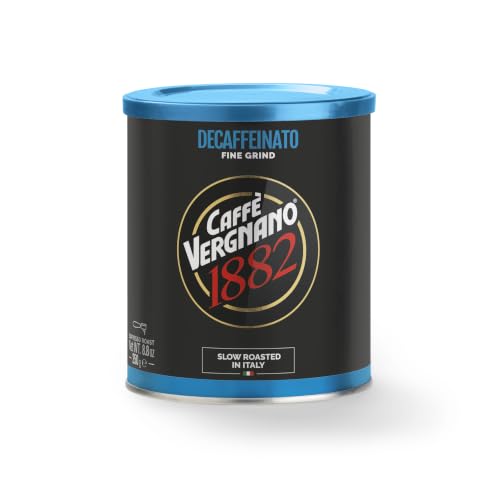
Italian espresso culture lives in the moka pot, and Caffe Vergnano brings that tradition in a neatly packaged 8.82 oz tin. This is a 100% Arabica blend roasted in Italy using slow-roasting techniques, finished with an intensity rating of 6 out of 10. Tasting notes of dried fruit, cocoa, and caramel give the cup a layered profile that feels more like a cafe pour than a decaf. The tin format protects the coffee better than a soft bag during storage, keeping oxygen exposure lower between uses.
Compared to the Gevalia pre-ground, this is a more refined, espresso-focused grind suited specifically for moka pots. The lower intensity makes it approachable for after-dinner espresso without overwhelming the palate. You may find the 8.82 oz quantity runs out quickly in a multi-cup household, so planning a reorder makes sense. The clear and uniform crema the blend produces is a visual cue that the grind and roast are dialed for stovetop extraction.
Bright Spots
- Slow-roasted in Italy using traditional techniques, delivering an authentic espresso profile that mass-market decafs rarely match.
- Tasting notes of dried fruit, cocoa, and caramel create a multi-layered cup that drinks above its price tier.
- Tin packaging protects grounds from light and oxygen better than standard bags, extending freshness after opening.
- 6/10 intensity hits a sweet spot for evening espresso, offering body without the heavy bitterness of a dark roast.
Trade Offs
- The 8.82 oz tin is small; daily moka pot users will go through it in roughly two weeks, requiring frequent reordering.
- Grind is optimized for moka pots, so pump espresso machine owners may find it too coarse for proper portafilter extraction.
Feature Snapshot
Whose Shelf It Belongs On
Stovetop moka pot enthusiasts who appreciate Italian roasting tradition and want a nuanced, cocoa-tinged decaf for after-dinner espresso.
Consider Something Else When
Shoppers with pump espresso machines need a finer, adjustable grind, which the San Francisco Bay Decaf French Roast Whole Bean provides.
Keurig owners often get left out of espresso conversations, but Maud’s built these pods specifically for K-Cup brewers. The “Espress-O Yourself” decaf is roasted to a dark brown with burnt undertones, aiming for a bold cup that echoes an espresso shot pulled through a machine. At 100 pods per box, the volume covers months of daily use for a single drinker or weeks for a busy office. The dark roast profile mimics the intensity of a traditional espresso pour without requiring a pressure-based machine.
Unlike the aluminum Lavazza capsules, these soft pods brew through Keurig’s drip mechanism rather than high-pressure extraction. You will not get the same thick crema, but the flavor aims for that bold, dark-roast espresso character. The beans are roasted to order and packaged for freshness, which helps compensate for the longer shelf life of pods. You may find the brew slightly thinner than a true espresso shot, but for a quick morning cup from a Keurig, it delivers solid flavor.
Best Bits
- 100-count box offers excellent volume for daily Keurig drinkers, reducing reorder frequency to roughly once per quarter for a single user.
- Dark roast with burnt undertones mimics espresso intensity in a Keurig format, bridging the gap for machines that cannot pull true shots.
- Sustainably sourced and freshly roasted beans aim to deliver quality beyond typical pod coffee.
Honest Caveats
- Keurig brewing uses drip extraction rather than pressure, so the cup lacks the thick crema and concentrated body of a true espresso shot.
- Soft pod format is not recyclable in many municipal programs, unlike the aluminum capsules from Lavazza or Amazon Fresh.
- Dark roast with burnt undertones may taste smoky or heavy for drinkers who prefer brighter, lighter decaf profiles.
Core Details
Built With In Mind
Keurig-owning decaf drinkers who want a bold, espresso-style cup from their existing machine without buying a separate espresso device.
Where A Sibling Pick Shines
Nespresso Original machine owners will get better espresso extraction and crema from the Lavazza Espresso Maestro Decaf Capsules.
How To Choose The Right Decaf Coffees For Espresso
Match The Format To Your Machine
Your brewing equipment dictates the format you need. Whole beans require a burr grinder and an espresso machine with a portafilter, giving you the most control over grind size and dose. Pre-ground coffee suits stovetop moka pots and some drip machines, though the grind size may not be fine enough for pump-driven espresso extraction. Aluminum capsules work exclusively with Nespresso Original machines, delivering pressure-brewed espresso with no cleanup. Soft pods fit Keurig brewers but produce a drip-style cup rather than a true concentrated shot. Identifying your machine first narrows the field immediately.
Understand Decaffeination Methods
The Swiss Water Process uses water and activated carbon filters to remove caffeine without chemical solvents, preserving more of the bean’s original flavor compounds. Solvent-based methods, while effective and safe, can strip some aromatic complexity during decaffeination. Shoppers who prioritize chemical-free processing should look specifically for Swiss Water or water-process labeling. The difference shows up most in lighter roasts where delicate fruit and floral notes are vulnerable to being dulled by solvent processing. Dark roasts mask these differences more effectively.
Pay Attention To Roast Level And Intensity
Roast level shapes the cup more than almost any other variable. Dark roasts produce bold, smoky, and bittersweet shots that cut through milk, making them well-suited for lattes and cappuccinos. Medium roasts balance body with acidity, offering chocolate and dried fruit notes that work well as straight shots or with a splash of milk. Light roasts, while popular for caffeinated espresso, are less common in decaf because the decaffeination process can mute the bright acidity that defines them. Intensity scales, where provided, give you a numeric reference for how heavy the roast will taste.
Factor In Volume And Freshness
Coffee stales, and decaf is no exception. Whole beans stay fresh for about a month after opening if stored airtight, while pre-ground coffee loses peak flavor within two weeks. Capsules and pods protect coffee from oxygen and light, extending shelf life considerably. Buying in bulk saves money per cup, but only works if you can consume the volume before flavor degrades. A 2 lb bag of beans makes sense for a daily drinker, while a 50-count capsule pack suits someone pulling one or two shots a day. Match the package size to your actual consumption rate.
Before You Click Buy
Wrong Turns To Avoid
The most common misstep is buying a format that does not fit your machine. Capsule shoppers should verify whether their brewer takes Nespresso Original, Vertuo, or Keurig pods, since these systems are not interchangeable. Another frequent error is grabbing pre-ground coffee for a pump espresso machine, where the grind is often too coarse to build proper extraction pressure. Overlooking the decaffeination method also trips people up; shoppers who want chemical-free processing should confirm Swiss Water labeling rather than assuming all decaf uses the same method. Finally, buying a large bag without a storage plan leads to stale coffee within weeks.
When Paying More Pays Off
Higher-tier decaf espresso typically invests in better bean sourcing, slower roasting, and superior packaging. Aluminum capsules cost more than soft pods but preserve freshness longer and deliver genuine pressure extraction. Italian-roasted ground coffee in sealed tins commands a premium over bagged supermarket decaf, yet the slow-roast depth and aromatic complexity are noticeable in the cup. Whole-bean options from single-origin farms cost more than blended commodity beans, but the flavor clarity and consistency reward anyone who grinds fresh. The upgrade is worth it for daily drinkers who can taste the difference between a carefully sourced cup and a mass-produced one.
Bottom Line
Finding the right decaf espresso comes down to matching format to your machine and roast to your palate. Whole beans give you control, capsules give you speed, and pre-ground options bridge the gap for moka pot brewing. The Swiss Water Process detail matters for anyone avoiding chemical processing, and intensity ratings help you predict whether a cup will be smooth or bold. Whatever your morning routine looks like, one of these six picks will fit right into it.
