

Finding a decaf pod that actually tastes like coffee is harder than it should be. You want that rich morning cup without the caffeine crash at 2 PM, or maybe evening coffee that lets you sleep. The single-serve aisle is crowded with options that promise bold flavor but deliver thin, watery disappointments. This roundup walks you through six solid decaf picks, each with a distinct personality, so you can match the right pod to your routine.
The Shortlist At A Glance
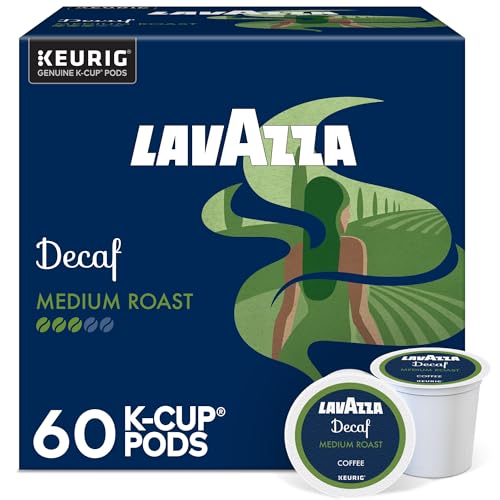
Lavazza Decaf Medium Roast K-Cup Pods 60-Count

Double Donut Decaf Dark Roast Coffee Pods 80 Count

Kirkland Signature House Decaf 120 K-Cup Pods

Keurig Decaf Variety Pack 24 Count

Barista Prima Italian Roast Decaf K-Cup Pods 96 Count

Cambio Roasters Decaf Medium Roast Aluminum Pods 60ct
More Details On Our Top Picks
Lavazza brings its Italian roasting heritage into the decaf space with a medium roast that leans into dried fruit notes and a full-bodied mouthfeel. The 60-count box gives you a steady supply for a couple of months of daily brewing, assuming one cup a day. Orthodox Union Kosher certification adds a layer of trust for shoppers who keep kosher. The flavor profile sits in balanced territory, meaning you get a rounded cup without sharp acidity or heavy bitterness.
In a daily morning routine where you want coffee flavor without caffeine, this pod holds up well against milk and sweetener. The decaffeination process preserves enough of the original character to keep things interesting. You may find the dried fruit nuance subtle rather than pronounced, which suits drinkers who prefer a clean, straightforward cup. Compared to the Double Donut dark roast later in this list, Lavazza stays gentler and less aggressive on the palate.
Strong Points
- Italian roasting heritage brings a well-developed flavor profile to decaf
- 60 pods per box means fewer reorders for single-cup-a-day drinkers
- Medium roast works well with milk, creamer, or straight black
- Orthodox Union Kosher certification covers dietary compliance needs
- Dried fruit notes add a touch of complexity without overwhelming
Things To Consider
- Flavor nuance is subtle, so drinkers seeking bold punch may want something stronger
- 60-count packaging takes up shelf space, which matters in tight pantries
Key Specs
Who Will Love This
Drinkers who want a reliable, balanced morning cup with enough character to stay interesting over months of daily use.
Consider Something Else When
You crave a deep, smoky dark roast profile, in which case the Barista Prima Italian Roast Decaf delivers that intensity more convincingly.
Where Lavazza plays it smooth and Italian, Double Donut goes bold. This extra-bold dark roast pushes caramel and dark chocolate notes to the front, built for drinkers who want their decaf to taste like a serious cup. The 80-pod count gives you a serious volume advantage for households where two or three cups get brewed daily. Recyclable pods add a practical nod toward sustainability without requiring special handling beyond standard recycling.
The extra-bold designation means more coffee grounds packed into each pod, which translates to a stronger extraction. You get a fuller, more intense cup from the same 8-ounce brew setting. The trade-off is that extra-bold pods can put more strain on older Keurig models, and some owners report occasional brewing resistance. For daily dark-roast drinkers, the flavor payoff is worth that minor friction.
Highlights
- Extra-bold packing delivers stronger, fuller flavor per brew cycle
- Dark chocolate and caramel notes create a rich, dessert-like cup
- 80 pods per box offers strong per-cup value for multi-cup households
- Recyclable pod construction reduces plastic waste versus standard pods
Trade Offs
- Extra-bold pods may cause brewing resistance in older Keurig machines
- Dark roast intensity can overpower lighter palates accustomed to mild coffee
- Recyclability depends on local facility capabilities, which varies by region
At A Glance
Right Fit For
Multi-cup households that want a bold, full-flavored decaf without paying premium per-pod pricing.
Look Elsewhere When
You prefer a gentler, more nuanced medium roast, which the Lavazza Decaf Medium Roast handles with more finesse and subtlety.
Kirkland Signature built its reputation on delivering solid quality at warehouse-club scale, and this 120-pod box follows that formula. You get a straightforward house-blend decaf with no flashy flavor descriptors, just a consistent everyday cup. The 120-count format makes this the largest box on this list, designed for offices, break rooms, or households where coffee flows all day. United States origin and a compact package footprint keep storage manageable despite the volume.
The house-blend profile means a middle-of-the-road roast that pleases a crowd without exciting anyone. For offices serving diverse tastes, that neutrality is a strength rather than a weakness. One thing worth considering is that the sealed pods lose freshness faster once the box is open, so rotating through 120 pods takes planning. Compared to the Keurig variety pack, you give up flavor exploration for sheer volume and consistency.
Reasons To Buy
- 120-pod count offers the lowest per-cup cost on this list for volume needs
- House blend profile suits groups with mixed taste preferences
- United States origin provides supply-chain transparency
- Compact box dimensions make shelf storage easier than bulkier 80-count options
Minor Gripes
- Generic house-blend flavor lacks the character of branded roasts like Lavazza or Barista Prima
- 120 pods take months to finish for solo drinkers, risking staleness over time
- No flavor variety within the box, which can lead to palate fatigue
Quick Facts
Built With In Mind
Offices, break rooms, and large families who need a consistent, crowd-pleasing decaf in serious volume.
Reach For A Different Pick When
You want to explore several flavor profiles in one purchase, which the Keurig Decaf Variety Pack covers with four distinct roasts.
This 24-count variety pack solves a specific problem: figuring out which decaf you actually like. You get four established brands in one box, covering Green Mountain Breakfast Blend Decaf, McCafe Premium Roast Decaf, The Original Donut Shop Decaf, and Newman’s Own Organics Special Blend Decaf. Each brings a different personality, from bright and breakfast-friendly to smooth and donut-shop-style. Orthodox Union Kosher certification across the pack keeps dietary compliance simple.
Medium-roast dominance means everything stays in balanced, drinkable territory. You can brew each option at up to 12 ounces, which gives a larger cup size than standard 8-ounce pours. The trade-off is that 24 pods disappear quickly in a two-cup-a-day habit, lasting roughly two weeks. That makes this pack better as a discovery tool than a long-term supply.
Plus Points
- Four brands in one box let you sample before committing to a full-size purchase
- Up to 12-ounce brew size accommodates larger mug preferences
- All pods carry Orthodox Union Kosher certification for dietary compliance
- Medium-roast balance keeps every option approachable for casual drinkers
Points To Note
- 24 pods total means only six cups per brand, which goes fast for daily drinkers
- Variety pack pricing per pod runs higher than bulk single-brand options like Kirkland
Feature Snapshot
Perfect Match For
Newcomers to decaf pods who want to try multiple roasts before settling on a go-to brand.
Skip It When
You already know your preferred roast and want volume, because the Kirkland Signature House Decaf delivers 120 pods of a consistent blend.
Barista Prima targets drinkers who want a cafe-level experience from a single-serve machine. The Italian Roast decaf pushes hard into smoky-sweet territory, delivering an intense dark roast that holds its own against cream and sugar. Orthodox Union Kosher certification keeps it compliant for kosher households. The 96-count format splits the difference between the Kirkland bulk box and the Lavazza 60-pod supply.
Recyclable K-Cup pods add a sustainability angle, though the brand notes that local recycling capabilities vary. You peel, empty, and recycle the pod, which takes a few extra seconds per cup. The smoky intensity is the defining trait here, and it lands deeper than Double Donut’s dark roast. That intensity suits afternoon espresso-style drinks and stands up to milk without disappearing.
Upsides
- Intense smoky-sweet profile mimics cafe espresso drinks in single-serve format
- Recyclable pods reduce environmental waste for eco-conscious drinkers
- 96-count box balances volume and freshness better than 120-pod options
- Dark roast strength holds up well under milk, creamer, or sweetener
- Kosher certification covers dietary compliance needs
Softer Spots
- Smoky intensity may overwhelm drinkers who prefer mild or medium roasts
- Recyclable pods require peel-and-empty steps that add cleanup time
- Local recycling acceptance varies, so pods may still end up in trash in some areas
Technical Sheet
Best Suited To
Dark roast devotees who want a smoky, cafe-quality decaf that survives milk and sweetener without losing character.
A Better Fit Elsewhere
You want maximum pod count for an office setting, where the Kirkland Signature House Decaf 120-pack covers more cups at a lower per-pod cost.
Cambio Roasters takes a different approach to the pod format by using aluminum instead of plastic. Aluminum blocks light and oxygen more effectively, which helps preserve coffee freshness on the shelf. The organic decaf beans get small-batch roasting, a process that typically yields more consistent flavor development than high-volume industrial roasting. Keurig compatibility means you drop these into your existing brewer without new hardware.
The Sumatran roast profile brings an earthy, full-bodied character that differs from the Italian-style Lavazza. You get 60 pods in the standard box, with smaller count options available for trying before committing. Aluminum pods are recyclable in many curbside programs, though you should verify local capabilities. The honest read is that aluminum pods represent a genuine sustainability upgrade over plastic, but the per-pod cost reflects the premium materials.
Bright Spots
- Aluminum pods block light and oxygen better than plastic for fresher coffee
- Organic beans appeal to shoppers avoiding conventional farming inputs
- Small-batch roasting typically delivers more consistent flavor development
- Sumatran profile brings earthy depth distinct from standard medium roasts
Small Caveats
- Aluminum pods carry a higher per-cup cost than plastic alternatives like Kirkland
- Sumatran earthiness may not suit drinkers who prefer bright, fruity notes
- Recyclability depends on local aluminum program acceptance
Feature Rundown
Whose Shelf It Belongs On
Eco-minded coffee fans who value organic beans, aluminum freshness, and small-batch roasting over rock-bottom per-pod pricing.
Swap It Out When
You need maximum volume for a busy office, where the Kirkland Signature House Decaf 120-pack covers more cups at a fraction of the per-pod cost.
How To Choose The Right Decaf Coffee Pods
Roast Level And Flavor Profile
Roast level shapes the flavor more than any other variable. Light roasts preserve bright, acidic notes but rarely appear in decaf pod format. Medium roasts balance sweetness and body, making them the most common decaf choice for everyday drinking. Dark roasts push smoky, bitter, and caramelized flavors forward, which suits drinkers who want their decaf to taste bold.
Matching roast to your routine matters. Morning drinkers who take coffee black often prefer medium roasts for balance. Afternoon and evening drinkers who add milk tend to benefit from dark roasts, since the stronger flavor cuts through dairy without fading. Your palate also adjusts over time, so a roast that seems too intense at first may grow on you.
Pod Count And Freshness Timeline
Pod count determines how long the box lasts and how fresh the final cups taste. A 24-count box suits a single drinker finishing one cup daily in under a month. Boxes of 60 to 96 pods cover six weeks to three months for the same drinker. The 120-count Kirkland box serves multi-drinker households or offices where turnover keeps pods fresh.
Coffee pods lose volatile flavor compounds over time once the factory seal breaks. You may notice the last 20 pods from a 120-count box taste flatter than the first 20. Buying a size that matches your actual consumption rate prevents this. Smaller households benefit from 60-count options like Lavazza or Cambio over bulk boxes.
Pod Material And Recyclability
Standard plastic K-Cup pods dominate the market but face growing scrutiny over waste. Recyclable plastic pods, like those from Double Donut and Barista Prima, reduce landfill impact when local facilities accept them. Aluminum pods from Cambio Roasters offer better freshness preservation and broader recycling acceptance in many curbside programs.
The trade-off is cost. Aluminum and recyclable-plastic pods typically carry a higher per-cup price than standard plastic. Eco-minded shoppers who prioritize sustainability often accept that premium. You should verify local recycling capabilities before assuming any pod bypasses the trash bin.
Compatibility And Brewer Considerations
All six picks on this list carry Keurig K-Cup compatibility, meaning they work in standard Keurig single-serve machines. Extra-bold pods, like the Double Donut dark roast, pack more grounds into each capsule. Older Keurig models with weaker pumps may struggle to push water through denser pods. Newer machines handle extra-bold pods without issue.
Brew size also affects flavor strength. Most pods are designed for 8-ounce brews, though the Keurig variety pack supports up to 12 ounces. Larger brew sizes dilute flavor, which matters for dark roasts where intensity is the selling point. Stick to 8-ounce settings for maximum flavor from any pod on this list.
Things Worth Knowing First
Traps First Timers Fall Into
Buying the largest pod count seems smart until the coffee goes stale before you finish. Pods lose flavor over time, and a 120-count box for a single drinker can mean drinking diminished coffee for months. Match the box size to your actual consumption rate rather than chasing the lowest per-pod cost.
Another common misstep is assuming all decaf tastes the same. Decaffeination removes caffeine but leaves the roast profile intact, meaning a dark roast decaf still delivers bitter, smoky notes. Shoppers who expect a mild cup from a dark roast end up disappointed. Read the roast level before buying, not after brewing.
When Paying More Pays Off
Premium decaf pods cost more because the underlying components justify it. Aluminum pods preserve freshness longer than plastic. Organic beans avoid conventional pesticide inputs, which matters to certain shoppers. Small-batch roasting develops flavor more evenly than industrial drum roasting at scale.
The upgrade makes sense when you drink coffee straight black, where flavor subtleties are most apparent. Adding heavy cream and sugar masks many differences between a budget pod and a premium one. Paying more for aluminum or organic certification delivers the most value to drinkers who taste their coffee without heavy additions.
Bottom Line
Your perfect decaf pod depends on what your morning looks like. Daily drinkers who want balance and reliability will find it in the Lavazza medium roast. Volume-focused households get the most mileage from Kirkland’s 120-count box. Dark roast fans who want cafe intensity should reach for Barista Prima. Eco-conscious shoppers who value fresh, organic coffee in sustainable packaging will appreciate what Cambio Roasters brings. Every option here lets you enjoy real coffee flavor without the caffeine, so pick the one that fits your cup.
