

You want a coffee machine that keeps pace without turning the break area into a project. Some of these picks suit a small office or front desk, while others make more sense in a kitchen that serves a steady stream of drinks all day. The right choice comes down to how much control you want, how many people you serve, and how much cleanup you’re willing to handle. That’s where this shortlist helps: it separates simple brewers from fuller bean-to-cup systems so you can match the machine to the job.
Quick Look At The Shortlist

BUNN VP17-1SS Pourover Coffee Brewer 1-Warmer

Hamilton Beach 2-Way Drip Coffee Maker 12 Cup Carafe

Ninja Luxe Café Pro Series ES701 Built-in Grinder
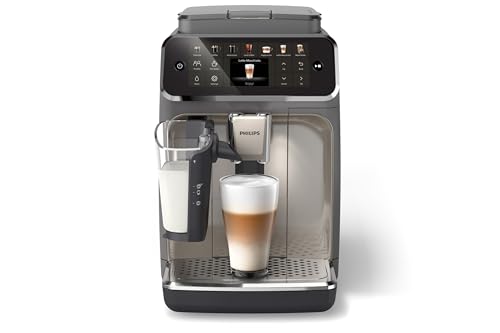
Philips 4400 Series LatteGo EP4444/90

BUNN VP17-3 Low Profile Pourover Coffee Maker

Keurig K-2500 Single Serve Commercial Coffee Maker

Philips 5500 Series LatteGo EP5544/94

Zulay Magia Fully Automatic Espresso Machine OG Silver
More Details On Our Top Picks
The stainless-steel body gives this BUNN a no-nonsense look that fits a lunch counter, waiting area, or small office kitchen. A pourover brewer like this keeps the setup simple, since you’re filling it by hand rather than planning around plumbing, which suits spaces that need coffee without a complicated install.
The single warmer helps keep one decanter ready for the next pour, and that makes sense in places with steady but not overwhelming traffic. Compared with the feature-heavy systems later in this list, this one is the straightforward workhorse, and that honesty is part of the appeal.
What We Like
- Stainless steel construction usually handles daily wipe-downs well.
- Hand-filling keeps installation simple for smaller spaces.
- One warmer supports a ready-to-serve pot.
- Good fit for places that want brewing without menus or menus of settings.
Things To Consider
- Pourover design means you handle refills yourself.
- Single-warmer capacity suits modest traffic more than constant rushes.
- The plain format leaves less room for drink customization.
Feature Snapshot
Who It Suits Best
You’ll like this most if you need a simple commercial-style brewer for an office, studio, or reception area with predictable coffee demand.
Where A Sibling Pick Shines
BUNN VP17-3 makes more sense for a busier service point that needs three warmers and a stronger holding setup.
This Hamilton Beach model splits its role between a full carafe and a single-serve path, so it fits mixed routines better than the fixed-output BUNN brewer. The 12-cup glass carafe handles group coffee, while the one-cup side makes sense for solo mornings or a quick refill between meetings.
The AquaFlow showerhead, a water-distribution design that spreads water across the brew basket, is meant to help with even saturation, which matters when you care more about flavor consistency than gadgetry. It’s a practical middle ground for a home office or small shared kitchen, though the glass carafe asks for a bit more care than a thermal server would.
Highlights
- Two brewing paths suit both solo cups and full pots.
- 12-cup carafe helps cover small group use.
- AquaFlow showerhead supports even water spread over grounds.
- Auto Pause and Pour lets you grab a cup mid-brew.
Minor Gripes
- Glass carafes need a little more handling care.
- The dual setup takes more counter awareness than a single-purpose brewer.
- Cleanup is less effortless than with a pod-only machine.
Details At A Glance
Who Should Grab It
You’re a strong match for this one if your kitchen needs both a quick solo option and a larger pot for weekends or guests.
Look Elsewhere When
Keurig K-2500 fits better for a workplace that wants faster single-cup service with less fuss between users.
This Ninja is for the workspace or kitchen that wants more than plain drip coffee. It combines espresso, drip coffee, rapid cold brew, and hot water in one system, so you can cover a morning espresso, an iced drink, or a tea break without setting out separate appliances.
The built-in grinder, integrated tamper, and hands-free frother push it toward a café-style routine at home, and that’s where it differs sharply from the simpler BUNN and Hamilton Beach picks above. You’ll appreciate the guided feel most when you want consistent espresso workflow without needing to piece together extra tools.
Reasons To Buy
- Four drink paths reduce the need for separate machines.
- Built-in grinder keeps bean prep in one place.
- Integrated tamper helps shape espresso pucks cleanly.
- Hands-free frother supports milk drinks with less manual work.
- Hot water system adds flexibility for tea or Americanos.
Trade Offs
- The broader feature set asks for more counter space.
- More moving parts usually mean more routine cleaning.
- It makes more sense for enthusiasts than for bare-bones coffee service.
Feature Rundown
Perfect Match For
You’ll get the most from this if you want a single machine for espresso drinks, cold brew, and daily drip coffee in a well-used kitchen.
Swap It Out When
Philips 4400 Series LatteGo EP4444/90 suits a person who wants a more automated espresso path with less hands-on grinding and tamping.
The Philips 4400 leans into automation, so it fits busy mornings better than a machine that asks you to manage grinding and tamping by hand. Its LatteGo milk system is built to foam and froth milk automatically, which is useful in a household that rotates between straight espresso and milk drinks.
You get 12 presets, a color display, and the option to save two profiles, so the machine can feel personal without turning complicated. Compared with the Ninja, this one is less about range and more about smooth daily repetition, and that’s exactly what some kitchens need.
Best Bits
- One-touch operation keeps daily use straightforward.
- LatteGo handles milk drinks with less manual effort.
- 12 presets cover hot and iced coffee styles.
- Color display makes adjustments easier to track.
- Two saved profiles help different drink preferences coexist.
Areas To Watch
- The drink menu is broad, but not as wide as the 5500 Series.
- The automated format still asks for regular cleaning.
- Better suited to daily home use than heavy commercial traffic.
Core Details
Right Fit For
You’re a good match for this model if you want a quieter, more guided espresso experience for a shared kitchen or home office.
A Better Fit Elsewhere
PHILIPS 5500 Series LatteGo EP5544/94 suits you better if you want a wider preset spread and more room to fine-tune drink variety.
The low-profile body keeps this BUNN practical for counters where cabinet height matters, and the three lower warmers tell you exactly who it’s built for: places that keep multiple pots ready at once. Compared with the single-warmer BUNN VP17-1SS, this version gives you more holding capacity without changing the basic pourover rhythm.
That makes it a solid fit for churches, break rooms, and service spots that need a steady stream of hot coffee over the course of a shift. The stainless steel exterior also points toward easier day-to-day wiping, though the hand-fill setup still means someone has to stay on top of refills.
Plus Points
- Three warmers support multiple decanters at once.
- Low-profile build helps in tighter cabinet spaces.
- Stainless steel exterior suits regular wiping and wear.
- Good match for sustained coffee service.
Softer Spots
- Pourover use still depends on manual filling.
- Holding several pots means more attention to rotation.
- The format is functional rather than feature-packed.
Technical Sheet
Built With In Mind
You’ll get the best fit here if your space serves many cups and needs multiple pots kept warm without a complicated machine interface.
Where Another Pick Suits Better
Hamilton Beach 2-Way Drip Coffee Maker 12 Cup Carafe fits better for a smaller household that wants both single cups and a pot in one footprint.
Break rooms live and die by convenience, and that’s where the Keurig K-2500 earns attention. The option for plumbed setup or an optional 110 oz reservoir gives you flexibility, so the machine can fit a semi-permanent office station or a spot that needs a little more mobility.
Compared with the carafe-first BUNN brewers, this one leans hard into single-serve use, which cuts down on wasted coffee in places where people come and go at different times. It’s a sensible fit for a shared space that values speed and simple cup-by-cup service over pot brewing.
Bright Spots
- Single-serve format reduces guesswork in shared spaces.
- Plumbed or reservoir setup adds placement flexibility.
- Good for quick beverage turns during busy periods.
- Works well where different people want different cup sizes.
Worth Noting
- Single-serve use is less suited to pot-style service.
- Plumbed installation asks for more planning up front.
- The format is efficient, but not built for large-batch output.
At A Glance
The Right Fit
You’ll appreciate this most in a shared workspace, reception area, or back office where people want fast, individual cups.
Reach For A Different Pick When
BUNN VP17-3 suits you better if your space needs multiple pots kept warm for continuous service.
The Philips 5500 takes the automated route farther than the 4400, with 20 presets instead of 12 and the same LatteGo milk system for foam and froth. That extra preset range matters in homes or offices where one person wants a short espresso, another wants iced coffee, and a third wants a milk drink without asking the machine to improvise.
You also get a ceramic grinder, which is a grinding mechanism made from ceramic material rather than metal, and that matters because it supports a quieter-feeling daily routine and a different wear profile over time. The honest read is that this machine suits people who want a broad drink menu with less manual effort, not people who want the simplest path possible.
Standout Traits
- 20 presets bring plenty of drink variety.
- LatteGo automates milk prep for foamy drinks.
- Ceramic grinder adds a distinct hardware choice.
- QuickStart helps the machine get going without a long wait.
- Good fit for households with mixed drink preferences.
Points To Note
- More presets can feel like more menu management.
- The automated build still needs regular cleaning.
- More appealing for home routines than heavy-duty service.
Quick Facts
Who Will Love This
You’re the right match here if your kitchen needs a versatile espresso machine that can keep pace with several drink habits in one household.
Another Choice May Suit
Zulay Magia Fully Automatic Espresso Machine OG Silver suits you better if auto-cleaning matters more than a bigger preset list.
The Zulay Magia leans into convenience, especially for someone who wants a fully automatic espresso setup with less upkeep between uses. Auto-cleaning is the headline here, and in a real kitchen that often matters more than a flashy drink list because it lowers the friction of daily ownership.
Its milk-foam system supports latte, cappuccino, and macchiato-style drinks, while the built-in grinder keeps the whole process in one machine. Compared with the Philips 5500, this one feels more focused on straightforward maintenance than on stacking up the widest possible preset count.
Positives
- Auto-cleaning helps reduce routine maintenance effort.
- Built-in grinder keeps bean prep self-contained.
- Milk-foam system supports common espresso drinks.
- Good fit for people who want less day-to-day fuss.
Small Caveats
- The drink list is broad, but less expansive than the Philips 5500.
- Automatic systems still need regular care, even with cleaning support.
- Better suited to home espresso habits than constant group use.
Feature Card
Whose Shelf It Belongs On
You’ll like this most if you want a self-contained espresso machine for a busy home kitchen and you’d rather spend less time on cleanup.
Where Shoppers Go Wrong
PHILIPS 5500 Series LatteGo EP5544/94 suits you better if your priority is the broadest preset variety and a more expansive drink menu.
How To Choose The Right Commercial Beans To Cup Coffee Machine
Match The Machine To Service Style
A commercial beans-to-cup machine works best when the brewing style matches the setting. A plumbed single-serve brewer like the Keurig K-2500 makes sense for a shared office, while a pot-focused brewer such as the BUNN VP17-3 suits a counter that needs multiple cups ready at once. Espresso systems bring a different rhythm altogether, since they ask for more attention but return a wider menu of drinks. The cleanest choice is the one that fits your day without forcing a new routine.
Look Closely At Drink Range And Control
Preset counts matter because they tell you how much help the machine gives you. The Philips 4400 keeps things simpler with 12 presets, while the Philips 5500 opens the menu wider with 20, and the Zulay Magia lands in between with 19 customizable options. More choice helps in a mixed household or break room, but it also adds menu steps and more parts to clean.
Think About Milk, Grinding, And Cleanup
Built-in grinders, like the ones in the Ninja Luxe Café Pro Series, Philips 5500, and Zulay Magia, save counter space and keep the workflow contained. LatteGo and similar milk systems make milk drinks easier to manage, yet they still need routine care, so the trade-off is convenience versus ongoing cleanup. Stainless steel drip brewers are usually easier to wipe down, while glass carafes and frothing parts ask for a bit more attention. For most kitchens, the best machine is the one you’ll actually keep clean after the first week.
Size, Installation, And Daily Volume
Counter space matters more than people expect. Low-profile bodies, like the BUNN VP17-3, help under cabinets, and flexible water options on the Keurig K-2500 make placement easier in a work area that may change later. Bigger systems are worth the room only when your coffee volume and drink variety justify the footprint. A compact setup that gets used every day beats a bigger machine that feels awkward from day one.
What To Weigh Before You Choose
Common Shopping Slip Ups
A common mistake is chasing the biggest drink menu and forgetting the upkeep that comes with it. More presets, grinders, and milk systems can be useful, but they also mean more steps between the first cup and a clean machine. Another misstep is underestimating volume, especially in offices where a one-pot brewer feels too small or a single-serve machine slows the line. Match output to the real crowd, not the fantasy version of it.
Where The Extra Money Goes
Higher-tier machines usually spend more on automation, drink variety, and built-in parts. That shows up in features like ceramic grinders, automatic milk systems, guided brewing, and saved profiles, all of which trim down the number of separate tools you need. The upgrade makes sense when coffee is a daily habit and several people want different drinks from the same machine. It’s harder to justify when the machine sits idle for long stretches.
Final Thoughts
A good commercial beans-to-cup coffee machine should make your day easier, not busier. The right pick depends on whether you need fast pots, single cups, or a more complete espresso setup with built-in grinding and milk handling. For a simple service counter, the BUNN models make a lot of sense. For a home office or shared kitchen that wants more drink variety, the Philips, Ninja, and Zulay options bring a lot more flexibility without leaving you stuck with guesswork.
