

Your coffee ritual gets easier when the label tells a clearer story. This roundup focuses on coffees that lean on organic sourcing, origin detail, and contaminant screening, so you can match a bag or pod to the way you brew at home, at work, or on the road. Some picks suit a drip machine, others fit a Keurig brewer or a small espresso setup, and the differences matter more than marketing copy usually lets on. The goal is simple, choose a cup that fits your routine without leaving you guessing about what’s in the bag.
A Fast Look At The Shortlist
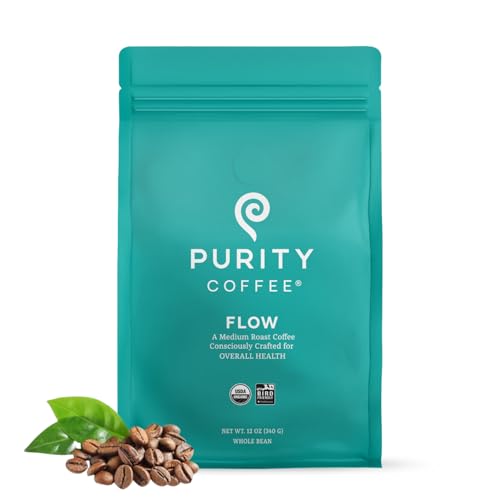
FLOW Original Medium Roast Whole Bean (12oz Bag)

Kauai Coffee K-Cup Pods Vanilla Macadamia Nut 22 K-Cup Pods

Fabula Low Acid Coffee USDA Organic Ground Coffee Medium Roast

Allegro Coffee Organic Early Bird Blend Ground Coffee 12 oz

Kion Clean Coffee Organic Ground Tested for Toxins Medium Roast 12 Oz

FLOW Original Medium Roast Ground (12oz Bag)

Lifeboost Organic Espresso Ground Coffee Non-GMO Low Acid

Bulletproof Maximizer Medium-Dark Roast Ground Coffee with Prebiotics 10 oz
Whole beans give you the freshest grind flexibility, and that matters here because FLOW leans hard into a clean, origin-aware profile. The blend sits in a medium roast lane, so it should suit drip machines, pour-over setups, and anyone who wants a fuller cup without drifting into burnt territory.
The bigger draw is the sourcing story, which includes organic farming and third-party screening for contaminants. That combination makes it a strong fit for home brewers who want a more deliberate pantry staple, though the trade-off is that whole beans ask for a grinder and a little more routine.
Strong Points
- Whole beans let you grind for your brew method.
- Medium roast keeps the cup flexible across drip and pour-over.
- Organic sourcing adds reassurance for daily use.
- Contaminant screening gives the label more substance than vague wellness language.
- It suits a kitchen where one bag needs to cover several brewing styles.
Things To Consider
- You need a grinder, which adds a step before each brew.
- Whole-bean storage takes a little more planning after opening.
- The health-forward positioning may feel unnecessary for casual coffee drinkers.
Feature Snapshot
Who It Suits Best
You'll like this most if you brew at home, keep a grinder on hand, and want a mainstream cup with a cleaner sourcing angle.
A Better Fit Elsewhere
FLOW Original Medium Roast Ground suits you better than this version when you want the same sourcing profile without grinding first.
Single-serve pods solve the morning rush, and this Kauai Coffee option leans into that convenience with a flavor profile that reads more dessert-like than plain diner coffee. The medium roast base and vanilla macadamia note make it easy to keep on hand for a guest room, office pod machine, or a kitchen where everyone wants their coffee fast.
The 10 percent Hawaiian-origin Arabica detail matters because it gives the cup a more specific place-of-origin identity, even though most of the blend comes from elsewhere. You may find that balance pleasant for everyday sipping, but the flavoring makes it a less neutral choice than the cleaner-tasting bags in this roundup.
What We Like
- Pods keep prep nearly frictionless for busy mornings.
- Vanilla and macadamia notes add a softer, sweeter profile.
- The medium roast base keeps it from feeling too heavy.
- Single-serve format works well in offices and shared kitchens.
Points To Note
- Flavoring narrows the appeal for drinkers who want a plain cup.
- Pods create more packaging to store and toss.
- The blend is not a fully Hawaiian-origin coffee, so the label needs a careful read.
Feature Card
Who Will Love This
You'll get the most from this if you use a Keurig-style brewer and want a flavored cup that feels easy rather than serious.
Where A Sibling Pick Shines
Allegro Coffee Organic Early Bird Blend Ground Coffee fits better when you want a simpler, more classic breakfast cup without pod waste.
Fabula takes a more restrained route than the flavored Kauai pods, which makes it appealing for you if a gentler, less sharp cup matters most. The Peru sourcing and high-altitude growing detail help explain why this coffee leans toward a more developed aroma and a cleaner-tasting finish.
The low-acid angle is the headline here, and that makes sense for home brewers who prefer a smoother cup in the morning or want a ground coffee that feels less aggressive. The trade-off is straightforward, this is a focused profile rather than a broad crowd-pleaser, so it fits best when you already know you like low-acid coffee.
Bright Spots
- Low-acid positioning suits a smoother daily cup.
- Ground format keeps brewing simple.
- Single-origin Peru sourcing adds a clearer flavor identity.
- High-altitude growing often points to more distinct character in the cup.
Small Caveats
- The low-acid focus narrows the audience a bit.
- Ground coffee is less flexible than whole bean for grind control.
- Storing an opened bag well still matters for freshness.
Details At A Glance
Made For
You're the best match for this if you want a ground coffee with a softer profile and a more transparent origin story.
Look Elsewhere When
FLOW Original Medium Roast Ground suits you better when you want a similar clean-focused bag with a broader specialty-coffee angle.
Early-morning coffee should be easy to live with, and this Allegro blend sounds built for that kind of routine. The advertised cocoa, roasted nut, and sweet notes point to a cup that should feel familiar rather than fussy, which helps a lot in kitchens where the coffee pot gets used before the rest of the house is awake.
Compared with Fabula’s more origin-specific profile, this one feels more like a comforting house blend. That usually works well for drip brewers, though it also means you won't get the same sharp single-origin character that some coffee drinkers want.
Upsides
- Flavor notes lean warm and breakfast-friendly.
- Ground format keeps it convenient for drip brewing.
- Organic positioning adds reassurance without extra effort.
- The profile sounds easy to share across different tastes in one home.
Areas To Watch
- It may feel a little plain for anyone chasing a sharper origin story.
- Ground coffee gives you less control than whole bean.
- The flavor profile is gentle enough that strong espresso fans may want something darker.
Core Details
Perfect Match For
You're a good fit for this if you want a calm, everyday coffee that slips easily into a morning drip routine.
Skip It When
Kion Clean Coffee suits you better when your main priority is toxin screening and a more explicit clean-label angle.
Kion keeps the pitch straightforward, which can be refreshing in a category that sometimes leans too hard on wellness language. The organic ground format and toxin screening make it a sensible pantry choice for home brewers who want a medium roast without extra noise around the cup.
The honest read is that this coffee feels built for routine more than novelty. That makes it a good match for a regular drip pot, though the single-bag format means you may want to watch how quickly you work through it once opened.
Best Bits
- Clean-label focus is easy to understand at a glance.
- Ground coffee keeps weekday brewing simple.
- Medium roast works for a broad range of tastes.
- The screening angle adds practical confidence for label-conscious households.
Worth Noting
- The flavor pitch is less descriptive than some other picks here.
- Ground coffee gives up grind control.
- One-bag stock sizes mean freshness planning matters after opening.
Feature Rundown
Right Fit For
You'll appreciate this most if you want a direct, no-frills coffee with a toxin-screened angle.
Swap It Out When
FLOW Original Medium Roast Whole Bean suits you better when you want the same general clean-minded direction with more control over grind freshness.
This is the easier version of the first FLOW pick, and that alone makes it appealing for busy kitchens. You still get the same specialty-grade, organic-minded positioning, but the ground format cuts out the grinder step and gets you moving faster on weekday mornings.
Compared with the whole-bean FLOW bag, this one trades flexibility for convenience, which is a fair exchange for most drip and pour-over setups. The third-party contaminant screening keeps the clean-label angle intact, though the bag still asks for a little care once it's opened.
Highlights
- Ground coffee makes daily brewing simpler.
- Specialty-grade positioning gives the bag a more serious coffee profile.
- Organic sourcing and screening support a cleaner pantry choice.
- Medium roast keeps it useful for common home brew methods.
Room For Improvement
- You lose the freshness control that whole beans offer.
- The clean-label focus may feel more detailed than some drinkers need.
- Opened ground coffee benefits from careful storage to keep the flavor stable.
Technical Sheet
The Right Fit
You're in the sweet spot for this pick if you want FLOW's sourcing style without the extra prep of whole beans.
Another Choice May Suit
Allegro Coffee Organic Early Bird Blend Ground Coffee fits better when you want a softer, more classic breakfast cup with less emphasis on specialty grading.
Espresso coffee needs a firmer roast profile, and Lifeboost aims squarely at that space with a dark, bold ground format. The Nicaraguan single-origin sourcing, shade-grown cultivation, and hand-selected beans give the bag more identity than a generic espresso blend, which matters in a home setup where the shot is supposed to carry the cup.
The low-acid angle is another practical plus for espresso drinkers who want a smoother finish. The trade-off is that this kind of focused roast can feel intense for drip-only households, so it's best for people who already like espresso-style depth or use the grounds in milk drinks.
Reasons To Buy
- Dark espresso profile suits stronger shots.
- Single-origin sourcing gives the coffee a clearer identity.
- Shade-grown, hand-selected beans add an artisan feel.
- Low-acid positioning may suit a smoother espresso cup.
- Ground format works well for a home espresso routine.
Trade Offs
- The bold roast can feel intense outside espresso use.
- Ground coffee leaves less room for fine-tuning than whole bean.
- The sourcing story matters most to coffee drinkers who like detail.
Core Facts
Built With In Mind
You're the right match if your kitchen already has an espresso machine and you want a bolder bag with a cleaner sourcing story.
Where Shoppers Go Wrong
Bulletproof Maximizer suits you better when you want a functional blend with added ingredients rather than a straight espresso coffee.
Bulletproof leans into the functional-coffee lane more than any other pick here, and that makes it stand apart from the cleaner, simpler bags above. The medium-dark roast gives it a deeper edge, while the added prebiotics, slippery elm bark, and chromium picolinate point toward a more layered formula for people who want extras in the cup.
The catch is that more ingredients also mean more complexity, so this is less of a plain pantry staple and more of a purposeful choice for routine coffee drinkers. You may like it most if you already enjoy a bolder roast and want the grounds to do a little more than provide caffeine.
Positives
- Medium-dark roast gives the cup more depth.
- Added prebiotics make the formula more distinctive.
- Ground format keeps your morning routine simple.
- 100 percent Arabica offers a familiar coffee base.
- The bag suits households that like a more functional ingredient list.
Points To Note
- The added ingredients make it less straightforward than plain coffee.
- Flavor expectations matter, since functional blends can taste different from classic coffee.
- Ten ounces is a smaller bag than several other picks here.
Quick Facts
Whose Shelf It Belongs On
You're the right match if you want a coffee with added ingredients and a deeper roast style in a compact bag.
Reach For A Different Pick When
Kion Clean Coffee fits better when you want a simpler ingredient story and a more direct clean-coffee profile.
How To Choose The Right Coffees Without Chemicals
Start With The Brew Style You Actually Use
Whole beans give you the most control over grind size, which helps when you split time between drip, pour-over, or a burr grinder at home. Ground coffee removes a step and usually suits busy mornings better, while pods are the fastest route for a single cup. Espresso drinkers should look for a roast that leans darker and more concentrated, since a lighter all-purpose blend can feel thin in a shot.
That is why format matters as much as sourcing language. A clean label is nice, but your routine still has to fit the package.
Read The Clean-Label Claims Carefully
Words like organic, single origin, and contaminant screening each tell you something different. Organic speaks to how the coffee was grown, single origin points to a defined place source, and lab screening aims at what may be checked after harvest. None of those terms means the same thing, so the smartest choice is the one that matches the kind of reassurance you want most.
For many households, a simple bag with clear sourcing is enough. For more detail-driven shoppers, the extra screening language can be worth paying attention to.
Match Flavor Strength To Daily Habits
Medium roast coffee usually gives you the widest landing zone, with enough body for milk and enough restraint for black coffee. Medium-dark and dark espresso styles bring more depth and work better when you want a firmer cup, especially in smaller servings. Flavored pods add convenience and variety, though they are less subtle than plain coffee and can shape the cup more heavily.
That trade-off shows up most clearly in shared kitchens. A softer blend keeps more people happy, while a flavored or bolder bag narrows the lane on purpose.
Think About Storage And Freshness Routine
Whole beans reward you with better freshness control, but only when you grind what you need and store the bag well after opening. Ground coffee is easier, yet it tends to move through the pantry faster once exposed to air, so regular rotation matters. Pods skip the freshness puzzle in a different way, but you pay for that convenience with more packaging and less brewing flexibility.
The best match is the one you will actually keep using cleanly and consistently. A coffee that fits your shelf, your machine, and your pace usually earns its keep.
A Quick Reality Check Before You Choose
Mistakes Worth Dodging
One common slip is treating every clean-label claim as the same thing. Organic coffee, low-acid coffee, and toxin-screened coffee all answer different questions, so you want the label that solves your real concern instead of the loudest one on the bag.
Another easy miss is overlooking format. Pods are convenient, but they lock you into a machine style, while whole beans ask for a grinder and a few extra seconds each morning.
Where The Extra Money Goes
Higher-tier coffee usually costs more because of tighter sourcing, specialty grading, or added screening. In some cases, you are also paying for more specific growing conditions, smaller lots, or a more deliberate production process that cuts down on defects.
That premium makes the most sense when coffee is part of your daily ritual and you notice taste differences. For casual drinkers, a simpler organic ground coffee may already be enough.
Final Thoughts
Your best coffee match depends less on the label buzz and more on how you brew, how specific you want the sourcing story to be, and how much prep you want before the first cup. FLOW works well for clean-minded home brewers, Kauai fits a fast pod routine, and Lifeboost serves espresso drinkers who want a bolder profile. Once you line up format, roast, and the kind of reassurance that matters to you, the choice gets much easier.
