

You want coffee that fits your routine, not a bag that looks good once and sits untouched. This roundup focuses on grounds and whole beans that suit busy mornings, home espresso setups, drip machines, and the kind of weeknight brewing that needs to be easy. You’ll also see where each pick lands on flavor, grind form, and daily convenience, so you can sort out the right bag without guesswork.
The Shortlist At A Glance

Amazon Fresh Nicaragua Ground Coffee 12 Oz

Dunkin’ Original Blend Medium Roast Ground Coffee 12 Oz. Bag

Stumptown Coffee Roasters Homestead Blend 12 Ounce Bag
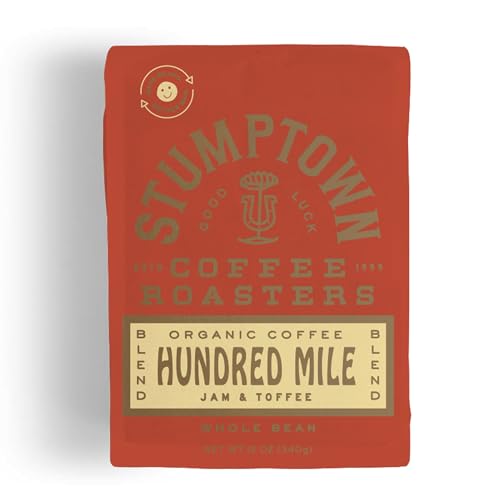
Stumptown Coffee Roasters Hundred Mile Organic Whole Bean Coffee 12 Ounce Bag

Dunkin’ Colombian Medium Roast Ground Coffee 11 Oz. Bag

Cameron's Coffee Chocolate Caramel Brownie 32 Ounce Bag

Blue Bottle Whole Bean Organic Coffee Espresso Dark Roast 12 Ounce Bag

Peet's Coffee Off the Grid Blend 10.5 Ounce Bag
More Details On Our Top Picks
This ground coffee leans into a medium-roast profile that suits a standard drip maker or a simple pour-over setup. You get a single-origin Nicaragua coffee, so the cup tends to feel more focused than a broad house blend, with enough structure for daily use without turning heavy.
That makes it an easy fit for a desk-side mug or a kitchen routine where you want the bag to disappear into the background and still give you a steady cup. The honest read is that it favors balance over drama, which is exactly what many home brewers want on weekday mornings.
Strong Points
- Ground format saves you a grinder step.
- Medium roast usually lands in a wide comfort zone for morning brewing.
- Single-origin sourcing gives the cup a clearer identity than a generic blend.
- 12-ounce bag size works well for smaller households or light daily use.
Things To Consider
- Ground coffee gives up some freshness control compared with whole beans.
- The flavor profile sounds more restrained than dessert-like or bold-roast heavy.
- Storage matters, since ground coffee can lose liveliness faster once opened.
At A Glance
Who It Suits Best
Home brewers who want a straightforward everyday ground coffee with a clear origin story will get the most from it.
Where A Sibling Pick Shines
Dunkin’ Original Blend Medium Roast Ground Coffee 12 Oz. Bag fits better for anyone who wants a more familiar, broadly appealing cup with less emphasis on origin character.
This is the easygoing bag in the group, the sort of ground coffee that fits a drip machine, a basic basket brewer, or a quick weekend pot. Compared with Amazon Fresh Nicaragua, it leans less on origin detail and more on familiar comfort, which is useful for households that want a low-friction cup.
The ground format keeps prep simple, and the 12-ounce bag gives you a familiar pantry footprint. You may find it especially useful for office kitchens or family routines, where consistency matters more than tracing every flavor note.
What We Like
- Pre-ground coffee makes everyday brewing simple.
- Medium roast suits a broad range of home coffee habits.
- The familiar profile is easy to share across a household.
- Works well for plain cups and recipe use alike.
Softer Spots
- It gives up the freshness flexibility you get with whole beans.
- The flavor story is more familiar than expressive.
- Regular resealing helps keep the bag in better shape after opening.
Feature Snapshot
Made For
Households that want a familiar, low-maintenance coffee for everyday brewing will feel right at home here.
Another Choice May Suit
Stumptown Coffee Roasters Homestead Blend 12 Ounce Bag is the better fit for anyone who wants a more flavor-forward whole-bean cup and doesn’t mind grinding at home.
Whole beans change the rhythm here, because you control the grind and can tune the cup for drip, pour-over, or a home grinder routine. Compared with the pre-ground Dunkin’ options, Homestead Blend asks for a little more effort, but it gives you more room to shape the brew around milk chocolate, cherry, and orange notes.
That flavor set makes sense for a morning cup that feels a touch brighter and more layered than a standard house blend. It suits you best when you enjoy the ritual as much as the mug, and the 12-ounce bag is a sensible size for regular home use without piling up stale coffee.
Upsides
- Whole beans give you more control over grind size and freshness.
- The flavor notes point toward a more expressive cup.
- 100% Arabica usually signals a smoother, less harsh profile.
- The bag size works well for rotating through a few coffees at home.
- Better suited to home grinding than the ground picks in this list.
Areas To Watch
- You’ll need a grinder to get the best use from it.
- The lighter, fruit-flecked profile may feel less familiar than a standard diner-style roast.
- Whole beans ask for airtight storage to keep the aroma in shape.
Core Details
Right Fit For
Home brewers who want to grind fresh and enjoy a more layered cup will get the most out of it.
Look Elsewhere When
Amazon Fresh Nicaragua Ground Coffee 12 Oz works better for anyone who wants a simpler, ready-to-brew bag with no grinder step.
Hundred Mile shifts the Stumptown story toward an organic whole-bean blend with a breakfast-friendly feel. Compared with Homestead Blend, it sounds a little broader in sourcing and a little more anchored to a straightforward daily cup, which helps in busy kitchens where you want quality without fuss.
The blend of African, Central American, and South American coffee gives it a wider base than a single-origin option, so the cup can feel more balanced across different brewing methods. You may find it especially handy for a morning routine that starts with a grinder and ends with a reliable mug.
Reasons To Buy
- Whole beans let you tune the grind to your brewer.
- Organic sourcing may appeal to shoppers who prefer a narrower ingredient story.
- The blend spans multiple growing regions, which often adds breadth to the cup.
- Medium roast keeps it flexible for daily drinking.
- 12-ounce size suits regular home use and simple storage.
Points To Note
- You’ll still need a grinder, which adds one more step.
- The broader blend may feel less distinctive than the more origin-specific Homestead option.
- Whole beans reward quick resealing after each use.
Details At A Glance
Whose Shelf It Belongs On
Home brewers who want an organic whole-bean blend for day-to-day coffee will appreciate the flexibility here.
Swap It Out When
Dunkin’ Colombian Medium Roast Ground Coffee 11 Oz. Bag makes more sense for anyone who wants a ready-ground option with less prep.
This Colombian ground coffee sits in a nice middle lane, especially for anyone who wants more character than a plain house blend without moving into a heavy roast. Compared with the original Dunkin’ bag, this one should feel a bit more vivid, and the 11-ounce size keeps the pantry footprint modest.
It is a practical match for people who brew hot coffee in the morning and iced coffee later the same day, since the profile is meant to work both ways. The smaller bag also helps if you rotate coffee often and don’t want one bag hanging around too long.
Bright Spots
- Ground format keeps prep fast and uncomplicated.
- Single-origin Colombian beans give the cup a more defined identity.
- Medium roast usually plays well with both hot and iced coffee.
- 11-ounce bag size suits modest households or mixed coffee routines.
- Arabica beans often point toward a smoother finish than harsher blends.
Small Caveats
- Ground coffee doesn’t let you tailor the grind later.
- The bag is smaller than several others here, so heavy drinkers may go through it quickly.
- Resealing matters for keeping the coffee in good shape after opening.
Feature Card
The Right Fit
People who want an easy ground coffee with enough personality for both hot and iced cups will feel well served here.
Where A Sibling Pick Shines
Dunkin’ Original Blend Medium Roast Ground Coffee 12 Oz. Bag is the safer move for anyone who wants the most familiar, broadly approachable Dunkin’ style.
This one goes in a dessert-like direction, with chocolate, caramel, and brownie notes that should feel at home in a mug after dinner or during a long afternoon at work. Unlike the cleaner profiles from Amazon Fresh or Dunkin’, it is built for people who want the cup to taste a little indulgent without adding syrups.
The 32-ounce bag is the big practical story here, because it suits households that brew often and don’t want to restock constantly. In most kitchens, that larger size makes more sense for flavored coffee fans than for occasional drinkers who move slowly through a bag.
Best Bits
- Large 32-ounce bag reduces how often you need another bag.
- Flavored profile suits dessert coffee or a sweet morning cup.
- Ground format keeps brewing convenient.
- Works well for households that go through coffee quickly.
- The flavor direction can replace add-ins for some drinkers.
Room For Improvement
- The flavoring angle may feel too sweet for straight black-coffee fans.
- Large bags need careful sealing and storage after opening.
- It is less flexible than a plain medium-roast option for broad use.
Technical Sheet
Built With In Mind
Flavored-coffee fans who brew often and want a larger bag for routine use will get the most from it.
Reach For A Different Pick When
Peet's Coffee Off the Grid Blend 10.5 Ounce Bag is the better fit for anyone who wants a more restrained medium roast without dessert-style flavoring.
This espresso-focused roast is the most specialized bag in the group, and that specialization shows up in the darker profile and whole-bean format. Compared with the Cameron’s flavored bag, it stays firmly in the espresso lane, so it makes more sense for a home machine than for casual drip brewing.
For milk-based drinks, that darker roast often gives you a sturdier base, while the organic whole-bean format leaves room to grind for the shot you want. The trade-off is simple: you get more control and more intensity, but you also accept the extra work of grinding before every session.
Highlights
- Whole beans let you dial in espresso grind size at home.
- Dark roast gives the cup a stronger base for shot preparation.
- Organic sourcing may appeal to shoppers who want a narrower ingredient story.
- Works especially well for milk drinks that need a firmer coffee backbone.
- The 12-ounce bag is manageable for a home espresso routine.
Honest Caveats
- You need a grinder to use it as intended.
- The darker roast is more specialized than the medium-roast coffees in this roundup.
- It is less of a casual drip-all-day bag than some of the ground options.
Quick Facts
Best Suited To
Home espresso drinkers who want a dark-roast whole-bean coffee for shots and milk drinks will get the most from it.
Skip It When
Dunkin’ Original Blend Medium Roast Ground Coffee 12 Oz. Bag makes more sense for anyone who wants a simpler no-grinder routine.
Off the Grid Blend brings a medium-roast ground coffee into a smaller 10.5-ounce bag, which is handy for tighter pantry shelves or a coffee rotation that changes often. Compared with Blue Bottle’s espresso roast, this one stays more flexible for everyday drip and pour-over brewing, so it suits a broader morning routine.
The flavor notes point toward milk chocolate, almond butter, and pear, which gives the cup a soft but still interesting profile. For someone who wants a ground coffee that feels polished without demanding a grinder, this sits in a very workable middle ground.
Positives
- Ground format keeps prep simple.
- Medium roast makes it easy to use for daily brewing.
- The smaller bag works well in compact kitchens or limited storage.
- Flavor notes suggest a smoother, more layered cup than a plain blend.
Worth Noting
- The smaller bag may run out sooner for heavy coffee drinkers.
- Ground coffee leaves less room to tune the grind for different brewers.
- Drip and pour-over are the clearest fit, so it feels less specialized outside those methods.
Core Details
Who Should Grab It
Space-conscious home brewers who want a straightforward ground coffee for drip or pour-over routines will appreciate it.
Look Elsewhere When
Cameron's Coffee Chocolate Caramel Brownie 32 Ounce Bag is the better fit for a household that wants a larger flavored bag to last longer.
How To Choose The Right Coffees To Order Online
Roast Level Sets The Tone
Medium roast is the safest middle lane for most home brewers, because it usually keeps acidity, sweetness, and body in reasonable balance. Dark roast moves toward stronger, deeper flavors, which helps for espresso or milk drinks, while lighter profiles often feel brighter and more origin-driven. Your daily mug decides more than the bag art does, so start with the roast that matches how you actually drink coffee.
Ground coffee saves time and works well for drip machines, basic basket brewers, and quick office routines. Whole beans ask for a grinder, but they give you more control over freshness and extraction, which matters more the moment you care about pour-over or espresso. That trade-off is the main fork in the road.
Bag Size Should Match Your Pace
A smaller bag makes sense for someone who rotates coffees often or drinks less than one pot a day. Larger bags fit families, office kitchens, and flavored coffees that go fast because several people reach for them. The right size is the one you can finish before the aroma fades.
Think about storage too, since a resealable container or airtight canister helps both grounds and beans keep their character longer. Whole beans usually stay more flexible than pre-ground coffee, but neither one likes long exposure to air, heat, or light. Simple storage habits do more than many people expect.
Flavor Notes Need A Real Use Case
Descriptors like chocolate, cherry, caramel, pear, or toffee are useful only when they match the kind of cup you enjoy every morning. A dessert-leaning blend fits an after-dinner mug or a sweet latte, while a cleaner single-origin bag makes more sense for black coffee or lighter milk use. The notes are a guide, not a promise of a candy bar in a cup.
Think about who drinks the coffee and how often. A familiar medium roast works for mixed households, while a more specialized espresso roast or fruitier whole bean choice suits someone who wants a stronger point of view in the cup.
Brewing Method Should Narrow The Field
Drip and pour-over give you the widest range of choices, which is why several of these picks lean ground or medium roast. Espresso asks for a more specialized roast and usually benefits from whole beans, since grind size matters a lot there. Cold coffee routines can also favor medium-roast options that stay pleasant after dilution or over ice.
The most useful question is simple: do you want something that gets out of the way, or something that gives you a more hands-on brew? That answer usually points you toward the right bag faster than any marketing line on the label.
Things Worth Knowing First
Wrong Turns To Avoid
Don’t let flavor words pull you past the brew method you actually use. A dark espresso blend can feel oversized for a basic drip machine, while a dessert-style flavored coffee may feel busy in a cup you want to drink black. Match the bag to the brewer first, then the flavor story.
It also helps to avoid buying more coffee than your routine can finish in a reasonable span. Coffee stays happiest when it moves through the kitchen, not when it sits open on a shelf for weeks.
The Case For Spending Up
Higher-tier coffee usually costs more because it often leans on whole beans, more selective sourcing, or a more specific roast target. That extra care shows up in the cup as stronger aroma, more distinct flavor separation, or better control over brewing. The gain is less about status and more about precision.
You feel that upgrade most clearly at home with a grinder or espresso machine, where the details in roast and bean form matter. For a busy office pot, the jump may matter less than simple consistency, so spending more only pays off when you’ll use the extra nuance.
Closing Thoughts
You have solid choices here whether you want a no-fuss ground coffee, a more expressive whole-bean bag, or a flavored option that leans dessert-friendly. The best match comes down to how you brew, how fast you move through a bag, and how much control you want over the cup. For most kitchens, a straightforward medium roast still does the heavy lifting, while the more specialized picks shine when your routine is a little more defined. Pick the bag that fits your mornings, and the rest tends to fall into place.
