

You want coffee that lets your super automatic machine do its job without fighting oily residue, dull flavor, or messy dosing. That usually means paying attention to bean roast, grind form, and how the coffee behaves in daily use, whether you’re pulling morning shots before work or making milk drinks for a crowded kitchen counter. This roundup keeps the focus on practical fit, so you can choose beans and machines that match your routine instead of adding extra fuss.
Quick Look At The Shortlist

De’Longhi La Specialista Arte Evo Espresso Machine with Grinder

Delta Cafés Platinum Whole Bean Coffee 35.2oz

Caffè Borbone Crema Superiore Whole Bean Coffee 2.2 lb Bag

Lavazza Super Crema Ground Coffee 32 oz Bag
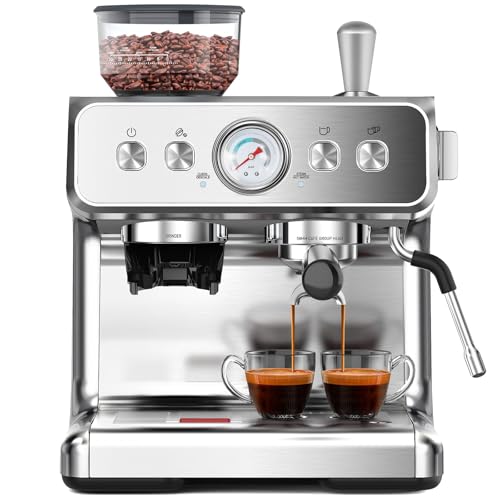
Electactic Espresso Machine with Grinder and Frother

Ninja Luxe Café Pro Series ES701

Blue Bottle Whole Bean Organic Coffee Espresso Dark Roast 12 Ounce

SHARDOR Espresso Machine 20 Bar with Touchscreen
More Details On Our Top Picks
This one makes sense for someone who wants an espresso-focused machine with fewer separate parts on the counter. The built-in grinder and barista toolkit point toward a more hands-on home setup, while the silver finish keeps the look restrained.
That mix suits a kitchen where you want a proper morning ritual without turning the space into a café clone. The trade-off is simple enough, a machine like this asks for a little more involvement than a fully hands-off appliance, so it fits better for someone who enjoys that process.
What We Like
- Built-in grinding trims counter clutter.
- Four preset recipes keep daily drinks straightforward.
- Milk frothing support helps with cappuccinos and lattes.
- The included toolkit makes setup feel more complete.
Worth Noting
- It still asks for some manual attention, so it’s not a fully hands-off experience.
- Counter space matters more here than with a separate bean-and-machine setup.
- Cleaning the grinder and milk parts will stay part of the routine.
Core Details
Who Should Grab It
You’ll get the most from this machine if you want an espresso setup that feels practical, tidy, and a little more involved than a push-button pod model.
A Better Fit Elsewhere
Ninja Luxe Café Pro Series ES701 suits you better if you want espresso alongside cold brew, hot water, and drip coffee in one appliance.
Delta Cafés Platinum leans into a stronger espresso style, which is useful for households that like a fuller cup with a more assertive finish. The 35.2-ounce bag gives you a larger bean supply, so it works well for people making several drinks each week.
Compared with the De’Longhi machine above, this is about the coffee itself, not the appliance. That means it fits best in homes that already have a grinder or a machine with a bean hopper and want a coffee that can stand up to milk drinks.
Highlights
- Intensity 12 points toward a fuller espresso profile.
- Whole beans let your grinder handle freshness at the last step.
- The larger bag size supports regular use.
- Its bold finish pairs well with milk drinks.
Small Caveats
- Whole beans require grinding before brewing.
- The stronger profile may feel heavy for lighter espresso tastes.
- Bean storage matters once the bag is opened.
Feature Snapshot
Best Suited To
You’ll appreciate this bag most in a home where espresso drinks happen often and a strong cup is part of the point, not a side effect.
Swap It Out When
Caffè Borbone Crema Superiore is the better fit if you want a similar whole-bean format with a blend that may feel a touch rounder for daily milk drinks.
Caffè Borbone Crema Superiore sits in a nice middle ground for homes that want espresso flavor without drifting too far into heavy roast territory. The Arabica and Robusta blend usually appeals to people who want some sweetness, some body, and enough structure for milk drinks.
Compared with Delta Cafés Platinum, this one feels like the gentler daily anchor, especially in kitchens where several cups get made across the week. The 2.2-pound bag also makes it easy to keep a steady supply without constant reordering.
Bright Spots
- Arabica and Robusta together bring a fuller cup shape.
- Medium roast keeps it versatile for espresso routines.
- The larger bag works for regular home use.
- It fits milk-based drinks without becoming overly sharp.
Areas To Watch
- Whole beans need a grinder in the setup.
- Flavor preferences matter here, since the blend leans classic rather than delicate.
- Storage still matters once the bag is opened.
Details At A Glance
Whose Shelf It Belongs On
You’ll like this best if your machine grinds beans at home and you want a dependable espresso blend that can handle repeat use.
Reach For A Different Pick When
Blue Bottle Whole Bean Organic Coffee Espresso Dark Roast suits you better if you want a darker, more specialty-leaning bean profile in a smaller bag.
Lavazza Super Crema stands out for convenience, because ground coffee trims one step from the morning routine. That matters in households where the grinder is separate, the schedule is tight, or the espresso machine gets used by more than one person.
Compared with the whole-bean picks above, this one trades away some grind control in exchange for less prep. The blend is sourced from many coffee-growing countries, which hints at a broad flavor profile that usually feels familiar rather than fussy.
Plus Points
- Ground form saves time at the machine.
- Medium roast keeps the profile broadly useful.
- Arabica and Robusta bring body and crema-friendly character.
- The 32-ounce bag supports regular use at home.
Points To Note
- You give up grind-size control with pre-ground coffee.
- The flavor profile may feel less custom than freshly ground beans.
- Stale notes can show sooner after opening than with whole beans.
Feature Rundown
The Right Fit
You’ll get the most out of this bag if your routine favors speed and you’d rather skip the grinder on busy mornings.
A Better Fit Elsewhere
Delta Cafés Platinum Whole Bean Coffee fits better for you if your machine or separate grinder is set up for freshly ground beans and you want more control.
This Electactic model aims at the home barista who wants an integrated grinder and a steam wand in one footprint. The anti-clog grinder detail matters because grinder maintenance can become tedious in busy kitchens, especially when fine espresso grounds are used often.
Compared with the De’Longhi pick, it sounds like a more aggressively bundled setup, while still staying in the same general home espresso lane. The honest read is that this kind of machine suits people who want convenience from integration, not people trying to keep every step completely automatic.
Reasons To Buy
- Built-in grinder keeps the workflow compact.
- Steam wand and frother support cappuccino-style drinks.
- The anti-clog angle should help with regular espresso prep.
- Silver finish blends into many kitchen styles.
Honest Caveats
- Integrated machines still need regular cleaning around the grinder and steam path.
- The semi-automatic format leaves more steps in your hands.
- Counter space is still worth measuring before you commit.
Core Details
Who Will Love This
You’re a strong match for this machine if you like dialing in espresso at home and want the grinder and frother in one place.
Skip It When
SHARDOR Espresso Machine 20 Bar may suit you better if you want a simpler touchscreen layout with a more straightforward home espresso profile.
The ES701 earns attention because it covers several drink styles, not just espresso. That makes it a smart fit for homes where one person wants espresso and another prefers drip coffee, cold brew, or hot water for other drinks.
Unlike the narrower machines above, this one looks built for flexibility first, and that flexibility can keep a countertop from feeling overcommitted. The integrated tamper and hands-free frother push it toward convenience, though the broader feature set can also mean more parts to learn.
Best Bits
- Espresso, cold brew, hot water, and drip coffee give you broad use.
- Built-in grinder reduces countertop clutter.
- Integrated tamper keeps prep tools together.
- Hands-free frother helps streamline milk drinks.
Minor Gripes
- More functions can mean a longer learning curve.
- The bigger feature set may feel unnecessary for pure espresso households.
- Moving parts usually mean more cleaning attention over time.
Feature Card
Made For
You’ll get the most out of this model if your kitchen needs one machine that can cover several beverage habits without forcing a separate device for each.
A Better Fit Elsewhere
Blue Bottle Whole Bean Organic Coffee Espresso Dark Roast fits better if you already have a grinder and want a specialty-style bean rather than a multi-function machine.
Blue Bottle’s dark roast sits in the specialty lane, which suits espresso drinkers who want a more deliberate bean choice. The 12-ounce bag is small enough to keep freshness management simple, though it also means you’ll move through it faster in a busy household.
Compared with the bigger bags above, this one feels more curated than utilitarian. The organic whole-bean format also makes it a strong match for people who want to grind just before brewing and keep the cup closer to a classic espresso style.
Standout Traits
- Dark roast profile suits concentrated espresso shots.
- Whole beans support grinding right before brewing.
- The smaller bag can be easier to rotate through.
- Organic labeling may matter to some households.
Softer Spots
- Smaller size means less pantry runway than the larger bags.
- The darker profile may feel intense for lighter coffee habits.
- Whole beans still call for a grinder in the setup.
At A Glance
Built With In Mind
You’re the right match here if your espresso routine is more selective and you care about roast character more than bulk bag size.
Another Choice May Suit
Lavazza Super Crema Ground Coffee fits better if you want a more convenient pre-ground option for busy mornings.
SHARDOR takes a cleaner, more direct approach with a 20-bar espresso machine, a milk frother, and a touchscreen interface. That kind of layout tends to suit someone who wants a straightforward home machine without digging through a dense menu every morning.
Compared with the more feature-heavy Ninja, this feels narrower in scope, which can actually be a plus for people who mainly want espresso, cappuccino, and latte drinks. The silver stainless-steel look also fits easily into a kitchen where appliances need to blend in rather than dominate the counter.
Positives
- Touchscreen controls keep drink selection approachable.
- 20-bar espresso pressure fits home espresso routines.
- Milk frother supports cappuccino and latte use.
- Stainless steel finish should wipe down easily.
Trade Offs
- Touch panels can feel less tactile than physical controls.
- It stays focused on espresso-style drinks, so it’s not a multi-brew machine.
- Routine cleaning around the frother still matters.
Quick Facts
Who It Suits Best
You’ll get the best fit from this machine if you want a simple espresso setup that still leaves room for milk drinks and a tidy countertop.
Where A Sibling Pick Shines
Ninja Luxe Café Pro Series ES701 is the better match if you want drip coffee, cold brew, and hot water alongside espresso.
How To Choose The Right Coffees For Super Automatic Machine
Bean Form, Roast, And Machine Behavior
Super automatic machines usually do best with beans that grind cleanly and move through the hopper without clumping. Whole beans give your machine fresh grind timing, while pre-ground coffee trades some control for speed and convenience. A medium roast often lands in the useful middle, because it stays flexible for straight espresso and milk drinks without leaning too hard into bitterness.
Oilier dark roasts can leave more residue in grinders and brew groups, so many home setups feel easier to live with when the beans are not overly glossy. That does not mean dark roast is off the table, only that maintenance can become a bigger part of the routine. The right choice depends on whether your machine is meant to be a daily workhorse or a more selective espresso station.
Flavor Strength Versus Daily Drink Style
Espresso-focused drinkers usually want a coffee with enough body to stand up in a short shot. Blends with Robusta often bring more punch and crema, while Arabica-heavy options usually feel smoother and a little more nuanced. For a morning cappuccino or latte, that balance matters because milk can soften a cup quickly.
A stronger blend works well in a busy kitchen where drinks need to taste consistent even after a rushed start. A gentler roast profile can feel better for someone who drinks espresso straight and wants less edge in the finish. That trade-off is the heart of the category, not a side note.
Capacity, Freshness, And Storage Habits
Bag size matters more than many people expect. Larger bags suit households that brew often, while smaller bags can help a specialty coffee stay fresh if you move through it slowly. Once a bag is opened, airtight storage becomes part of the equation, especially for whole beans.
Your machine setup matters too, because a built-in grinder changes the whole routine compared with a separate grinder or pre-ground coffee. A simple, tidy workflow usually wins on weekdays, while more hands-on setups make sense for people who enjoy adjusting each cup. The best fit is the coffee that matches how you actually make drinks, not how you wish the routine looked.
Things Worth Knowing First
Common Shopping Slip Ups
One common mistake is choosing a coffee solely for flavor notes and ignoring the grind format your machine prefers. Another is buying a large bag without thinking through storage, because freshness drops faster once the package sits open on the counter. Whole beans suit most super automatic setups better than very fine pre-ground coffee, but the exact routine still depends on the hopper and grinder you already use.
People also get tripped up by roast level. A very dark roast can work, but it may ask for more cleanup in a machine that grinds every shot. Matching the coffee to your daily pace keeps the experience calmer and usually more consistent.
Why Top Tier Costs More
Higher-tier machines often pay for integrated grinders, better milk systems, more drink options, and sturdier housings. Those parts add convenience because you spend less time moving between appliances and less time assembling a drink station on the counter. The extra money also tends to go into controls that feel more polished and easier to live with every day.
That upgrade makes the most sense for households that brew several drinks a day or want one machine to cover a wider routine. A simpler setup still works fine for occasional espresso, but a more capable model earns its keep when the kitchen never really pauses. The step up is about smoother workflow, not just a fancier badge.
Frequently Asked Questions
What kind of coffee works best in a super automatic machine?
Whole beans usually fit best because they let the machine grind just before brewing. Medium roast blends are often the easiest place to start for balanced espresso drinks.
Do darker roasts always work better for espresso?
Dark roast can give a stronger cup, but it’s not the only good option. A medium roast often feels easier for daily use and can keep cleanup a little simpler.
Is pre-ground coffee a bad choice here?
No, but it gives you less control and can lose freshness faster after opening. It works well when speed matters more than dialing in every cup.
Why do some espresso blends include Robusta?
Robusta can add body and a thicker crema, which many people like in milk drinks. It usually brings a more forceful cup than Arabica-only coffee.
How should you store coffee for this type of machine?
Keep beans or ground coffee in an airtight container away from heat and light. That helps the flavor hold up longer between refills.
Final Thoughts
Choosing coffees for a super automatic machine comes down to fit, not hype. You want beans or grounds that match your grinder, your drink style, and how much cleanup you’re willing to handle on a weekday morning. The strongest match is often the one that makes your routine feel smoother, not the one with the longest label. Start with the profile that suits your usual cup, and the rest gets easier.
