

Some kitchens need one machine that can handle a rushed mug before work, a full pot for guests, and a sturdier setup for weekend espresso. That’s exactly where coffee systems make sense, because they reduce clutter while covering different brewing habits without asking you to buy three separate appliances.
Below, you’ll find options that suit commuters, office kitchens, espresso fans, and households where everyone drinks coffee a different way. You’ll also see where each machine asks you to compromise, because a good match usually comes down to brew style, cleanup, and counter space.
Quick Look At The Shortlist

Hamilton Beach FlexBrew Trio 2-Way Coffee Maker 12c Pot

De’Longhi Magnifica Evo Automatic Espresso Machine, Silver

AIRMSEN 12-Cup Programmable Dual Coffee Maker 60oz Tank

Hamilton Beach 2-Way Drip Coffee Maker 12 Cup Glass Carafe

Braun MultiServe Plus 10-Cup Drip Coffee Maker

Ninja Luxe Café Pro Series ES701
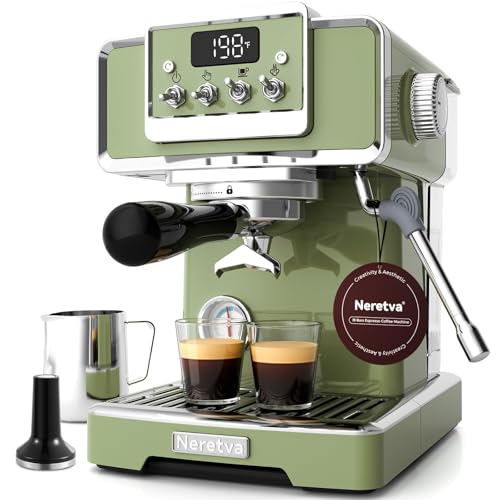
Neretva Professional Retro Espresso Machine 58mm Portafilter
More Details On Our Top Picks
That three-way setup makes this Hamilton Beach feel very practical in a house where one person wants a fast cup and another wants a full pot. It handles pods or grounds for single servings, then switches to a 12-cup glass carafe for group mornings, so you’re not locked into one brew rhythm.
The trade-off is simple, the more formats a machine offers, the more space and decision-making it asks of you. For most kitchens, though, that’s a fair exchange, especially on weekdays when one brewer has to serve both a travel mug and a table full of mugs.
Strong Points
- Single-serve and full-pot brewing in one footprint keeps your counter from turning into a coffee station maze.
- Pod or ground compatibility gives you room to match convenience with cost-conscious brewing.
- The 12-cup glass carafe covers family breakfasts, guests, or office break rooms without constant refilling.
- Fast single-cup brewing fits rushed mornings better than a slower drip-only setup.
Things To Consider
- Two brewing styles mean you’ll spend a little more time learning the controls than with a basic drip machine.
- The glass carafe needs the usual careful handling and cleaning that comes with glass.
- Counter space matters here, especially in narrow kitchens where one machine already has to do a lot.
Feature Snapshot
Who It Suits Best
Home kitchens and small offices that need both single mugs and a full pot will get the most from this layout.
Where A Sibling Pick Shines
AIRMSEN 12-Cup Programmable Dual Coffee Maker suits you better when scheduling and a larger water tank matter more than the Hamilton Beach FlexBrew Trio 2-Way Coffee Maker 12c Pot.
This one moves closest to café-style espresso convenience, because the grinder sits inside the machine and the drink choices stay on the panel. For a kitchen where you want a richer routine without juggling separate tools, that built-in flow is the main draw.
The silver finish keeps it looking clean on the counter, but the real point is the fresh-grind path from bean to cup. You’ll likely appreciate it most on slower mornings, since a fully automatic machine usually asks for a little more space and a little more commitment than the simpler drip picks above.
What We Like
- The built-in grinder supports a fresher bean-to-cup routine without extra countertop gear.
- One-touch drink selection makes daily espresso much easier to repeat.
- The milk frother adds range for cappuccino-style drinks and other creamy cups.
- Automatic operation suits you well when you want espresso without micromanaging each step.
Minor Gripes
- Automatic espresso systems usually need more cleaning attention than a simple drip maker.
- The footprint is a bigger commitment than the compact dual-brew models from Hamilton Beach.
- You’ll get the most value only when espresso is part of your regular routine.
Core Details
Built With In Mind
Espresso fans who want an automatic routine and use beans regularly will feel right at home here.
Another Choice May Suit
Ninja Luxe Café Pro Series ES701 fits better for homes that want espresso plus drip coffee and hot water in one machine.
AIRMSEN leans into flexibility in a way that makes sense for shared kitchens. You can brew single cups with pods or ground coffee, or move up to a 12-cup batch, which gives the machine a nice middle ground between convenience and volume.
The touchscreen and programmable delay start help it fit a morning routine instead of forcing you to wait around. For office setups and family kitchens, that kind of scheduling can matter as much as the brew style, though the larger body does ask for enough counter room to feel comfortable.
Bright Spots
- Single-serve and multi-cup brewing keep the machine useful across very different coffee habits.
- Delay start helps coffee land closer to the moment you actually want it.
- The 60-ounce tank supports fewer refill trips during a busy day.
- Touch controls make the daily routine feel more direct than a button-heavy panel.
- Keep-warm support helps the full pot stay serviceable for a stretch after brewing.
Points To Note
- A programmable machine usually needs a little setup time before it feels second nature.
- The larger tank and dual format design make it less compact than a simple single-serve brewer.
- Glass carafes still call for the same careful washing and handling as most drip machines.
Details At A Glance
Who Should Grab It
Households and shared offices that want one machine for both lone mugs and larger batches will get the most from this setup.
Skip It When
Hamilton Beach FlexBrew Trio 2-Way Coffee Maker 12c Pot suits you better when you want a simpler three-way setup without a touchscreen.
Compared with the AIRMSEN, this Hamilton Beach keeps the idea simpler by sticking to ground coffee and a more familiar two-way format. That’s appealing in a busy kitchen where you want a straightforward single cup or a full 12-cup batch without extra setup.
The AquaFlow showerhead is a small but useful detail, because it spreads water across the brew basket rather than dumping it in one spot. The honest read is that this makes the machine feel more grounded for drip coffee people, though it won’t suit pod users at all.
Upsides
- Single-serve and full-pot options keep it useful across weekday and weekend routines.
- AquaFlow water distribution supports a more even soak of the grounds.
- Ground-coffee brewing keeps the workflow familiar for classic drip drinkers.
- Auto pause and pour helps you grab a cup before the pot is done.
Room For Improvement
- K-Cup pods are not part of this model, so pod-focused households should look elsewhere.
- The glass carafe calls for careful handling, especially during a rushed morning cleanup.
- It gives you less format variety than the FlexBrew Trio above.
Feature Card
Right Fit For
Drip coffee households that want simple ground-coffee brewing in both single-cup and full-pot form should feel comfortable here.
A Better Fit Elsewhere
De’Longhi Magnifica Evo Automatic Espresso Machine, Silver suits you better when espresso and milk drinks sit higher on the list.
Braun takes a more flexible drip-first path than the Hamilton Beach models, and that matters if you like dialing in size and strength without moving to espresso. Seven brew sizes plus cold brew support make this a strong fit for households that treat coffee as more than a one-note routine.
The dedicated hot water dispenser adds another layer of usefulness, especially in kitchens where tea or instant drinks share the counter with coffee. You may find the feature set a little busy at first, but that same busy feel is also what makes it useful for people who want one machine to handle several jobs.
Positives
- Seven brew sizes let you match portions to a solo mug or a larger serving.
- Cold brew support broadens the machine beyond standard hot drip coffee.
- Auto start works well for mornings that run on a set schedule.
- The hot water dispenser is handy for more than coffee, which saves counter space.
- Pod-free brewing keeps the workflow focused on ground coffee.
Small Caveats
- More brewing choices mean more learning at the start.
- The feature set feels fuller than a basic drip machine, so casual users may not use every mode.
- Without pod support, it suits ground-coffee homes best.
Quick Facts
Whose Shelf It Belongs On
This fits you best when your kitchen needs drip coffee with more control than a bare-bones brewer offers.
Reach For A Different Pick When
Hamilton Beach 2-Way Drip Coffee Maker 12 Cup Glass Carafe makes more sense for a simpler two-way ground-coffee setup.
This is the most multi-role machine in the group, because it brings espresso, drip coffee, cold brew, and hot water into one system. Add the built-in grinder, integrated tamper, and hands-free frother, and you get a setup that feels aimed at serious kitchen routines rather than basic daily cups.
The trade-off is size and complexity, which is normal for a machine doing this much. For homes that already know they use espresso, drip, and milk drinks often, the extra hardware can feel worth it, almost like replacing several countertop tools with one coordinated station.
Best Bits
- Four brewing paths give you espresso, drip coffee, cold brew, and hot water from one machine.
- The built-in grinder and integrated tamper support a more structured espresso workflow.
- Hands-free frothing works for cappuccinos, lattes, and similar drinks without another tool.
- Great for kitchens that want one appliance to cover a wide drink range.
Areas To Watch
- The machine asks for more counter room than the simpler dual-brew options.
- With so many modes, the learning curve is naturally steeper than a plain drip brewer.
- Homes that only want standard coffee may not need this much capability.
Technical Sheet
Perfect Match For
Experienced home coffee fans who want a single station for espresso drinks and drip brewing will get the most from this machine.
Look Elsewhere When
Braun MultiServe Plus 10-Cup Drip Coffee Maker fits better for a more focused drip setup with fewer moving parts.
Neretva goes in a more hands-on direction than the automatic De’Longhi, and that’s exactly why some home baristas will like it. The visible pressure gauge, 58mm portafilter, steam wand, and 15-bar setup point toward a machine that rewards attention and gives you more control over the drink in the cup.
The green retro styling gives it a stronger personality than the other picks, which helps it stand out on the counter. For someone who wants to learn espresso technique without jumping all the way into a larger commercial-style setup, this is a sensible place to start, though it does expect more effort from you.
Reasons To Buy
- The 58mm portafilter gives you a familiar espresso-machine format for hands-on brewing.
- A visible pressure gauge helps you watch extraction behavior while you work.
- The steam wand supports milk-based drinks like cappuccino and latte.
- Stainless steel construction usually feels sturdier than lightweight plastic-heavy designs.
Softer Spots
- Semi-automatic brewing means more involvement at each shot.
- Milk frothing and espresso prep take a bit of practice to feel smooth.
- Its retro styling is distinct, which you may either love or skip past.
Feature Rundown
Made For
Newer home baristas and style-conscious espresso fans who want manual control without moving to a more complex setup will appreciate this one.
Swap It Out When
De’Longhi Magnifica Evo Automatic Espresso Machine, Silver suits you better when you want the machine to do more of the work.
How To Choose The Right Coffee Systems
Start With The Way You Actually Drink Coffee
Single-serve brewing makes sense for solo mornings, short commutes, and households where everyone drinks at a different pace. Full pots help more in family kitchens or offices where coffee disappears quickly.
Espresso systems sit in another lane entirely, since they ask for more attention and reward you with a more controlled cup. The right choice usually starts with your real routine, not the fanciest panel.
Match The Machine To Your Counter Space
Dual-brew and automatic espresso models tend to take more room than a plain drip brewer. That matters in galley kitchens, shared offices, and apartments where every inch has a job.
A compact footprint can be worth more than extra modes if the machine lives in a tight corner. A larger machine makes sense only when you’ll actually use the added functions often enough to justify the footprint.
Look At Cleaning And Daily Upkeep
Glass carafes, frothers, grinders, and hot-water dispensers each add a little more maintenance. None of that is unusual, but it does mean your best match should fit your patience for rinsing, wiping, and occasional deep cleaning.
Simple drip systems are easier to live with for many homes, while automatic espresso systems ask for more regular care. That’s not a flaw, it’s the cost of getting richer drink options.
Pay For Features You’ll Use Repeatedly
Programmable start, keep-warm settings, built-in grinders, and multi-size brewing matter most when they show up in your day again and again. A machine can look impressive on paper and still feel overbuilt if half the buttons never get touched.
The strongest value usually comes from one or two features that remove real friction, like waking up to ready coffee or making both single cups and larger batches without swapping appliances.
Things Worth Knowing First
Wrong Turns To Avoid
Many people focus on drink variety and forget the basics, like tank size, cleanup, and whether they prefer pods or ground coffee. That leads to a machine that sounds exciting but feels awkward after the first week.
Another common miss is buying an espresso-heavy system for a house that mostly wants drip coffee. A more focused brewer usually feels easier and ends up getting used more often.
The Upgrade Payoff
Higher-tier systems usually cost more because they combine more brewing paths, stronger build materials, built-in grinders, or better drink control. Those parts add convenience, but they also add weight, size, and a little more upkeep.
The upgrade makes sense when you want one machine to cover several habits across the week. It makes less sense when you only need plain coffee and a faster cleanup.
Frequently Asked Questions
Can one coffee system replace several separate machines?
Yes, a well-chosen coffee system can handle single cups, full pots, or espresso-style drinks in one footprint. The right fit depends on whether you actually use those brewing modes often.
Are pod-compatible machines still useful if you also brew grounds?
They are, because they let you choose speed or a more customized brew. That flexibility works especially well in homes where different people want different routines.
Do automatic espresso machines need more care?
They usually do, because grinders, frothers, and brew units add more parts to clean. The extra effort is the trade-off for fresher espresso and more drink variety.
Is a programmable drip brewer worth it?
It helps most when your mornings run on a schedule and you want coffee ready without extra steps. The value drops if you rarely use timed brewing or only make a cup here and there.
Which setup is easiest for a first-time espresso setup?
A semi-automatic machine like the Neretva gives you control without going into a very complex platform. An automatic model like the De’Longhi is easier still, but it also asks for a bigger budget and more counter space.
Final Thoughts
The best coffee system for your kitchen is the one that matches your actual habits, not the one with the longest feature list. A simple drip dual-brew model can be a better everyday fit than a flashy machine that asks for too much room or too much upkeep. Espresso lovers will get more from the De’Longhi, while mixed-household kitchens may lean toward the Hamilton Beach or AIRMSEN picks. Choose the machine that makes your mornings calmer, and the rest usually falls into place.
