

Fresh-roasted coffee tastes different because you control the roast, not the shelf life. That matters just as much in a small apartment as it does in a busy kitchen, especially when you want a lighter cup for mornings and a darker batch for weekends.
These seven Coffee Roaster Machines cover ceramic hand roasting, compact electric models, and larger batch roasters. You’ll see which picks suit cautious beginners, batch-focused home roasters, and anyone who wants more control over heat, timing, and cleanup.
Quick Look At The Shortlist
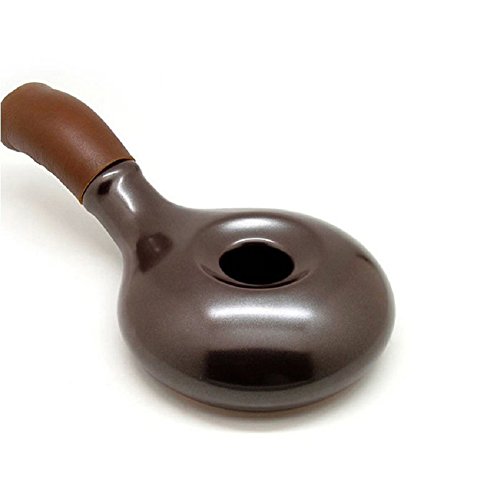
Nuvo Eco Ceramic Handy Coffee Bean Roaster

JIAWANSHUN Electric Coffee Bean Roaster Machine for Home Use 1.1lb Capacity
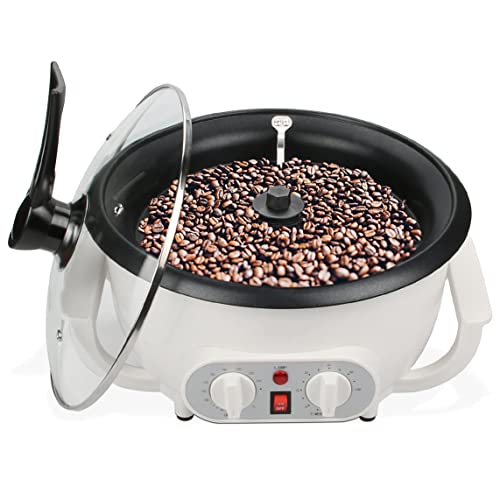
ANGELLOONG Coffee Roaster Machine 110V 1200W Coffee Bean Roaster 750g

JIAWANSHUN Coffee Bean Roaster Machine for Home Use 1.1LB Capacity

Coffee Roaster Machine for Home Use 110V Coffee Bean Roaster with Timer
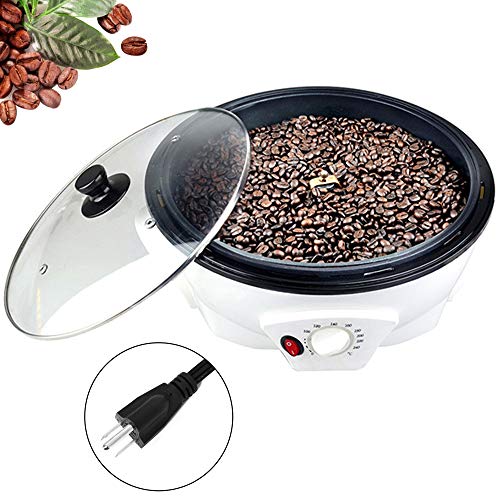
LUEUR Electric Coffee Roasters For Home Use Coffee Bean Roaster Machine
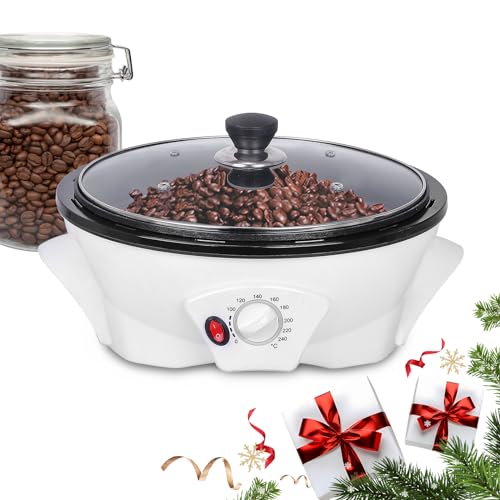
JIAWANSHUN Electric Coffee Bean Roaster 1.1lb 0-240℃
More Details On Our Top Picks
A ceramic hand roaster changes the pace completely, and this Nuvo option is built for that slower, more tactile style. The ceramic body and genuine cowhide grip point to a simple tool for small home batches, especially when you want a little more control over the roast by ear and smell.
Compared with the electric picks in this roundup, it asks more from you and gives back a more hands-on process. You may find that part of the appeal, especially in a quiet kitchen where a small batch is all you want for the week.
Strong Points
- Ceramic construction suits steady, even heat handling.
- Cowhide grip adds a more secure hold.
- Small-batch format works well for home routines.
- The rear opening helps you catch roast sounds.
Areas To Watch
- Manual roasting takes more attention than electric models.
- Smaller batch size means more frequent rounds.
- Ceramic needs careful handling during cleaning and storage.
Feature Card
Who Should Grab It
You’re a good match for this one if you want a small, manual roaster for a quiet home setup and don’t mind staying close to the process.
Where A Sibling Pick Shines
JIAWANSHUN Electric Coffee Bean Roaster Machine for Home Use 1.1LB Capacity suits you better when you want timer control and less hands-on effort.
This JIAWANSHUN model pushes you toward more control, thanks to its timer and broad temperature span. That makes it a strong fit for home roasters who want to move between light, medium, and darker results without guessing too much.
Compared with the Nuvo ceramic roaster, this one removes some of the manual feel and replaces it with a more structured workflow. In a normal kitchen, that’s handy when you want repeatable batches and fewer surprises from one roast to the next.
What We Like
- Timer support makes roast timing easier to repeat.
- Wide temperature range helps you tune roast depth.
- 1.1lb capacity suits family-size home batches.
- Electric operation lowers the amount of hands-on effort.
- Good fit for cooks who want one machine for beans and other dry ingredients.
Softer Spots
- Larger capacity still rewards careful batch sizing for even results.
- Electric controls add more parts to keep clean.
- As with most tabletop roasters, counter space matters.
Core Details
Built With In Mind
You’re the best fit for this pick if you want a home roaster with flexible heat control and a more guided process than a manual ceramic option.
Another Choice May Suit
ANGELLOONG Coffee Roaster Machine 110V 1200W Coffee Bean Roaster fits you better when a larger visible batch and built-in stirring matter more.
For batch roasting, this ANGELLOONG unit stands out because it combines 1200W heating with a 750g capacity and a clear lid. That mix suits someone who wants to watch the beans change while the machine handles stirring and heat flow in the background.
Compared with the smaller Nuvo and the more controlled JIAWANSHUN timer model, this one feels more geared toward fuller batches and easier visibility. You may appreciate that most on weekends, especially when you roast enough to last through several brew sessions.
Highlights
- 750g capacity supports larger home batches.
- Visible lid makes roast color easier to track.
- Automatic stirring helps distribute heat more evenly.
- Honeycomb pan coating helps with cleanup.
- Temperature and timer control add useful flexibility.
Worth Noting
- Larger batch size still needs careful load choices for consistency.
- Glass-style viewing adds a part you’ll want to handle gently.
- Bulkier footprint may feel large on tight counters.
Details At A Glance
The Right Fit
You’re well matched to this pick if you roast in bigger home batches and like seeing the beans while they turn.
Look Elsewhere When
Nuvo Eco Ceramic Handy Coffee Bean Roaster makes more sense when you want a simpler manual process and a smaller footprint.
This JIAWANSHUN version looks aimed at steady home roasting, with a non-stick interior, built-in stirrer, and adjustable heat. That combination helps when you want a batch machine that feels less fussy than a manual tool but still gives you control over the roast.
Compared with the ANGELLOONG above, this one leans a little more toward straightforward handling than visual showmanship. In a kitchen where cleanup matters, the coated surface is the detail that tends to matter most.
Upsides
- Non-stick surface helps with easier cleanup after roasting.
- Stirrer supports more even bean movement.
- 0-240°C control gives useful heat flexibility.
- 1.1LB capacity works for regular home batches.
- 1200W output suits quicker warm-up in a home setting.
Points To Note
- Mid-size capacity still calls for sensible batch planning.
- Electric roasters like this need a dedicated storage spot.
- Users who want a very tactile roast may prefer a manual model.
Quick Facts
Best Suited To
You’re a strong match for this one if you want a practical home roaster with a coated interior and broad heat control.
Reach For A Different Pick When
LUEUR Electric Coffee Roasters For Home Use Coffee Bean Roaster Machine suits you better when easy cleanup and a simpler heating setup matter most.
This Mingfuxin roaster leans into timer-based control and broad temperature adjustment, so it feels like a sensible middle ground for home use. It also suits more than coffee, which helps in a kitchen where you roast nuts or seeds alongside beans.
Compared with the JIAWANSHUN models, it reads as a practical utility piece rather than a more specialized coffee-first machine. You may like that mix best if you want one appliance to handle a few dry-roasting jobs without turning the counter into clutter.
Best Bits
- Timer support helps pace repeat roasting sessions.
- 0-240℃ range gives room to adjust heat.
- 1200W output suits a home countertop workflow.
- Works beyond coffee for mixed kitchen use.
Small Caveats
- Multi-use design can feel less specialized for coffee-only routines.
- Counter footprint still matters in smaller kitchens.
- Dry ingredients roast differently, so batch habits may take some adjustment.
Feature Rundown
Whose Shelf It Belongs On
You’re a fit for this model if you want a flexible home roaster that can handle coffee plus other dry ingredients.
Swap It Out When
ANGELLOONG Coffee Roaster Machine 110V 1200W Coffee Bean Roaster makes more sense when you want the larger 750g batch and a clearer view of the roast.
LUEUR’s electric roaster focuses on the basics that matter in a busy kitchen: non-stick cleanup, stirring, and adjustable heat. The 800W power figure puts it in a different lane from the 1200W models above, so you should think of it as a calmer, smaller-scale option.
Compared with the stronger JIAWANSHUN and ANGELLOONG machines, this one looks better suited to modest batches and simpler routines. In a countertop setup, that lighter approach can feel easier to live with day after day.
Positives
- Non-stick chamber lowers cleanup effort.
- Stirring rod helps keep beans moving.
- Adjustable heat supports different roast targets.
- 800W output fits a more modest home setup.
Room For Improvement
- Lower wattage may feel slower than the 1200W picks.
- Smaller power class can suit lighter batching more than big sessions.
- Complexity is lower, so advanced roast control is limited.
Technical Sheet
Made For
You’re best matched to this pick if you want a simpler electric roaster for routine home use and easier cleanup.
Skip It When
JIAWANSHUN Coffee Bean Roaster Machine for Home Use 1.1LB Capacity is the stronger fit when you want broader heat control and a larger batch.
This JIAWANSHUN model feels like the most approachable of the group for someone just getting comfortable with home roasting. The non-stick build, 1.1lb capacity, and broad temperature range give you enough room to learn without forcing you into a complicated routine.
Compared with the ceramic Nuvo, it asks less from your hands, and compared with the larger ANGELLOONG, it’s easier to keep in a normal home space. For many kitchens, that balance is the sweet spot, especially when you want a first roaster that stays practical.
Bright Spots
- Beginner-friendly layout keeps the learning curve gentler.
- 1.1lb capacity is useful for regular home use.
- 0-240℃ control gives you room to experiment.
- Non-stick finish helps cleanup stay manageable.
- 1200W power supports a more efficient roast session.
Honest Caveats
- Learning roast timing still takes some attention.
- Mid-size capacity can feel large for tiny batches.
- Electric parts add a little more cleanup than a basic manual roaster.
Feature Snapshot
Who Will Love This
You’re a strong match for this model if you want your first electric roaster to feel easy to learn and easy to live with.
A Better Fit Elsewhere
Nuvo Eco Ceramic Handy Coffee Bean Roaster suits you better when you want a fully manual, more tactile roasting experience.
How To Choose The Right Coffee Roaster Machines
Match The Machine To Your Roast Style
Hand roasting and electric roasting feel very different in daily use. A ceramic roaster like the Nuvo asks you to stay close to the process, while timer-based machines such as the JIAWANSHUN models make repeatable batches easier.
Think about how much control you want over heat, sound, and pace. A manual tool rewards patience, but an electric roaster suits you better when consistency matters more than ritual.
Size And Batch Count Matter More Than You Think
Capacity shapes how often you’ll roast and how much room the machine needs. A 750g chamber like the ANGELLOONG gives you more output per session, while 1.1lb models sit in a more everyday home range.
Smaller batches can be easier to manage, but they also mean more repeated work. For a couple of cups a day, a mid-size electric unit usually feels more practical than a tiny manual setup.
Heat Control And Timing Decide Roast Consistency
Temperature range tells you how much flexibility the machine gives you, and timer control helps you repeat a roast once you like the result. That matters when you want to move between light and darker profiles without guessing from scratch every time.
Broader adjustment is useful, but it can also invite more experimentation than some kitchens need. If you like a steady routine, a simpler control set may be easier to live with.
Cleanup And Storage Shape Daily Satisfaction
Non-stick interiors, stirring rods, and removable parts all affect how much work comes after roasting. In a small kitchen, the machine that wipes down faster often feels like the smarter long-term choice.
Ceramic and glass-style parts can be lovely to use, yet they ask for more careful handling. That trade-off is worth accepting only when the roasting experience matters as much as the cup itself.
What To Weigh Before You Start Roasting
Mistakes Worth Dodging
Many first-time roasters focus on power alone and ignore batch size, which leads to uneven results. A large chamber still needs the right load, so the maker’s recommended amount matters more than raw capacity.
Another common miss is forgetting about cleanup. Non-stick interiors and simple layouts save time after the roast, especially in a kitchen that already works hard all day.
The Upgrade Payoff
Higher-tier models usually add better control, clearer visibility, and easier handling. That extra spend often goes toward timers, wider temperature ranges, stronger heating, or more refined chamber design.
Those features matter most for frequent home roasters and anyone who wants repeatable batches without a lot of guesswork. You don’t need the most complex machine for every kitchen, but steadier control can be worth it once roasting becomes a regular habit.
Frequently Asked Questions
How much coffee can home roasters handle?
That depends on the chamber size and the maker’s recommended load. The models here range from small manual batches to larger 750g and 1.1lb electric setups.
Is a timer actually useful?
Yes, because roast timing changes the final result in a very direct way. A timer helps you repeat batches with less guesswork.
Do non-stick interiors really matter?
They matter most after the roast, when cleanup starts. A coated chamber usually makes post-roast wiping less demanding.
Are manual roasters harder to use?
They ask for more attention and a steadier hand. In return, you get a more hands-on roast process and less dependence on controls.
Which type suits a first-time home roaster?
A simple electric model usually feels easier at the start. The JIAWANSHUN 1.1lb options are especially friendly for that kind of learning curve.
Closing Thoughts
Your best choice depends on how involved you want to be, how much coffee you roast at once, and how much cleanup you’re willing to handle afterward. The Nuvo rewards a slower, hands-on routine, while the JIAWANSHUN and ANGELLOONG machines make more sense for steady home batches with less manual effort. LUEUR and Mingfuxin sit in the practical middle, especially for kitchens that want one roaster to do more than one job. Pick the machine that fits your countertop and your coffee habits, and you’ll enjoy the process as much as the cup.
