

You want a machine that can pull espresso, foam milk, and fit your routine without turning the counter into clutter. That usually means sorting out pressure, grinder setup, milk system style, and how much cleanup you’re willing to handle after your morning cup.
Some of these picks suit a quick cappuccino before work, while others make more sense for households that like a fuller café setup. The list below keeps the focus on real use, not just feature lists, so you can match the machine to your habits.
The Shortlist At A Glance

XIXUBX Compact Espresso & Cappuccino Machine 3.5 Bar

De’Longhi Classic Signature Espresso Machine Adjustable Milk Frother

XIXUBX Espresso Machine with Milk Frother for Cappuccino & Latte for Home

Ninja Luxe Café Pro Series ES701
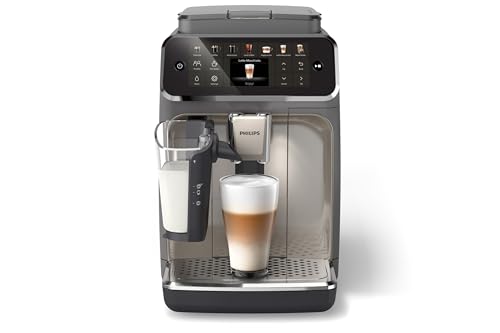
Philips 4400 Series Fully Automatic Espresso Machine EP4444/90

XIXUBX Cold Brew Espresso Maker with Milk Frother for Cappuccino & Latte
Ninja® HyperHeat™ 9-in-1 Pressure Cooker 6.5-qt Stone Purple PC201SP

Philips 3300 Series Fully Automatic Espresso Machine EP3341/50
Counter space stays tight in a lot of homes, and this machine leans into that reality with a compact build, a 3.5 bar setup, and an 800W heater. The Tritan cup, safety lock, and one-touch four-cup brewing make it feel aimed at quick weekday use, not a sprawling café routine.
The steam wand gives you room to build milk foam for lattes or cappuccinos, though the lower-pressure format means you should expect a gentler espresso style than a higher-end pump machine. For office kitchens, dorm-style setups, or a small apartment, that trade-off can be easy to live with.
Strong Points
- Compact body fits narrow counters without much fuss
- One-touch four-cup brewing helps with quick rounds
- Tritan cup adds a durable, lighter-feel touch
- Steam wand supports foam for milk drinks
Things To Consider
- 3.5 bar pressure points to a softer espresso profile
- Best for smaller batches rather than larger household use
- Steam wand upkeep matters, since milk residue builds up fast
Core Details
Who It Suits Best
College apartments, spare rooms, and light-use kitchens suit this compact machine well.
Where A Sibling Pick Shines
XIXUBX Espresso Machine with Milk Frother for Cappuccino & Latte for Home suits you better when you want a stronger 20-bar system and a larger 42 oz water tank.
Compared with the tiny XIXUBX compact model, this De’Longhi leans more toward a hands-on espresso routine. The adjustable frother, pressure gauge, and preset single or double shots give you more control, which matters once you start dialing in drink strength and milk texture at home.
That pressure gauge is the kind of detail people notice after a few mornings, because it gives a clearer read on extraction rather than leaving you to guess. In a kitchen where espresso is part habit, part hobby, this machine feels better suited than a bare-bones appliance.
What We Like
- Adjustable frother lets you steer milk texture more closely
- Preset single and double shots simplify repeat routines
- Pressure gauge helps you read extraction conditions
- Compact shape keeps it friendlier to modest counters
Worth Noting
- More control means a little more learning at the start
- Milk wand cleaning becomes part of the routine
- Best results usually come from patient, repeatable prep
Feature Snapshot
Made For
Home espresso fans who like a little control without moving into a full commercial-style setup will feel at home here.
A Better Fit Elsewhere
Philips 4400 Series Fully Automatic Espresso Machine EP4444/90 suits you better when you want more drink presets and less manual involvement.
Where the first XIXUBX pick stays ultra-compact, this one moves into a more traditional home-espresso lane. A 20-bar pump, built-in pressure gauge, steam wand, and 42 oz removable water tank make it a stronger fit for daily cappuccino or latte routines.
The stainless steel finish should also feel more at home in a kitchen that sees steady use, though it will still ask for regular wiping to stay clean. For a couple, a small family, or anyone who makes milk drinks several times a week, the balance here is easy to understand.
Upsides
- 20-bar pump supports a fuller espresso-style extraction
- Pressure gauge helps you watch the brewing process
- 42 oz tank reduces refill frequency during routine use
- Milk frothing pitcher comes with the setup
- Stainless steel build looks at home in busy kitchens
Small Caveats
- Manual milk steaming asks for a little practice
- Stainless surfaces show smudges and water spots easily
- Removable parts need regular washing to stay pleasant to use
Technical Sheet
Right Fit For
Home espresso drinkers who want a stronger pump and a larger tank will get the most from this pick.
Look Elsewhere When
De’Longhi Classic Signature Espresso Machine Adjustable Milk Frother suits you better when you want preset shots and a slightly more guided espresso process.
This is the broadest-aimed machine in the list, and that matters if your kitchen has to cover espresso, cold brew, hot water, drip coffee, and milk foam from one station. The built-in grinder, integrated tamper, and hands-free frother move it into a more complete countertop setup than the simpler semi-automatic picks.
In a household where one person wants a cappuccino and another wants drip coffee, the flexibility starts to earn its space. The trade-off is size and complexity, so it suits a kitchen that can handle a fuller footprint and a more layered workflow.
Bright Spots
- Multiple brew styles cover a wide range of drink habits
- Built-in grinder trims down separate countertop gear
- Integrated tamper simplifies espresso prep
- Hands-free frother helps with milk drinks and dairy alternatives
- Hot water function adds extra usefulness beyond espresso
Areas To Watch
- Larger footprint needs more permanent counter room
- More functions also mean more parts to clean
- Works best for kitchens ready for a fuller setup
Details At A Glance
Whose Shelf It Belongs On
Households that want one machine to cover several coffee styles will get the most value from this setup.
Skip It When
Philips 3300 Series Fully Automatic Espresso Machine EP3341/50 is a tighter fit for smaller routines and simpler daily use.
After the more hands-on Ninja, this Philips feels like the smoother daily-driver option. The LatteGo milk system, integrated grinder, 12 hot and iced presets, quick start behavior, SilentBrew, and 15-bar pressure all point toward a machine built for routine use without much fuss.
The LatteGo system is the part many households notice first, since it aims to make milk handling less fiddly than a separate wand. That convenience matters most in kitchens where coffee happens every day and nobody wants a long setup before the first sip.
Positives
- Fully automatic workflow cuts down on hands-on steps
- LatteGo system keeps milk prep more straightforward
- 12 presets cover a wide span of hot and iced drinks
- Integrated grinder keeps fresh grinding inside the machine
- SilentBrew suits homes where a quieter machine matters
Softer Spots
- Automatic convenience usually comes with more internal parts to maintain
- Compact kitchens still need room for a full-size machine
- Preset-heavy setups suit convenience more than deep manual control
Quick Facts
The Right Fit
Busy households that want repeatable drinks with very little setup time will appreciate this machine most.
Reach For A Different Pick When
Ninja Luxe Café Pro Series ES701 makes more sense when you want wider brewing flexibility and a more café-like station on the counter.
This XIXUBX model follows the same general formula as the earlier stainless-steel version, but it’s positioned for people who want cold brew in the mix too. The 20-bar pump, pressure gauge, steam wand, pitcher, and 42 oz removable tank still give you the same home-espresso backbone.
That makes it useful in kitchens where iced coffee and milk drinks share space with standard cappuccinos. You may find the naming a little broad, so the real value sits in the shared hardware and the removable tank rather than any dramatic new trick.
Reasons To Buy
- 20-bar pump supports a proper espresso-style routine
- 42 oz tank works well for repeated drinks
- Pressure gauge gives you a useful brewing cue
- Steam wand and pitcher help with milk foam
Minor Gripes
- Cold brew labeling may feel broader than the hardware story
- Manual steaming still asks for some practice
- Same cleaning expectations as other stainless-steel semi-automatic machines
Feature Rundown
Best Suited To
Milk-drink households that also want a cold-brew angle will find this model a practical fit.
Another Choice May Suit
XIXUBX Espresso Machine with Milk Frother for Cappuccino & Latte for Home is the cleaner match when you want the same core build in a more straightforward package.
This one sits outside the coffee-machine lane, so it only belongs in the roundup because the source data points to a milk-frother category crossover. In practice, it’s a 6.5-quart pressure cooker with sear, sauté, slow cook, steam, and sous vide functions, plus a removable pot and PFAS-free cooking surface.
That makes it more useful for cooks who want a hard-working multi-cooker than for anyone shopping for espresso. The honest read is simple, it’s a kitchen tool, not a coffee station, so the fit is limited unless your needs run far beyond milk foam.
Best Bits
- Multiple cooking modes cover a wide range of meal prep
- 6.5-quart size works for family portions
- Removable pot makes serving and cleanup easier
- PFAS-free pot suits cooks who want that material detail
Points To Note
- Not a coffee machine, so it misses the main category need
- Frother-related placement in the source is not a coffee feature set
- Large multi-cookers take up meaningful storage space
Core Details
Built With In Mind
Home cooks who want a multi-purpose pressure cooker will get more from this appliance than coffee-focused shoppers will.
Swap It Out When
Philips 4400 Series Fully Automatic Espresso Machine EP4444/90 suits you better for actual coffee and milk-drink routines.
Compared with the 4400 Series, this 3300 trims the drink list to six presets and keeps the same broad idea of an automatic espresso machine with LatteGo milk handling and an integrated grinder. That narrower menu often makes sense in smaller households, because you get the core comforts without the extra complexity.
SilentBrew is the detail many apartment dwellers will notice, especially early in the day. With 15-bar pressure and a glossy black finish, it feels like a sensible middle ground for people who want daily espresso without turning the kitchen into a project.
Highlights
- Fully automatic setup keeps the routine simple
- LatteGo milk system streamlines milk drink prep
- Six presets cover the basics without clutter
- Integrated grinder keeps beans and brewing together
- Quieter operation suits shared living spaces
Honest Caveats
- Fewer presets mean less menu variety than the 4400 Series
- Automatic machines still need regular cleaning and care
- Glossy finishes can show fingerprints and smudges
Feature Card
Perfect Match For
Small households and apartment kitchens suit this model well, especially when convenience matters more than an expansive drink menu.
Where Another Pick Fits Better
Philips 4400 Series Fully Automatic Espresso Machine EP4444/90 is the better fit for you when you want more presets and a broader drink range.
How To Choose The Right Coffee Machines With Frother
Match Pressure And Milk Style To Your Routine
Pressure affects how the machine pushes hot water through the coffee puck, and home espresso machines in this list range from light-duty to 20-bar setups. Higher pressure usually suits shoppers who want a stronger espresso-style result, while lower-pressure machines are often easier to live with in a small kitchen. The milk side matters just as much, because a steam wand asks for more hand control than a LatteGo-style system or hands-free frother.
Milk texture also changes the ownership experience. A wand gives you more room to shape foam, but it also asks for cleaning right away, while automatic milk systems usually save time and reduce mess.
Think About Footprint, Cleanup, And Storage
Counter space can decide the whole purchase in a real home. A compact unit works in a studio or office nook, but a fuller machine with a grinder, tamper, or larger water tank needs a more permanent home on the counter.
Cleanup deserves equal attention. Removable tanks, detachable milk parts, and simple finishes make daily care easier, while stainless steel and glossy surfaces usually need a quick wipe after use.
Choose Based On How Hands-On You Want To Be
Semi-automatic machines fit you best when you enjoy adjusting shot strength and milk foam yourself. Fully automatic models make more sense when you want the machine to handle grinding, brewing, and milk work with less input.
That difference changes the whole rhythm of the morning. The semi-automatic route gives more control and usually more learning, while the automatic route trades some flexibility for convenience.
Look For The Extras That Actually Pull Their Weight
Built-in grinders, pressure gauges, and preset drink buttons matter because they reduce separate steps. They also make it easier to repeat a drink you liked yesterday, which matters more than flashy feature lists.
Extra functions sound appealing, but only the useful ones earn counter space. A multi-brew machine makes sense for mixed households, while a simpler espresso setup is easier to maintain for one or two daily drinks.
Things Worth Knowing First
Mistakes Worth Dodging
Plenty of people focus on a frother and ignore the rest of the machine. That can leave you with milk foam you like, but a brew system that feels too weak, too small, or too messy for daily use.
Another common miss is underestimating cleanup. Steam wands, removable tanks, and grinder chambers all need regular care, so the easier the parts come apart, the smoother the routine usually feels.
What The Higher Tier Buys
More expensive machines usually pay for convenience, control, and a wider drink menu. Integrated grinders, automatic milk systems, quieter operation, and fuller control panels cost more because they replace separate appliances or extra manual steps.
The upgrade makes sense when coffee is a daily habit and you want fewer moving parts on the counter. For occasional cappuccinos, a simpler semi-automatic model often feels more practical.
Frequently Asked Questions
Do Coffee Machines With Frother Need A Grinder?
No, some rely on pre-ground coffee and others include an integrated grinder. A built-in grinder adds convenience, but it also makes the machine larger and more complex.
Is A Steam Wand Better Than An Automatic Milk System?
A steam wand gives you more control over foam texture and milk temperature. An automatic milk system usually saves time and suits faster daily routines.
What Pressure Is Good For Home Espresso?
Many home espresso machines use 15-bar or 20-bar systems, and both can fit everyday use. The better choice depends on how much control you want and how strong you like the drink to feel.
Are Fully Automatic Machines Harder To Maintain?
They usually have more internal parts and more pieces to keep clean. In exchange, they reduce the amount of manual brewing work you handle every day.
Which Option Fits A Small Kitchen Best?
Compact semi-automatic machines usually take less space and are easier to store around. A smaller automatic model can also work, as long as you have room for its full footprint.
Final Thoughts
You have a pretty wide spread here, from compact semi-automatic machines to fuller automatic setups with grinders and milk systems. The best match depends less on the word “frother” and more on how you like to make coffee, how much counter room you can spare, and how much cleanup you’ll tolerate after the cup is done. For a simple home routine, the smaller XIXUBX and Philips models make sense, while the Ninja Luxe Café Pro Series and Philips 4400 Series suit kitchens that want more from one machine. Pick the one that fits your mornings, and the rest gets easier.
