

Latte lovers usually want the same thing, a machine that handles espresso and milk without turning the counter into a project. The eight picks below cover a wide spread of setups, from compact semi-automatic models to full automatic systems with built-in grinders and preset drinks. You’ll find solid choices for small apartments, busy kitchens, and anyone who wants café-style drinks with less guesswork.
Some lean toward hands-on control, others take more of the routine off your plate. That makes the list useful whether you like dialing in your shots or you just want a smoother morning routine with reliable foam and a cleaner workflow.
Quick Shortlist For Latte Machine Shoppers

De’Longhi La Specialista Arte Evo Espresso Machine with Coffee Grinder

XIXUBX Compact Espresso & Cappuccino Machine

Nespresso Vertuo Pop+ Coffee Machine with Milk Frother, Liquorice Black

XIXUBX Espresso Machine with Milk Frother for Cappuccino & Latte for Home

Ninja Luxe Café Pro Series, ES701
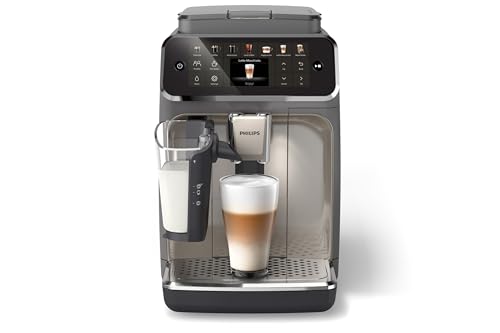
Philips 4400 Series Fully Automatic Espresso Machine, EP4444/90

AIRMSEN 20 Bar Espresso Machine with Automatic Milk Frother

XIXUBX Cold Brew Espresso Maker with Milk Frother
More Details On Our Top Picks
You get a machine that leans toward real espresso control, not a stripped-down shortcut. The built-in grinder and included barista toolkit make it a stronger fit for someone who wants to learn the routine at home without cobbling together separate gear.
That extra control does ask for more attention at the counter, though, so it suits a kitchen with room for a more hands-on setup. Compared with the Philips 4400 Series later in this list, this one asks more from you but gives you more direct control over the cup.
Strong Points
- Built-in grinder keeps the workflow in one place, so you’re not managing a separate grinder and espresso machine.
- Four preset recipes shorten the morning routine without stripping away the feel of a manual-style setup.
- The milk frother supports latte drinks with more control than a simple automatic foam system.
- Included tools make it friendlier for home setup and day-to-day maintenance.
Small Caveats
- It asks for more counter space than compact pod-style options.
- The more hands-on approach suits practice, which may feel slower at first.
- Cleaning the grinder and milk parts takes more effort than a single-serve machine.
Feature Snapshot
Who It Suits Best
Home cooks who want a more involved espresso routine and value integrated grinding will get the most from it.
A Better Fit Elsewhere
Philips 4400 Series Fully Automatic Espresso Machine, EP4444/90 suits you better if you want a more automated path to latte drinks with less manual handling.
This one makes sense in a small office or a tight apartment kitchen where every inch matters. A 3.5-bar pressure system, a steam wand, and one-touch brewing give you a simple route to cappuccino or latte drinks without a bulky footprint.
The Tritan cup adds a practical touch for daily use, since Tritan is a durable plastic often chosen for clarity and lighter handling. Compared with the De’Longhi pick, you give up some refinement and range, but you gain a smaller, easier-to-place machine.
What We Like
- Compact body fits easily on crowded counters.
- One-touch brewing keeps the process straightforward for quick mornings.
- Steam wand gives you control over milk texture for latte drinks.
- Tritan cup is a practical, lighter-use detail for daily handling.
Worth Noting
- 3.5-bar pressure is more modest than the higher-pressure machines in this roundup.
- The simpler build is better for convenience than deep espresso customization.
- Steam-wand cleanup matters, since milk residue needs prompt wiping.
Details At A Glance
The Right Fit
You’ll appreciate it most in a compact home office, dorm-style setup, or apartment kitchen where counter space is tight.
Swap It Out When
XIXUBX Espresso Machine with Milk Frother for Cappuccino & Latte for Home is a stronger fit if you want a higher-pressure manual setup with more substance in the cup.
Single-serve convenience is the whole point here, and that shows in the compact body and bundled frother. For a weekday routine, it feels much less demanding than a manual espresso setup, especially when you want a latte-style drink without measuring and tamping.
The Aeroccino3 frother gives you the option for hot or cold foam, which helps beyond basic latte drinks. Compared with the AIRMSEN and XIXUBX semi-automatic picks, this one trades control for speed and a simpler path from pod to cup.
Positives
- Compact design suits small counters and shared kitchen spaces.
- Bundled frother expands drink options beyond plain coffee.
- Single-serve format keeps cleanup relatively simple.
- Hot or cold foam support gives you more drink flexibility.
- Good fit for people who want a quick routine without a learning curve.
Room For Improvement
- Pod-style brewing offers less hands-on control than espresso machines with a portafilter.
- The format is narrower in feel than grinder-based machines.
- Used pod disposal becomes part of the daily routine.
Core Details
Whose Shelf It Belongs On
Busy households and anyone who prefers a quick cup with less cleanup will get the most from it.
Look Elsewhere When
De’Longhi La Specialista Arte Evo Espresso Machine with Coffee Grinder is the better fit for anyone who wants more control over espresso prep and milk texture.
Manual latte making feels more approachable here because the machine bundles a pressure gauge, a steam wand, and a milk frothing pitcher. That pressure gauge matters, because it gives you a visual cue while brewing instead of leaving you to guess.
The 42-ounce removable water tank is a comfortable middle ground for home use, larger than the compact XIXUBX option earlier in the list. Stainless steel also tends to clean up well with regular wiping, though it still needs the usual attention around the steam wand and drip area.
Highlights
- 20-bar pump gives the machine a more serious espresso profile than lower-pressure picks.
- Pressure gauge helps you follow the brewing process more closely.
- Milk pitcher is included, which reduces the need to source extra tools.
- Removable tank makes refill and rinse routines less awkward.
- Stainless steel finish suits a kitchen that sees daily use.
Areas To Watch
- Hand-frothing takes more attention than automatic milk systems.
- The machine is less compact than pod-style options.
- Steam-wand cleaning stays part of the routine after each milk drink.
Spec Overview
Built With In Mind
You’ll like this most in a home kitchen where you want a more hands-on latte setup without moving into a larger barista station.
Reach For A Different Pick When
Ninja Luxe Café Pro Series, ES701 suits you better if you want a broader mix of drinks in one machine, including drip coffee and cold brew.
This is the broadest all-in-one option in the group, and that breadth matters in a household where one person wants espresso while another wants drip coffee or cold brew. The built-in grinder, integrated tamper, and hands-free frother trim down the number of loose tools you need on the counter.
It also handles dairy or non-dairy foam, which helps if your milk routine changes from day to day. Compared with the De’Longhi and Philips machines, it feels more like a multifunction coffee station than a pure espresso setup, and that’s the trade-off and the appeal.
Upsides
- Multi-drink design covers espresso, drip coffee, cold brew, and hot water.
- Built-in grinder and tamper simplify prep.
- Hands-free frother helps cut down on extra steps for latte drinks.
- Works with dairy or non-dairy milk, which broadens everyday use.
- Three-way drink flexibility is useful for shared kitchens.
- The repair coverage note included with the listing is a practical plus for long-term ownership.
Things To Consider
- Its wider feature set means more parts to learn and maintain.
- Counter space goes faster than with a simple single-serve machine.
- The interface may feel like overkill for someone who only wants one latte a day.
Feature Card
Best Suited To
Households that want one machine to handle several drink styles will get the most from it.
Another Choice May Suit
Nespresso Vertuo Pop+ Coffee Machine with Milk Frother, Liquorice Black suits you better if single-serve speed matters more than multi-function flexibility.
You can think of this as the convenience-first espresso machine in the list. The LatteGo milk system, integrated grinder, and 12 hot and iced presets make it a calm choice for mornings that need to move without much fuss.
SilentBrew is a useful detail in a shared home, because quieter operation matters more than people expect before the first cup. Compared with the Ninja, it gives you less menu breadth, but it leans harder into automatic drink making and a smoother daily routine.
Bright Spots
- Fully automatic setup removes a lot of manual steps.
- LatteGo milk system is designed for easier milk handling and cleanup.
- Integrated grinder keeps the workflow self-contained.
- 12 presets help you switch between hot and iced drinks with less guesswork.
- SilentBrew is a meaningful comfort in a quiet kitchen or early-morning routine.
Points To Note
- Automatic systems usually cost more because they carry more built-in hardware.
- Preset-heavy machines suit consistency more than experimentation.
- Some owners may still prefer a more manual milk texture for latte art.
Quick Facts
Made For
You’ll get the most from it in a busy household that wants a cleaner, more automated coffee routine.
Where A Sibling Pick Shines
De’Longhi La Specialista Arte Evo Espresso Machine with Coffee Grinder suits you better if you want more direct control and a less automatic path.
The dual-boiler setup is the first thing that stands out here. With separate heating blocks listed at 1350W and 1000W, the machine is built to keep espresso and milk-related work moving with less waiting between steps.
That kind of setup tends to appeal to people who make milk drinks often and don’t want the brew cycle to feel sluggish. Compared with the XIXUBX compact model, this AIRMSEN option feels more serious and more countertop-hungry, which is the trade-off for its quicker workflow.
Reasons To Buy
- 20-bar pressure gives it a strong espresso-focused profile.
- Automatic milk frother trims down the work for cappuccino and latte drinks.
- Dual-boiler design is well suited to faster back-to-back drink prep.
- Touchscreen control makes the interface feel current and approachable.
- 60-ounce water tank supports longer stretches between refills.
- Stainless steel finish fits a kitchen that sees regular use.
Minor Gripes
- The larger format takes more counter real estate than compact machines.
- Touch controls may feel less tactile than physical buttons for some people.
- Milk frothing parts still need regular cleaning to stay pleasant to use.
Technical Sheet
Perfect Match For
Frequent latte drinkers who want speed, a larger tank, and an automatic milk system will feel at home with it.
Skip It When
XIXUBX Compact Espresso & Cappuccino Machine is the smarter choice if you need a smaller machine that’s easier to tuck into tight spaces.
This pick mirrors the earlier XIXUBX espresso machine in a lot of its hardware, but it keeps the focus a little broader with cold brew in the name. That makes it useful for someone who wants a latte-friendly machine that doesn’t feel locked into one narrow routine.
The 20-bar pump, pressure gauge, steam wand, milk pitcher, and 42-ounce tank give it a familiar semi-automatic shape. In a kitchen where you like switching between chilled drinks and milk-based coffee, that flexibility feels more useful than a machine built for only one lane.
Best Bits
- Cold brew naming broadens the drink profile beyond standard espresso use.
- 20-bar pump gives the machine a serious espresso-oriented base.
- Pressure gauge helps you keep an eye on the brewing process.
- Steam wand and milk pitcher support latte-style drinks with more control.
- 42-ounce removable water tank works well for routine home use.
Softer Spots
- It still asks you to manage milk and cleaning by hand.
- The format is less automated than the Philips 4400 Series.
- Counter space needs are higher than a pod-based machine.
Core Details
Right Fit For
You’ll get the most from it if you want one machine that can move between latte drinks and cold brew without feeling too limited.
Look Elsewhere When
Nespresso Vertuo Pop+ Coffee Machine with Milk Frother, Liquorice Black makes more sense for anyone who wants a simpler single-serve routine and less cleanup.
How To Choose The Right Coffee Machines To Make Latte
Match The Machine To Your Routine
The right pick starts with how much control you want before the milk even enters the picture. Semi-automatic machines suit people who like grinding, tamping, and shaping the shot, while fully automatic models handle more of the sequence for you.
That difference matters more than the finish or the brand badge. A latte maker that fits a rushed weekday morning will feel very different from a machine built for slow weekend drinks.
Check The Milk System Before Anything Else
Steam wands give you more texture control, which helps if you care about foam thickness or latte art. Automatic frothers are easier, cleaner, and better for consistent drinks, especially in shared kitchens.
There’s a trade-off either way. Manual frothing asks for skill and cleanup, while automatic systems limit how much you can tweak the milk.
Think About Counter Space And Cleaning
Built-in grinders, dual boilers, and larger tanks are useful, but they also grow the footprint and the number of parts you maintain. In a small kitchen, a compact machine often makes more sense than a feature-heavy one that crowds the sink area.
Cleaning is part of ownership, not an afterthought. Removable tanks, straightforward milk parts, and easy-wipe stainless steel finishes save time in real kitchens.
Pay For The Workflow You’ll Actually Use
Higher-tier machines usually cost more because they combine more hardware in one body, such as grinders, presets, pressure controls, and better milk systems. That extra spend can be worthwhile when you make latte drinks often and want fewer separate tools.
For occasional use, simpler machines often make more sense. You’re paying for convenience, consistency, and less friction, so the right upgrade is the one you’ll use every morning, not just admire on the counter.
Things Worth Knowing First
Mistakes Worth Dodging
It’s easy to focus on the pump number and ignore the milk side of the equation. A strong espresso system still feels incomplete when the frother is awkward or hard to clean.
Another common miss is buying a machine that overwhelms the kitchen. A crowded counter makes even a good machine feel annoying.
The Upgrade Payoff
More money often buys quieter operation, better milk handling, larger water tanks, and fewer manual steps. Those are the details that make daily use feel smoother.
That upgrade only pays off when your routine is regular. Someone making latte drinks several times a week will notice the difference far more than someone who makes one or two a month.
Frequently Asked Questions
What makes a coffee machine good for latte drinks?
You want solid espresso output and a milk system that can create smooth foam. A steam wand or quality frother matters just as much as the brew side.
Are pod machines good for latte drinks?
They can be, especially when the bundle includes a frother. You give up some control, but the routine gets faster and cleaner.
Do built-in grinders really help?
Yes, because they keep grinding inside the same workflow and cut down on separate tools. That’s handy in a home kitchen where simplicity matters.
What size water tank makes sense for home use?
Smaller tanks suit compact setups and lighter use, while larger tanks reduce refill trips. The right size depends on how many drinks you make before washing up.
Should you choose automatic or semi-automatic?
Automatic suits convenience and consistency. Semi-automatic suits control and a more hands-on routine.
Closing Thoughts
The right latte machine depends on the kind of morning you want to have. Some picks here keep things simple and quick, while others give you more control over grinding, pressure, and milk texture. For a compact kitchen, the smaller options make life easier. For a daily latte habit, the automatic and grinder-based machines earn their place with smoother routines and less friction.
