

Running coffee service asks a lot from a machine: steady output, simple cleanup, and controls that make sense during a rush. The eight picks below cover espresso-focused setups, dual-purpose drip machines, and fully automatic options, so you can match the gear to your counter space and drink menu. Some lean toward barista-style control, while others are built for faster turnover and less hands-on work.
Quick Look At The Shortlist

De’Longhi La Specialista Arte Evo Espresso Machine with Coffee Grinder

AIRMSEN 12-Cup Programmable Dual Coffee Maker

Hamilton Beach 2-Way Drip Coffee Maker & Single Serve Coffee Machine 12 Cup Glass Carafe
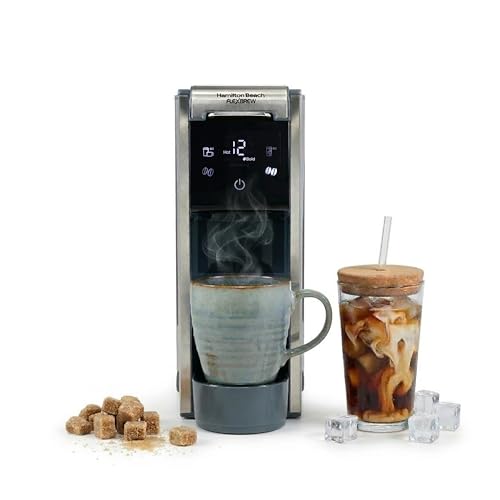
Hamilton Beach FlexBrew Advanced 4-in-1 Single Serve Coffee Maker 45 oz. Reservoir

Chefman CraftBrew Espresso Machine 15-Bar Pump Digital Espresso Maker
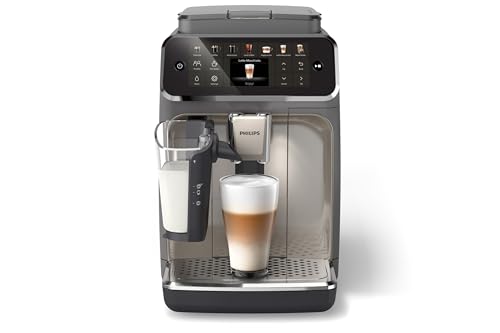
Philips 4400 Series Fully Automatic Espresso Machine LatteGo Milk System

AIRMSEN 20 Bar Espresso Machine with Automatic Milk Frother

PHILIPS 5500 Series Fully Automatic Espresso Machine LatteGo Milk System
More Details On Our Top Picks
Counter-focused espresso service starts here, because this De’Longhi pairs a built-in grinder with a barista-style toolkit and four preset drink options. That combination suits a place that wants more control over grind and extraction without jumping into a much larger commercial setup.
The silver finish keeps the footprint looking tidy on a tight counter, and the grinder means you skip a separate machine in a small coffee bar or tasting corner. The trade-off is that this style asks for a little more involvement, so it fits a person comfortable with dialing in drinks rather than pressing one button and walking away.
Strong Points
- Built-in grinder reduces the need for extra counter gear.
- Four preset recipes help speed up repeat drink orders.
- Barista toolkit supports more hands-on espresso prep.
- Silver finish feels clean and professional on a service bar.
- Good match for a setup that values drink control.
Points To Note
- More involved than push-button automatic machines.
- Grinder and brew workflow usually need regular cleaning.
- Better suited to focused espresso service than high-volume drip output.
Feature Rundown
Who Should Grab It
You benefit most here if your service style leans toward espresso shots, cappuccinos, and other drink builds that reward control.
A Better Fit Elsewhere
PHILIPS 5500 Series Fully Automatic Espresso Machine LatteGo Milk System suits you better if you want more automation and less hands-on setup during service.
The AIRMSEN makes sense for service points that need both a full carafe and a single-cup option in one body. A 60-ounce tank, touchscreen controls, and delay start give it a practical rhythm for offices, breakfast counters, or a small café back station.
Its dual-format approach is the draw, because you can serve a few people quickly without leaving the larger pot feature behind. The honest trade-off is simple, it covers more ground than a basic drip brewer, but it still sits closer to convenience service than specialty espresso work.
What We Like
- Single-serve and 12-cup brewing in one machine.
- Touchscreen controls keep the workflow straightforward.
- Delay start helps you set up before opening.
- 2-hour keep warm window supports slower service periods.
- 60-ounce tank reduces frequent refilling on busy mornings.
- Works with both K-Cup style pods and grounds.
Areas To Watch
- More versatile, but less specialized than espresso-first machines.
- Touch panels can feel less tactile during a rush.
- Glass carafes need the usual care in busy prep spaces.
At A Glance
Made For
You fit this pick best if you need one brewer for both solo cups and group pots in a mixed-use kitchen or office.
Swap It Out When
Hamilton Beach FlexBrew Advanced 4-in-1 Single Serve Coffee Maker suits you better if pods, grounds, and a smaller single-serve footprint matter more than a full 12-cup carafe.
This Hamilton Beach model is the straightforward option in the group, because it gives you a 12-cup glass carafe and a separate single-serve path in one machine. The AquaFlow showerhead spreads water over the grounds more evenly, which matters more than it sounds when you want a steady pot in a busy prep area.
Auto Pause & Pour is handy for fast service, and the blue finish brings a little personality without turning the counter loud. Compared with the AIRMSEN dual brewer, this one reads as a simpler, more familiar drip machine, which suits places that want low drama and easy training.
Upsides
- Two brewing paths cover both pots and single cups.
- AquaFlow showerhead supports more even grounds saturation.
- Auto Pause & Pour helps serve mid-brew.
- Glass carafe works well for visible batch service.
- Blue finish adds a clean retail-counter look.
Room For Improvement
- Less feature-rich than touchscreen or automatic espresso picks.
- Glass carafe asks for careful handling in active kitchens.
- Best for drip service, not specialty milk drinks.
Technical Sheet
Best Suited To
You make the most of this machine in offices, break rooms, and small cafes that mainly serve drip coffee with occasional single cups.
Where A Sibling Pick Shines
De’Longhi La Specialista Arte Evo Espresso Machine with Coffee Grinder suits you better if espresso drinks and milk texturing matter more than batch drip brewing.
FlexBrew Advanced is the most adaptable of the Hamilton Beach pair, since it supports pod packs and grounds and keeps a 45-ounce reservoir in the mix. That makes it fit a small service counter that handles different drink preferences without wanting a bulky machine cluster.
Hot and iced brewing support broadens what you can offer during the day, and the removable reservoir helps with filling and cleanup. The trade-off is that flexibility can bring a little more decision-making, so it suits a counter where variety matters more than absolute simplicity.
Positives
- Pod pack and ground support widen drink options.
- 45-ounce reservoir keeps refill trips down.
- Hot and iced brewing fit more menu styles.
- Removable reservoir simplifies filling and washing.
Softer Spots
- More flexible, so setup choices can feel less direct.
- Single-serve focus makes it less useful for batch output.
- Not as hands-on for espresso-style drink building.
Core Details
Right Fit For
You suit this machine best in a compact break room or service nook where drink choices change often.
Look Elsewhere When
AIRMSEN 12-Cup Programmable Dual Coffee Maker works better for you if a full pot and timed brewing matter more than single-serve flexibility.
Chefman’s CraftBrew is the compact espresso option here, and the 15-bar pump gives it the sort of pressure range many home-style espresso setups lean on. The digital controls and steam wand make it a sensible fit for latte and cappuccino service where counter space is tight.
The 1.5-liter removable tank is a useful detail for quick refills, especially in a small coffee stand or staff area. Compared with the more automated Philips machines, this one asks you to manage more of the drink process yourself, which is fine for a team that wants a simpler machine and a lighter footprint.
Highlights
- 15-bar pump suits classic espresso-style brewing.
- Steam wand supports milk drinks with more control.
- Compact body fits narrow prep spaces well.
- Digital controls help keep operation straightforward.
- Removable 1.5L tank makes filling easier.
Minor Gripes
- Manual milk work takes more attention during service.
- Smaller format means less fit for higher-volume use.
- Stainless steel surfaces show fingerprints and need wiping.
Feature Snapshot
Built With In Mind
You fit this machine best if you want a compact espresso station for a small menu and you do not mind hands-on drink prep.
Another Choice May Suit
PHILIPS 5500 Series Fully Automatic Espresso Machine LatteGo Milk System suits you better if you want more preset drinks and less manual milk handling.
The Philips 4400 Series leans hard into convenience, with an integrated grinder, 12 hot and iced presets, and the LatteGo milk system. That makes it appealing for a coffee station that wants a broad drink range without requiring every cup to be built by hand.
SilentBrew is a welcome touch in quieter spaces, and the Quick Start behavior helps shorten the wait before the first drink. The trade-off is straightforward, you get a more automatic workflow, but you also give up some of the tactile control that the De’Longhi and Chefman options offer.
What We Like
- Integrated grinder keeps the workflow compact.
- 12 presets cover both hot and iced drinks.
- LatteGo milk system suits repeat milk-based orders.
- SilentBrew fits quieter service areas.
- Quick Start helps reduce startup friction.
- 15-bar pressure supports standard espresso service.
Worth Noting
- Fully automatic convenience usually means less manual control.
- More features can bring more cleaning points.
- Better for streamlined service than craft-forward espresso work.
Details At A Glance
Whose Shelf It Belongs On
You suit this machine best if you want a quieter, low-touch espresso station with a wide preset list.
Reach For A Different Pick When
Chefman CraftBrew Espresso Machine 15-Bar Pump Digital Espresso Maker works better for you if you want a smaller, more manual espresso setup.
This AIRMSEN is built for faster espresso workflow, thanks to the 20-bar pump, automatic milk frother, and dual-boiler setup. In a small coffee shop that wants cappuccinos and lattes moving quickly, that mix is more relevant than a basic single-boiler machine.
The stainless steel body and 60-ounce tank make it feel ready for regular use, and the touchscreen keeps the controls more modern than knob-heavy designs. The catch is that speed-first machines usually demand a bit of familiarity from the person behind the counter, so this fits a team that likes a more structured routine.
Bright Spots
- 20-bar pump supports a stronger espresso workflow.
- Automatic milk frother speeds up milk drink service.
- Dual-boiler design helps separate brew tasks.
- 60-ounce tank suits repeated drink preparation.
- Touchscreen controls keep the interface current.
- Stainless steel finish feels sturdy on a service counter.
Small Caveats
- More advanced setup may ask for a learning period.
- Dual-boiler systems can mean more complexity to maintain.
- Better for espresso menus than plain drip service.
Quick Facts
Who Will Love This
You fit this machine best if you want a fast-moving espresso station with automatic milk support and a modern control panel.
Where A Sibling Pick Shines
De’Longhi La Specialista Arte Evo Espresso Machine with Coffee Grinder suits you better if you want more manual espresso involvement and a built-in grinder in the same footprint.
The Philips 5500 Series sits at the more automated end of this list, and the 20 hot and iced presets give it room for a wider drink menu than the 4400 Series. That matters in a coffee shop or hospitality counter that wants variety without turning each order into a hands-on project.
LatteGo, SilentBrew, Quick Start, and the integrated grinder all point toward a smoother daily rhythm, especially where consistency matters more than ritual. The trade-off is cost and complexity, so this is the sort of machine that makes sense only when your service volume or menu breadth can actually use the extra range.
Best Bits
- 20 presets give you the widest drink range in this group.
- LatteGo system helps streamline milk drink preparation.
- Integrated grinder keeps the setup compact.
- SilentBrew supports quieter operation in shared spaces.
- Quick Start shortens the wait to the first cup.
- Good fit for service that values consistency.
Honest Caveats
- More preset depth can mean more menu decisions.
- Fully automatic systems usually ask for regular cleaning.
- Overkill for a counter that only serves simple coffee.
Feature Card
The Right Fit
You suit this machine best if you want broad preset coverage and a mostly automated espresso workflow.
Not Your Match When
Hamilton Beach 2-Way Drip Coffee Maker & Single Serve Coffee Machine 12 Cup Glass Carafe makes more sense if your counter mainly serves drip coffee and quick single cups.
How To Choose The Right Coffee Machines For Coffee Shop
Start With Your Drink Mix
Your menu should lead the decision, not the other way around. A counter built around espresso shots, cappuccinos, and lattes needs grinder control, milk texturing, and reliable pressure, while a service point focused on batch coffee works better with a 12-cup carafe and fast refill flow.
Think about volume in plain terms, too. A staff room or small kiosk can live happily with a single-serve or 2-way brewer, but a busy café line usually needs a machine that keeps moving without forcing constant pauses for water or cleanup.
Match Automation To Skill Level
Fully automatic machines reduce decision-making, which helps during rush periods and mixed staffing. Semi-automatic and manual espresso machines give you more control over grind, extraction, and milk texture, but they also ask for more training and more attention from the person at the counter.
That trade-off matters in real life. A team that changes often tends to do better with a straightforward preset system, while a barista-focused setup benefits from the flexibility of a machine like the De’Longhi or Chefman options.
Look At Cleaning And Maintenance Load
Water tanks, removable reservoirs, glass carafes, and milk systems all affect daily upkeep. A removable tank or milk path can save time, but extra features also create extra parts to rinse, dry, and reassemble.
In a busy kitchen, the easiest machine to love is often the one that stays easy to wipe down after the lunch rush. Stainless steel looks sharp, yet it still needs regular attention, and glass carafes deserve a careful hand in crowded prep spaces.
Size, Noise, And Counter Flow
Counter space disappears quickly once you add grinders, tamping gear, cups, and syrups. Compact espresso machines work well for narrow stations, while larger automatic units justify their footprint only when the drink range or volume uses the space well.
Noise matters too, especially in small cafés, hotel lounges, or shared offices. Silent or quieter brew cycles can help the front area stay calmer, and that makes the machine feel more polished even before the first cup goes out.
A Quick Reality Check
Common Shopping Slip Ups
Many people start with features instead of service flow. That usually leads to a machine that looks capable on paper but slows down once cups start stacking up.
Another common miss is forgetting how much cleanup the milk side adds. Steam wands, automatic frothers, and integrated grinders all make drinks easier, but they also add parts that need a place in the closing routine.
What The Higher Tier Buys
Higher-end machines usually cost more because they compress several tools into one body. Grinder integration, preset drink programs, quieter operation, and more advanced milk systems all add convenience and consistency.
The upgrade makes sense when your counter serves varied drinks all day or when staffing changes make simplicity valuable. For a lighter menu, a simpler drip machine or compact espresso unit often makes more sense than paying for features you won’t use often.
Frequently Asked Questions
Can these machines handle a coffee shop counter?
Some can, especially the models with larger tanks, presets, and faster brew paths. A small café or kiosk benefits most from the espresso and dual-format picks.
Which option works best for milk drinks?
The Philips automatic machines and the AIRMSEN espresso model stand out for milk-focused service. The De’Longhi and Chefman choices work well too, but they ask for more hands-on input.
Is a grinder worth having built in?
A built-in grinder saves counter space and cuts down on extra gear. It makes the most sense in tighter layouts or when you want a cleaner workflow.
Do single-serve machines make sense in a shop setting?
Yes, for small service points, offices, or stations with mixed drink preferences. They are less useful for higher-volume rush periods than a full carafe brewer or automatic espresso machine.
What matters more, pressure or presets?
Pressure matters more for espresso extraction, while presets matter more for speed and consistency. Your menu usually tells you which one deserves priority.
Final Thoughts
The right machine depends on how your counter actually works, not on how many features sit on the box. A drip-focused setup, a compact espresso station, and a fully automatic drink bar each solve a different kind of service problem. Start with volume, menu, and cleanup tolerance, then let the machine choice follow from that. That path keeps you from paying for complexity you will barely use.
