

Flat white drinks live or die on two things, a steady espresso base and milk that textures smoothly. These six coffee machines cover a wide range, from compact espresso setups to fuller combo machines, so you can match your kitchen space, routine, and comfort level without guesswork.
They also suit different kinds of mornings. Some are better for hands-on drink building, while others are made for fast weekday routines or mixed households that want coffee one minute and espresso the next.
Quick Look At The Shortlist

De’Longhi La Specialista Arte Evo Espresso Machine with Coffee Grinder

Hamilton Beach 2-Way Drip Coffee Maker & Single Serve Coffee Machine

15 Bar Espresso Machine with Built-in Anti-Clog Coffee Grinder

De’Longhi Dedica Duo Compact Espresso Machine

Ninja Luxe Café Pro Series ES701
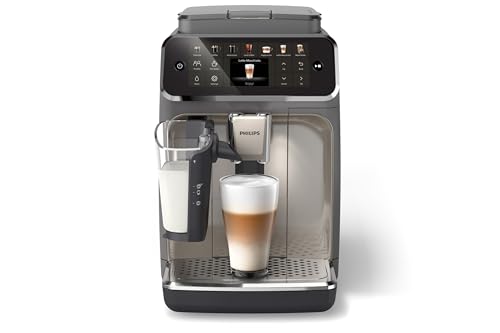
Philips 4400 Series Fully Automatic Espresso Machine
More Details On Our Top Picks
This De’Longhi leans into a more hands-on flat white routine, which suits you well if you want to shape the shot and milk texture yourself. The built-in grinder keeps the workflow compact, so you’re not juggling a separate grinder on the counter, and the included barista toolkit points you toward a more deliberate setup rather than a push-button routine.
The trade-off is simple, you need more involvement than you would with a fully automatic machine like the Philips 4400 Series. That makes this a strong match for someone who enjoys learning espresso basics, while still wanting a machine that keeps the parts list sensible.
Strong Points
- Integrated grinding trims counter clutter and keeps the workflow in one place.
- Four preset drink options give you a quicker route to a repeatable base shot.
- The milk frother helps you build the silky texture flat white drinks depend on.
- The included toolkit supports better puck prep, which matters for daily consistency.
- Silver finish reads cleanly in a modern kitchen and blends easily with other appliances.
Things To Consider
- The learning curve is higher than a fully automatic setup, so expect some practice.
- Grinder and espresso paths mean more routine cleaning than a simple drip machine.
Feature Snapshot
Who It Suits Best
Home espresso fans who want more control over a flat white and don’t mind a bit of process will get the most from this setup.
A Better Fit Elsewhere
The Philips 4400 Series Fully Automatic Espresso Machine suits you better if you want a more automated path from bean to cup.
This Hamilton Beach machine takes a different route from the espresso-focused picks above, and that matters for kitchens where one person wants a carafe while another wants a single mug. The 12-cup glass carafe gives you batch capacity, while the single-serve side makes it easier to keep weekday coffee moving without a full pot sitting around.
You won’t get true flat white output from a drip brewer, so this is more about serving a coffee-heavy household than building a café-style drink. Even so, the AquaFlow showerhead should help with even water coverage, and the auto pause-and-pour feature is handy during rushed mornings.
What We Like
- Two brewing modes give you more flexibility than a single-path drip brewer.
- 12-cup glass carafe works well for households that pour several cups in a row.
- Single-serve side helps cut waste on lighter coffee days.
- Auto pause-and-pour is useful when you want a cup before the cycle finishes.
Worth Noting
- This is not an espresso machine, so it doesn’t suit a flat white workflow.
- Glass carafes need a little more care than thermal designs during cleanup.
Details At A Glance
Who Should Grab It
Households that want flexible drip coffee more than espresso drinks will get the most value here.
Another Choice May Suit
The De’Longhi La Specialista Arte Evo Espresso Machine with Coffee Grinder is the better match for someone focused on flat white drinks.
This Electactic model is built for someone who wants the espresso side of flat white making without jumping straight to a more expensive machine class. The 15-bar setup gives you a familiar pressure spec for home espresso, and the built-in anti-clog grinder should appeal to anyone who hates stopping mid-routine to clear a jam.
The steam wand, frother, and tamping tools make the path feel more complete than a bare-bones starter setup. The honest read is that this kind of machine usually asks for more cleanup and attention than a fully automatic model, but that trade-off can make sense for a first espresso corner.
Highlights
- Built-in grinder keeps the setup compact and easier to organize on the counter.
- 15-bar pressure gives you the standard espresso-style foundation needed for flat white drinks.
- Steam wand and frother expand your milk-texturing options.
- Tamping tools help you start with the accessories you actually need.
Small Caveats
- Hands-on steps mean more cleanup than a one-touch espresso machine.
- Compacted grinder and frothing parts usually reward regular maintenance.
Core Details
Whose Shelf It Belongs On
Espresso newcomers who want a more complete starter setup without stepping into a premium machine tier should look closely here.
Swap It Out When
The Ninja Luxe Café Pro Series ES701 suits you better if you want more drink variety beyond espresso and milk drinks.
Counter space is where the Dedica Duo earns its keep, because it aims for a compact footprint without stripping away the espresso basics. That makes it especially appealing in apartments, galley kitchens, or any setup where a larger machine would feel like a parked van.
The milk frother wand and support for hot, iced, and cold brew drinks widen the menu beyond a plain espresso shot, even though the machine still asks you to work a little more than a fully automatic option. You may find the narrower form factor easier to live with day to day, though the smaller scale usually means a tighter workflow around cups, pitcher size, and cleanup.
Positives
- Compact body fits better on smaller counters than fuller espresso systems.
- Frother wand supports milk texturing for flat white and similar drinks.
- Works for espresso, hot coffee, iced coffee, and cold brew styles.
- Vanilla finish gives the machine a softer look than darker appliance colors.
Areas To Watch
- Smaller machines can feel less roomy around cups and milk pitchers.
- Manual milk work means more involvement than a fully automatic unit.
- Compact designs often ask for more careful placement during setup.
Feature Rundown
Right Fit For
Apartment dwellers and compact-kitchen households will get the most from this slim espresso setup.
A Better Fit Elsewhere
The De’Longhi La Specialista Arte Evo Espresso Machine with Coffee Grinder works better for someone who wants an integrated grinder and a more guided espresso workflow.
The Ninja Luxe Café Pro Series feels built for a household that doesn’t want to be boxed into one coffee style. Espresso, cold brew, hot water, drip coffee, an integrated tamper, a built-in grinder, and a hands-free frother all point toward a machine that can cover a lot of morning habits without pulling in extra gear.
That flexibility comes with a bigger footprint and a more involved setup than a single-purpose machine, so it fits best where the counter can handle it. Compared with the De’Longhi Dedica Duo, this one is much more versatile, but the trade-off is that it asks for more space and a little more attention to the routine.
Best Bits
- Wide drink range gives you espresso, drip coffee, and hot water from one machine.
- Built-in grinder and integrated tamper support a more complete coffee routine.
- Hands-free frother helps simplify milk preparation for cappuccinos and lattes.
- Works with dairy and non-dairy milk, which suits mixed households.
- Useful for kitchens that want fewer separate appliances on the counter.
Room For Improvement
- The larger, feature-packed layout can take more room than a compact espresso unit.
- More functions usually mean more steps to learn at the start.
- Cleaning several built-in elements takes a little more planning than a basic brewer.
Technical Sheet
Built With In Mind
Busy kitchens that want a single coffee station for several drink styles will appreciate this setup most.
Look Elsewhere When
The Hamilton Beach 2-Way Drip Coffee Maker & Single Serve Coffee Machine fits better for someone who mainly wants drip coffee and single mugs.
The Philips 4400 Series is the easiest fit in this group for someone who wants flat white drinks with the least day-to-day fuss. LatteGo milk handling, an integrated grinder, and 12 hot and iced coffee presets give you a more automated path than the De’Longhi La Specialista Arte Evo, so the machine suits busy schedules better than hobbyist tinkering.
SilentBrew is a useful detail for early mornings, and Quick Start helps reduce the waiting around that can make a coffee machine feel slow before the first cup. The compromise is less hands-on control than you’ll get from the more manual picks, but for many kitchens that’s exactly the point.
Positives
- Fully automatic workflow keeps the routine simple for repeated use.
- LatteGo milk system helps streamline milk drinks like flat whites and lattes.
- 12 preset drinks make weekday choices easier.
- Quick Start helps cut down the wait before brewing begins.
- SilentBrew suits homes where quieter operation matters.
Softer Spots
- Less manual control may feel limiting for espresso hobbyists.
- Automatic systems usually depend on regular cleaning to stay pleasant to live with.
Core Details
Perfect Match For
Busy households that want an easier route to milk drinks and don’t want to manage every step by hand will feel right at home here.
Reach For A Different Pick When
The De’Longhi Dedica Duo Compact Espresso Machine is the better fit for a smaller counter and a slimmer machine body.
How To Choose The Right Coffee Machines For Flat White
Pressure, Grinder Control, And Milk Texture
Flat white drinks depend on a strong espresso base and milk that feels smooth rather than frothy and airy. That means a grinder you can live with, a brewing system that makes a concentrated shot, and a milk tool that gives you control over texture instead of just volume.
A built-in grinder helps keep the setup compact, which matters in smaller kitchens where a separate grinder can crowd the counter. Semi-automatic machines suit people who enjoy shaping the drink, while fully automatic models reduce the learning curve and fit busy mornings better.
Size, Workflow, And Counter Space
Machine size matters more than many shoppers expect, especially once you add a milk pitcher, bean storage, and space for cups. Compact machines like the Dedica Duo suit apartments and narrow counters, while larger combos like the Ninja Luxe Café Pro Series make more sense in kitchens with room to spare.
Workflow is the other half of the decision. A machine with presets and automatic milk handling saves time, while a manual setup gives you more control but asks for more patience and cleanup.
Single-Serve Convenience Versus Espresso Focus
Not every coffee station needs to be built around espresso alone. A two-way drip machine can be useful for households where one person wants a full pot and another only wants a mug, even though it won’t make a true flat white.
Espresso-first machines stay more relevant to this category because flat white drinks rely on espresso extraction and textured milk. If your weekly routine includes cappuccinos, lattes, or americanos too, a machine with broader drink support can make more sense than a single-purpose unit.
Cleaning, Maintenance, And Day-To-Day Fit
Grinders, steam wands, milk systems, and integrated tampers each add convenience, but they also add parts to rinse and wipe down. A simpler machine can be easier to live with, while a feature-heavy one rewards a little routine care.
Think about your own pace. A person who makes one drink before work may value a fast-start automatic machine, while someone who enjoys weekend coffee prep may prefer the control of a more manual setup.
What To Weigh Before You Choose
Hidden Buying Traps
A flat white setup can look complete on paper and still miss the mark in daily use. The biggest mistake is choosing a drip machine and expecting espresso results, because that path won’t give you the concentrated base this drink needs.
Another common miss is underestimating cleanup. Grinders, frothers, and steam wands all add convenience, but they also add surfaces and parts that need regular attention.
The Upgrade Payoff
Higher-tier machines usually cost more because they combine more than one function in a tighter package, such as an integrated grinder, milk system, and multiple presets. That can be worth it in kitchens where counter space is precious and morning speed matters.
The upgrade makes the most sense for someone who makes espresso drinks often and wants fewer separate tools. If your coffee routine is occasional or very simple, a lighter machine can still make more sense.
Frequently Asked Questions
What makes a coffee machine good for flat white?
A good flat white machine makes a concentrated espresso base and handles milk in a way that gives a smooth, fine texture. That usually means an espresso machine with a steam wand, milk system, or other milk-focused setup.
Do you need a grinder for flat white drinks?
You don’t need one, but fresh grinding usually improves convenience and helps keep the setup together. A machine with a built-in grinder also saves counter space.
Is a drip coffee maker enough for flat white?
No, a drip coffee maker doesn’t make espresso, so it won’t deliver the same drink style. It works better for regular coffee households than for flat white routines.
Are automatic espresso machines easier to live with?
Yes, they usually reduce the number of steps and speed up busy mornings. The trade-off is less manual control over each shot and milk texture.
What matters more, milk system or pressure?
Both matter, but the milk system often affects the final cup more than people expect. Pressure helps create the espresso base, while milk handling shapes the drink’s finish.
Closing Thoughts
You have a clear split here, machines that make flat white drinks feel hands-on, and machines that make the routine feel almost automatic. That choice really comes down to how much control you want, how much counter space you have, and how often you’ll use the milk system. The De’Longhi and Philips picks lean hardest into espresso-focused living, while the Ninja and Hamilton Beach choices serve broader coffee habits. Pick the one that matches your mornings, and the rest gets much easier.
