

Building cappuccino at home gets a lot easier once the machine fits your routine, your counter space, and how much milk texture you want to handle yourself. Some of these picks lean hands-on with a steam wand, while others automate the milk side so your morning doesn’t feel like a project. You’ll see clear differences in grinder setup, pressure, water capacity, and cleanup, which matters more than flashy extras. The right match can feel like moving from a crowded diner counter to your own calm corner.
The Shortlist At A Glance

De’Longhi La Specialista Arte Evo Espresso Machine with Coffee Grinder

XIXUBX Compact Espresso & Cappuccino Machine

Ninja Luxe Café Pro Series ES701
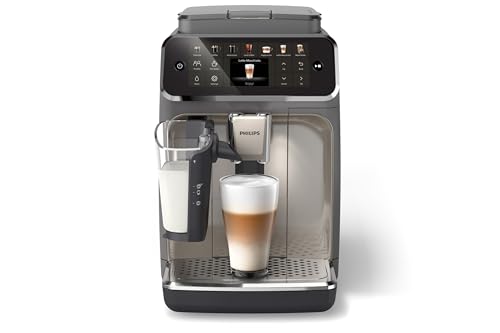
Philips 4400 Series Fully Automatic Espresso Machine EP4444/90

AIRMSEN 20 Bar Espresso Machine with Automatic Milk Frother

XIXUBX Cold Brew Espresso Maker with Steam Wand

AMZCHEF 20 Bar Home Espresso Coffee Machine

SHARDOR Espresso Machine 20 Bar with Milk Frother and Touchscreen
More Details On Our Top Picks
This De’Longhi leans into the kind of setup that suits a countertop bar rather than a push-button shortcut. The built-in grinder and included barista toolkit point you toward more control over shot size and milk texture, which matters for cappuccino drinkers who want a little ritual with their morning cup.
Compared with the simpler XIXUBX machine, this one is for the person who wants more control without jumping into a sprawling commercial setup. In a busy kitchen, that extra control can be helpful, though it also asks for more attention to grinding, tamping, and cleanup.
Strong Points
- Integrated grinder keeps the workflow in one place, so you handle fewer separate tools on the counter.
- Four preset recipes make it easier to move between drinks without relearning the machine every morning.
- The milk frother suits cappuccino foam that feels more deliberate than the thin foam you get from basic steam-only setups.
- The included toolkit helps with tamping and prep, which is useful for anyone still building espresso habits.
- The silver finish fits neatly into kitchens that already lean toward stainless appliances.
Things To Consider
- The more hands-on layout asks for a little more time than fully automatic machines like the Philips 4400 Series.
- Grinding and frothing parts usually need regular cleaning, so this suits someone comfortable with routine upkeep.
- The learning curve can feel steeper than a compact one-button machine.
Feature Snapshot
Who It Suits Best
Home cappuccino fans who like dialing in beans, shots, and foam will get the most from this setup.
A Better Fit Elsewhere
The Philips 4400 Series Fully Automatic Espresso Machine EP4444/90 fits you better when you want more automation and less hands-on prep.
On a tight counter, this XIXUBX is the sort of machine that makes sense fast. Its 3.5 bar setup and steam wand keep the process straightforward, while the one-touch four-cup brewing speaks to small offices, dorm-style kitchens, and casual home use.
Compared with the De’Longhi, you give up some depth of control, but you also get a calmer, simpler routine. The Tritan cup adds a practical touch, and the black finish stays visually low-key in a space where every inch matters.
What We Like
- Compact body suits narrow counters and shared spaces.
- One-touch brewing keeps the process friendly for beginners.
- The steam wand gives you a direct route to cappuccino foam and latte milk.
- Fast heating supports quicker morning use in home or office settings.
Small Caveats
- 3.5 bar pressure is more modest than the stronger 20 bar machines in this roundup.
- The lighter-duty format fits casual use better than heavy daily espresso service.
- Steam wand cleaning will be part of routine care, which is normal for this style.
Core Details
Who Will Love This
Apartment dwellers, office users, and cappuccino newcomers who want a small, direct machine will feel right at home here.
Another Choice May Suit
AMZCHEF 20 Bar Home Espresso Coffee Machine suits you better when you want a more fully featured home setup with a built-in frother and touchscreen control.
The Ninja Luxe Café Pro Series ES701 covers a lot of drink territory without feeling scattered. Espresso, cold brew, hot water, and drip coffee live in one place, and the built-in grinder plus hands-free frother make it especially appealing in households where one person wants cappuccino and another wants something else.
Compared with the De’Longhi, this machine broadens the menu instead of leaning hard into barista-style control. That trade-off works well in mixed-use kitchens, though the larger feature set naturally asks for a little more counter space and a little more learning.
Upsides
- Multi-drink design reduces the need for separate appliances.
- Built-in grinder keeps fresh-bean brewing inside one machine.
- Integrated tamper helps the prep feel orderly and repeatable.
- Hands-free frothing is useful for cappuccino and latte routines.
- Works with dairy and non-dairy milk, which helps in mixed households.
- The hot water option adds flexibility for tea or Americanos.
Softer Spots
- The broader feature set takes more counter room than the compact XIXUBX machine.
- More functions can mean more to learn before the routine feels natural.
- More moving parts usually means more cleaning after frequent use.
Quick Facts
Best Suited To
This fits a kitchen where cappuccino shares space with drip coffee, cold brew, and hot water drinks.
Where A Sibling Pick Shines
The Philips 4400 Series Fully Automatic Espresso Machine EP4444/90 suits you better when milk drinks and pre-sets matter more than a wide drink menu.
For cappuccino drinkers who want the machine to do more of the work, the Philips 4400 Series lands in a comfortable middle ground. The LatteGo milk system and integrated grinder simplify the path from beans to foam, while the 12 hot and iced coffee pre-sets cover a lot of daily routines.
Compared with the Ninja, it feels more focused on automatic coffee and milk service than on stretching across every drink type. That narrower focus is often useful in busy kitchens, though the machine’s footprint and upkeep still ask for thoughtful placement.
Highlights
- LatteGo system keeps milk handling simple for cappuccino and latte drinks.
- Integrated grinder helps you stay close to fresh-bean brewing.
- Twelve pre-sets support both hot and iced drink habits.
- Quick start behavior suits early mornings and repeat routines.
- SilentBrew is appealing in homes where noise matters.
Areas To Watch
- The full-automatic format takes more space than a compact machine like the XIXUBX.
- Milk system parts still need regular cleaning to stay pleasant for daily use.
- For hands-on espresso control, the De’Longhi gives you a more tactile process.
Feature Rundown
Who Should Grab It
Busy households that want milk drinks with minimal fuss will get the most from this automatic layout.
Look Elsewhere When
The De’Longhi La Specialista Arte Evo Espresso Machine with Coffee Grinder suits you better when you want to stay more involved in shot preparation.
The AIRMSEN leans toward a more forceful espresso setup, and the 20 bar pressure gives it a stronger technical profile than the lighter compact XIXUBX machine. A dual-boiler layout also separates the work of brewing and milk prep, which can help morning routines feel less stop-and-start.
For households that make cappuccino often, the 60 oz tank and touchscreen are practical touches, not decoration. The stainless steel body also feels easier to place beside other appliances, though it still asks for the usual wiping and descaling habits that semi-automatic machines bring.
Bright Spots
- 20 bar pressure gives you a stronger espresso-focused foundation.
- Dual-boiler design helps brewing and milk prep move in parallel.
- Automatic frother supports cappuccino and latte drinks with less manual work.
- 60 oz tank is helpful for several drinks before refilling.
- The touchscreen makes the control layout feel modern and straightforward.
Points To Note
- More capability usually means a little more cleanup than a basic single-function unit.
- The feature set suits a dedicated counter spot better than a very small kitchen.
- Semi-automatic use still asks you to stay involved in the routine.
At A Glance
The Right Fit
Frequent cappuccino makers who want a stronger semi-automatic setup will get the most from this machine.
Swap It Out When
The Philips 4400 Series Fully Automatic Espresso Machine EP4444/90 fits better for anyone who wants milk drinks with less direct involvement.
This XIXUBX model is aimed at someone who wants a compact espresso setup with a bit more visual guidance. The pressure gauge gives you a clearer read on extraction, and the 20 bar pump plus steam wand make it a sensible fit for cappuccino and latte prep at home or in an office nook.
Compared with the AIRMSEN, it feels a touch more compact and a little more direct, which can be a plus on smaller counters. The 42 oz tank and included milk frothing pitcher also make the routine feel neatly organized, though the brushed steel finish will still need normal wiping after frequent use.
What We Like
- Pressure gauge helps you see how the machine is behaving during extraction.
- 20 bar pump gives the setup a stronger espresso profile than low-pressure compact options.
- Milk frothing pitcher comes in handy for a more orderly cappuccino routine.
- 42 oz tank works well for modest daily use without constant refilling.
- Brushed stainless steel keeps the look clean and easy to place in mixed kitchen styles.
Room For Improvement
- The steam-wand routine still asks for some hands-on milk work.
- The tank size suits moderate use better than high-volume drink making.
- Compared with fully automatic picks, it leaves more of the process in your hands.
Details At A Glance
Built With In Mind
This suits home or office users who want a compact machine with more brewing feedback.
Where A Sibling Pick Shines
The AIRMSEN 20 Bar Espresso Machine with Automatic Milk Frother is the better fit when you want a more automated milk side and a larger tank.
The AMZCHEF feels built for someone stepping into home cappuccino with a fairly clear path and not too much clutter. The LED touchscreen, built-in milk frother, and self-cleaning function all point toward a setup that’s easier to live with than older-style manual machines.
Compared with the XIXUBX compact unit, this one gives you a more polished everyday routine and a stronger sense of convenience. In most kitchens, that balance makes sense for first-time espresso owners, though the self-cleaning feature should still be viewed as assistance rather than a reason to ignore regular care.
Reasons To Buy
- LED touchscreen keeps controls simple to read and use.
- Built-in milk frother supports cappuccino and latte prep in one machine.
- Self-cleaning function lowers the friction of regular upkeep.
- 20 bar pressure gives the machine a solid espresso-focused base.
- Works well for someone building a home coffee habit from scratch.
Honest Caveats
- The cleaner interface does not remove the need to rinse milk parts regularly.
- It offers less direct control than a hands-on machine like the De’Longhi.
- New users still need a short learning period to get milk texture right.
Feature Card
Whose Shelf It Belongs On
First-time cappuccino makers and casual home espresso users will appreciate the simple control layout and easy upkeep cues.
Reach For A Different Pick When
The De’Longhi La Specialista Arte Evo Espresso Machine with Coffee Grinder suits you better when you want a more hands-on brewing workflow.
The SHARDOR gives you a nice mix of control and convenience without pushing into a more complex machine layout. A 20 bar setup, touchscreen, milk frother, and adjustable temperature setting make it a comfortable fit for cappuccino and latte routines where you want some say in the cup.
Compared with the AMZCHEF, this one stands out mainly through temperature control, which can matter when you like a slightly more tuned approach to milk drinks. It feels well suited to a home bar corner, although stainless steel surfaces still need ordinary cleaning to stay neat.
Standout Traits
- Adjustable temperature gives you a bit more control over drink feel.
- 20 bar pressure keeps the machine in a serious home-espresso lane.
- Touchscreen control keeps the front panel easy to read.
- Milk frother supports cappuccino and latte prep without extra gear.
- Stainless steel construction suits kitchens that lean toward tougher finishes.
Minor Gripes
- The feature mix is practical, but not as broad as the Ninja’s multi-drink setup.
- Touch interfaces still depend on clean, dry hands for the neatest use.
- Like most semi-automatic machines, it asks you to stay involved during brewing.
Spec Overview
Who Should Grab It
Home cappuccino fans who want a straightforward machine with a little extra control will like this layout.
A Better Fit Elsewhere
The AIRMSEN 20 Bar Espresso Machine with Automatic Milk Frother suits you better when you want a larger tank and more automatic milk handling.
How To Choose The Right Coffee Machines For Cappuccino
Start With Milk Workflow
Cappuccino lives or dies on milk texture, so the first question is whether you want a steam wand, an automatic frother, or a system that handles both sides more independently. Steam wands suit you when you like more control and don’t mind learning the movement, while automatic frothers fit a faster morning routine. In a busy kitchen, that choice changes the whole feel of the machine.
The De’Longhi and the XIXUBX steam-wand models ask for more involvement, but they also give you more hands-on finishing. Automatic systems like the Philips 4400 Series or AIRMSEN reduce effort, though they can feel less engaging for anyone who enjoys the prep.
Match Pressure And Grind To Your Routine
Pressure is the force used to push water through the coffee puck, and bar numbers are a quick clue to how espresso-focused a machine is. A 20 bar model such as AIRMSEN, AMZCHEF, or SHARDOR points toward a stronger espresso-style foundation, while the 3.5 bar XIXUBX compact machine leans simpler. That difference matters most when you want a fuller base for cappuccino rather than a basic coffee drink with milk added.
Built-in grinders also matter because they remove one separate tool from the counter and keep the process tighter. The De’Longhi and Ninja Luxe Café Pro Series make more sense for households that want fresh-bean brewing in one workflow, while machines without grinders suit you better when you already own a grinder or prefer less cleanup.
Think About Capacity, Noise, And Counter Space
Tank size tells you how often you’ll refill, and that becomes obvious fast in a home with more than one coffee drinker. The AIRMSEN 60 oz tank feels friendlier for repeat drinks, while the XIXUBX 42 oz tank and the compact XIXUBX espresso unit fit smaller routines. The Philips 4400 Series also matters here because it blends automation with a more substantial daily footprint.
Noise and maintenance deserve attention too. Philips SilentBrew is appealing in shared homes, while self-cleaning features on the AMZCHEF can soften the upkeep load without removing it completely. The honest read is simple, a machine that fits your space and cleanup tolerance will stay pleasant longer than one that only looks advanced on paper.
Things Worth Knowing First
Mistakes Worth Dodging
A common slip is choosing for pressure alone and overlooking milk handling, counter space, and cleanup. Another is buying a machine with more functions than your routine will ever use, which can make breakfast feel heavier than it should.
It also helps to avoid matching the machine to an ideal kitchen instead of your actual one. A wide setup like the Ninja makes sense for mixed drink households, while a compact XIXUBX machine suits a tighter space far better.
The Upgrade Payoff
Higher-tier machines usually cost more because they fold in more metal, more automation, better grinders, larger water tanks, and smoother milk systems. Those extras matter most when you make cappuccino often and want the routine to feel consistent rather than fiddly.
The De’Longhi, Philips, and AIRMSEN picks show where that extra money tends to go: more control, more automation, or more capacity. For daily use, that upgrade is easiest to justify when you want fewer steps, cleaner milk handling, or a machine that can keep pace with several drinks in a row.
Frequently Asked Questions
What makes a machine good for cappuccino?
You want a machine that can make espresso and handle milk well, whether that means a steam wand or an automatic frother. A stable setup with sensible pressure and easy cleanup usually matters more than extra drink names.
Do you need a built-in grinder?
You don’t need one, but it simplifies the workflow and keeps the counter less crowded. A built-in grinder makes the most sense when you plan to use fresh beans often.
Is a 20 bar machine always better?
Not always, because the right pressure depends on the rest of the machine and how you like to brew. A simpler low-pressure unit can still suit a small space or occasional use very well.
Which type is easiest for beginners?
Fully automatic or touchscreen machines usually feel easiest at first. The AMZCHEF and Philips models are especially approachable because they reduce the amount of manual handling.
How much cleanup should you expect?
Milk systems and grinders usually bring more cleanup than plain coffee makers. A self-cleaning function helps, but it does not replace regular rinsing and wiping.
Closing Thoughts
The right cappuccino machine depends on how much of the process you want to keep in your hands. If you enjoy dialing in beans and foam, the De’Longhi feels rewarding, while the Philips and AIRMSEN make life easier for faster routines. For smaller spaces, the XIXUBX units keep things compact without dropping the cappuccino focus. Choose the model that fits your counter, your pace, and how much effort you want between bean and cup.
