

You want espresso that starts with fresh grounds, not a stale canister on the counter. These coffee espresso makers with grinder fit home kitchens where counter space, cleanup, and drink variety all matter, from a quick weekday shot to a slower weekend cappuccino.
The six picks below cover semi-automatic setups, fully automatic convenience, and combo machines that also handle drip coffee, cold brew, or hot water. That range makes it easier to match your routine instead of forcing your routine to match the machine.
The Shortlist At A Glance

De’Longhi La Specialista Arte Evo Espresso Machine with Coffee Grinder

(2026 Upgrade) 15 Bar Espresso Machine with Built-in Anti-Clog Coffee Grinder

Ninja Luxe Café Pro Series ES701

Electactic 20 Bar Espresso Machine with Built-in Anti-Clog Coffee Grinder

Ninja Luxe Café Mini ES301
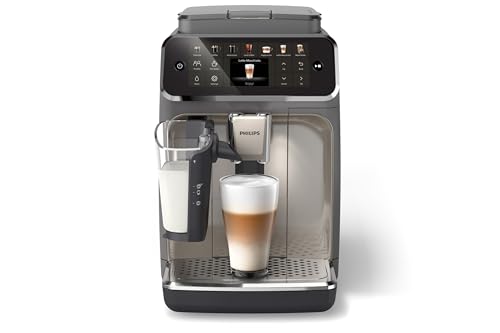
Philips 4400 Series Fully Automatic Espresso Machine EP4444/90
More Details On Our Top Picks
This De’Longhi leans toward the person who likes a little more control at the counter. The built-in grinder and the included barista toolkit make the routine feel closer to a small café setup than a plain one-touch machine.
Compared with the Ninja picks below, it stays more focused on espresso and milk drinks instead of spreading itself across drip coffee and cold brew. That narrower focus helps you learn a repeatable routine, though it also means less all-in-one flexibility for mixed-drink kitchens.
Strong Points
- Built-in grinding keeps your workflow compact.
- Four preset drinks help you move fast on busy mornings.
- The milk frother suits cappuccinos and lattes without extra gear.
- The included toolkit helps you set up a cleaner routine.
- Good fit for someone who wants more control than a fully automatic machine.
Points To Note
- The hands-on approach asks for more attention than the Philips model.
- The espresso-first layout leaves out the extra drink modes found on Ninja combo units.
- Counter space matters, since this is not a tiny footprint machine.
Feature Rundown
Who It Suits Best
You fit this pick well when you want espresso control at home and don’t mind learning a more involved routine.
A Better Fit Elsewhere
The Philips 4400 Series EP4444/90 suits you better when you want more automatic drink handling and less manual effort.
This Electactic model makes sense for a first espresso setup because the included grinder and milk tools keep the purchase straightforward. The anti-clog grinder detail matters in a small kitchen, since grinder cleanup can get annoying fast when the design is fussy.
Compared with the De’Longhi above, it sounds more stripped back and less polished, which may suit you just fine in a starter station. The honest read is that it looks built for practicality rather than showpiece appeal.
What We Like
- The 15-bar setup gives you a familiar espresso-style pressure level.
- An anti-clog grinder is useful for steadier daily cleanup.
- Milk steam and frothing tools keep lattes and similar drinks within reach.
- The tamping tools make the counter routine feel more complete.
Things To Consider
- The naming and positioning suggest a more entry-level finish than the De’Longhi or Ninja picks.
- Manual steps still matter, so it won’t feel hands-free.
- Accessory storage can get busy on smaller counters.
Core Details
Built With In Mind
You suit this pick best when you want an affordable-feeling route into espresso drinks and don’t need a premium feature set.
Look Elsewhere When
Ninja Luxe Café Mini ES301 is the smarter fit for you when countertop space matters and you still want a more refined toolset.
The Ninja Pro Series feels built for households that bounce between espresso, drip coffee, cold brew, and hot water through the day. Its integrated tamper and built-in grinder keep the prep chain tight, which matters when the kitchen is already busy.
Compared with the De’Longhi, this one spreads its wings wider, so you get more drink paths in one machine. That flexibility is a real plus, although it also means you may not get the same singular espresso focus as the more specialized picks.
Highlights
- Espresso, cold brew, hot water, and drip coffee in one machine.
- The integrated tamper supports a cleaner prep flow.
- Built-in grinder keeps the setup self-contained.
- Hands-free frothing helps with cappuccinos and lattes.
- Strong fit for mixed drink routines, not just espresso-only mornings.
- The combo layout can replace several separate appliances.
Softer Spots
- The broader feature set can feel more involved than a simpler espresso-only machine.
- Drip and espresso combo machines often take a little more counter planning.
- Some households will use only part of what it can do, which limits value for them.
Feature Card
Who Should Grab It
You fit this machine well when your kitchen serves more than espresso and you want one station to cover the day.
Where A Sibling Pick Shines
De’Longhi La Specialista Arte Evo suits you better when your focus stays on espresso technique instead of broader drink variety.
This Electactic model aims squarely at espresso-first use, and the 20-bar claim signals a more forceful pump setup than the 15-bar machine above. That extra pressure talk matters most to people who want a more assertive shot style and don’t need a lot of side features.
Compared with the Ninja Pro Series, it gives up drink variety in exchange for a cleaner espresso focus. In a small apartment or a dedicated morning station, that simpler shape can feel easier to live with than a machine that tries to do everything.
Upsides
- Built-in grinder keeps grinding and brewing under one roof.
- 20-bar pressure places more emphasis on espresso-style extraction.
- The anti-clog grinder should help daily upkeep feel less annoying.
- Simple category focus suits people who mainly make espresso drinks.
Room For Improvement
- It gives you fewer brewing paths than the Ninja combo models.
- Milk and accessory details are not spelled out as fully here, so the setup looks leaner on paper.
- High-pressure machines can still ask for careful dialing in at home.
Details At A Glance
The Right Fit
You fit this machine best when espresso is the main event and you want a straightforward tool with a stronger pressure spec.
Another Choice May Suit
Philips 4400 Series EP4444/90 works better for you when automatic drink handling matters more than a hands-on brew routine.
The Mini keeps the Ninja formula but trims the footprint, which is exactly what matters on a crowded counter or a narrow apartment setup. A burr grinder, precision scale, and manual steam wand give you more control than you usually get from a small machine.
Compared with the larger Ninja Pro Series, this one feels easier to park in a tight kitchen while still serving espresso and drip coffee. That smaller shell is the trade-off, though, so you give up some breadth in exchange for a neater fit.
Best Bits
- Smaller size works well in tight kitchens.
- The built-in burr grinder supports a fresher grind routine.
- Precision scale helps you keep dosing more consistent.
- Manual steam wand gives you room to practice milk texture.
- Espresso and drip coffee coverage adds useful flexibility.
Areas To Watch
- The manual steam wand asks for more attention than a hands-free system.
- Small size can mean a little less room for extras around the machine.
- People who want full automation may prefer the Philips model instead.
Quick Facts
Made For
You fit this pick best when you want a smaller machine that still feels serious about espresso prep.
Swap It Out When
Go to the Ninja Luxe Café Pro Series ES701 instead when you want hot water, cold brew, and drip coffee all in the same station.
The Philips takes the easiest path for someone who wants a grinder, milk system, and a broad menu without building every drink by hand. LatteGo, its milk system, is made for quick milk handling, which suits mornings that move like a train station.
Compared with the De’Longhi and Electactic models, this one leans less on manual craft and more on daily convenience. The trade-off is simple: you give up some hands-on control, but you gain a smoother routine for busy kitchens.
Positives
- Fully automatic operation keeps the routine low effort.
- LatteGo milk system supports easy milk drink prep.
- Twelve hot and iced presets cover a wide drink range.
- SilentBrew should suit households that prefer a quieter morning.
- Quick start behavior helps reduce the usual morning lag.
Minor Gripes
- You get less hands-on control than with the De’Longhi or Ninja Mini.
- The broader automation style may feel less engaging for espresso tinkerers.
- Its strength is convenience, so craft-focused espresso fans may want more manual levers.
Spec Overview
Whose Shelf It Belongs On
You fit this machine best when you want the least fussy daily routine and like the idea of one appliance handling most of the work.
Where Shoppers Go Wrong
Skip it in favor of the De’Longhi La Specialista Arte Evo when you care more about hand-built espresso steps than automation.
How To Choose The Right Coffee Espresso Makers With Grinder
Match The Machine To Your Drink Habit
Espresso-only households can keep things simpler with a focused machine like the De’Longhi or Electactic models. Mixed-drink kitchens usually benefit from a combo unit such as the Ninja Pro Series or Ninja Mini, because drip coffee, cold brew, and hot water reduce the need for extra appliances.
That choice also shapes cleanup and storage. A narrower machine tends to fit better in a tighter kitchen, while a broader combo can replace several tools on the counter.
Manual Control Versus Everyday Ease
Some machines ask you to do more, and that’s not a bad thing. De’Longhi and the Ninja Mini give you more say over grind, tamp, and milk texture, which suits you if you enjoy shaping each cup.
Philips leans the other way, with a fully automatic style that fits rushed mornings. The trade-off is less direct control, so the better choice depends on whether you want a ritual or a shortcut.
Think About Grinder Style And Milk Handling
A built-in grinder matters because it keeps fresh grinding close to the brew path and cuts one more countertop appliance. Burr grinders, like the one in the Ninja Mini, are built around a more even grind pattern, which helps when you care about consistency from cup to cup.
Milk handling matters just as much. A hands-free frother suits busy kitchens, while a manual steam wand suits someone who wants more texture control and doesn’t mind spending extra time at the machine.
Space, Noise, And Daily Cleanup
Counter space can decide the whole purchase. Compact models like the Ninja Mini fit better in apartments, while larger machines make sense in kitchens with room to leave them set up full-time.
Noise and upkeep are worth a close look too, especially in shared homes. Philips puts a quieter experience front and center, while anti-clog grinder designs on the Electactic models point toward easier cleanup around the grounds path.
What To Weigh Before You Order
Mistakes Worth Dodging
A common slip is buying for the drink label instead of the routine behind it. A machine can say espresso, but the real question is whether you want manual steps, automatic presets, or a combo layout that handles more than one drink type.
Another miss is ignoring counter shape. A larger all-in-one machine can feel awkward in a narrow galley kitchen, even when the feature list looks impressive on paper.
The Upgrade Payoff
Higher-tier machines usually cost more because they bundle more control, more preset handling, or more complete milk systems into a single body. Built-in grinders, integrated tampers, and quieter operation all add to the engineering and the convenience.
That extra spend makes sense when your mornings are busy, your household shares the machine, or you want fewer separate tools on the counter. For a simple espresso habit, a leaner model can still make more sense and leave room in the budget for beans and accessories.
Frequently Asked Questions
Do coffee espresso makers with grinder save counter space?
Yes, a machine with a built-in grinder usually trims one extra appliance from the counter. That matters most in apartments, small kitchens, and shared spaces.
Are fully automatic models easier for busy mornings?
They usually are, because they reduce the number of hands-on steps. Philips fits that routine especially well.
Does a burr grinder matter in this category?
A burr grinder is designed to crush beans more evenly than a basic blade-style approach. That helps when you want a steadier grind from cup to cup.
Which pick suits mixed drink households best?
The Ninja Luxe Café Pro Series ES701 works well for homes that want espresso, drip coffee, hot water, and cold brew in one place. That broader menu keeps the machine useful all day.
Which option is easier for first-time espresso routines?
The Electactic 15 Bar model looks approachable because it packages the grinder, milk tools, and tamping gear together. The Philips 4400 Series is another simple route because much of the process is handled for you.
Closing Thoughts
You have a solid spread here, whether your priority is espresso control, smaller size, or plain everyday ease. De’Longhi suits a more hands-on routine, the Ninja picks shine in mixed-drink kitchens, and Philips keeps the whole process calm and automatic. The right choice is the one that matches how you actually make coffee on a weekday morning, not the one with the longest feature list.
