

You want a machine that fits your counter, your routine, and your tolerance for cleanup. Some days call for quick single shots before work, other days call for milk drinks that feel a little more café-style without turning your kitchen into a puzzle. That’s where this lineup helps, because it ranges from compact starter models to fuller machines with grinders, milk systems, and more automatic control.
The Shortlist At A Glance

De’Longhi La Specialista Arte Evo Espresso Machine with Coffee Grinder

De’Longhi Classic Signature Espresso Machine, Adjustable Milk Frother

KEENSTAR 3.5Bar Espresso Machine 800W, Compact 4-Cup Espresso Maker Preheat

Ninja Luxe Café Pro Series, Espresso, Cold Brew, Hot Water, ES701
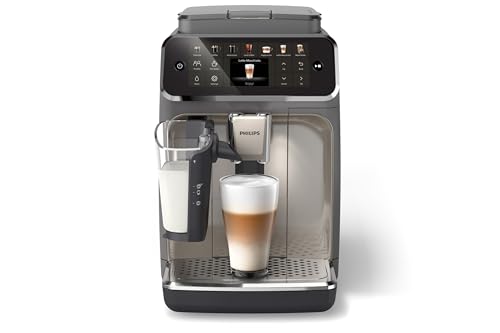
Philips 4400 Series Fully Automatic Espresso Machine, LatteGo Milk System, Integrated Grinder

AIRMSEN 20 Bar Espresso Machine with Automatic Milk Frother, Cappuccino & Latte Coffee Maker
More Details On Our Top Picks
This one speaks to the shopper who wants more control without jumping into a huge café-style setup. The built-in grinder and included barista toolkit give you a more complete countertop workflow, so the learning curve feels less scattered than with a bare-bones machine.
Compared with the De’Longhi Classic Signature, you get a more hands-on path to dialing in espresso, which suits weekend cappuccino routines and anyone who likes to tweak the process. The trade-off is simple: more control also means more steps, so it rewards patience better than pure speed.
What We Like
- Built-in grinding keeps your setup compact.
- Four preset drinks cover common espresso routines.
- Milk frothing support helps with lattes and cappuccinos.
- The toolkit makes first-time setup feel less intimidating.
- Good fit for a kitchen where counter space matters.
Worth Noting
- Hands-on workflow asks for a little more time.
- The extra parts mean more cleaning after use.
- It suits a careful routine more than a rushed one.
Feature Snapshot
Who Should Grab It
Home espresso enthusiasts who want more control and a fuller starter kit will get the most from this pick.
Swap It Out When
Choose the Philips 4400 Series if you want more automation for everyday drinks and less manual setup.
The smaller footprint is the story here, and that matters in kitchens where every inch counts. Rapid heat-up, single and double espresso presets, plus a pressure gauge give you a more guided experience than a fully manual machine.
Compared with the La Specialista Arte Evo, this feels easier to live with day after day, especially for a quick morning shot or an after-dinner espresso. The pressure gauge is helpful for learning the brew process, though the machine still asks you to stay involved.
Highlights
- Compact design fits tighter counters well.
- Preset single and double shots reduce guesswork.
- Milk frother adds flexibility for latte drinks.
- Pressure gauge gives a useful visual reference.
- Good match for a simple daily routine.
Areas To Watch
- More manual attention than a fully automatic machine.
- Smaller format can feel limiting for heavy drink use.
- Frother care adds a little cleanup after each session.
Core Details
Who Will Love This
This suits espresso fans who want a compact machine with a little guidance but not full automation.
Look Elsewhere When
Pick the Ninja Luxe Café Pro Series if you want a broader drink menu and a machine that can also handle drip coffee.
Space-saving design defines this KEENSTAR, and that makes it an easy fit for studio apartments, dorm-like setups, or a second coffee corner. The 4-cup format and 800W heating approach point toward straightforward use rather than café-level complexity.
Compared with the De’Longhi pair, this is the simpler path by a wide margin, which helps when you want espresso-style drinks without crowding the counter. The honest read is that its modest pressure level suits basic drinks better than richer, more layered espresso routines.
Bright Spots
- Compact body takes up little counter space.
- 4-cup capacity works well for small batches.
- Steam wand supports cappuccino and latte foam.
- 800W heating keeps the machine approachable for daily use.
Softer Spots
- Best suited to lighter espresso expectations.
- Small capacity means more rounds for shared use.
- Steam wand cleanup adds a little upkeep.
Details At A Glance
Built With In Mind
This is a sensible match for first-time espresso shoppers who want a compact and uncomplicated setup.
Another Choice May Suit
The AIRMSEN 20 Bar Espresso Machine fits better for you if stronger pressure, a larger tank, and a more modern control layout matter more.
This Ninja is the broadest-drink option in the group, which makes it useful in households that bounce between espresso, drip coffee, cold brew, and hot water. The built-in grinder, integrated tamper, and hands-free frother point to a more streamlined routine than you’d get from a machine that asks you to manage every step separately.
Compared with the De’Longhi La Specialista Arte Evo, this one leans harder into variety and convenience, not just espresso craft. The catch is that a broader feature set can feel like more machine than a solo espresso drinker needs, especially on a tighter counter.
Reasons To Buy
- Handles several drink styles in one machine.
- Built-in grinder trims down extra counter gear.
- Hands-free frothing helps with milk drinks.
- Integrated tamper keeps the workflow tidier.
- Works well for mixed coffee routines.
Small Caveats
- Broader feature set can feel busy at first.
- More functions usually mean more cleanup points.
- It may be more machine than a minimal setup needs.
Quick Facts
Best Suited To
This belongs on the counter of a household that wants one machine to cover several coffee habits.
Where A Sibling Pick Shines
The De’Longhi Classic Signature is the cleaner fit for you if you want a smaller espresso-focused machine with fewer extras.
This Philips leans into convenience, especially for households that want espresso and milk drinks without much manual choreography. The LatteGo milk system, integrated grinder, 12 hot and iced presets, and Quick Start support make it feel built for repeat use on busy mornings.
Compared with the Ninja Luxe Café Pro Series, the Philips is narrower in drink types but deeper in automation for espresso-focused routines. SilentBrew is a useful touch for early starts, though a more automatic machine also means you’re handing over some control.
Positives
- LatteGo system simplifies milk drink prep.
- Integrated grinder keeps the workflow contained.
- 12 presets cover hot and iced variations.
- Quick Start suits rushed weekday mornings.
- SilentBrew is thoughtful for shared living spaces.
Points To Note
- Automatic convenience usually means less hands-on control.
- Milk system parts still need regular cleaning.
- It makes the most sense for espresso-forward habits.
Core Details
Whose Shelf It Belongs On
This fits a busy household that wants automatic drinks with a strong focus on convenience.
Reach For A Different Pick When
The De’Longhi La Specialista Arte Evo is the better match for you if you want a more manual, hands-on espresso process.
The AIRMSEN leans toward speed and capacity, which can matter in a kitchen where more than one milk drink gets made before the day really starts. Its 20-bar pressure, automatic milk frother, touchscreen, and 60-ounce water tank give it a more modern feel than the KEENSTAR, while staying more straightforward than the Philips.
That dual-boiler setup, with 1350W and 1000W elements, suggests a machine designed to keep brewing and frothing roles better separated. The honest read is that this kind of layout suits regular latte and cappuccino use, though the touch interface adds one more thing to learn at first.
Best Bits
- 20-bar pressure supports stronger espresso-style drinks.
- Automatic frother reduces milk prep effort.
- 60-ounce tank helps with fewer refills.
- Touchscreen adds a cleaner control experience.
- Dual-boiler layout suits back-to-back drink making.
Room For Improvement
- Touch controls can take a minute to learn.
- More brewing parts usually mean more cleaning.
- Its feature set may be more than casual use needs.
Feature Rundown
Made For
This suits a household that makes milk drinks often and wants a larger, quicker setup.
Where Another Pick Suits Better
The KEENSTAR 3.5Bar Espresso Machine makes more sense for a smaller space and lighter espresso routines.
How To Choose The Right Coffee Espresso Latte Machines
Match The Machine To Your Coffee Habit
Your daily routine should steer the choice first. A compact semi-automatic machine works well for someone who makes one or two drinks a day and likes some control, while a fully automatic model suits a household that wants repeatable drinks with less hands-on work. Grinder-included machines also help because they keep the workflow together, which matters in kitchens where separate gear starts to feel cluttered.
Pressure is another key point, but it’s easy to overread it. Higher pressure numbers often signal a machine aimed at stronger espresso-style extraction, yet the rest of the design, especially the grinder, brew path, and milk system, shapes the drink just as much.
Milk Drinks Change The Equation
Milk frothing sounds simple until you make lattes and cappuccinos several times a week. A manual steam wand gives you more control and a little more learning time, while an automatic frother trims effort and cleanup. That difference matters more than it first looks, especially for anyone making drinks before work or during a house full of people.
A dual-boiler layout also matters for speed because brewing and frothing can be handled more cleanly. It’s a bit like choosing a kitchen knife that fits your hand, the shape influences the whole experience more than the headline spec.
Counter Space And Cleanup Still Count
Size and maintenance deserve real attention, not just feature lists. Compact machines are easier to place, but they can also ask you to empty drip trays, rinse frothers, and refill water more often. Larger machines with integrated grinders and milk systems reduce some extra accessories, yet they usually bring more parts that need regular care.
That trade-off becomes obvious in busy homes. A small machine can be the right choice for a tight apartment, while a fuller setup makes more sense for someone who wants a richer routine and doesn’t mind a more involved cleanup.
A Quick Reality Check Before You Choose
Mistakes Worth Dodging
A common slip-up is buying for the drink style you hope to make someday, not the drinks you make now. Espresso-focused machines feel rewarding, but they can frustrate someone who really wants drip coffee, large Americanos, or fast milk drinks with little effort. Another easy miss is ignoring how much counter space the grinder, tamper, water tank, and frother will use together.
Cleaning matters too. Milk systems and steam wands need routine attention, so a machine that looks simple in photos can become tedious in a rushed kitchen.
The Case For Spending Up
Higher-tier models usually cost more because they fold several tools into one body, like a grinder, milk system, touchscreen, or dual-boiler heating. That extra engineering can reduce clutter and shorten the path from beans to cup, which is useful for busy households that make coffee every day. You also tend to get more control over drink variety, temperature behavior, and routine consistency.
The upgrade makes the most sense for frequent espresso drinkers and households with more than one coffee preference. A simpler machine can still be the smarter call for occasional use, especially when you want fewer parts and less cleanup.
Frequently Asked Questions
What matters most in a home espresso machine?
You should look first at the brew style, milk system, and counter footprint. Those three usually shape day-to-day satisfaction more than any single headline spec.
Do integrated grinders really help?
Yes, they keep the workflow tighter and remove the need for a separate grinder. That’s useful in smaller kitchens and for anyone who wants fewer loose parts on the counter.
Is a higher pressure number always better?
Not by itself. Pressure is only one part of the picture, because grinder quality, temperature handling, and brew design also influence the final cup.
What makes a machine easier to live with?
A good layout, simple controls, and easy access to the water tank and drip tray go a long way. Automatic milk handling can help too, especially during busy mornings.
Which style works best for beginners?
A compact semi-automatic machine with presets is usually the gentlest starting point. It gives you enough guidance without forcing you into a fully automatic setup right away.
Closing Thoughts
The right machine depends less on hype and more on how you drink coffee at home. If you want hands-on espresso, the De’Longhi La Specialista Arte Evo feels rewarding, while the Philips 4400 Series makes life easier for busy mornings. The Ninja covers the widest menu, and the KEENSTAR keeps things simple for smaller spaces. Choose the one that matches your routine, not the one with the longest feature list.
