

These coffee espresso combination machines suit homes that want more than a single brewing path without turning the counter into a maze. You get a cleaner way to handle espresso shots, milk drinks, iced options, and drip-style coffee from one setup, which matters on rushed mornings and in shared kitchens. The trade-off is that each machine leans a little differently, so the right match depends on how much control, automation, and cleanup you want.
The Shortlist At A Glance

De’Longhi Classic Signature Espresso Machine

Ninja Luxe Café Pro Series ES701
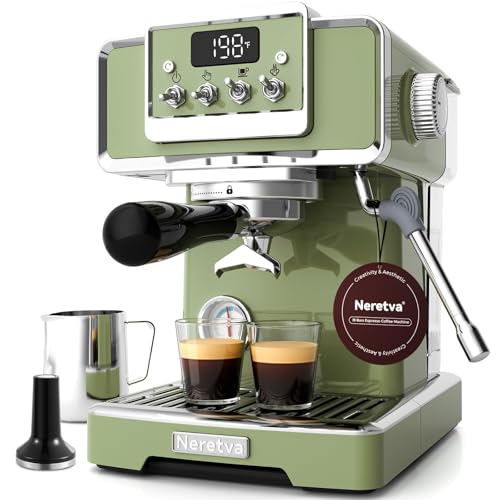
Neretva Professional Retro Espresso Machine with 58mm Portafilter (Green)
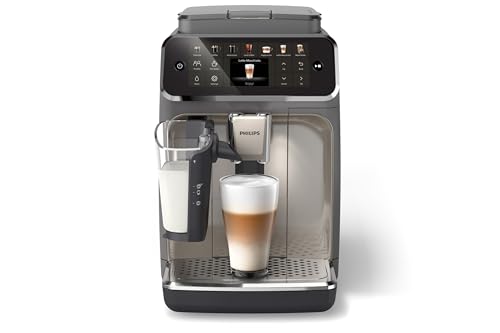
Philips 4400 Series Fully Automatic Espresso Machine EP4444/90

XIXUBX Cold Brew Espresso Maker with Steam Wand

AMZCHEF 20 Bar Home Espresso Coffee Machine
More Details On Our Top Picks
De’Longhi keeps this one compact, so it suits a counter that already has a toaster, grinder, and not much else. The pressure gauge gives you a clearer read on the shot, and the preset single and double options help on busy mornings. That mix makes sense for someone who wants a more guided espresso routine without moving into a full automation setup.
The adjustable milk frother matters because it gives you room for cappuccinos and lattes without adding extra gear. The honest trade-off is that you still manage more of the process than you would with a super-automatic machine like the Philips 4400 Series. For home espresso drinkers who like a tidy footprint and a more hands-on feel, this is the most grounded starting point here.
Strong Points
- Compact body suits tight kitchen layouts.
- Pressure gauge helps you read extraction more clearly.
- Preset single and double shots save time on repeat mornings.
- Milk frother supports espresso drinks without extra appliances.
Things To Consider
- You still handle more steps than with a fully automatic machine.
- The smaller footprint usually means less room for oversized cups or accessories.
Feature Snapshot
Who It Suits Best
Home espresso drinkers who want a compact machine with a clearer shot read will get the most from it.
Where A Sibling Pick Shines
Philips 4400 Series Fully Automatic Espresso Machine EP4444/90 fits better for someone who wants more drink automation and less manual handling.
This one is built for a kitchen that wants range, not just espresso. Along with espresso, it handles drip coffee, cold brew, hot water, and Americanos, so the same machine can cover a mixed household without cluttering the counter. The built-in grinder and integrated tamper also reduce the number of separate tools you need to keep track of.
The hands-free frother is a real convenience for milk drinks, especially around breakfast or during a workday break. Compared with the De’Longhi, this Ninja leans more toward all-day versatility than compact simplicity, and that makes a difference for larger households. The trade-off is that more functions usually bring a busier interface and a larger footprint, which you may notice in a smaller kitchen.
Highlights
- Brews multiple drink styles from one platform.
- Built-in grinder removes a separate countertop appliance.
- Integrated tamper keeps prep steps organized.
- Hands-free frother supports dairy and non-dairy milk.
- Hot water option helps with Americanos and similar drinks.
Small Caveats
- The larger set of functions can feel busy at first.
- More built-in parts usually mean more pieces to wipe down after use.
Core Details
Made For
Households that want one machine to handle espresso, coffee, and hot water will appreciate the broad drink menu.
Look Elsewhere When
De’Longhi Classic Signature Espresso Machine is the cleaner fit for a smaller kitchen that cares more about footprint than range.
Neretva takes a more traditional path, and that shows in the 58mm portafilter, which is the basket-and-handle assembly that holds your coffee grounds during espresso brewing. That size matters because it gives you a familiar, café-style workflow, especially for someone who likes to dial in a shot and watch the process closely. The visible pressure gauge and steam wand make it feel more like a hobby machine than an appliance.
Compared with the De’Longhi, this green model feels a little more geared toward hands-on ritual and milk-texture practice. The 15-bar pump gives you the pressure rating commonly associated with home espresso machines, while the stainless steel body should suit a kitchen that values a sturdier look. The catch is that more manual control means a bigger learning curve, so it fits best where espresso itself is the main event.
Upsides
- 58mm portafilter gives you a familiar espresso workflow.
- Visible gauge helps you watch shot behavior more closely.
- Steam wand supports latte and cappuccino prep.
- Stainless steel build should handle regular kitchen use well.
- Retro styling adds character without feeling flashy.
Areas To Watch
- Manual brewing steps take more practice than automatic models.
- The retro layout may feel less streamlined on a crowded counter.
- Cleaning the wand and portafilter becomes part of the routine.
Details At A Glance
Right Fit For
Espresso hobbyists who want a more tactile setup and a café-style portafilter will feel at home with it.
Swap It Out When
AMZCHEF 20 Bar Home Espresso Coffee Machine fits better for someone who wants simpler controls and a gentler start.
The Philips 4400 Series sits on the more automated end of this group, which is exactly why it stands apart from the hand-finished Neretva and the guided De’Longhi. It brings an integrated grinder, the LatteGo milk system, and 12 preset hot and iced drinks, so mornings feel closer to push-and-serve than to barista practice. SilentBrew is a welcome detail for shared homes where a loud machine gets noticed fast.
That convenience does ask for more space and more upfront complexity, and the machine makes less sense for someone who likes to tweak every shot manually. The quick-start setup helps, though, and the black chrome finish gives it a polished presence on the counter. For busy households that want a broad menu with fewer steps, this is the smoothest route in the lineup.
Reasons To Buy
- Fully automatic operation cuts down on daily effort.
- 12 presets cover both hot and iced drink routines.
- LatteGo system simplifies milk-based drinks.
- Integrated grinder keeps the setup self-contained.
- SilentBrew suits early mornings and shared homes.
Room For Improvement
- The automated format leaves less room for hands-on control.
- More built-in systems usually mean more parts to maintain.
Quick Facts
Perfect Match For
Busy homes that want a broad drink menu with minimal manual work will appreciate this Philips model.
Another Choice May Suit
Ninja Luxe Café Pro Series ES701 is the better fit for a household that wants espresso plus drip coffee and hot water from the same unit.
XIXUBX leans into useful basics, starting with a 20-bar pump and a visible pressure gauge that make the machine feel more adjustable than stripped down. The 42-ounce water tank is a practical size for a home office or a couple of back-to-back drinks in the kitchen, and the brushed stainless steel finish should be easier to keep tidy than more decorative surfaces. That balance makes it appealing for someone who wants espresso and milk drinks without a lot of fuss.
Compared with the Neretva, this model looks less like a hobby piece and more like a straightforward household tool. The included milk frothing pitcher is a nice touch for cappuccinos and lattes, though you still need to handle the prep yourself. One thing worth considering is that the machine’s appeal rests on doing the basics well, so it makes the most sense for users who value utility over extra frills.
Best Bits
- 20-bar pump gives the machine a strong spec sheet for home espresso.
- 42-ounce tank suits repeated drinks without constant refilling.
- Pressure gauge helps you keep an eye on extraction.
- Steam wand and pitcher support milk-based drinks.
- Brushed stainless steel should wipe down easily.
Softer Spots
- Milk drinks still need hands-on prep.
- The machine focuses on core espresso use, so variety is more limited than the Ninja.
- Regular cleaning of the wand and pitcher stays part of ownership.
Feature Rundown
The Right Fit
Home and office users who want a practical espresso machine with a larger tank will get solid mileage from it.
Reach For A Different Pick When
Ninja Luxe Café Pro Series ES701 is better for someone who wants drip coffee, cold brew, and hot water in the same footprint.
AMZCHEF is the easiest machine in this group to imagine on a first-time espresso counter. The LED touchscreen gives you a cleaner entry point than knob-heavy layouts, and the built-in milk frother keeps latte and cappuccino prep within the same machine body. Self-cleaning support is useful in a real kitchen because it lowers the amount of after-use scrubbing you need to remember.
Compared with the more manual Neretva, this AMZCHEF feels more forgiving and less demanding of technique. The trade-off is that it gives up some of the tactile ritual that espresso hobbyists enjoy, but that is exactly why it works for beginners or anyone who wants a simpler daily habit. You may find it especially fitting in a household where coffee needs to happen quickly and predictably.
Positives
- Touchscreen controls are easier to read than old-school button layouts.
- Built-in frother keeps milk drinks under one roof.
- Self-cleaning support lightens the cleanup load.
- 20-bar setup gives you a familiar home-espresso spec.
Minor Gripes
- Less manual control than the Neretva.
- The simpler interface may feel basic to experienced espresso drinkers.
Core Details
Built With In Mind
Beginners and rushed households will appreciate the simple controls and lower-maintenance feel.
Skip It When
Neretva Professional Retro Espresso Machine with 58mm Portafilter (Green) is better for someone who wants a more hands-on, café-style workflow.
How To Choose The Right Coffee Espresso Combination Machines
Match The Machine To Your Daily Drink Mix
Your first decision is the menu, not the finish. A machine like the Ninja Luxe Café Pro Series ES701 makes sense when you want espresso, drip coffee, cold brew, and hot water in one station, while the De’Longhi Classic Signature stays narrower and simpler. That difference matters more than raw pressure numbers because the right setup is the one you will use every morning without dread.
Households with one espresso drinker and one drip coffee drinker usually benefit from broader capability. Solo users often prefer a smaller semi-automatic machine that gives better counter control and less cleanup. The right balance saves both time and counter space.
Decide How Much Control You Want
Pressure gauges, portafilters, and steam wands point toward a more hands-on routine. The Neretva Professional Retro Espresso Machine with 58mm Portafilter (Green) fits that style, while the Philips 4400 Series fully automatic path handles more of the work for you. That split is the real fork in the road for this category.
Manual control usually rewards practice and gives you more say over texture and strength. Automation trims the learning curve and makes repeat drinks easier on hectic mornings. Your best match depends on whether you want the process or just the cup.
Check Capacity, Cleanup, And Counter Space
Tank size, grinder integration, and milk system design change daily ownership more than many shoppers expect. The XIXUBX model’s 42-ounce tank helps in a home office or a two-drink household, while the Philips and Ninja models reduce separate tools by building more into the machine. That convenience can pay off, but it also means more internal parts to wipe and maintain.
Small kitchens do better with compact bodies and simpler attachments. Larger households can justify a fuller machine if they are using the extra functions every day. Think about where the machine will live, where the water will come from, and how often you want to clean around it.
A Quick Reality Check Before You Choose
Mistakes Worth Dodging
Don’t let one spec steer the whole decision. A 20-bar pump sounds impressive, but the better question is whether the machine also gives you the grinder, frother, tank size, or presets you actually need.
Another common miss is underestimating cleanup. Steam wands, milk pitchers, and integrated grinders add convenience during brewing, then ask for care afterward.
The Case For Spending Up
Higher-tier models usually cost more because they combine more hardware into one body. That includes integrated grinders, automatic milk systems, broader preset menus, and quieter operation, all of which add parts and design complexity.
Paying more makes sense when the machine replaces two or three separate items on your counter. It also makes sense in households with multiple coffee habits, since the convenience is shared every day rather than enjoyed once in a while.
Frequently Asked Questions
What makes a coffee espresso combination machine different from a basic espresso maker?
It usually gives you more than espresso alone, such as drip coffee, hot water, or cold brew functions. That broader range helps in homes where people drink coffee different ways.
Is a built-in grinder worth having?
Yes, especially in a daily routine, because it removes one more separate step and one more countertop item. It also keeps the setup more compact than using a separate grinder.
Do fully automatic models need less effort?
They do, because they handle more of the brewing path for you. The trade-off is less manual control over shot-by-shot details.
Which machine suits a small kitchen best?
The De’Longhi Classic Signature Espresso Machine is the most compact-feeling option in this group. A smaller body matters when your counter already carries a lot of daily gear.
What should you look for in a milk frother?
Look for whether it is manual or hands-free, because that changes how much work you do. Also think about how often you plan to clean the wand or frother after milk drinks.
Closing Thoughts
The right machine depends less on prestige and more on how you drink coffee at home. You may want the De’Longhi for a tidy espresso setup, the Ninja for broad drink range, or the Philips for low-effort routines. If your mornings are crowded and your counter is small, choose the path that keeps the process simple. If you enjoy dialing in drinks, the more manual picks have more room to grow with you.
