

Pour over rewards a bean that opens up clearly, not one that hides behind heavy roast gloss. You want whole beans that match your grinder, your routine, and the kind of cup you actually enjoy on a weekday morning.
This roundup focuses on seven bags with distinct roast styles, origins, and blend structures. Some lean bright and floral, some run deeper and more chocolatey, and a few sit in the middle for a steadier daily cup.
The Shortlist At A Glance
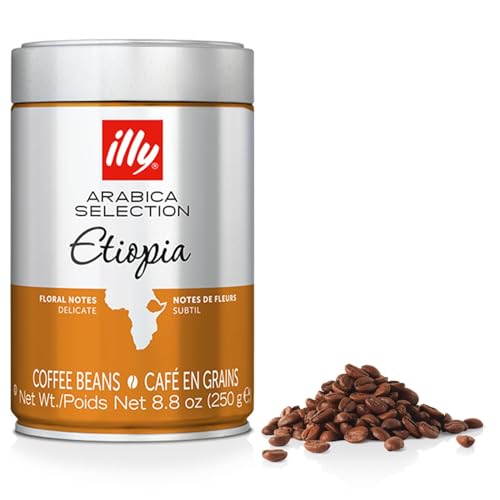
illy Arabica Selections Ethiopia Whole Bean Coffee 8.8 Ounce Can

Peet’s Coffee French Roast Whole Bean Coffee 18 Ounce Bag

Caffè Borbone Crema Superiore Whole Bean Coffee 2.2 lb Bag
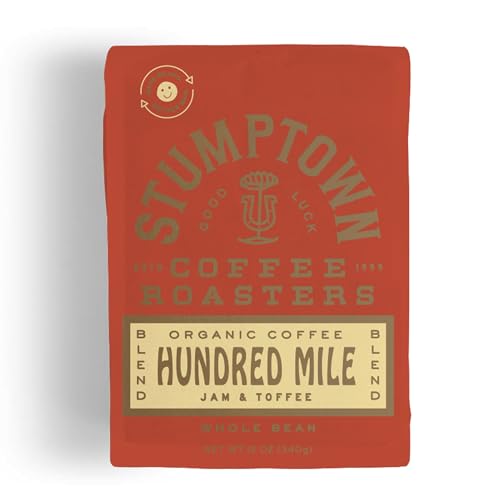
Stumptown Coffee Roasters Hundred Mile Organic Whole Bean Coffee 12 Ounce Bag

Lavazza House Blend Perfetto Whole Bean Coffee 12oz Bag

Blue Bottle Whole Bean Organic Coffee Balanced 12 Ounce Bag

Blue Bottle Coffee Bright Blend Whole Bean Organic 12 Ounce
More Details On Our Top Picks
This light-roast Ethiopian coffee fits the pour-over style that rewards clarity over heaviness. The canister format also suits a tidy counter, which matters more than people think during a rushed morning.
That jasmine note points toward a fragrant cup, and single-origin beans usually give you a cleaner read on origin character than a broad house blend. You may find it a little delicate for someone who wants a dense, syrupy mug, but that restraint is exactly why it works so well for careful brewing.
What We Like
- Light roast profile suits slow extraction.
- Single-origin Ethiopia can show floral detail in the cup.
- Whole beans let your grinder shape the result.
- Compact can packaging stores neatly in a small kitchen.
Things To Consider
- Light roasts can feel sharper than darker blends.
- The floral style may not suit a milk-heavy routine.
- Can packaging is tidy, but it takes up more shelf space than a bag.
Feature Card
Whose Shelf It Belongs On
You suit this best when you brew pour over for a bright, aromatic cup and want a smaller-format bag or can for routine use.
Where A Sibling Pick Shines
Blue Bottle Whole Bean Organic Coffee Balanced 12 Ounce Bag fits you better when you want a softer middle ground with caramel and cocoa depth.
Peet’s French Roast moves in the opposite direction from the illy can: darker, heavier, and built for people who want their pour over to land with more roast presence. The 18-ounce bag gives you a practical amount for regular brewing without feeling oversized on the shelf.
Dark roast often brings lower acidity and a more toasted profile, which can be a relief in a house where bright coffee feels too sharp before lunch. The honest read is that this style can mute origin detail, so you are choosing body and roast depth over nuance.
Highlights
- Dark roast profile gives a bolder cup.
- 100% Arabica keeps the blend in smoother territory.
- 18-ounce bag size suits steady daily brewing.
- Works well for drinkers who prefer roast-forward flavor.
Minor Gripes
- Very dark roast can flatten subtle origin notes.
- That deeper style may feel too heavy for delicate pour over preferences.
- Bag storage is less tidy than a rigid can.
Core Details
Made For
You fit this pick well when your pour over leans bold and you want a darker cup for early mornings or after meals.
Skip It When
illy Arabica Selections Ethiopia Whole Bean Coffee 8.8 Ounce Can suits you better when you want a lighter, floral profile with more origin detail.
This one steps into a different lane from Peet’s, because the Arabica and robusta blend is built for body and crema rather than a feather-light pour. The 2.2-pound bag makes sense for a household that goes through coffee quickly and prefers fewer bag changes.
Medium roast keeps it from drifting fully into dark-roast territory, so you get a steadier middle ground for drip or pour over alike. One thing worth considering is that robusta can bring a firmer edge, which some people like for structure and others find too blunt.
Standout Traits
- Arabica and robusta mix adds body.
- Medium roast keeps the cup more balanced.
- Large bag size works well for frequent brewing.
- Can suit espresso-style preferences and pour over alike.
Points To Note
- Robusta content can taste firmer than all-arabica coffee.
- Large bag needs careful storage to stay fresh.
- It may feel less delicate than lighter single-origin options.
Details At A Glance
Perfect Match For
You suit this best when you brew often, like a fuller cup, and want a bag that can keep up with a busy kitchen.
Swap It Out When
Lavazza House Blend Perfetto Whole Bean Coffee 12oz Bag makes more sense for you when you want a cleaner Arabica-only blend for drip-style brewing.
Hundred Mile sits in the center lane, but it does so with more detail than many medium roasts manage. The origin mix from Africa and Central and South America gives you a cup that can show jam-like sweetness without turning syrupy, which is handy for a pour over routine that needs consistency.
The 12-ounce bag is easy to rotate through before flavor drifts, and that matters for anyone brewing a few cups a week instead of a big batch every day. The trade-off is simple, a medium roast this layered can feel less dramatic than a darker bag or as floral as illy’s Ethiopian pick.
Upsides
- Organic whole beans suit fresh grinding.
- Medium roast keeps the cup steady and versatile.
- Jam and toffee notes give it a sweeter angle.
- 12-ounce bag size is easy to finish at a reasonable pace.
- Origin mix can add depth without overwhelming bitterness.
Room For Improvement
- Sweetness-forward flavor may not suit stark, tea-like pour over preferences.
- Smaller bag size means you refill more often.
- Less dramatic than a dark roast for people chasing heavy body.
Quick Facts
Best Suited To
You fit this pick well if you brew pour over regularly and want an organic medium roast with a sweet, rounded profile.
Look Elsewhere When
Blue Bottle Coffee Bright Blend Whole Bean Organic 12 Ounce suits you better when you want a more vivid, brisk cup with sharper lift.
Lavazza’s Perfetto leans toward the dependable middle of the road, which suits a pour over routine that needs repeatable flavor rather than a dramatic swing. The Italian blending angle shows up in the fuller body, and that helps it stand apart from lighter, more origin-forward picks like Blue Bottle’s Balanced bag.
The intensity rating and medium roast are useful clues, even though the label is still plain about the final cup. You may find it especially comfortable with drip brewers, but it still holds its own in pour over once you dial in the grind and ratio.
Reasons To Buy
- Medium roast gives a familiar, steady base.
- 100% Arabica keeps the profile smooth.
- Full-bodied style works well for people who like more structure in the cup.
- 12-ounce bag fits regular home rotation.
Areas To Watch
- Designed with drip brewers in mind, so pour over fans may need a few brews to settle the grind.
- The flavor profile is less distinctive than some single-origin options.
- Package may vary, which can matter to shoppers who care about consistency in the pantry.
Feature Snapshot
The Right Fit
You suit this best when you want a grounded, medium-bodied coffee that can handle pour over and drip use without fuss.
A Better Fit Elsewhere
Stumptown Coffee Roasters Hundred Mile Organic Whole Bean Coffee 12 Ounce Bag fits you better when you want more fruit-and-sweetness detail in a carefully brewed cup.
Balanced sits exactly where many pour over drinkers want a bag to land, between bright acidity and heavy roast weight. The flavor notes point to caramel, lemon zest, and cocoa, so you get a cup that can stay calm on its own or soften nicely with milk or cream.
That makes it easy to place beside the Stumptown and Lavazza options, since this one feels a little gentler than both. In most kitchens, that balance is a strength, though someone chasing a louder single-origin statement may want the Ethiopian illy instead.
Best Bits
- Medium-light roast suits a broad range of pour over setups.
- Organic whole beans support fresh grinding.
- Caramel, citrus, and cocoa notes bring a layered cup.
- Works plain or with milk, which helps in mixed households.
Softer Spots
- More restrained than darker, heavier blends.
- Flavor balance may feel less striking to someone who wants a highly specific origin profile.
- The 12-ounce bag is handy, but frequent drinkers will go through it faster than a larger bag.
Technical Sheet
Who Should Grab It
You suit this best when you want an easygoing pour over that stays balanced without leaning too sharply in any direction.
Reach For A Different Pick When
Peet’s Coffee French Roast Whole Bean Coffee 18 Ounce Bag makes more sense for you when dark roast depth matters more than balance.
Bright Blend feels built for a pour over cup that wakes up the palate rather than sitting heavy on it. Since it comes in a 12-ounce format, it stays easy to move through, which is useful for anyone who likes a fresh bag rotation.
The listing also points to organic and fair-trade related options, along with local and global sourcing pathways, which tells you the brand is aiming at a more values-aware shelf presence. The catch is that this style may feel a bit lean for people who want a rounder, more cocoa-led mug.
Bright Spots
- Organic whole beans fit a fresh-grind routine.
- Bright profile tends to suit brisk pour over cups.
- 12-ounce bag size works well for quick turnover.
- Sourcing options give it a broader brand story.
Small Caveats
- Bright style can feel lean beside fuller medium roasts.
- It may not satisfy you if you prefer a deep, roasty finish.
- Like the other Blue Bottle bag, it rewards careful storage once opened.
Core Details
Built With In Mind
You suit this best when you want a lively pour over with a lighter body and a fresh bag rotation.
Another Choice May Suit
Blue Bottle Whole Bean Organic Coffee Balanced 12 Ounce Bag fits you better when you want a gentler middle ground with more caramel and cocoa character.
How To Choose The Right Coffee Beans For Pour Over
Start With Roast And Clarity
Pour over usually rewards beans that show detail instead of hiding it. Light and medium-light roasts often make origin notes easier to notice, while darker roasts lean toward body and roast depth. That does not make dark roast a bad fit, it just changes the cup into something sturdier and less delicate.
You can think of roast level as the first filter for taste direction. Ethiopian and other single-origin coffees often lean brighter or more floral, while blends may feel smoother and more even. For someone who likes a crisp morning mug, clarity matters more than heaviness.
Match The Bean Style To Your Routine
Your routine shapes the right bag almost as much as flavor does. Smaller 8.8 to 12-ounce bags suit people who brew a few cups a week, because the coffee turns over faster and stays fresher in the pantry. Larger bags fit households that make pour over every day and can move through the beans quickly.
Whole beans also matter because they let your grinder do the real flavor work. A burr grinder, which crushes beans into more even particles than a blade grinder, helps you control extraction and reduce muddy cups. That control is useful for pour over, where a few small grind changes can shift the whole result.
Read The Label Like A Brewing Map
Bean type, roast level, bag size, and origin all point toward the style you are likely to get. 100% Arabica usually means a smoother profile than a blend with robusta, while Arabica and robusta blends often bring more body and structure. Neither path is wrong, but they suit different cups.
The smartest move is to choose based on the cup you want at the table, not just the words on the front. Bright, floral coffee pairs well with slow sipping and a clean filter brew, while medium or darker bags can feel better in a house that likes a fuller morning mug. That simple match saves a lot of guesswork later.
A Quick Reality Check Before You Choose
Where Shoppers Go Wrong
Many people buy by roast color alone and miss the rest of the label. That can lead to a bag that sounds bold but brews flat, or a floral coffee that feels too sharp for a daily cup. It helps to read origin, bean type, and bag size together.
Another common miss is ignoring how quickly you drink coffee. A large bag seems convenient, but a slower household may lose flavor before finishing it. A smaller bag is often the calmer choice for pour over drinkers who want a fresher rotation.
What The Higher Tier Buys
Higher-priced coffee usually reflects tighter sourcing, more careful roasting, or a more specific flavor target. Organic lots, single-origin beans, and specialty blends often ask more because they are built around detail rather than bulk consistency. That is useful when your goal is a cleaner cup with more distinct character.
The upgrade is worth it when you taste the difference clearly in a pour over cup and brew often enough to notice it. If your coffee routine is casual or mostly mixed with milk, a steadier middle-tier bag can be the smarter place to stay.
Frequently Asked Questions
What roast works best for pour over?
Light and medium roasts usually show the most clarity in pour over. Dark roasts still work, but they lean more toward body and roast depth.
Does whole bean coffee matter for pour over?
Yes, because you grind right before brewing and keep more of the bean character intact. Whole beans also let you adjust grind size for your dripper and filter paper.
Are blends or single-origin beans better?
Single-origin coffee often gives you a more distinct flavor profile, while blends can feel steadier and more balanced. Your choice depends on whether you want origin character or a broader everyday cup.
How big should the bag be?
A 12-ounce bag works well for many home routines, while larger bags suit heavy daily use. Smaller households often do better with a bag they can finish before freshness fades.
Can dark roast work with pour over?
Yes, especially for drinkers who want a fuller, deeper cup with less brightness. The trade-off is that delicate origin notes usually become harder to notice.
Closing Thoughts
Pour over gives you a lot of control, so the bean choice matters more than casual coffee drinkers sometimes expect. The cleanest fit comes from matching roast level, origin, and bag size to the way you brew and the flavors you enjoy most. Bright, floral bags suit careful, lighter cups, while deeper blends help when you want more body in the morning. Pick the profile that matches your routine, and the rest of the brew gets much easier.
