

Sorting out coffee gear gets easier once you separate machines that brew from grinders that prepare the beans. Some homes need a compact espresso setup for a quick morning shot, while others need a grinder that gives drip, French press, or cold brew more control. This roundup focuses on the real differences that matter on a countertop, not just flashy feature lists.
The Shortlist At A Glance

De’Longhi Classic Signature Espresso Machine

Ninja Luxe Café Pro Series ES701

SHARDOR Electric Coffee Grinder 70g
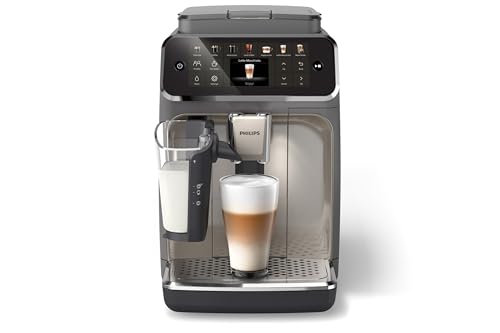
Philips 4400 Series EP4444/90
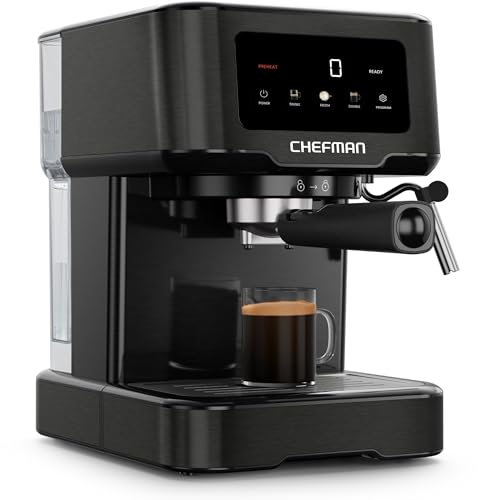
Chefman CraftBrew Espresso Machine
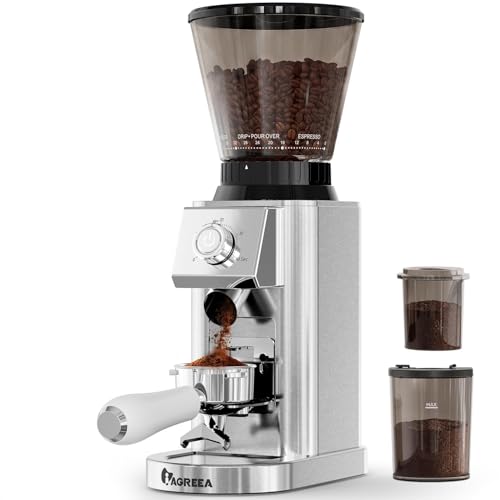
IAGREEA Coffee Grinder 48 Grind
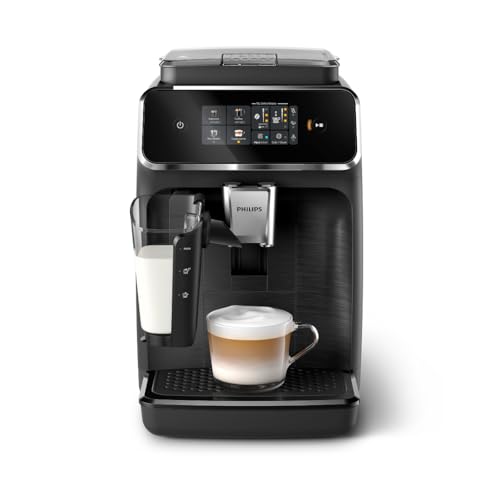
PHILIPS 2300 Series EP2330/10
More Details On Our Top Picks
For a countertop espresso setup, this De’Longhi keeps the shape compact while still giving you the core controls that matter, including a pressure gauge and preset single or double shots. The adjustable milk frother makes it easier to handle cappuccinos and lattes without adding a separate accessory, which helps in a busy kitchen where you want fewer loose parts.
The honest read is that this suits someone who wants espresso first and extra beverage variety second. Compared with the Ninja Luxe Café Pro Series, it asks less of your counter space and your wallet-time routine, while the Philips super-automatic models do more on their own but also bring more bulk.
Strong Points
- Preset shot options keep mornings moving.
- Pressure gauge gives you a clearer read on extraction.
- Adjustable frother supports milk drinks without extra gear.
- Compact footprint fits tighter counters more easily.
Small Caveats
- Semi-automatic use means you stay involved through the brew step.
- The compact form leaves less room for oversized mugs.
- Milk parts usually need regular cleaning to stay fresh and tidy.
Feature Snapshot
Who Should Grab It
You suit this machine best if you want hands-on espresso in a smaller kitchen and like the idea of making milk drinks without a lot of extra hardware.
Where A Sibling Pick Shines
The PHILIPS 2300 Series EP2330/10 fits better for you when you want a more automated routine and less manual attention before the cup lands in your hand.
This Ninja setup stands out for people who like one appliance to cover several drink styles, from espresso to cold brew, hot water, and drip coffee. The built-in grinder, integrated tamper, and hands-free frother make the workflow feel less fussy, especially in homes where different people want different cups before work.
The trade-off is simple: versatility brings a bigger footprint and more features to learn. Compared with the De’Longhi Classic Signature, this one gives you a broader drink menu, while the smaller Chefman keeps things more focused for a tighter kitchen.
What We Like
- Multiple brew styles reduce the need for separate appliances.
- Built-in grinder keeps bean prep inside one machine.
- Hands-free frother helps with milk drinks at the touch of a routine.
- Integrated tamper makes prep feel more orderly.
- Good fit for households that rotate between coffee styles.
Points To Note
- More functions usually mean a larger counter footprint.
- Learning the settings can take a little patience at first.
- Extra parts call for regular cleaning to keep the workflow smooth.
Core Details
Built With In Mind
You fit this machine well if your kitchen needs one setup for espresso, milk drinks, and the occasional cold or hot coffee swap.
Skip It When
The Chefman CraftBrew Espresso Machine makes more sense for you when you want a simpler espresso-first layout and less to learn on day one.
This SHARDOR grinder is aimed at people who want a straightforward way to process beans, spices, herbs, or grains in one compact tool. The 70-gram capacity gives you enough room for routine home use, and the visual timing knob helps you aim for a more controlled grind without turning the process into a guessing game.
Compared with the IAGREEA burr grinder, this one feels more casual and quicker to grab for mixed kitchen jobs, while the burr model is the better match for grind consistency. That makes the SHARDOR a practical fit for a small home kitchen where simplicity matters more than espresso-level precision.
Highlights
- Large 70-gram bowl suits everyday batch grinding.
- Timing knob gives you a simple way to control grind length.
- Works for beans, spices, herbs, and grains.
- Compact shape stores easily in a crowded cabinet.
Areas To Watch
- Blade-style grinding usually gives less even results than burr systems.
- Mixed-use grinding means cleanup matters between different ingredients.
- Visual timing helps, though repeatability still depends on your routine.
At A Glance
Who Will Love This
You fit this grinder best if you want a simple countertop helper for mixed kitchen prep and care more about convenience than dialed-in espresso fine-tuning.
Look Elsewhere When
The IAGREEA Coffee Grinder 48 Grind is the better match for you when you want burr grinding and tighter control for brew method changes.
The Philips 4400 Series leans hard into convenience, with a fully automatic layout, an integrated grinder, and 12 presets for both hot and iced drinks. LatteGo is Philips’ milk system here, a simple frothing setup that keeps milk handling less fussy, which suits morning routines that need speed more than ceremony.
Compared with the De’Longhi and Chefman semi-automatic picks, this machine does more of the work itself, but it also asks for more space and a higher tolerance for machine complexity. In most kitchens, it makes sense for households that want a near push-button coffee path rather than a hands-on espresso ritual.
Upsides
- Fully automatic operation cuts down on daily steps.
- 12 presets cover a wide range of hot and iced drinks.
- Integrated grinder keeps bean prep inside the machine.
- LatteGo system simplifies milk-based drinks.
- SilentBrew helps the machine feel calmer in early mornings.
Worth Noting
- Automatic convenience usually comes with a larger machine body.
- Preset-heavy systems can feel like overkill for simple espresso only use.
- Milk and brewing parts still need regular rinsing and care.
Details At A Glance
Perfect Match For
You suit this machine best if you want automatic brewing and a wider drink menu for a home that moves quickly in the morning.
A Better Fit Elsewhere
The PHILIPS 2300 Series EP2330/10 is the gentler step up-down for you when you want automatic brewing without as many preset options.
The Chefman CraftBrew keeps things focused on espresso and milk drinks, which makes it appealing in smaller kitchens where space is tight but you still want a proper steam wand. Its 1.5-liter removable water reservoir is a useful everyday touch, because refilling and cleaning usually feel less awkward when the tank comes out.
Compared with the De’Longhi Classic Signature, this one gives you a similar semi-automatic rhythm with a more straightforward presentation. The trade-off is that it stays more specialized than the Ninja or Philips machines, so variety seekers will probably want one of those instead.
Reasons To Buy
- 15-bar pump supports standard home espresso brewing.
- Digital controls make the front panel feel easier to read.
- Steam wand opens the door to latte and cappuccino drinks.
- Removable reservoir simplifies refills and routine cleaning.
- Compact size suits smaller counters and apartment kitchens.
Trade Offs
- The narrower focus means less drink variety than the Ninja or Philips options.
- Steam wand use adds a little hands-on cleanup after milk drinks.
- Smaller machines can feel less roomy around larger cups.
Quick Facts
Whose Shelf It Belongs On
You suit this machine best if you want a compact espresso maker with a steam wand and do not mind a little manual involvement.
Another Choice May Suit
The De’Longhi Classic Signature Espresso Machine fits better for you when a pressure gauge and preset shot choices matter more than a digital front panel.
The IAGREEA grinder is the more serious grinding tool in this group, especially for you if espresso, drip, French press, and cold brew all live in the same kitchen. The conical burr design means the beans are crushed between two shaped pieces instead of chopped by a blade, which usually helps consistency from one grind setting to the next.
The 450 RPM low-speed motor and anti-static design point to cleaner, calmer operation, and the precision timer helps you repeat a dose without guessing. Compared with the SHARDOR blade grinder, this is the pick for people who care more about grind quality than mixed-ingredient convenience.
Best Bits
- 48 grind settings give you room to tune different brew methods.
- Conical burr design supports more even grinding than a blade setup.
- Low-speed motor keeps the process steadier.
- Anti-static design helps reduce stray grounds on the counter.
- Precision timer makes repeat doses easier to manage.
Ongoing Considerations
- Burr grinders usually take a little more cleanup than simple blade models.
- More settings can feel intimidating at first.
- The metallic finish may show fingerprints more than a matte shell.
Spec Overview
Made For
You fit this grinder best if you brew several methods at home and want more control over grind texture without stepping into a complicated setup.
Swap It Out When
The SHARDOR Electric Coffee Grinder 70g suits you better when you want a simpler blade grinder for beans plus spice duty in one compact tool.
The PHILIPS 2300 Series is the easier fit for busy households that want automatic espresso with only a few steps between you and the cup. LatteGo handles milk drinks with less fuss, and the integrated grinder means you are not managing separate equipment before breakfast.
Its 4 coffee presets and hot water option keep the menu practical rather than crowded, which is useful in kitchens where simplicity wins the morning. Compared with the Philips 4400 Series, this model trims the drink list and the complexity, and that is often the smarter move for everyday use.
Positives
- Fully automatic format keeps daily brewing simple.
- LatteGo streamlines milk drink prep.
- Integrated grinder saves counter space compared with separate gear.
- Four presets cover the most common routines.
- Hot water option adds a little extra usefulness.
Softer Spots
- The preset count is modest beside the Philips 4400 Series.
- Automatic machines still need regular rinsing to stay tidy.
- Milk system parts add a bit of upkeep after frequent use.
Feature Card
The Right Fit
You suit this machine best if you want a simple automatic routine and do not need a long menu of specialty settings.
Consider Something Else When
The Philips 4400 Series EP4444/90 suits you better when your household wants more presets and a broader drink range.
How To Choose The Right Coffee Bean Machines
Start With The Drink Style You Actually Make
Bean machines split into two broad jobs, grinding and brewing, and that matters more than the badge on the front. Espresso drinkers need pressure, milk handling, and tighter grind control, while drip and French press use a coarser grind and usually care more about consistency than pressure.
Households with mixed habits often do better with a combo setup like the Ninja Luxe Café Pro Series. A single-drink home can stay happier with a smaller espresso machine or a standalone grinder that matches one brew path well.
Pay Attention To Workflow, Not Just Feature Count
More features sound attractive until your morning routine gets slow and messy. Built-in grinders save space, but they also add parts to clean, and that trade-off shows up fast in a home that makes several cups a day.
Semi-automatic machines suit people who like some control, while fully automatic units suit anyone who values speed and repeatability. The right choice depends on how much you want to do before that first sip.
Match Capacity And Footprint To Your Counter
Counter space gets cramped quickly around a grinder, a milk pitcher, and a machine body all at once. Compact options like the De’Longhi and Chefman work well in smaller kitchens, while the Philips 4400 and Ninja make more sense where room is less tight.
Capacity matters in the grinder category too. A 70-gram blade grinder can suit batch use, while a burr grinder with multiple settings gives you better control for espresso, drip, and cold brew in the same home.
Look For The Parts You Will Clean Most Often
Milk systems, water reservoirs, and removable pieces affect ownership just as much as brew quality. A removable tank or a simpler milk path can save time after dinner, especially in a home that runs several drinks back to back.
Spare yourself the headache of a setup that feels impressive but tiresome. A machine you can keep clean and ready usually earns more trust than a flashier one that becomes a chore.
Things Worth Knowing First
Common Shopping Slip Ups
Shoppers often focus on pressure numbers and forget the rest of the routine. The result is a machine that can make espresso but feels awkward in the kitchen.
Another common miss is choosing a grinder that does not match the brew style. A blade grinder can be fine for casual use, yet a burr grinder is the more sensible path for consistent espresso dosing.
What The Higher Tier Buys
More expensive machines usually add automation, better grind control, quieter operation, and more drink presets. Those upgrades matter most in homes that make coffee every morning and want less back-and-forth during prep.
Paying more makes sense when you want one machine to cover milk drinks, hot coffee, and iced drinks without a separate collection of tools. A simpler model still works well for you when all you need is a solid espresso path or a dedicated grinder.
Frequently Asked Questions
Do Coffee Bean Machines Need A Built-In Grinder?
No, and many solid espresso setups use a separate grinder instead. A built-in grinder just saves space and keeps the workflow in one appliance.
Are Burr Grinders Better Than Blade Grinders?
Burr grinders usually give you a more even grind, which helps more brew methods behave predictably. Blade grinders are simpler and can work fine for casual kitchen use.
What Does 15-Bar Pressure Mean?
It refers to the pressure system used in many home espresso machines. For you, that matters because espresso-style brewing depends on pressure as part of the extraction process.
Are Fully Automatic Machines Hard To Clean?
They usually ask for more regular rinsing and care because they have more moving parts and milk pathways. The upside is that the daily brew routine stays easier.
Which Option Fits A Small Kitchen Best?
Compact semi-automatic machines and standalone grinders usually take up less room than larger automatic units. The De’Longhi Classic Signature Espresso Machine and Chefman CraftBrew are the tighter-space picks here.
Closing Thoughts
Your best choice depends on how much control you want and how much counter space you can spare. A smaller semi-automatic machine works well for hands-on espresso, while a fully automatic model makes sense for a busier household that wants speed and fewer steps. Standalone grinders are still the smarter route when grind quality matters more than built-in convenience. Pick the setup that fits your mornings, and the habit is more likely to stick.
