

Cheap burr coffee grinders can still do useful work in a real kitchen, whether you’re dialing in drip for weekdays, chasing a cleaner espresso grind, or keeping a travel setup simple. The trick is matching the grinder to your routine, because grind range, capacity, and cleanup shape the day-to-day experience far more than shiny extras. This roundup keeps the focus on practical fit, not brochure language. You’ll also see where each pick makes sense, and where a different style may suit you better.
Quick Look at the Shortlist

Wancle Burr Coffee Grinder Flat Burr Coffee Grinder 28-Setting

Lonkion Burr Coffee Grinder Electric 28 Precise Grind Settings

Electric Burr Coffee Grinder 28 Precise Grind Setting

KIDISLE Conical Burr Coffee Grinder 35 Settings
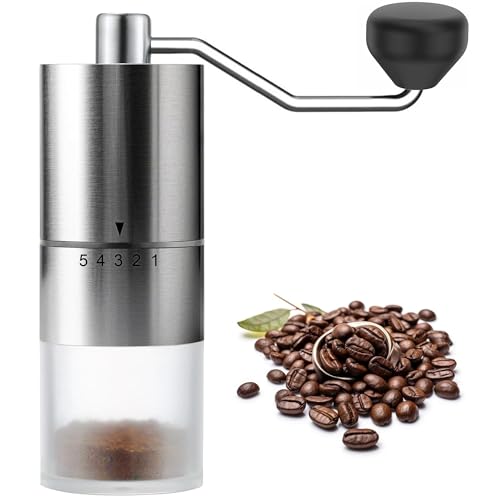
EZLucky Manual Coffee Grinder 5 External Settings

AYCHIRO Coffee Grinder Electric 30 Grind Settings

LEBURRY Burr Coffee Grinder Portable Espresso Grinder
More Details On Our Top Picks
The Wancle keeps things modest in size, which helps in a tight counter setup or a dorm kitchen. Its 28 grind settings and 2 to 12 cup range give you enough room for weekday drip and smaller weekend batches without crowding the counter.
The flat burr design matters because burrs, not blades, grind beans more evenly, so you usually get a cleaner cup with less dust in the mix. The trade-off is that compact electric grinders often ask for a little more cleanup around the grind chamber, so this suits you best when storage space matters and you still want a more controlled grind than a basic blade unit.
Strong Points
- Flat burr layout supports steadier particle size than blade grinding.
- 28 settings give you room to move between drip and finer brews.
- 2 to 12 cup sizing works well for solo mornings or a small household.
- Compact body fits a crowded counter or a narrow cabinet shelf.
- Easy cleaning is a real plus for daily use, since coffee grounds tend to linger in corners.
Small Caveats
- Small grinders usually need a bit of routine brushing to stay tidy.
- The compact shape can mean a smaller grounds bin than larger countertop models.
Feature Snapshot
Who It Suits Best
You’re the right match for this one if you want a compact electric grinder for everyday home brewing and don’t need a large hopper.
A Better Fit Elsewhere
The KIDISLE Conical Burr Coffee Grinder suits you better if you want more grind steps and a conical burr layout for a more detailed setup.
The Lonkion leans into everyday usefulness with a straightforward electric layout and a stainless-steel finish that feels at home in a standard kitchen. Its 28 settings and 12-cup capacity make it a practical middle ground for households that brew more than one cup at a time.
Compared with the Wancle, it follows the same all-purpose path but speaks more to a home setup where you want simple control without a lot of fuss. The honest read is that you’re paying for flexibility rather than flashy extras, which works well for drip, pour-over, and occasional finer grinding needs.
Reasons To Buy
- 28 grind steps give you useful room for different brew methods.
- 12-cup capacity suits a household that makes more than one mug at once.
- Stainless-steel construction should hold up well in routine kitchen use.
- Simple operation keeps the learning curve low for first-time burr grinder owners.
Worth Noting
- The broad design is practical, though it takes more counter space than the most compact pick here.
- Like most electric grinders, it benefits from regular cleaning to keep leftover grounds from building up.
Core Details
Made For
You’re a good fit for this grinder if you want a straightforward electric model for home brewing and prefer a stainless look.
Another Choice May Suit
The EZLucky Manual Coffee Grinder makes more sense for travel or camping, where hand power and smaller packing size matter more than countertop speed.
This KIRAINAFLY model is built for people who move between French press, drip, and espresso without wanting a separate grinder for each brew style. The 28-setting range and 12-cup capacity keep it broad enough for routine use, while the black finish keeps the look plain and easy to slot into most kitchens.
Compared with the Lonkion, it plays the same versatile role but feels a touch more brewing-focused in how it names its grind range. That makes it a sensible pick for households that want one grinder to cover a few methods, even though serious espresso tinkerers may still want finer control than this class usually offers.
Highlights
- Works across French press, drip, and espresso use cases.
- 28 settings give you enough adjustment for common home brewing.
- 12-cup capacity helps when you’re making coffee for more than one person.
- Simple black finish keeps the appliance visually quiet on the counter.
Areas To Watch
- The range is useful, though dedicated espresso hobbyists may want a more specialized grinder.
- Routine grounds cleanup still matters, especially around the chute and catch area.
Details At A Glance
Best Suited To
You’ll like this grinder most if you want one electric machine for several brewing styles and don’t need a lot of extra complexity.
Where A Sibling Pick Shines
The LEBURRY Burr Coffee Grinder suits you better for travel-heavy use, because its cordless, rechargeable setup is easier to carry than a countertop electric unit.
The KIDISLE stands out for giving you more adjustment points than the 28-setting grinders above, and that extra spread matters when you care about dialing in a grind a little more closely. The 2 to 12 cup selector keeps it practical, while the anti-static design aims to reduce cling, which can make a small but real difference during cleanup.
For a busy home kitchen, that anti-static detail is the part you notice most in day-to-day use, because less cling usually means less mess around the counter and bin area. The trade-off is that more features can mean a slightly more involved learning curve, so this one suits you best when you want control and don’t mind spending a minute finding your preferred setting.
Positives
- 35 grind settings give you more room to fine-tune brew style.
- Conical burrs are a strong fit for home users who want even grinding without going too complex.
- 2 to 12 cup selector matches both solo cups and fuller batches.
- Anti-static design can help keep stray grounds from sticking around the workspace.
- The black finish keeps it visually simple beside other kitchen gear.
Points To Note
- More settings can mean a little more trial and error at first.
- As with many electric grinders, regular wiping helps keep the grind path clear.
Technical Sheet
Who Should Grab It
You’re the best match for this grinder if you want more adjustment than the basic electric picks and like a cleaner, more controlled home setup.
Look Elsewhere When
The Wancle Burr Coffee Grinder is the simpler choice for smaller kitchens, especially when counter space matters more than having the widest setting spread.
The EZLucky moves in a different direction from the electric grinders above, because a hand grinder makes more sense for travel, camping, or a quiet early morning at the office. Its external adjustment ring is the standout detail, since changing settings outside the body is simpler than reopening the grinder every time you want to shift the grind.
Ceramic conical burrs bring the same burr-grinding benefit you want for more consistent coffee, while the manual format keeps the whole setup compact. You’ll like the trade-off here if you value portability more than speed, though a hand grinder does ask for a little elbow grease before your first cup.
Upsides
- Manual operation makes it easy to pack for trips and outdoor use.
- External adjustment ring is quicker to work with than buried controls.
- Ceramic conical burrs suit straightforward daily brewing and small-batch grinding.
- Good fit for espresso, pour-over, and other small servings.
Minor Gripes
- Hand grinding takes more effort than an electric model.
- Small-batch grinding is the strength here, so it’s less convenient for larger household brews.
Feature Card
Who Will Love This
You’re the right fit if you travel often, camp on weekends, or want a quiet grinder for a small kitchen setup.
A Better Fit Elsewhere
The AYCHIRO Coffee Grinder Electric makes more sense for home users who want a powered grinder with a wider 30-setting range and less manual effort.
The AYCHIRO gives you the broadest electric setting count in this group, so it fits nicely in a home that brews espresso one day and drip the next. The 12-cup capacity keeps it useful for family mornings, and the black finish stays visually plain rather than drawing attention.
Compared with the KIRAINAFLY and Lonkion picks, this one pushes a little harder on adjustment range, which can help when you want a more deliberate setup. There’s a small catch, though, because more settings only help when you’re willing to spend a little time finding the sweet spot for your coffee and your machine.
Best Bits
- 30 grind settings give you a bit more range than the 28-step grinders.
- 12-cup capacity works well for shared mornings and larger batches.
- Useful for espresso, drip, and Americano routines.
- Plain black finish keeps it easy to place in most kitchens.
Things To Consider
- More settings can also mean more setup time before you settle on a favorite.
- Routine cleaning is still important, especially after oily beans.
Core Details
The Right Fit
You’re best matched here if you want a home grinder with a little extra setting range and enough capacity for shared coffee routines.
Skip It When
The EZLucky Manual Coffee Grinder makes more sense when portability and no-cord convenience matter more than electric speed.
LEBURRY is the most travel-ready option here, with a stainless-steel conical mill and cordless, rechargeable operation that keeps the setup portable. The 38 grind settings push this pick into more flexible territory than the rest of the group, so it can suit you well when you want a small grinder with a wider range.
That extra range is the main reason to notice it beside the manual EZLucky, because you get portability without hand grinding every cup. The trade-off is straightforward, since rechargeable gear needs charging discipline and a little more care in a bag, but for travel, camping, or a tiny kitchen, the format makes good sense.
What We Like
- Cordless operation keeps it easy to carry and use away from an outlet.
- 38 settings offer the broadest adjustment range in this lineup.
- Stainless steel construction should suit regular travel packing better than lighter-feeling builds.
- Conical mill design supports more controlled grinding than a blade-style portable unit.
Areas To Watch
- Rechargeable gear needs occasional charging, which matters on longer trips.
- Portable grinders generally ask for careful cleaning around the burr chamber.
Spec Overview
Whose Shelf It Belongs On
You’re the right fit if you want a portable grinder for trips, camping, or a compact setup that still gives you wide adjustment.
Swap It Out When
The AYCHIRO Coffee Grinder Electric suits you better for a home counter, especially when you want a plugged-in model with a fuller batch capacity.
How To Choose The Right Cheap Burr Coffee Grinders
Grind Control Comes First
Setting count matters because it shapes how closely you can match the grinder to your brew method. A 28-setting electric model covers a lot of everyday ground, while the 35- and 38-setting picks give you more room to refine the cup.
That extra range helps most when you move between drip, espresso, and pour-over at home. The trade-off is that more steps can take longer to learn, so a simpler range can be the smarter call for casual morning coffee.
Capacity Should Match Your Routine
Cup capacity tells you more than bean volume, because it hints at how often you’ll refill the hopper and empty the grounds bin. A 2 to 12 cup grinder fits solo brewing and small households, while the 12-cup models suit shared mornings better.
Smaller kitchens benefit from compact bodies and modest bins. Larger households usually care more about fewer refills than about saving every inch of counter space.
Electric Versus Manual Changes the Whole Experience
Electric burr grinders are the straightforward choice for daily use because they remove the hand-cranking step. That matters in a busy kitchen, especially when mornings already feel tight.
Manual grinders make more sense for travel, camping, or quiet use in a small space. They ask for more effort, but they also pack easily and keep the setup simple.
Cleanup and Build Details Are Worth Your Attention
Flat burrs and conical burrs both aim for a steadier grind than blades, but the shape can affect how grounds move through the chamber. Anti-static design, stainless steel bodies, and external adjustment rings all change how pleasant the grinder feels after a week of real use.
That’s the part many shoppers miss. A grinder that’s easy to wipe down and easy to adjust usually earns more daily use than a fancier one that feels fussy after breakfast.
Things Worth Knowing First
Mistakes Worth Dodging
One common mistake is choosing a grinder with too little adjustment range for the brew methods you actually use. Another is overlooking size, which turns a compact kitchen into a cramped one very quickly.
It also helps to think about cleanup before you get pulled in by settings alone. Grounds cling, chutes collect residue, and a grinder that’s awkward to brush can become a chore.
The Case For Spending Up
Higher-tier models usually cost more because they add more grind steps, stronger materials, or better control over how coffee moves through the machine. A stainless steel body, a broader setting range, or cordless power can all add to the price for good reason.
The upgrade pays off most when coffee is part of your everyday rhythm. For occasional use, a simpler grinder can still be enough, but frequent brewers usually notice the difference in control and convenience.
Frequently Asked Questions
What makes a burr grinder better than a blade grinder?
Burr grinders crush beans more evenly, which helps support a cleaner and more consistent cup. Blade grinders chop more randomly, so the grind tends to be less even.
How many grind settings do you really need?
For most home use, a mid-range setting count like 28 is a useful starting point. More settings help when you brew several styles and want tighter control.
Is a manual grinder practical for everyday use?
It can be, especially for one cup at a time or for a quiet setup. For larger morning batches, electric grinding is usually easier.
What capacity works best for a household?
A 12-cup range suits households that brew a pot or make multiple mugs. Smaller capacity is fine for single-serve routines and compact counters.
Do anti-static features matter?
They can reduce cling, which makes cleanup feel less messy. That matters most in small kitchens where stray grounds show up right away.
Final Thoughts
The best choice depends on how you brew, how much space you have, and how much control you want from a grinder that stays within a modest budget. The Wancle and Lonkion models make sense for simple daily home use, while the KIDISLE and AYCHIRO give you more adjustment room. For travel or camping, the EZLucky and LEBURRY options make the case for portability in different ways. Pick the one that fits your routine, and the rest gets a lot easier.
