

You want café-style drinks without turning your counter into a hardware store. These Cappuccino Espresso Coffee Machines span tiny semi-automatic units, a fully automatic grinder-based setup, and a few middle-ground picks that suit weekday routines better than weekend rituals. The useful part is matching pressure, milk handling, and footprint to how you actually make coffee at home or in a small office.
The Shortlist At A Glance

XIXUBX Compact Espresso & Cappuccino Machine 3.5 Bar with Steam Wand

De’Longhi Classic Signature Espresso Machine Adjustable Milk Frother

Chefman CraftBrew Espresso Machine 15-Bar Pump Digital Espresso Maker

KEENSTAR 3.5Bar Espresso Machine 800W Compact 4-Cup Espresso Maker Preheat

XIXUBX Espresso Machine Compact Espresso Maker with Milk Frother
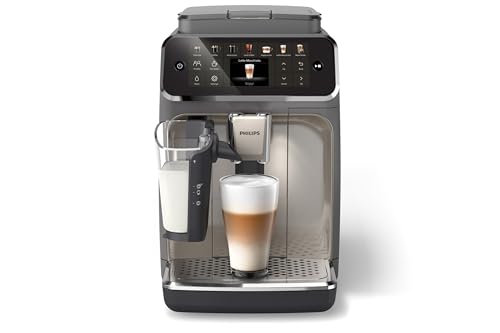
Philips 4400 Series Fully Automatic Espresso Machine LatteGo Milk System

AIRMSEN 20 Bar Espresso Machine with Automatic Milk Frother
More Details On Our Top Picks
Counter space matters here, and this XIXUBX keeps its footprint modest while still aiming at espresso and cappuccino basics. The 3.5-bar setup, steam wand, and one-touch 4-cup brewing point it toward quick weekday drinks more than careful café-style ritual.
The Tritan cup adds a practical touch for regular use in a home office or dorm-style kitchen, and the safety lock is reassuring for a busy counter. The honest trade-off is that a 3.5-bar machine sits well below higher-pressure picks, so you should expect a gentler result rather than a more forceful shot.
Strong Points
- Small body fits tight counters without crowding a sink or toaster.
- One-touch 4-cup brewing helps during rushed mornings.
- Steam wand gives you a basic path to milk drinks.
- Tritan cup is a practical match for everyday handling.
Points To Note
- 3.5-bar pressure is more entry level than specialty focused.
- Milk texturing will feel simpler than on higher-output machines.
- Small-format parts can need more careful cleaning after foaming.
Core Details
Who It Suits Best
Home coffee beginners and office setups with limited counter space get the most from this compact format.
A Better Fit Elsewhere
Chefman CraftBrew Espresso Machine 15-Bar Pump Digital Espresso Maker suits you better when stronger pressure and a fuller feature set matter more than a tiny footprint.
This De’Longhi leans more polished than the tiny starter machines around it, especially with the pressure gauge front and center. That gauge gives you a clearer read on extraction, which helps once you want a steadier espresso routine instead of guessing by sound and timing.
The adjustable milk frother and preset single or double espresso options make it a sensible step up for home kitchens that see coffee duty every day. It does ask more attention than a fully automatic model like the Philips 4400 Series, but that trade-off often suits people who want more control without going all the way to a grinder-tied system.
What We Like
- Pressure gauge gives you a clearer visual cue during brewing.
- Preset single and double espresso buttons simplify routine shots.
- Adjustable frother helps you shape milk texture to taste.
- Compact design keeps it realistic for smaller counters.
Softer Spots
- Hands-on use means more attention than a fully automatic setup.
- Frothing and cleanup add a bit of daily upkeep.
- Space-saving design still needs room for cup handling and milk work.
Feature Snapshot
Whose Shelf It Belongs On
Hands-on home baristas who want a more controlled machine without a bulky footprint will appreciate this one.
Where A Sibling Pick Shines
Philips 4400 Series Fully Automatic Espresso Machine LatteGo Milk System fits better for people who want drinks handled with less manual input.
Compared with the De’Longhi, this Chefman pushes harder on pressure and convenience, which makes sense for milk drinks and fuller-bodied espresso. The digital control layout gives you a cleaner operating feel, and the 1.5L removable water reservoir means fewer refill breaks in a busy kitchen.
Stainless steel on the outside usually feels more durable in daily use, although it can still show fingerprints and needs regular wiping. You may like this most if you make cappuccinos or lattes often and want a machine that feels more substantial without jumping to a fully automatic format.
Highlights
- 15-bar pump gives you a stronger pressure profile than entry-level units.
- Digital controls make routine operation feel straightforward.
- 1.5L removable reservoir reduces how often you refill.
- Steam wand supports both latte and cappuccino foam work.
- Stainless steel body fits a kitchen with heavier daily use.
Small Caveats
- Digital styling may feel more involved than a very basic knob layout.
- Removable parts still need regular rinsing to stay tidy.
- Compact build helps space, but the metal shell still has presence on the counter.
Details At A Glance
Best Suited To
You get the most from this pick in a household that makes milk-based espresso drinks several times a week.
Swap It Out When
XIXUBX Compact Espresso & Cappuccino Machine 3.5 Bar with Steam Wand fits better for tighter spaces and simpler drink routines.
The KEENSTAR follows the same compact idea as the XIXUBX, but it leans into a very straightforward 4-cup format with preheat support. That makes it feel like a no-drama option for quick mornings, especially in a small apartment where every inch of counter space has a job.
The 800W output and milk frother steam wand keep it squarely in the simple home espresso zone. The trade-off is easy to see, though: this is not the machine for a deep menu of espresso adjustments, and the gentler pressure profile favors convenience over fine-tuned coffee texture.
Bright Spots
- Compact shape suits kitchens that can’t spare much room.
- Preheat support helps the routine feel faster to start.
- 4-cup capacity works well for a couple of drinks in a row.
- Steam wand gives you basic milk-drink flexibility.
Areas To Watch
- More basic pressure means simpler results than higher-end picks.
- Milk frothing will ask for a light touch and some practice.
- Small format usually means closer attention to cleaning after each use.
Feature Card
Who Will Love This
Apartment dwellers and casual coffee makers who want a compact, uncomplicated machine will feel at home here.
Look Elsewhere When
Chefman CraftBrew Espresso Machine 15-Bar Pump Digital Espresso Maker suits you better for stronger pressure and a more polished control set.
This XIXUBX is the step-up model in the group, and the 20-bar pump plus PID control make that clear. PID, or proportional-integral-derivative control, is a temperature management system that helps hold heat steadier, which matters when you want repeatable espresso instead of a wandering cup.
Low vibration is a nice touch for open kitchens or shared apartments, because the machine should feel calmer on the counter than a rattlier unit. The trade-off is that this is a more involved espresso machine than the 3.5-bar XIXUBX model, so it suits you best once you want tighter control and are happy to spend more attention on your drinks.
Reasons To Buy
- 20-bar pump pushes this into a more serious espresso setup.
- PID control helps temperature stay steadier from shot to shot.
- Low vibration is welcome in shared spaces.
- Milk frother supports lattes and cappuccinos with more flexibility.
Trade Offs
- More capable brewing usually means a steeper learning curve.
- Extra control can add setup time on rushed mornings.
- Small-kitchen users still need room for the frothing workflow.
Quick Facts
Built With In Mind
Serious home espresso drinkers who want more control in a compact format will get the most from this machine.
Another Choice May Suit
XIXUBX Compact Espresso & Cappuccino Machine 3.5 Bar with Steam Wand fits better for simpler brewing and lower day-to-day effort.
This Philips changes the pace completely, because the integrated grinder and fully automatic format take over much of the drink-making work. LatteGo, the milk system here, is built for simpler milk handling, so you spend less time managing separate frothing steps and more time getting on with the morning.
There are 12 hot and iced coffee presets, which is handy in a household where tastes shift from day to day. The honest read is that a fully automatic machine asks more from your counter and budget than a semi-automatic pick like the Chefman or XIXUBX units, but the convenience bump is easy to understand.
Upsides
- Integrated grinder removes a separate grinder from the setup.
- 12 presets widen your drink options without extra guesswork.
- LatteGo milk system simplifies frothing and cleanup.
- Quick start and SilentBrew support easier everyday use.
Room For Improvement
- Fully automatic design brings more bulk than compact semi-automatic picks.
- More moving parts can mean more upkeep over time.
- It may feel like more machine than a casual espresso household needs.
Spec Overview
Perfect Match For
Busy households that want variety with less hands-on effort will appreciate this machine most.
Reach For A Different Pick When
De’Longhi Classic Signature Espresso Machine Adjustable Milk Frother suits you better if you want a smaller, more manual route into espresso.
The AIRMSEN has a more ambitious spec sheet than the compact starter models, starting with 20-bar pressure and a dual-boiler setup. Dual boiler means two heating systems can handle brew and steam tasks separately, which usually helps a machine feel more ready for back-to-back cappuccinos and lattes.
The 60oz water tank and touchscreen make this feel suited to regular drink-making in a house with multiple coffee drinkers. The stainless steel finish adds a sturdier visual note, though the larger footprint and more advanced layout may be more than a minimalist kitchen wants to host.
Best Bits
- 20-bar pressure supports a stronger espresso style.
- Dual boiler setup suits back-to-back brewing and steaming.
- 60oz tank reduces refill frequency for steady use.
- Touchscreen controls make the interface feel modern and direct.
- Automatic milk frother lowers the effort for milk drinks.
Honest Caveats
- Larger format takes more room than the compact picks above.
- More capable hardware usually brings more cleaning points.
- Touchscreen controls may feel like more machine than a very casual setup needs.
At A Glance
The Right Fit
You get the most from this machine in a busy kitchen that needs speed, milk automation, and a larger reservoir.
Skip It When
KEENSTAR 3.5Bar Espresso Machine 800W Compact 4-Cup Espresso Maker Preheat suits a smaller counter and a lighter coffee routine better.
How To Choose The Right Cappuccino Espresso Coffee Machines
Pressure And Heat Control Matter More Than Marketing
Pressure affects how strongly water moves through the coffee puck, and bar is the unit most machines use for that figure. Higher numbers usually point to a more espresso-like extraction, but the rest of the machine matters too, especially heat stability and how well the steam wand handles milk.
For simple cappuccino habits, a compact unit can be enough. For thicker texture and more repeatable shots, higher-pressure picks like the XIXUBX 20-bar model or AIRMSEN feel more suited to a daily routine.
Manual, Semi-Automatic, Or Fully Automatic
Semi-automatic machines give you more control over timing, shot choice, and milk work. That suits you if making coffee is part routine and part ritual.
Fully automatic models, like the Philips 4400 Series, trade some control for convenience. They fit households that want multiple drink styles without juggling a grinder, tamper, and separate frothing steps.
Milk Handling Changes The Whole Experience
Steam wands are better for people who want to shape foam by hand. They ask more attention, but they also give you more say over texture.
Automatic frothers and integrated milk systems reduce steps and cleanup. That works well in busy mornings, though some foam fans still prefer the manual path because it leaves more room for adjustment.
Counter Space And Capacity Should Be Decided Together
A small machine can fit neatly, but a tiny reservoir may mean more refills than you want. A larger tank, such as the AIRMSEN’s 60oz reservoir, is practical for a household that makes several drinks back to back.
Meanwhile, compact options like the KEENSTAR or XIXUBX starter model suit narrow counters and lighter schedules. The best fit is the one that matches both your space and your refill tolerance.
Things Worth Knowing First
Mistakes Worth Dodging
One common miss is buying for pressure alone and ignoring milk handling. That usually leaves you with a machine that can brew espresso but feels awkward for cappuccinos.
Another slip is underestimating counter depth, especially with front-facing steam wands, water tanks, and cup clearance. Compact machines help, but the workflow still needs room.
Why Top Tier Costs More
Higher-tier models often include better temperature control, automatic milk systems, integrated grinders, or dual-boiler layouts. Those parts add convenience and usually shorten the path from beans to cup.
You see that in the Philips and AIRMSEN picks, which ask for more space and money because they remove steps from the routine. That upgrade makes sense for busy kitchens, less so for a once-a-day coffee habit.
Frequently Asked Questions
What pressure level works well for cappuccino at home?
For a richer espresso base, 15-bar to 20-bar machines are usually the more flexible starting point. Lower-pressure models can still work, but they lean simpler and are better suited to casual use.
Do automatic milk systems make cleanup easier?
Usually, yes, because they reduce the number of separate parts you handle during frothing. They still need regular rinsing, so they simplify the routine rather than removing upkeep entirely.
Is a built-in grinder worth it?
It helps most when you want fewer separate tools on the counter and a more streamlined routine. A separate grinder still makes sense for people who already own one or want to keep the machine smaller.
How much water tank capacity should you look for?
Larger tanks work better for households making several drinks in a row or for small office use. A compact tank can still be fine for one or two cups at a time.
Do compact espresso machines still make milk drinks?
Yes, as long as they include a steam wand or frother. The foam style usually feels simpler than on larger machines, so they suit everyday cappuccino use more than café-level customization.
Closing Thoughts
Your best match depends on how much control you want and how much room you can spare. For a tiny kitchen, the XIXUBX or KEENSTAR models keep things simple and tidy. For more control, the De’Longhi and Chefman step up the routine without becoming oversized. For hands-off variety, the Philips and AIRMSEN bring more automation to the table, and that can be worth it in a busy home.
