

Cappuccino at home gets a lot easier when the machine fits your counter, your routine, and your patience level. Some setups lean toward hands-on control, while others shave steps off the morning rush, and the right choice depends on how you actually make coffee day to day.
This roundup focuses on seven machines that cover compact starter setups, grinder-included picks, and more automated options. You’ll see clear trade-offs, because a machine that suits a small apartment rarely behaves like one built for a busy household.
Quick Look at the Shortlist

De’Longhi La Specialista Arte Evo Espresso Machine with Coffee Grinder

XIXUBX Compact Espresso & Cappuccino Machine

De’Longhi Classic Signature Espresso Machine, Adjustable Milk Frother

KEENSTAR 3.5Bar Espresso Machine 800W

Ninja Luxe Café Pro Series ES701
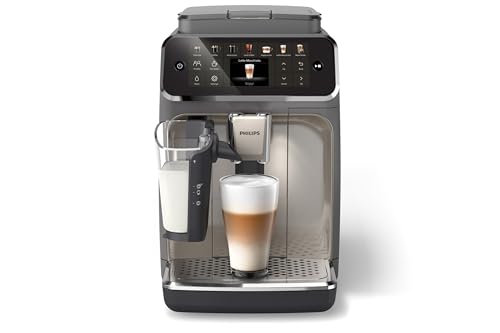
Philips 4400 Series Fully Automatic Espresso Machine EP4444/90

AIRMSEN 20 Bar Espresso Machine with Automatic Milk Frother
More Details On Our Top Picks
That built-in grinder changes the routine a lot, especially for someone who wants fewer separate tools on the counter. The machine also brings four preset drinks, so your morning shot doesn’t need much fiddling once you settle on a grind and dose.
The milk frother and barista toolkit push it toward a more engaged home setup, which suits people who like learning the process instead of outsourcing it to full automation. It does ask for more attention than the simpler machines below, and that trade-off makes sense for a kitchen where espresso is a hobby, not a chore.
Strong Points
- Built-in grinder keeps your setup tighter and cuts one extra device from the counter.
- Four preset drinks simplify repeat mornings once you settle on your preferred grind and milk style.
- The included frothing tools support a more hands-on cappuccino routine.
- The compact footprint helps in kitchens where space matters more than showmanship.
Things To Consider
- It asks for more skill and attention than the more automatic machines in this list.
- Cleaning a grinder-plus-frother setup usually takes a bit more routine maintenance.
- Shoppers who want the least possible daily effort may prefer a simpler automatic model.
Quick Facts
Who It Suits Best
You’ll like this most if you want an espresso setup that feels closer to a small home bar than a one-touch appliance.
A Better Fit Elsewhere
Philips 4400 Series Fully Automatic Espresso Machine EP4444/90 suits you better when daily convenience matters more than manual control.
Counter space is the whole story here, and this machine keeps its footprint modest while still covering espresso and cappuccino duties. The 3.5 bar pressure and 800W heating put it in the simple starter lane, which is often enough for a dorm, office nook, or a kitchen that doesn’t need a bulky setup.
The Tritan cup adds a practical touch, since Tritan is a durable plastic known for its lightweight feel and clear finish. The honest read is that this one suits straightforward milk drinks more than deep espresso tinkering, so you may find it a better match for convenience than precision.
Highlights
- Compact body fits tight counters, shared desks, and smaller apartments.
- One-touch four-cup brewing helps you move through a simple morning routine.
- Steam wand support covers cappuccino foam and basic latte prep.
- The safety lock and Tritan cup add practical day-to-day usability.
Small Caveats
- Three-point-five bar pressure sits well below the higher-pressure machines in this roundup.
- The simpler design suits basic milk drinks more than dialed-in espresso control.
- A smaller setup can mean more frequent water refills during heavier use.
At A Glance
Who Will Love This
This is a smart fit for a beginner, an office user, or anyone who wants cappuccino basics without a crowded counter.
Swap It Out When
De’Longhi La Specialista Arte Evo Espresso Machine with Coffee Grinder makes more sense for you once grinder control and drink variety move higher on the list.
This one trims away some of the complexity that shows up in the Arte Evo, while still keeping the espresso path familiar. The preset single and double options help your routine feel consistent, and the pressure gauge gives you a useful visual cue instead of leaving everything to guesswork.
The adjustable frother is handy in a household where one person wants dense foam and another prefers something lighter. In most kitchens, that mix of control and a compact footprint lands in a comfortable middle ground, though the machine still asks more from you than a fully automatic unit.
Upsides
- Preset single and double espresso buttons help keep repeat drinks consistent.
- The pressure gauge gives a clearer read on extraction than a plain button layout.
- Adjustable frothing supports different milk textures for cappuccinos and lattes.
- The compact body suits counters that cannot spare much width.
Worth Noting
- It still sits in the hands-on semi-automatic lane, so daily use takes a little attention.
- Milk wand cleaning is part of the routine, as with most frother-equipped machines.
Feature Snapshot
The Right Fit
You’ll appreciate this machine most if you want espresso control without moving up to a grinder-heavy setup.
Another Choice May Suit
Philips 4400 Series Fully Automatic Espresso Machine EP4444/90 fits better for households that want less hands-on work from shot to foam.
KEENSTAR keeps things simple, and that simplicity is the point. The 3.5 bar setup, 800W heating, and compact four-cup format make it easy to imagine in a starter kitchen where cappuccino is more about convenience than fine-tuned espresso craft.
The preheat function helps the machine feel less fussy during a rushed morning, and the steam wand gives you the basic path to milk foam. The trade-off shows up in the pressure level, so this is better viewed as a practical entry option than a machine for someone chasing café-style precision.
Best Bits
- Compact size suits cramped counters, shared apartments, or a first coffee station.
- Preheat support helps cut down the wait before brewing.
- The steam wand handles cappuccino foam and simple latte work.
- Four-cup capacity makes small batches straightforward.
Points To Note
- Lower pressure places it below the more capable machines in this roundup.
- It is better for basic milk drinks than for deep espresso customization.
- Smaller, simpler machines often need a little more attention to keep the wand clean.
Details At A Glance
Built With In Mind
This suits someone setting up a first cappuccino machine or filling a very small kitchen.
Look Elsewhere When
XIXUBX Compact Espresso & Cappuccino Machine is the better match when you want a similarly small footprint with extra convenience touches.
The appeal here is breadth, not just espresso. Alongside espresso, you get drip coffee, cold brew, hot water, a built-in grinder, an integrated tamper, and a hands-free frother, so the machine makes sense in a kitchen that serves different drinks all week long.
That range helps cut down on countertop clutter, especially for households that would otherwise keep several appliances around. It does ask for more counter commitment than the smaller picks, and the real benefit shows up most clearly for people who want one machine to cover a lot of habits.
Reasons To Buy
- Multiple brew styles reduce the need for separate coffee appliances.
- The built-in grinder and integrated tamper support a smoother workflow.
- Hands-free frothing is useful when you make milk drinks often.
- It handles dairy and non-dairy milk, which helps in mixed households.
Softer Spots
- The larger footprint asks for more permanent counter space.
- Its many functions may feel like overkill for a single daily cappuccino.
- More capabilities usually mean more parts to clean and keep organized.
Core Details
Whose Shelf It Belongs On
You’ll get the most from this machine in a busy kitchen where different people want different drinks.
Reach For A Different Pick When
De’Longhi Classic Signature Espresso Machine, Adjustable Milk Frother is the cleaner fit for someone who wants a smaller, more focused espresso setup.
This is the easiest-living option in the group, and the appeal starts with the fully automatic format. The LatteGo milk system, integrated grinder, and 12 hot-and-iced presets reduce the number of decisions you need to make before your first sip.
SilentBrew should matter most in homes where early-morning noise travels, and the quick-start behavior helps the machine feel ready without much ceremony. The honest read is that it gives up some hands-on control, so espresso hobbyists may miss the more tactile feel of the De’Longhi machines.
Positives
- Fully automatic operation keeps the daily routine simple.
- LatteGo milk handling suits cappuccinos, lattes, and similar drinks.
- 12 presets give you more drink variety without manual tweaking.
- Integrated grinding means less gear to manage on the counter.
Areas To Watch
- The more automatic feel leaves less room for manual espresso tuning.
- A feature-rich machine like this usually needs regular cleaning of the brew and milk paths.
- People who enjoy hands-on shot pulling may prefer a semi-automatic model instead.
Technical Sheet
Made For
This suits a busy household that wants espresso and milk drinks with the least day-to-day effort.
Where A Sibling Pick Shines
De’Longhi La Specialista Arte Evo Espresso Machine with Coffee Grinder is the better call for a home bar setup where you want more control and a less automated feel.
High pressure, a dual boiler layout, and an automatic milk frother make this one feel built for speed and consistency. The 1350W and 1000W heating setup points to a machine that can manage brewing and milk work with less waiting around, which matters on mornings where everyone wants something different.
The stainless steel body and 60-ounce water tank add to the practical feel, especially in a household that runs several cups before lunch. One thing worth considering is that a touchscreen can feel very convenient or very unnecessary depending on how much you want to interact with the machine.
Bright Spots
- 20-bar pressure gives the machine a strong spec profile for espresso and milk drinks.
- Dual boiler design helps separate brew and milk tasks.
- The 60-ounce tank reduces refill interruptions during heavier use.
- Touchscreen control keeps the front panel clean and simple to read.
Honest Caveats
- The feature set makes more sense for frequent use than for an occasional weekend cup.
- Touch controls may suit some kitchens better than others.
- More power and more parts can mean a busier cleaning routine.
Feature Rundown
Perfect Match For
This is a strong fit for milk-drink households that want quick workflow and a more assertive espresso setup.
Not Your Match When
XIXUBX Compact Espresso & Cappuccino Machine is easier to live with in a very small kitchen or office corner.
How To Choose The Right Cappuccino Coffee Machines
Match the machine to your daily rhythm
Cappuccino machines split into a few clear camps: compact semi-automatic units, grinder-included setups, and fully automatic models. The first group gives you more control, the second trims down separate equipment, and the third does the most work for you. Your best fit depends on whether you want a morning ritual or a fast result.
Pressure matters too, but only after you decide how much control you want. Lower-pressure machines like the smaller starter models are easier to approach, while stronger setups tend to suit people who want a richer espresso base and more room to fine-tune the cup. That extra flexibility usually comes with more cleanup and more decisions.
Think about milk drinks, not just espresso
A cappuccino machine lives or dies by the frothing setup, because milk texture changes the whole drink. Manual steam wands give you control and a bit of practice time, while automatic milk systems save effort and keep things more repeatable. The right answer depends on whether you want to learn foam or simply make it.
Households with oat, almond, or dairy milk can benefit from a machine that handles different textures cleanly. Hands-free frothers and automatic milk systems are easier for busy kitchens, but they can reduce the tactile feel that some espresso fans enjoy. That trade-off is worth accepting only when convenience matters more than hands-on control.
Make counter space part of the decision
Small apartments and shared offices usually do better with compact machines that keep the footprint tight. Bigger combination machines can handle more drink styles, but they ask for more room and usually a more permanent spot. The machine should fit the kitchen you have, not the one in your head.
Cleaning habits matter just as much. Grinder chambers, milk systems, and steam wands all add upkeep, and a machine that looks simple on day one can feel busy by week three. A model with fewer parts can be easier to live with, even if it gives up some drink variety.
A Quick Reality Check
Common Shopping Slip Ups
A lot of people focus on pressure alone and miss the rest of the machine’s personality. That’s a common mistake, because milk handling, size, and cleanup often decide whether the setup feels smooth or annoying.
Another slip-up is choosing a feature-heavy model for a quiet routine with only one or two drinks a day. In that case, a smaller semi-automatic machine usually makes more sense, and the extra functions on a larger unit can just sit there.
The Upgrade Payoff
Higher-tier machines often cost more because they bundle the grinder, milk system, and brew controls into one shell. You’re paying for fewer separate appliances, more automation, and usually a better shot at repeatable drinks.
That upgrade pays off most in homes that make cappuccinos, lattes, and espresso every day. For occasional use, a simpler model may feel more sensible, since you’re not paying for automation you won’t lean on.
Frequently Asked Questions
What pressure works well for cappuccino machines?
A higher pressure machine usually gives you more headroom for espresso-style drinks, while lower-pressure models fit basic home use. The right level depends on whether you want convenience or more control over the cup.
Do you need a built-in grinder?
You don’t need one, but it does simplify the counter and keeps grinding inside the same machine. Separate grinders still appeal to people who want more control over the grind.
Are automatic milk systems worth it?
They’re worth it for busy kitchens and households that make milk drinks often. Manual steam wands suit people who enjoy shaping the foam themselves.
What size water tank makes sense?
A larger tank helps when several cups happen back to back. Smaller tanks work fine for solo use or light morning routines.
Is a combo machine better than a dedicated espresso setup?
A combo machine makes sense when you want drip coffee and espresso from one body. A dedicated setup is better when your focus stays on cappuccinos and espresso shots.
Final Thoughts
You have a lot of workable paths here, and the right one depends on how much control you want over the cup. The De’Longhi and Philips models suit different kinds of home espresso routines, while the compact XIXUBX and KEENSTAR picks keep things simple for smaller spaces. Ninja stands out for households that want several drink styles in one machine, and AIRMSEN leans toward faster, more feature-heavy use. Choose the machine that fits your counter and your habits, and the rest gets easier pretty quickly.
