

You want espresso that feels consistent without turning your morning into a project. These seven machines cover very different routines, from a compact bean-to-cup setup for a small counter to fuller-featured models with milk systems and more preset drinks.
The right choice depends on how much control you want, how often you make milk drinks, and how much cleanup you’re willing to take on after the cup. That’s where this roundup helps, because the differences are practical, not cosmetic.
Quick Look At The Seven Picks

De’Longhi La Specialista Arte Evo Espresso Machine with Coffee Grinder
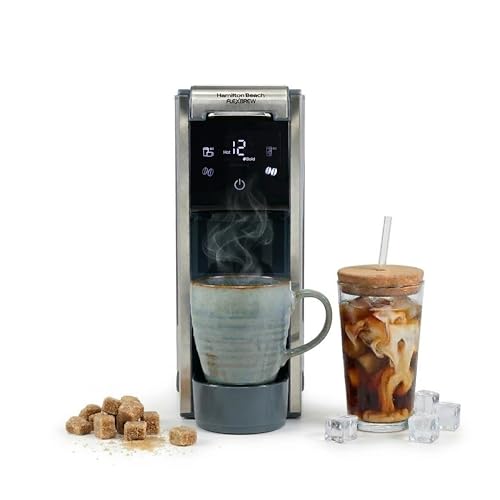
Hamilton Beach FlexBrew Advanced 4-in-1 Single Serve Coffee Maker
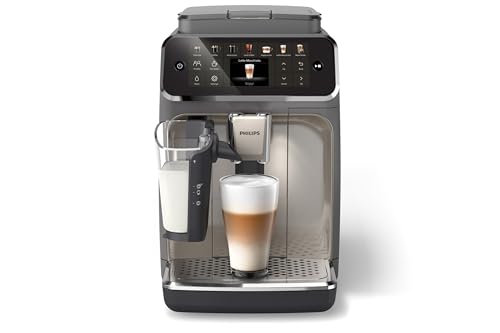
Philips 4400 Series Fully Automatic Espresso Machine, LatteGo Milk System
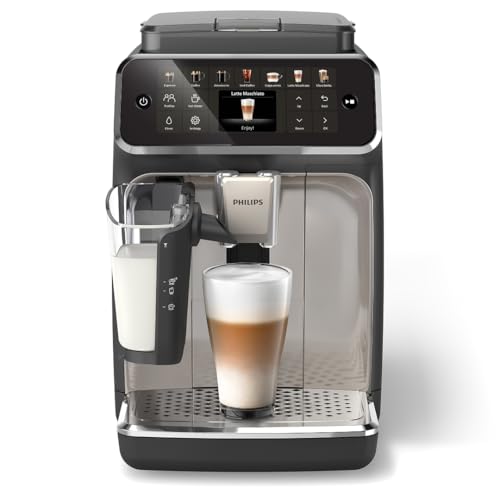
Philips 4400 Series Fully Automatic Espresso Machine, LatteGo Milk System

De’Longhi Magnifica Start Automatic Espresso Machine, Milk Frother

PHILIPS 5500 Series Fully Automatic Espresso Machine, LatteGo Milk System

PHILIPS Baristina Espresso Machine, Grind, Tamp & Brew Coffee Beans
More Details On Our Top Picks
This De’Longhi leans toward people who enjoy a more hands-on espresso routine. The built-in grinder, four preset recipes, and included barista toolkit make it feel closer to a compact workstation than a simple push-button machine.
You may appreciate that balance in a kitchen where one cup matters more than speed. The silver finish keeps the look restrained, and the milk frother gives you room for cappuccino-style drinks without adding another appliance.
Strong Points
- Built-in grinding keeps your setup streamlined.
- Four preset recipes cover the basics without clutter.
- The barista toolkit supports a more precise routine.
- Milk frothing gives you room for layered drinks at home.
Things To Consider
- The hands-on style asks for more counter attention than a simpler one-touch machine.
- Cleanup tends to feel more involved than on pod-based brewers.
- Morning speed may matter more to you than adjustment range.
Feature Snapshot
Who It Suits Best
Home espresso fans who want a more tactile routine and enjoy dialing in drinks will get the most from this machine.
Where A Sibling Pick Shines
De’Longhi Magnifica Start Automatic Espresso Machine, Milk Frother suits someone who wants a simpler path to everyday espresso with less hands-on involvement.
This Hamilton Beach choice sits apart from the espresso-first machines above because it’s built for single-serve flexibility. It handles pods and grounds, and that makes it useful in kitchens where different people want different kinds of coffee without negotiating over one style.
The removable 45-ounce reservoir helps in a daily routine because fewer refills usually mean fewer interruptions. Hot and iced brewing options keep it useful through the seasons, although espresso purists will likely prefer one of the De’Longhi or Philips models.
Highlights
- Works with both pod packs and grounds.
- Single-serve format suits quick household routines.
- Hot and iced brewing broadens the day-to-day range.
- The removable reservoir simplifies refilling.
Small Caveats
- It serves a wider coffee role than a true espresso machine, so expectations matter.
- Single-serve use can feel less suited to larger households with many back-to-back cups.
- The design favors convenience over the richer espresso path found in bean-to-cup picks.
Quick Facts
Made For
Households that want one machine for quick solo cups and a flexible morning setup will find this fit practical.
A Better Fit Elsewhere
Philips Baristina Espresso Machine, Grind, Tamp & Brew Coffee Beans is the stronger match for someone focused on espresso from whole beans in a smaller footprint.
Philips gives you the most drink variety in a fairly approachable format here. The integrated grinder, LatteGo milk system, and 12 hot-and-iced presets make it a strong fit for households where one person wants espresso and another wants a milk drink.
SilentBrew is the feature that matters most in early mornings, because a quieter machine fits shared spaces better than a noisy one. The 15-bar pressure spec also keeps it in the standard espresso lane, while the trade-off is that more features usually mean more to learn.
Upsides
- 12 preset drinks give you useful variety.
- LatteGo keeps milk preparation more approachable.
- The integrated grinder keeps beans close to the brew path.
- SilentBrew suits apartments and family kitchens.
- Hot and iced options cover more routines.
Areas To Watch
- More drink options can mean a longer learning curve at the start.
- The feature set is broader than the simpler Magnifica Start.
- Milk-focused households will still need regular cleaning attention.
Details At A Glance
Whose Shelf It Belongs On
Households that split time between espresso, milk drinks, and iced recipes will get the most mileage from this one.
Swap It Out When
De’Longhi La Specialista Arte Evo Espresso Machine with Coffee Grinder is the better fit for someone who wants a more tactile, café-style workflow.
This Philips variant looks close to the previous 4400 Series model, but the quick-to-clean LatteGo system pushes it toward simpler upkeep. For busy kitchens, that difference matters because milk systems can otherwise become the part people postpone.
The ceramic grinder is a useful detail for routine use, since ceramic burrs are commonly chosen for steady grinding and slower wear. Pair that with SilentBrew and QuickStart, and you get a machine that feels aimed at households that want less fuss before the first cup.
Best Bits
- Quick-to-clean milk handling reduces the morning cleanup burden.
- Ceramic grinder material suits repeat daily use.
- QuickStart helps the machine fit rushed routines.
- SilentBrew is easier on shared spaces.
Worth Noting
- It still sits in a feature-rich category, so the setup is more involved than a basic brewer.
- The broader drink range can be more than some households need.
- Milk systems always ask for regular attention, even on easier-clean designs.
Core Details
The Right Fit
You’ll get the most value here in a home that wants milk drinks without a lot of cleaning drama.
Consider Something Else When
PHILIPS Baristina Espresso Machine, Grind, Tamp & Brew Coffee Beans in One Swipe suits a smaller kitchen that wants a simpler espresso setup.
This Magnifica Start keeps the formula simpler than the La Specialista Arte Evo, and that can be exactly right for a first automatic espresso setup. Five one-touch recipes and a built-in grinder give you a cleaner path from beans to cup, without pushing you into a more hands-on routine.
The black finish stays understated, which helps in kitchens where the machine sits in plain sight. Easy-clean design language also matters in real use, because a machine that’s less annoying to maintain tends to get used more often.
Positives
- Five one-touch recipes make daily use straightforward.
- The built-in grinder keeps the brewing process self-contained.
- Milk frothing gives you access to latte-style drinks at home.
- The simpler layout makes it friendlier for new espresso routines.
Honest Caveats
- It offers less drink variety than the Philips 5500 Series.
- The machine is more about convenience than deep manual control.
- Milk frother care still adds another step to cleanup.
Feature Rundown
Built With In Mind
Newer espresso machine owners and anyone who wants a simpler morning routine will feel at home with this model.
A Better Fit Elsewhere
Philips 5500 Series Fully Automatic Espresso Machine, LatteGo Milk System suits a household that wants more preset drinks and a wider feature spread.
The 5500 Series feels like the most expansive Philips option in this list, mainly because of the 20 hot-and-iced presets. That makes it a good match for homes where coffee habits change from person to person, or even cup to cup.
LatteGo, the integrated grinder, QuickStart, and SilentBrew create a very complete package for daily use. The trade-off is obvious though, because a wider menu usually means you’ll spend more time learning the controls and keeping the machine tidy.
Reasons To Buy
- Twenty presets give you broad drink variety.
- LatteGo keeps milk drink prep approachable.
- SilentBrew suits quiet mornings and shared rooms.
- QuickStart helps the machine fit a hurried schedule.
- The integrated grinder keeps beans and brewing together.
Points To Note
- The larger feature set may feel more involved than the 4400 Series models.
- More presets usually mean more cleaning and maintenance attention.
- The machine makes the most sense when several people use different drinks.
Technical Sheet
Perfect Match For
Busy kitchens with several coffee preferences and a regular milk-drink habit are the strongest fit here.
Look Elsewhere When
De’Longhi Magnifica Start Automatic Espresso Machine, Milk Frother is the simpler choice for someone who values straightforward use over a larger menu.
Baristina is the smallest-feeling path in this roundup, and that matters more than the spec list suggests. Grinding, tamping, and brewing in one swipe keeps the routine short, which is handy in tight kitchens or for someone who wants espresso without building a large coffee station.
The ash wood portafilter adds a softer visual touch, while the 16-bar pump pressure gives it a stronger pressure rating than the lower-key shape might suggest. The trade-off is straightforward, though, because compact machines usually give up some flexibility for that smaller footprint.
What We Like
- Compact size helps it fit tighter counters.
- The one-swipe workflow keeps the routine short.
- Grinding, tamping, and brewing happen together.
- The ash wood portafilter gives the machine a warmer look.
Room For Improvement
- The smaller format may feel limiting for households that want lots of drink choices.
- Compact machines often ask you to accept less flexibility.
- It suits espresso focus more than milk-heavy routines.
Core Details
Right Fit For
Small kitchens, studio apartments, and espresso-first setups are the natural home for this pick.
Another Choice May Suit
PHILIPS 5500 Series Fully Automatic Espresso Machine, LatteGo Milk System suits you better if preset variety and milk-drink range matter more than compact size.
How To Choose The Right Automatic Espresso Coffee Machines With Grinder
Start With Your Daily Drink Habit
Your best match depends on how you actually drink coffee, not on the longest feature list. A household that sticks to straight espresso can stay happy with a simpler machine like De’Longhi Magnifica Start, while a home with latte and iced drink fans gets more value from the Philips LatteGo models.
Grinder type, milk system, and preset count all affect how much you touch the machine each morning. That extra control feels rewarding for some people, but in a rushed kitchen it can become clutter.
Match The Machine To Your Counter Space
Size matters more than it first seems, especially in galley kitchens or shared apartments. Philips Baristina keeps a compact footprint, while the larger fully automatic models ask for more room around the water tank, bean hopper, and milk parts.
Space also affects cleanup access. A machine that fits too tightly against a wall quickly becomes annoying to refill and wipe down.
Think About Milk Drinks And Cleanup
LatteGo on the Philips machines is worth paying attention to because milk systems can be the messiest part of the routine. A design that’s easier to rinse usually gets used more often, which matters in homes where you want coffee before work, not a kitchen project.
De’Longhi’s frother style gives you more manual control, but it also asks for more attention. That trade-off is fine for a hands-on coffee setup and less appealing for someone who wants a quick rinse-and-go routine.
Don’t Ignore Learning Curve And Noise
More drink presets sound useful, but they also bring more menus, buttons, and setup steps. The Philips 5500 Series suits someone who wants variety, while the lower-touch Magnifica Start works better for people who just want a reliable morning cup.
Noise matters in shared homes and early starts. Philips SilentBrew and more contained workflows are better choices when you want the kitchen to stay calm.
What To Weigh Before You Decide
Wrong Turns To Avoid
It’s easy to overbuy feature count and end up with a machine that feels fussy. A huge preset list helps only when you actually switch drinks often, not when you mainly want one or two morning staples.
Another common mistake is overlooking cleanup. Grinder access, milk-system upkeep, and drip tray emptying all affect how pleasant the machine feels after the first week.
The Upgrade Payoff
Higher-tier machines usually cost more because they bundle better drink variety, fuller milk systems, and quieter operation. You’re paying for convenience layered on top of espresso, not just for stronger pressure numbers.
That upgrade makes sense in households with several coffee habits or in kitchens where the machine sees constant use. For simpler routines, a more modest model often gives you the better day-to-day fit.
Frequently Asked Questions
Do these machines need whole beans?
Most of the models here are built around integrated grinding, so whole beans are part of the normal routine. The Hamilton Beach FlexBrew Advanced stands apart because it also works with pods and grounds.
Which model is easiest for milk drinks?
The Philips 4400 and 5500 Series machines are the easiest fit for milk-focused routines because of the LatteGo system. De’Longhi models lean more hands-on through their frothing approach.
Is a bigger preset count always better?
No, a bigger preset count helps only when you really rotate between drinks often. A smaller menu can feel simpler and faster in an everyday kitchen.
Which pick works best in a small kitchen?
PHILIPS Baristina Espresso Machine, Grind, Tamp & Brew Coffee Beans is the clearest space-saving choice here. Its compact format suits tighter counters and narrower setups.
What should you clean most often?
The milk system, drip tray, and grinder area deserve the most regular attention. Machines with easier-clean milk parts, like the Philips LatteGo options, reduce the chore load a bit.
Closing Thoughts
Your best choice depends on how much control, cleanup, and drink variety you want to live with every day. De’Longhi suits a hands-on espresso routine, Philips covers the widest range of fully automatic setups, and Baristina keeps things compact. For a straightforward path, Magnifica Start stays easy to understand. Pick the machine that matches your kitchen rhythm, and the rest gets much simpler.
