

Busy offices, cafés, church kitchens, and service counters need coffee gear that keeps pace without turning into a project. This roundup focuses on Automatic Commercial Coffee Brewers that fit real workdays, from single-serve flexibility to multi-carafe volume and warming station setups. You’ll see which picks suit quick solo cups, which ones fit a steady breakfast rush, and which models make sense when serving a crowd matters more than countertop charm.
Quick Look At Our Shortlist
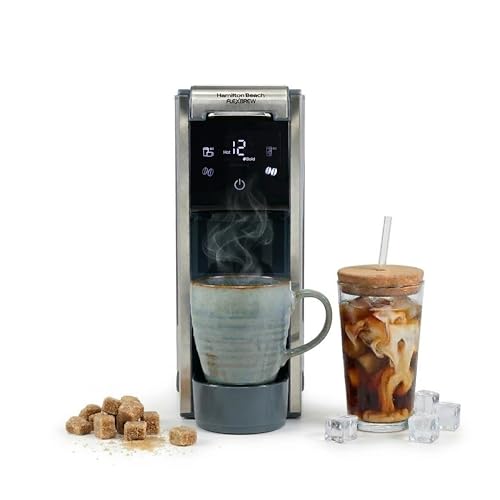
Hamilton Beach FlexBrew Advanced 4-in-1 Single Serve Coffee Maker
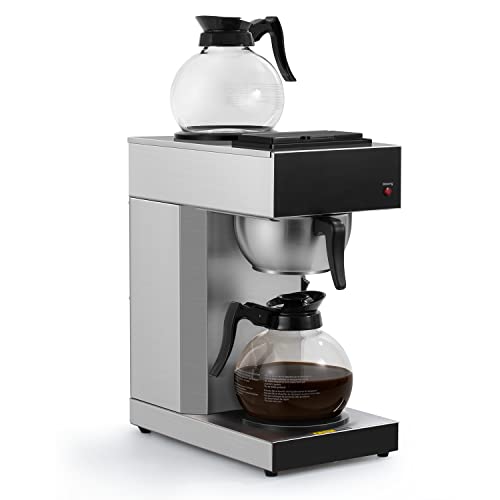
SYBO 12-Cup Commercial Pour Over Coffee Maker SF-CB-2GA

BUNN 04275.0031 VPS 12-Cup Pourover Commercial Coffee Brewer

BUNN 33200.0002 VPR-2EP 12-Cup Pourover Commercial Coffee Brewer
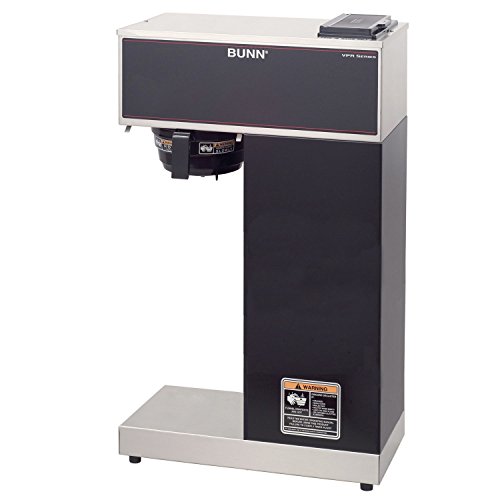
BUNN 33200.0010 VPR APS Commercial Pour Over Air Pot Coffee Brewer

NUPANT 12-Cup Coffee Maker 1.8L Commercial Drip Coffee Maker
More Details On Our Top Picks
For a desk area, breakroom, or small café nook, this Hamilton Beach model makes more sense than a full batch brewer. It handles pod packs and ground coffee, so you can serve people with different habits without adding another machine.
The removable 45 oz. reservoir helps reduce refill trips, which matters during a long morning rush. The trade-off is capacity, since single-serve brewing will never match the pace of the larger BUNN units later in this list.
Strong Points
- Four brewing paths give you useful menu flexibility without crowding the counter.
- Hot and iced output broadens the drink options for mixed office preferences.
- The removable reservoir makes filling and cleaning less awkward.
- Pod packs and grounds both work, so you can match supply to the day.
Things To Consider
- Single-serve output suits personal use better than continuous group service.
- The layout is more home-style than the stainless commercial brewers in this roundup.
- Frequent use in a shared space means the water tank will need regular attention.
Feature Snapshot
Who It Suits Best
You’ll get the most from this pick in a small office, studio, or break area where a few people want different brew styles.
Where A Sibling Pick Shines
BUNN 04275.0031 VPS fits a busier staff kitchen better, since it keeps more cups moving at once than a single-serve setup.
The SYBO takes a straighter path than the FlexBrew, and that simplicity helps in a small café or pantry counter. A stainless steel body and reusable brew basket point toward lower day-to-day fuss, especially where disposable parts get old fast.
The twin glass carafes are handy during a breakfast rush, since one can stay on serving duty while the other is being filled. You may find the glass format a little more delicate than insulated holding options, but the workflow stays easy to follow.
What We Like
- Reusable brew basket cuts down on paper-filter handling.
- Stainless steel construction feels well matched to commercial counters.
- The spray head helps spread water across the grounds more evenly.
- Two glass carafes support back-to-back serving without much juggling.
- Its no-nonsense shape keeps cleaning straightforward.
Worth Noting
- Glass carafes need more careful handling than metal holding vessels.
- The footprint suits compact service areas better than oversized breakrooms.
- Reusable parts still need regular washing to stay pleasant in daily use.
At A Glance
Made For
This fits small offices, cafés, and service counters that want a simple 12-cup brewer without extra complication.
Look Elsewhere When
BUNN 33200.0010 VPR APS suits longer holding periods better, since its air-pot setup fits serving windows that stretch past a quick refill cycle.
The three warming stations make this BUNN feel built for a steady service line, not a quiet side table. That matters in church kitchens, offices, and lunch counters where several pots may need to stay ready at once.
Compared with the SYBO, this one leans harder into holding capacity across multiple stations rather than keeping the footprint simple. The honest read is that it suits teams who need continuity more than a polished café look.
Upsides
- Three warming stations help you keep multiple pots ready.
- 12-cup output works well for recurring group service.
- Pourover design keeps installation needs relatively light.
- The layout supports a clear serve-and-replace rhythm.
Areas To Watch
- Multiple warmers mean more counter space than a simpler brewer.
- The setup makes more sense for serving routines than for occasional use.
- Moving between pots takes a little coordination during rush periods.
Core Details
Built With In Mind
Choose this for a communal kitchen, meeting hall, or lunch line where multiple hot pots need to stay within reach.
Another Choice May Suit
BUNN 33200.0002 VPR-2EP is easier to live with for teams that want two decanters instead of three warmers and a wider service station.
Two decanters give this BUNN a nice rhythm for small teams that refill often. You can keep one pot on serving duty while the other handles the next batch, which feels efficient in a staff kitchen or bakery counter.
Unlike the three-warmer VPS above, this version focuses on a simpler pot-handling pattern rather than extra hot stations. That makes it easier to understand at a glance, though you give up some holding flexibility.
Highlights
- Two easy-pour decanters support continuous rotation.
- 12-cup batch size fits common workplace serving needs.
- The design stays straightforward for staff learning the routine.
- Pourover operation keeps installation demands modest.
Points To Note
- Two decanters work best for shorter turnover cycles.
- You will still need a clear spot for moving hot pots safely.
- Service volume is more limited than larger multi-station setups.
Details At A Glance
Whose Shelf It Belongs On
This suits a café prep bar, breakroom, or catered service area where two pots cover the flow just fine.
Reach For A Different Pick When
BUNN 04275.0031 VPS is the better match for teams that need extra warming stations and a little more holding headroom.
The air-pot format changes the serving rhythm, and that’s the real reason this model stands apart from the decanter-based BUNN units. It suits longer stretches between refills, which helps in conference rooms, hotel breakfast areas, and self-serve stations.
You’re trading simple glass-pour convenience for a vessel style that can keep coffee ready for more spread-out service. That trade-off makes sense for teams that want less re-brewing during the middle of a rush.
Best Bits
- Air-pot holding fits extended serving windows.
- Pourover design keeps the setup straightforward.
- Works well in self-serve or semi-attended areas.
- Reduces the need to keep swapping smaller decanters.
Softer Spots
- The air-pot style asks for a different serving habit than glass pots.
- Some teams prefer the lighter feel of a standard decanter.
- The format makes most sense when the same batch serves for a while.
Feature Rundown
Right Fit For
You’ll appreciate this most in hotels, offices, and waiting areas where service happens over a longer window.
Swap It Out When
BUNN 33200.0002 VPR-2EP suits faster pot rotation better, especially for teams that prefer two decanters over an air-pot routine.
NUPANT aims at café and restaurant counters that want a practical 12-cup brewer with a fuller serving setup than the single-pot options. Two glass carafes and two warming plates give it a busier, more service-ready feel than the Hamilton Beach pick at the top of the list.
It also stands apart from the BUNN air-pot model, since it stays with a more familiar drip-and-carafe format. That makes it easier to slot into a routine where staff already know the handoff pattern.
Reasons To Buy
- Two carafes help keep a second pot ready for rotation.
- Two warming plates support staggered serving.
- 12-cup size works for small commercial routines.
- The stainless steel brewer body suits daily counter use.
Minor Gripes
- Glass carafes ask for the usual careful handling.
- The larger service layout needs more counter room than a compact brewer.
- Regular washing matters, especially in a busy café setting.
Spec Overview
The Right Fit
This is a sensible match for coffee bars, small restaurants, and service desks that want a familiar drip setup with extra holding room.
Skip It When
SYBO 12-Cup Commercial Pour Over Coffee Maker SF-CB-2GA is easier to manage in a smaller footprint, especially where stainless build and a simpler layout matter more than dual warming plates.
How To Choose The Right Automatic Commercial Coffee Brewers
Match Brew Style To Service Pace
Pourover brewers work well where you want flexibility and a simpler install, since they don’t depend on a water line. Single-serve units fit smaller shared spaces, while 12-cup commercial machines make more sense for recurring group service.
The right call comes down to how often coffee gets replaced and who is pouring it. A lobby station, staff room, and café counter each create a different rhythm, so the brewing format should follow that rhythm instead of fighting it.
Think About Holding, Not Just Brewing
A brewer’s job doesn’t end when the basket drains. Warmers, glass decanters, and air pots change how long coffee stays ready, and that matters more than many shoppers expect.
Glass pots are easy to read at a glance, but they call for more attentive handling. Air pots suit longer serving windows, while warming stations keep multiple batches within reach during a rush.
Count The Counter Space Honestly
Small counters need compact footprints, especially in offices and break areas where every inch matters. Extra warmers, spare carafes, and larger holding vessels all add to the real footprint.
That’s where the commercial BUNN models separate themselves from simpler home-style gear. More service capacity usually means more physical space, so you want the layout to fit the room before anything else.
Choose Materials With Cleaning In Mind
Stainless steel often suits a busy service area because it fits the setting and wipes down easily. Glass carafes are common too, but they reward careful handling and routine washing.
Reusable brew baskets also reduce small daily hassles. They still need cleaning, of course, but they cut down on ongoing filter handling and keep the workflow cleaner in a practical sense.
Things Worth Knowing First
Common Shopping Slip Ups
One common misstep is buying for cup count alone. A 12-cup brewer sounds generous, yet the holding setup can matter just as much in real use.
Another issue is overlooking how the coffee will be served. A glass decanter, warming station, and air-pot all change the rhythm, and the wrong one can slow down a busy counter.
What The Higher Tier Buys
More expensive commercial brewers usually bring stronger materials, more holding options, or a smoother service flow. That extra money often goes into stainless housing, multiple warmers, better vessel support, or a layout that stands up better to repeated use.
The upgrade makes sense in places where coffee is part of the routine rather than an occasional amenity. For a breakroom with steady traffic, that added structure can save annoyance all year.
Frequently Asked Questions
What does pourover mean in a commercial coffee brewer?
Pourover means you add water manually instead of relying on a plumbed connection. That keeps setup simpler and makes the brewer easier to place.
Are air pots better than glass carafes?
Air pots suit longer serving windows because they help keep coffee ready in a self-serve format. Glass carafes are easier to read visually but usually fit shorter cycles.
Is a 12-cup brewer enough for office use?
For small to medium office traffic, 12 cups often fits the morning routine well. Bigger teams or repeated meetings may need multiple vessels or a more elaborate holding setup.
Do reusable brew baskets matter?
They matter most in places that brew often, because they reduce reliance on disposable filters. They also keep the workflow more consistent once staff settle into the routine.
Which type is easiest to maintain?
Simpler pourover brewers with straightforward carafes are usually the easiest to manage. Fewer moving parts and fewer holding accessories keep cleaning and rotation more direct.
Closing Thoughts
Your best automatic commercial coffee brewer depends on how coffee moves through your space, not just how much it can make. A single-serve pick like Hamilton Beach works well for mixed preferences, while BUNN’s multi-pot models suit steadier service and longer holding needs. SYBO and NUPANT sit in the middle for smaller counters that still want a commercial feel. Match the brewer to the room, the rush, and the vessel style that your staff will actually use.
