

You want café-style drinks at home without turning your counter into a puzzle. These automatic coffee and espresso machines suit busy mornings, shared kitchens, and anyone who wants a grinder, milk system, and one-touch brewing to do the heavy lifting.
The shortlist below focuses on practical fit, not showroom polish. Some picks lean toward hands-on control, others keep cleanup lighter, and a few are built for households that want different drinks without a long routine.
The Shortlist At A Glance

De’Longhi La Specialista Arte Evo Espresso Machine

De’Longhi Magnifica Evo Espresso Machine, Manual Milk Frother
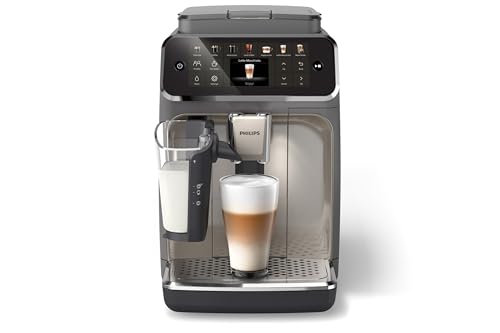
Philips 4400 Series Fully Automatic Espresso Machine, LatteGo Milk System

AIRMSEN 20 Bar Espresso Machine with Automatic Milk Frother

De’Longhi Magnifica Start Automatic Espresso Machine, Milk Frother

Philips 3300 Series Fully Automatic Espresso Machine with LatteGo Milk System

PHILIPS 3300 Series Fully Automatic Espresso Machine, LatteGo Milk System

De’Longhi Magnifica Start Automatic Espresso Machine, Milk Frother

PHILIPS 5500 Series Fully Automatic Espresso Machine, LatteGo Milk System

PHILIPS Baristina Espresso Machine, Grind, Tamp & Brew Coffee Beans in One Swipe
More Details On Our Top Picks
This one suits you when espresso routine matters more than speed. The built-in grinder and milk frother create a more hands-on workflow than Philips’ fully automatic picks, so the payoff is more control in exchange for a little more attention.
That makes it a strong match for a kitchen where you like adjusting the cup rather than tapping and walking away. The barista toolkit is useful for day-to-day prep, though the trade-off is a less hands-off experience than the Magnifica Start line.
Strong Points
- Built-in grinder keeps beans and brew together, which helps you stay closer to fresh-ground flavor without adding a separate grinder to the counter.
- Four preset recipes shorten repeat mornings, especially for anyone who tends to rotate between a few familiar drinks.
- The milk frother gives you room for cappuccinos and lattes, so you can lean into café-style drinks at home.
- The included barista toolkit supports a more guided setup, which is handy for people who like a bit of control.
Things To Consider
- The more manual feel asks for a little more involvement than a fully automatic machine.
- Counter space matters, since grinder-equipped espresso machines are rarely tiny.
- Cleaning the grinder area and milk path takes some routine attention, as it does with most combo designs.
Feature Card
Who It Suits Best
You’re the best match for this pick if you want a hands-on espresso machine for everyday home use and do not mind a slightly more involved routine.
A Better Fit Elsewhere
Philips 4400 Series Fully Automatic Espresso Machine, LatteGo Milk System suits you better if you want more preset variety and a more automated milk workflow.
The Magnifica Evo sits in a comfortable middle ground, with one-touch recipes and a built-in grinder doing most of the work for you. Compared with the La Specialista Arte Evo, this one leans less into the barista ritual and more into quick, repeatable drinks.
That balance suits busy kitchens where different people want different drinks but nobody wants a steep learning curve. The manual frother gives you some say over milk texture, though it does mean a little more involvement than the LatteGo setups from Philips.
Upsides
- Seven one-touch recipes make it easier to serve a range of common drinks without reworking the machine each time.
- The built-in grinder keeps the setup compact enough for a serious espresso routine.
- MyLatte personalization adds room for a signature milk drink, which is useful in homes where one cup style keeps coming back.
- Manual frothing gives you more say over foam texture than a fully automated milk module.
Softer Spots
- The manual frother asks for a bit more attention than a fully automatic milk system.
- More drink options can mean a slightly busier control flow than simpler starter models.
- As with most grinder-based machines, regular cleanup around the brew path keeps the routine smoother.
- The footprint still asks for a fair amount of counter room.
At A Glance
Right Fit For
You’ll get the most from this machine if you want everyday versatility and don’t mind handling milk frothing yourself.
Swap It Out When
Philips 3300 Series Fully Automatic Espresso Machine, LatteGo Milk System is the cleaner fit for you if lighter maintenance matters more than manual milk control.
Philips’ 4400 Series pushes farther into convenience than the De’Longhi picks, especially with LatteGo handling milk in a way that keeps cleanup simple. In most kitchens, that matters more than flashy extras, because an easy routine tends to get used every day.
The 12 preset drinks cover both hot and iced coffee, so it fits homes where preferences change with the season. SilentBrew is a nice practical touch, though the machine still asks for enough counter room to feel like a permanent setup.
Positives
- LatteGo milk handling is built for simpler cleanup and less fiddling after each drink.
- Twelve presets cover a broad mix of hot and iced styles, which helps households with mixed tastes.
- Quick Start makes the first cup feel less like a project.
- SilentBrew suits early mornings or shared spaces where less noise is welcome.
Minor Gripes
- The larger drink menu can feel a little busy at first.
- Automatic convenience usually means a bigger machine footprint.
- While LatteGo is easy to manage, the system still needs regular rinsing and care.
Core Details
Made For
This is a strong match for households that want broad drink variety with less cleanup friction.
A Better Fit Elsewhere
De’Longhi Magnifica Start Automatic Espresso Machine, Milk Frother fits better for you if you want a simpler menu and a more straightforward first step into automatic brewing.
AIRMSEN takes a more appliance-like route, with a stainless steel body, touchscreen control, and a larger 60-ounce water tank that suits frequent drinkers. Compared with the Philips LatteGo machines, it feels more like a semi-automatic setup, so you get a faster coffee path but less of the fully guided experience.
The dual-boiler design is the big draw here, especially for households that want espresso and milk drinks without waiting around as much. The honest read is that this kind of machine works best for you if you’re comfortable with a bit more involvement at the counter.
What We Like
- The 20-bar pump and dual-boiler setup support a more responsive brewing routine.
- Automatic milk frothing takes some of the manual work out of cappuccinos and lattes.
- The 60-ounce tank reduces refill frequency for homes that make several drinks a day.
- Stainless steel construction feels more substantial than many lighter plastic-bodied machines.
- The touchscreen suits people who want a modern control panel without extra clutter.
Areas To Watch
- Semi-automatic operation means more hands-on work than the fully automatic Philips options.
- The larger footprint makes it a tougher fit for cramped counters.
- Milk systems and touch controls both need regular upkeep to stay pleasant to use.
Details At A Glance
Whose Shelf It Belongs On
You’re the right match for this machine if you want quicker drink prep, a large tank, and don’t mind a more involved brewing style.
Where A Sibling Pick Shines
Philips 4400 Series Fully Automatic Espresso Machine, LatteGo Milk System is the better fit for you if you prefer a more guided automatic path and simpler milk cleanup.
This Magnifica Start version strips the idea down to the essentials, which is helpful when you want automatic espresso without a complicated menu. Compared with the Evo above, it keeps the drink list tighter, so the machine feels easier to live with for daily use.
That simpler shape makes sense for first-time owners and smaller routines, especially in kitchens where the espresso maker stays in one spot. The built-in grinder and easy-clean angle add everyday convenience, though you give up some of the flexibility found on the more feature-packed De’Longhi and Philips units.
Best Bits
- Five one-touch recipes keep the control flow simple.
- The built-in grinder preserves the all-in-one convenience many home setups need.
- Easy-clean design helps the machine feel less like a chore to maintain.
- Milk frothing support keeps latte-style drinks within reach.
Room For Improvement
- The smaller recipe list may feel narrow for households with varied drink tastes.
- Manual frothing takes more attention than the LatteGo systems from Philips.
- Routine upkeep around the grinder and brew parts still matters.
Quick Facts
The Right Fit
This fits you best if you want a straightforward automatic espresso machine that keeps the learning curve low.
Look Elsewhere When
De’Longhi La Specialista Arte Evo Espresso Machine works better for you if you want more hands-on control and a richer barista-style setup.
The 3300 Series gives you the Philips automatic formula in a more compact-feeling package, with six presets and LatteGo handling milk. Compared with the 4400 above, it trims the drink list, which can be a good thing when you want less decision fatigue on weekday mornings.
SilentBrew is useful in apartments or early-start households, and the integrated grinder keeps the setup self-contained. The trade-off is obvious, though, you get fewer preset options than the 4400 and 5500 machines.
Highlights
- Six presets are enough for common espresso and iced drink routines without overcomplicating the menu.
- LatteGo makes milk handling feel less fussy.
- Forty percent quieter SilentBrew suits shared spaces and early mornings.
- The integrated grinder keeps the machine self-sufficient.
Small Caveats
- The smaller menu will feel limited in households that like constant variety.
- Fully automatic machines still need regular cleaning of the milk and brew pathways.
- Counter space remains a consideration, even in a more compact-feeling format.
Core Details
Who Should Grab It
This suits you well if you want an automatic espresso machine that keeps drink choice simple and noise lower.
Another Choice May Suit
PHILIPS 5500 Series Fully Automatic Espresso Machine, LatteGo Milk System makes more sense for you if you want a broader preset library and a step up in menu variety.
This version of the Philips 3300 line feels tuned for easy living, not kitchen theater. The 100% ceramic grinder matters because ceramic burrs, the parts that crush beans, tend to suit steady everyday grinding without introducing another material to fuss over.
The AquaClean filter is the practical detail here, since lower-maintenance water care tends to matter more than flashy extras over time. Compared with the other 3300 model, this one trims the drink count but adds a more polished control feel, which makes sense for people who want a straightforward routine.
Bright Spots
- Five coffee varieties keep the menu focused and easy to learn.
- The intuitive touch display makes daily use feel direct.
- SilentBrew supports quieter mornings.
- The ceramic grinder is a solid fit for frequent bean-to-cup brewing.
- AquaClean adds a practical maintenance benefit for people who want less water-system fuss.
Worth Noting
- Five drink choices may feel modest for households that enjoy lots of variety.
- Filtered water care still requires attention, even with a system like AquaClean.
- The machine is still a larger countertop commitment than a simple drip setup.
Feature Rundown
Built With In Mind
This is a strong fit for you if you want a clean daily routine with a simpler menu and a touch display.
Reach For A Different Pick When
PHILIPS 5500 Series Fully Automatic Espresso Machine, LatteGo Milk System suits you better if you want more preset drinks and a broader family-friendly range.
The Silver Magnifica Start keeps the same basic appeal as the black version, but the tighter three-drink setup pushes it even more toward simple, repeatable use. For most kitchens, that means less menu hunting and a faster path to the same morning cup.
It’s the kind of machine that makes sense when espresso is a daily habit and not a hobby. The built-in grinder helps preserve the bean-to-cup convenience, although anyone wanting broader recipe variety may outgrow it sooner than the Evo or Philips 4400.
Reasons To Buy
- Three one-touch recipes keep the interface stripped back and easy to learn.
- The silver finish gives the machine a cleaner visual presence on the counter.
- Built-in grinding keeps the overall setup compact for its category.
- Easy-clean design is useful for anyone who wants less after-use fuss.
Trade Offs
- The smaller recipe count limits variety.
- Manual frothing still asks for attention, just like the black Magnifica Start.
- Cleaning is easier than some systems, but any grinder-based machine still benefits from steady upkeep.
At A Glance
Perfect Match For
You’re well suited to this pick if you want basic automatic espresso and the smallest learning curve in the Magnifica Start line.
Not Your Match When
Philips 3300 Series Fully Automatic Espresso Machine, LatteGo Milk System is the better call for you if you want a broader milk system and a more varied preset menu.
The 5500 Series is for households that treat coffee like a shared menu rather than a single routine. With 20 presets, it gives you far more room than the 3300 machines, and that extra range pays off when different people want different drinks without a lot of negotiation.
Quick Start and SilentBrew keep the daily routine practical, while LatteGo handles milk in the familiar Philips way. The trade-off is size and complexity, because more choices and more machine capability usually mean a setup that asks for a bit more countertop commitment.
Plus Points
- Twenty hot and iced presets cover a very wide range of common drink preferences.
- LatteGo makes milk drink prep easier to manage.
- Quick Start shortens the lead-up to the first cup.
- SilentBrew helps keep the machine from dominating the kitchen soundscape.
Honest Caveats
- The broader feature set asks for more time to learn than a simpler starter model.
- Larger automatic machines need more dedicated space and more routine care.
- Anyone who only drinks one or two styles may not use the full menu.
Spec Overview
Who Will Love This
This is the right match for you if your household wants the widest automatic drink range and does not mind a larger machine.
Where Another Pick Fits Better
Philips 3300 Series Fully Automatic Espresso Machine with LatteGo Milk System fits better for you if you want a simpler, more compact-feeling menu.
Baristina takes a different path from the rest of the list, because it compresses grinding, tamping, and brewing into a one-swipe routine. That makes it appealing for small kitchens or minimalist setups, although the more stripped-back approach means it won’t satisfy every household looking for a classic automatic espresso station.
The compact frame and ash wood portafilter give it a more design-forward feel than the boxier machines above. The honest read is that this is best for you when countertop space matters as much as drink quality, not for households chasing the broadest milk and preset menu.
Best Bits
- The one-swipe workflow keeps operation simple.
- Compact sizing makes it easier to place in tighter kitchens.
- Automatic grinding reduces the need for extra equipment.
- The ash wood portafilter adds a more considered visual touch.
Points To Note
- The simpler concept means less breadth than the larger automatic machines in this roundup.
- Anyone wanting a wide milk-drink menu may prefer a LatteGo model instead.
- Compact machines still benefit from regular bean-path and brew-path cleaning.
Feature Snapshot
Built With In Mind
This suits you best if you want a compact espresso machine with a guided, low-clutter routine.
Skip It When
PHILIPS 5500 Series Fully Automatic Espresso Machine, LatteGo Milk System is the better choice if your household wants a broader drink menu and more automatic variety.
How To Choose The Right Automatic Coffee And Espresso Machines
Start With Your Daily Drink Pattern
Drink variety should lead the decision. A household that rotates between espresso, cappuccinos, and iced drinks benefits from the Philips 4400 or 5500 machines, while a smaller routine fits the De’Longhi Magnifica Start models better.
That difference matters because extra presets are useful only when you actually use them. A simple menu can feel calmer on weekday mornings, and a broader one helps when different people want different cups from the same machine.
Decide How Hands-On You Want To Be
Some automatic machines still expect some involvement, especially with manual frothers or more barista-style machines like the La Specialista Arte Evo. Others, such as the LatteGo models, reduce the mess and attention around milk.
The trade-off is simple: more control usually means more steps, while more automation usually means less milk texture control. For a shared kitchen, the easier path often wins because anyone can use it without much explanation.
Match The Machine To Your Counter Space
Counter depth and width matter more than most listings make obvious. The AIRMSEN dual-boiler model and the larger Philips machines deserve more permanent space, while the Baristina fits tighter kitchens more gracefully.
That’s especially important for apartments, galley kitchens, and shared worktops where storage matters as much as brewing. A smaller machine can be the smarter buy simply because you’ll use it more often.
Pay Attention To Cleanup And Water Management
Milk systems, grinders, and brew groups all add routine upkeep, even on models that are built to simplify the process. LatteGo and AquaClean are worth attention because they reduce friction in ordinary use, not because they eliminate upkeep entirely.
Think about how you live, not just how the machine looks. A setup that’s easy to rinse and refill usually gets used more consistently than a more feature-heavy machine that feels like a chore after lunch.
Things Worth Knowing First
Hidden Buying Traps
A common mistake is paying for drink variety you will never use. Another is overlooking milk system upkeep, which can turn a convenience feature into extra work.
You can avoid both by matching the menu to your actual habits and checking whether the machine uses a manual frother or a milk system like LatteGo.
The Upgrade Payoff
Higher-tier machines usually cost more because they add broader drink menus, quieter operation, better grinder materials, or a more polished milk system. The Philips 5500 and the La Specialista Arte Evo show that premium pricing often goes toward flexibility and convenience, not just appearance.
That extra spend is worth it when the machine will serve several people every day. For a single-cup routine, a simpler model often makes more sense and takes up less space.
Frequently Asked Questions
What makes a machine automatic in this category?
Automatic machines grind beans, brew espresso, and often manage milk with less manual effort than a standard espresso setup. Some still ask you to froth milk yourself, so the word automatic does not always mean fully hands-off.
Do you need a built-in grinder?
A built-in grinder keeps the setup cleaner and saves counter space. It also makes bean-to-cup brewing easier for everyday use.
Are LatteGo systems easier to maintain?
LatteGo systems are generally designed to simplify milk handling and cleanup. That makes them a strong fit for busy kitchens where speed and routine matter.
Which machine suits a small kitchen best?
The PHILIPS Baristina is the most compact-feeling option in this group. A smaller De’Longhi start model also works well when you want a full bean-to-cup routine without a large footprint.
What should you prioritize first?
Start with drink variety, milk handling, and counter space. Those three factors shape day-to-day satisfaction more than a long feature list does.
Closing Thoughts
The right automatic coffee and espresso machine should fit the way you already live, not force a new routine on you. If you want broad drink variety and lighter milk cleanup, the Philips LatteGo models make a lot of sense. If you want more hands-on espresso control, the De’Longhi La Specialista Arte Evo feels more deliberate. For smaller counters, the Baristina keeps the footprint modest without losing the bean-to-cup appeal. The best choice is the one you’ll still enjoy on a rushed Tuesday morning.
