

Automated coffee machines make sense when you want café-style drinks without turning your morning into a project. In a busy kitchen, the right pick can handle grinding, brewing, milk frothing, and cleanup with less juggling, which matters when your routine is already full. Some models lean simple, others give you more drink control and user profiles, so the best match depends on how much variety you want and how hands-on you like to be.
Below, you’ll see a mix of espresso-first machines, capsule-friendly options, and a few fuller-featured picks for homes that want hot and iced drinks in the same setup. The differences are real: grinder settings, milk systems, recipe presets, and bean capacity all shape daily use. Think of this as a practical shortlist for kitchens, offices, and shared spaces that need coffee on demand.
The Shortlist At A Glance

De’Longhi La Specialista Arte Evo Espresso Machine with Coffee Grinder

Ninja Luxe Café Pro Series, Espresso, Cold Brew, Hot Water, ES701
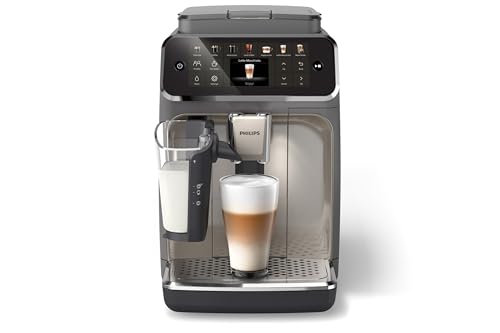
Philips 4400 Series Fully Automatic Espresso Machine

De’Longhi Magnifica Start Automatic Espresso Machine, Milk Frother, Silver

Lavazza Expert Coffee Bundle Classy Plus All-In-One Machine

PHILIPS 5500 Series Fully Automatic Espresso Machine

De’Longhi Magnifica Start Automatic Espresso Machine, Milk Frother, Black

De’Longhi Magnifica Evo Next Automatic Espresso Machine, Frother, Silver
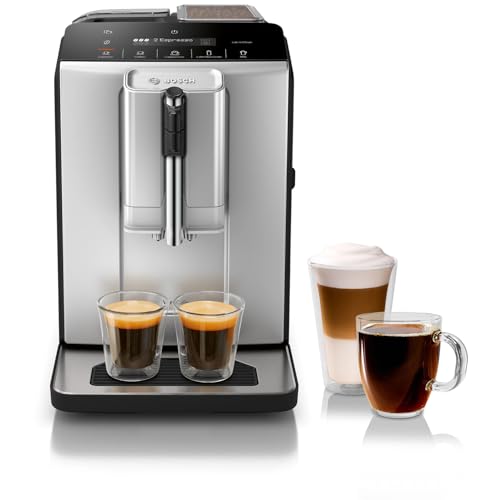
Bosch 300 Series Fully Auto Espresso Machine with Grinder and Steam Wand
More Details On Our Top Picks
This De’Longhi setup suits you when you want espresso that still feels hands-on, not automatic in the watered-down sense. The built-in grinder and milk frother make it a strong fit for a home counter where you want fresh grounds and textured milk without buying separate gear.
The trade-off is that a more involved machine asks for a little more attention from you than a simpler one-touch model like the Magnifica Start. Still, for a morning routine built around espresso shots and milk drinks, this one gives you more room to shape the cup.
Strong Points
- Built-in grinding keeps your workflow tighter and cuts down on extra countertop clutter.
- Four preset recipes cover core drinks without making the interface feel crowded.
- The milk frother helps you handle cappuccinos and lattes from the same machine.
- The included barista toolkit gives you a more deliberate prep routine than a basic push-button setup.
Small Caveats
- It asks for a more engaged routine, so it suits you better than it suits someone who wants pure grab-and-go use.
- The toolkit and grinder setup can feel like extra steps in a rushed kitchen.
Feature Rundown
Who It Suits Best
You’ll get the most from this machine if you like espresso ritual and want fresh-ground coffee with milk-drink flexibility.
A Better Fit Elsewhere
De’Longhi Magnifica Start Automatic Espresso Machine, Milk Frother, Silver fits better for you if you want a simpler daily routine with fewer moving parts.
The Ninja stands out because it stretches beyond a straight espresso role. Espresso, cold brew, hot water, drip coffee, and a hands-free frother give you a wider range for households where one person wants cappuccino and another wants plain coffee.
The integrated tamper also matters more than it sounds, since tamping means pressing coffee grounds evenly before brewing. That extra built-in step can help keep prep consistent, though the larger feature set means more buttons and more habits to learn than on the Philips 4400.
What We Like
- Multiple brew modes let you cover morning coffee, iced drinks, and espresso from the same machine.
- The built-in grinder keeps bean grinding inside the workflow, which is handy in compact kitchens.
- Hands-free frothing reduces the number of separate tools you need for cappuccinos and lattes.
- Hot water output gives you extra use beyond coffee, which helps in shared spaces.
Points To Note
- The feature set can feel busy at first, especially in a kitchen that already has a lot happening around it.
- More functions usually mean more surfaces to wipe down after repeated use.
- It’s less about minimal espresso ritual and more about range, so purists may prefer a simpler machine.
Details At A Glance
Who Will Love This
You suit this machine best if your kitchen needs one appliance for several coffee moods and a few non-coffee needs too.
Look Elsewhere When
Philips 5500 Series Fully Automatic Espresso Machine fits better for you if you want more preset-led espresso variety with a smoother fully automatic rhythm.
For a shared kitchen, this Philips makes a good case for quiet, repeatable drinks. The LatteGo milk system is built for fast milk handling, and the integrated grinder keeps the whole setup compact enough for a counter that can’t spare much room.
Its 12 hot and iced presets give you more variety than the De’Longhi Magnifica Start, while SilentBrew aims to keep the noise down during early mornings. The 15-bar pressure spec points to standard espresso extraction pressure, which matters more for consistency than drama.
Highlights
- Twelve presets give you a wider drink menu without forcing you into a complicated interface.
- The LatteGo system keeps milk prep simpler for lattes and other milk drinks.
- SilentBrew is a useful touch for apartments or early starts.
- The built-in grinder keeps the machine self-contained on the counter.
Worth Noting
- It leans more toward convenience than hands-on control, so espresso hobbyists may want something more adjustable.
- Milk-system parts need regular cleaning to stay pleasant to use.
Quick Facts
Made For
You’ll appreciate this machine if you want a quieter automatic espresso setup for everyday use in a shared home.
Another Choice May Suit
Ninja Luxe Café Pro Series, Espresso, Cold Brew, Hot Water, ES701 fits better if you want broader brew-style coverage beyond espresso and milk drinks.
This Magnifica Start feels aimed at someone who wants espresso without a steep learning curve. The built-in grinder, 13 grind settings, and five one-touch recipes keep the daily routine grounded in simple controls rather than a crowded feature list.
Compared with the La Specialista Arte Evo, it gives you less hands-on shaping and more straightforward automation. Hot and iced support also makes it easier to use across seasons, which matters in a kitchen that serves more than one coffee habit.
Upsides
- Five one-touch recipes make the machine easy to settle into quickly.
- Thirteen grind settings help you tune the bean grind more closely to your taste.
- The frother gives you enough milk flexibility for common espresso drinks.
- Hot and iced support adds useful range without turning the interface into a puzzle.
Areas To Watch
- The recipe count is modest, so households with lots of drink preferences may outgrow it.
- Grinder and frother parts still need routine cleaning, especially with daily use.
Core Details
Who Should Grab It
You fit this machine well if you want automatic espresso with enough control to feel tailored, but not enough complexity to slow you down.
Where A Sibling Pick Shines
De’Longhi Magnifica Evo Next Automatic Espresso Machine, Frother, Silver is the stronger match for you if multiple household members want their own drink profiles.
This Lavazza bundle is a different kind of automated coffee setup, because it leans on capsules rather than built-in grinding. That makes it appealing for someone who wants fast use, less mess, and a package that includes the machine, a welcome kit, and an extra vessel.
Compared with the bean-based machines above, the trade-off is flexibility versus simplicity. You give up grinder adjustment, but you gain a tidy capsule routine that can fit small kitchens, offices, or a second coffee station.
Best Bits
- The bundle format gives you a more complete starting point than a bare machine.
- Capsule use keeps prep short and makes cleanup easier after a busy morning.
- The extra vessel adds practical value for households that like to keep drinks moving.
Honest Caveats
- Capsule systems are less flexible than grinder-based machines for bean selection and grind tuning.
- You’ll want to think about ongoing capsule storage, since the whole setup works around pods.
Technical Sheet
Whose Shelf It Belongs On
You’re a good match for this bundle if you want a capsule-based setup that keeps mornings short and uncomplicated.
Skip It When
De’Longhi La Specialista Arte Evo Espresso Machine with Coffee Grinder fits better if you want bean-to-cup control and a more involved espresso routine.
The 5500 Series looks like the 4400’s more expansive sibling, and that matters in a home where people want more drink variety without changing machines. With 20 hot and iced presets, it gives you noticeably more room to move from daily espresso to more specialized drinks.
SilentBrew and Quick Start still support an easy morning routine, while LatteGo keeps milk handling approachable. The honest read is that this pays off most in households where a wider menu gets used often, not just admired on the product page.
Positives
- Twenty presets create a broader daily menu than the 4400 Series.
- LatteGo keeps milk drinks simpler for busy routines.
- Quick Start helps the machine feel ready sooner on rushed mornings.
- SilentBrew is useful in apartments or quiet homes.
Minor Gripes
- The larger preset set helps only when you actually use it.
- Any milk-focused automatic machine still asks for regular cleaning to stay pleasant over time.
At A Glance
Built With In Mind
You’ll appreciate this machine most if your household cycles through many coffee styles and wants a more complete automatic setup.
Reach For A Different Pick When
Philips 4400 Series Fully Automatic Espresso Machine suits you better if you want a smaller preset list and a slightly simpler daily rhythm.
This black Magnifica Start is the easier version of the De’Longhi approach, and that’s a good thing for many kitchens. Three one-touch recipes, a built-in grinder, and an easy-clean angle keep the daily routine short enough for weekday use.
It gives you less recipe variety than the silver Magnifica Start, but the simplicity can be the point. In a smaller kitchen or a household that mainly wants espresso and milk foam, it stays focused instead of trying to do too much.
Reasons To Buy
- The one-touch approach keeps regular brewing straightforward.
- The built-in grinder helps you avoid a separate grinder on the counter.
- Easy-clean design language matters for machines that see daily use.
- The frother covers common milk drinks without extra gear.
Softer Spots
- Three recipes is a modest list, so variety seekers may want more options.
- Grinder and frother upkeep still matter, especially in homes that make multiple drinks a day.
Feature Snapshot
The Right Fit
You’ll like this one best if you want a simple espresso machine for everyday coffee without much setup friction.
A Better Fit Elsewhere
De’Longhi Magnifica Evo Next Automatic Espresso Machine, Frother, Silver is the better match for you if three recipes won’t cover everyone in the house.
The Evo Next pushes further than the other De’Longhi Start models by giving you 13 one-touch recipes and three user profiles. That makes it a smart fit for shared kitchens where each person wants a familiar drink layout without reprogramming the machine every morning.
Compared with the Magnifica Start Black, you get more flexibility and a more personal feel. The built-in grinder and frother keep the setup in the same practical lane, so the upgrade is mostly about range and household convenience rather than flash.
Positives
- Thirteen one-touch recipes create a much wider daily menu.
- Three user profiles help different household members keep their own preferences organized.
- The built-in grinder supports fresh coffee without extra equipment.
- The frother keeps milk drinks in the mix without complicating the counter.
Trade Offs
- More presets help most when your household actually uses them.
- Profile-based features can feel unnecessary in a single-person setup.
Details At A Glance
Perfect Match For
You’re the right fit for this machine if your home shares one coffee station and everyone wants a different drink without the back-and-forth.
Swap It Out When
De’Longhi Magnifica Start Automatic Espresso Machine, Milk Frother, Black suits you better if you want fewer controls and a simpler routine.
The Bosch 300 Series makes sense for households that want a straightforward automatic espresso machine with a few practical extras. A steam wand, double-cup support, and large bean capacity all point to a machine that can keep up with shared mornings more smoothly than a smaller single-serve setup.
Its easy-clean and maintenance-friendly positioning matters because automatic espresso machines live or die by how annoying they are to keep tidy. Compared with the Lavazza capsule bundle, this Bosch leans more toward fresh beans and milk control, so it suits you better when you want more café-style flexibility.
Bright Spots
- Double-cup capability helps when two coffees need to move at once.
- Large bean capacity reduces how often you need to refill the hopper.
- The steam wand gives you more manual milk control than a fixed frother.
- Easy-clean language points to a more manageable daily routine.
Room For Improvement
- A steam wand asks more from you than an automatic milk system.
- More bean-based flexibility also means more cleanup than a capsule machine.
Core Details
Who Should Grab It
You’ll do well with this Bosch if you want automatic espresso for more than one cup at a time and you don’t mind some manual milk work.
Where Another Pick Suits Better
Lavazza Expert Coffee Bundle Classy Plus All-In-One Machine fits you better if your main priority is the shortest possible capsule-based routine.
How To Choose The Right Automated Coffee Machines
Start With The Drink Style You Actually Make
Espresso-first machines make sense for households that care about crema, milk foam, and a tighter coffee ritual. Capsule systems fit better when speed and cleanup matter more than bean-level control.
Drip-and-espresso combo designs, like the Ninja Luxe Café Pro Series, help you cover more moods from one counter spot. That range is useful in family kitchens, though the controls can feel busier than a focused espresso machine.
Match The Grinder And Milk System To Your Routine
A built-in grinder saves space and keeps fresh beans inside the same workflow, which is a big plus in smaller kitchens. Grind settings matter because finer or coarser grounds change how the cup turns out, even though you don’t need a deep coffee background to use them well.
Milk systems also deserve a close look. LatteGo-style setups and automatic frothers keep things quick, while a steam wand gives you more texture control but asks for more hands-on use.
Look At Presets, Profiles, And Cleanup
Preset counts are worth paying attention to only when they match your daily habits. Three recipes can be enough for one person, while 13, 20, or more helps a shared household keep things moving without constant reprogramming.
User profiles are useful for families or housemates who like different drinks. Cleanup matters just as much, because milk parts, grinders, and drip areas all ask for regular care, and the easier that is, the more likely the machine stays part of your routine.
Think About Counter Space And Refill Rhythm
Large bean capacity helps in homes where you don’t want to refill every few days. Compact, capsule-based machines suit tighter spaces, but they shift the ongoing rhythm from bean care to capsule storage.
That trade-off is simple: more automation often means more moving parts, while simpler systems reduce maintenance but also reduce drink flexibility. The right pick is the one that fits your kitchen, not the one with the longest menu.
What To Weigh Before You Choose
Mistakes Worth Dodging
Many shoppers focus on preset counts and ignore cleanup, which is where ownership can feel easy or annoying very quickly. Milk systems, grinders, and steam wands all need different levels of attention.
Another common slip is choosing a machine with more drinks than your household actually uses. A compact machine with fewer recipes can feel smoother every day than a feature-heavy setup that sits mostly untouched.
What The Higher Tier Buys
Higher-tier models usually spend the extra money on broader drink menus, more exact user profiles, quieter operation, or stronger milk handling. You also tend to get better workflow details, such as quicker startup or more polished controls.
That upgrade pays off when several people share the machine, or when you want espresso, iced drinks, and milk-based drinks from one setup. For a solo routine that rarely changes, a simpler machine can be the smarter fit.
Frequently Asked Questions
What makes an automated coffee machine different from a basic espresso maker?
An automated machine usually handles more of the brewing sequence for you, such as grinding, dosing, or milk preparation. A basic espresso maker often asks for more manual steps.
Do built-in grinders really matter?
They matter most when you want fresh beans without a separate grinder taking up space. They also keep the workflow shorter in a morning kitchen.
Are more drink presets always better?
More presets help only when you use them often. A simpler menu can be easier to live with in a one- or two-drink routine.
How important is the milk system?
It matters a lot if you make lattes, cappuccinos, or other milk drinks most days. A steam wand gives you more control, while an automatic frother keeps the routine easier.
Which option fits a small kitchen best?
Compact, self-contained machines with built-in grinders or capsule-based setups usually fit small counters well. Large bean hoppers and extra accessories take more room, so they suit bigger spaces better.
Closing Thoughts
The best automated coffee machine for you is the one that matches your morning rhythm, not the one with the longest feature list. Some homes need quiet presets and profile memory, while others just want fresh-ground espresso with less effort than a separate grinder and frother setup. Capsule bundles make sense for the fastest routine, and bean-based machines reward you with more control. Choose the level of involvement you’ll actually live with, and your coffee station will feel far less fussy day after day.
