

You want fresh coffee without guessing your way through a crowded café menu, and that starts with choosing the right roaster for your counter space, batch size, and patience level. Some picks lean simple and hands-on, while others add temperature control, fan management, or smoke handling that makes home roasting feel less fussy. The right match depends on how much control you want and how often you plan to roast.
Quick Look At The Shortlist
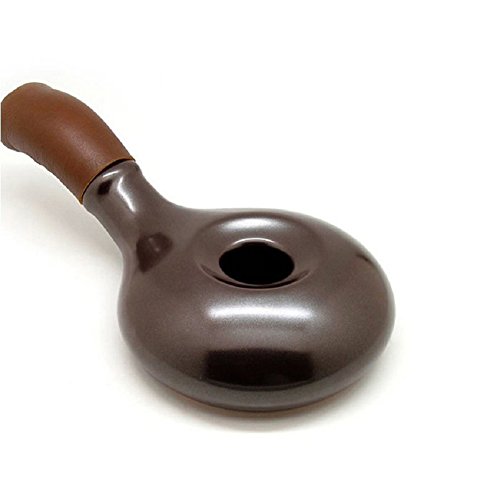
Nuvo Eco Ceramic Handy Coffee Bean Roaster

SR540 Automatic Coffee Bean Roaster
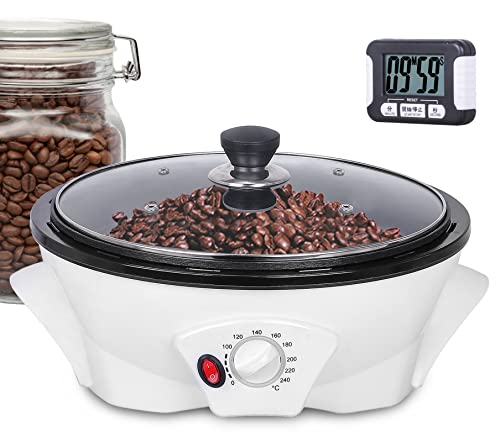
JIAWANSHUN Electric Coffee Bean Roaster Machine 1.1lb

DYVEE Coffee Bean Cooler Electric Roasting Cooling Machine

Coffee Roaster Machine for Home Use 110V 1200W

Coffee Roaster Machine for Home Use 800g Capacity

500g Automatic Coffee Roaster Machine with Smoke Filter
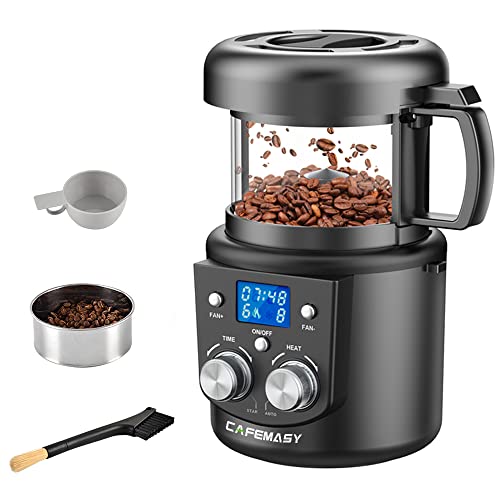
CAFEMASY Coffee Bean Roaster Machine Air Roaster
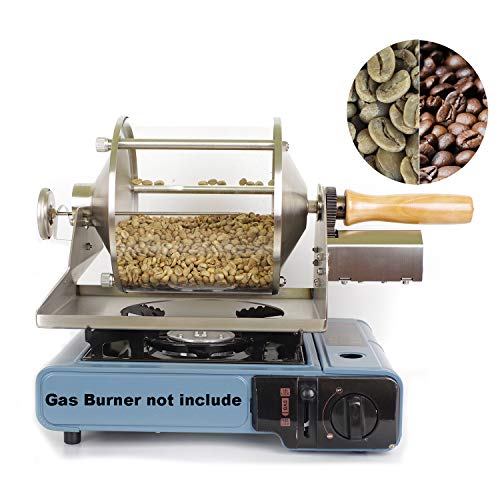
Coffee Roaster Gas Burner Coffee Roasting Machine 400g
More Details On Our Top Picks
The ceramic body and genuine cowhide grip make this a very manual choice, which suits you well if you like to stay close to the roast. Compared with the more automatic picks later in the list, this one feels stripped down in a useful way, with less to manage and fewer parts to think about.
That simplicity helps in a small kitchen where storage space matters more than speed. The trade-off is clear, though, because a hands-on roaster asks for more attention and gives you less temperature guidance than the digital units.
What We Like
- Ceramic body keeps the build straightforward and easy to understand.
- Cowhide grip gives you a more secure hold during handling.
- Compact shape suits a tight counter or crowded cabinet.
- Manual control appeals to coffee hobbyists who like direct involvement.
Things To Consider
- Hands-on roasting asks for more focus than the automatic machines here.
- The simpler format leaves less room for fine-tuned heat management.
- Cleaning and storage are easier than with big electric units, but you still need to keep the ceramic surface handled carefully.
Feature Snapshot
Who It Suits Best
Home coffee hobbyists who enjoy a tactile, low-complexity roasting setup will get the most from it.
Where A Sibling Pick Shines
Fresh Roast SR540 Automatic Coffee Bean Roaster suits you better if you want adjustable heat, fan control, and less hands-on attention.
Fresh Roast leans hard into control, with nine power levels, convection fan control, and a digital status display that helps you follow the roast more closely. For you, that means less guessing than the Nuvo hand roaster and a better fit for learning how different beans change under heat.
The 4-scoop, 120-gram capacity and the claim of 7 to 14 cups per batch place it in a very manageable home range. The honest trade-off is that more settings can feel busy at first, so this makes the most sense for someone who wants room to grow rather than a totally simple start.
Highlights
- Nine heat levels give you more room to tune roast development.
- Digital display helps you track status without relying only on guesswork.
- Convection fan control supports more even movement of hot air.
- Small-batch capacity suits regular home use without oversized leftovers.
- The speed-roast setup fits busy weeknights better than slower manual methods.
Worth Noting
- The control set can feel a little busy during your first few sessions.
- Smaller batch size may leave larger households wanting another pass.
- You will want a stable setup and a clean counter, since a compact machine still needs room around it.
Core Details
Made For
You will appreciate this most as a home roaster who wants control without jumping into a large shop-style machine.
A Better Fit Elsewhere
Nuvo Eco Ceramic Handy Coffee Bean Roaster suits you more if you want a simpler, more tactile option with less setup.
This one stands out for batch size, since 1.1 lb gives you more room than the smaller home units above it. The timer and 0 to 240°C range are useful for anyone who wants a more structured roasting routine instead of guessing by sight and smell alone.
That extra capacity can be handy in a family kitchen or a home setup that serves more than one coffee drinker. The trade-off is size and heat management, because larger batches tend to ask more from your space and your attention.
Positives
- 1.1 lb capacity supports larger home batches than the smaller picks here.
- Timer control helps you keep roast sessions more repeatable.
- The wide temperature range gives you flexibility across bean styles.
- Works well for people who want a more structured roasting routine.
Areas To Watch
- Bigger capacity usually means a larger footprint on the counter.
- You will still want to keep the machine clean between batches for steady results.
- More capacity can tempt you to load too much at once, which often makes roasting less even.
Details At A Glance
Right Fit For
You are the best match for this if you want a home machine with more batch room and a clearer control setup.
Swap It Out When
Fresh Roast SR540 Automatic Coffee Bean Roaster suits you better if you want finer roast control in a smaller, quicker-to-manage package.
A dedicated cooler is a different kind of tool, and that matters because roasted beans keep changing as they sit hot. Used after a roast, it gives you a separate stage for finishing the job instead of letting beans cool slowly on a tray or in a bowl.
That setup makes sense in a busy home roastery or a small café corner where consistency matters across batches. The catch is obvious, though, because this is a support machine rather than a full roaster, so it fits best alongside another roasting setup.
Bright Spots
- Dedicated cooling design separates one important step from roasting.
- Useful for keeping batches more consistent after heat is applied.
- Helps in home or café-style spaces where you roast often.
- Pairs naturally with the more hands-on or electric roasters in this list.
Small Caveats
- This is not a full roasting machine, so it belongs in a support role.
- It only makes sense if you already have a roast setup or plan to build one.
- Extra gear means extra storage, which matters in compact kitchens.
Quick Facts
Whose Shelf It Belongs On
You will get the most value from this if you already roast beans and want a separate cooling step in your workflow.
Where A Sibling Pick Shines
CAFEMASY Coffee Bean Roaster Machine Air Roaster is the more direct choice if you need the roasting machine itself instead of cooling gear.
The 1200W electric setup puts this in a practical middle zone for home use, and the timer helps give the process some repeatable structure. Because it also works with peanuts and nuts, the machine feels broader in purpose than a single-use coffee appliance.
That versatility is useful in a busy kitchen where counter space has to earn its keep. Compared with the more focused roasters above, this one is a flexible choice, but you do give up some specialty control and a more coffee-first design.
Upsides
- 1200W power gives the machine enough muscle for home roasting tasks.
- Timer control helps you repeat batches with less guesswork.
- Multi-use design broadens the machine beyond coffee beans.
- Good fit for kitchens that need one appliance to do several jobs.
Room For Improvement
- A broader-purpose machine may feel less specialized than a dedicated coffee roaster.
- You may want to clean it carefully after non-coffee use to keep flavors separate.
- More versatility can mean more compromise in roast precision.
Feature Rundown
Best Suited To
You are the right fit for this if you want a home roaster that can also handle nuts and other kitchen jobs.
Look Elsewhere When
Fresh Roast SR540 Automatic Coffee Bean Roaster is the better match for a coffee-first setup with more roast control.
An 800g capacity places this squarely in the larger home batch category, which suits you well if you roast for several people or like to fill storage jars in one session. The non-stick surface should help with cleanup, though bigger machines usually ask for a bit more counter room and more careful handling after each roast.
Temperature control from 0 to 240°C and the included timer give you a useful range without pushing into complicated professional territory. Compared with the JIAWANSHUN model, this one feels a little more balanced for households that want capacity but not the largest footprint possible.
Best Bits
- 800g capacity supports substantial home batches.
- Non-stick surface should make cleanup less fussy.
- Timer and temperature control help guide repeatable roasting.
- Useful for households that roast more than just an occasional small batch.
Points To Note
- Larger batches usually call for more counter space and airflow.
- You will want to stay attentive during roast sessions so the load stays even.
- Non-stick surfaces still need gentle cleaning to stay in good shape.
Feature Card
Who Should Grab It
You are a good match for this if you want a roomy home roaster without jumping to a commercial-style setup.
Reach For A Different Pick When
Nuvo Eco Ceramic Handy Coffee Bean Roaster suits you better if you want a much simpler, low-bulk way to roast smaller amounts.
The smoke filter and the included smoke pipes point to a more controlled roasting setup, which is especially useful in a home where ventilation matters. Light roasts use the filter, while medium and dark roasts can route through the pipes, so the machine gives you a more adaptable path than the simpler roasters earlier in the list.
The chaff collector is a small but useful detail, because chaff is the papery skin that comes off beans during roasting and tends to make cleanup messier than expected. The honest read is that this machine suits someone who wants a more serious setup and does not mind a bit of learning on the cleanup side.
Standout Traits
- Smoke filter adds a practical layer for light-roast sessions.
- Smoke pipes broaden the setup for medium and dark roasts.
- Chaff collector helps keep the workspace tidier.
- Automatic operation reduces the amount of constant attention you need.
- Good fit for homes where ventilation is a real concern.
Minor Gripes
- The setup looks more involved than the most basic countertop roasters.
- More parts usually mean more pieces to clean after use.
- It makes the most sense for someone comfortable learning a new workflow.
Core Details
The Right Fit
You will like this most if you roast often and want more control over smoke handling at home.
Another Choice May Suit
Fresh Roast SR540 Automatic Coffee Bean Roaster is the easier starting point if you want a smaller control set and less setup complexity.
An air roaster usually appeals to people who want a lighter, more responsive roast feel, and this CAFEMASY model leans into that with adjustable timer, heating, and air fan settings. Compared with the gas and smoke-filter machines here, it feels more centered on daily kitchen use than on a specialty roasting lab vibe.
That makes it a practical fit for someone who roasts on a regular rhythm and wants to fine-tune airflow as part of the process. One thing to keep in mind is that air-driven roasting can feel less familiar at first, so your early batches may take a little learning.
Reasons To Buy
- Adjustable timer helps shape roast duration.
- Heating and fan settings give you more process control.
- Air-roasting style suits home use with a lighter touch.
- Good for routine roasting without a bulky footprint.
Softer Spots
- Air roasting can take a little getting used to.
- Fan-based operation may feel less hands-on than classic drum styles.
- Cleaning still matters, especially around airflow parts.
Technical Sheet
Built With In Mind
You are the right fit for this if you want an air-roasting setup for routine home coffee work.
Where A Sibling Pick Shines
DYVEE Coffee Bean Cooler Electric Roasting Cooling Machine makes more sense if you already roast and need a separate cooling stage.
Quartz glass and stainless steel give this gas-burner setup a more substantial feel than the lighter countertop machines above it. The 400g capacity keeps it in home-roasting territory, but the construction suggests a tool for someone who wants a more traditional, hands-on process.
Gas roasting can suit you well in a workshop-style kitchen or any space where you already know your way around active heat. The trade-off is that this route asks more attention and setup awareness, so it fits better for confident home roasters than for casual first-timers.
What We Like
- Quartz glass drum lets you see more of the roast process.
- Stainless steel frame adds a more durable-feeling build.
- 400g capacity stays manageable for home batches.
- Gas-powered style suits people who like a traditional roasting feel.
Trade Offs
- Gas setups usually need more attention than electric countertop models.
- Visible parts and metal surfaces can mean more involved cleaning.
- It asks for more comfort with heat management and setup planning.
Feature Rundown
Perfect Match For
You are the best fit for this if you want a gas-powered roaster and prefer a more visible, hands-on workflow.
Look Elsewhere When
Fresh Roast SR540 Automatic Coffee Bean Roaster suits you better if you want electric convenience and easier everyday control.
How To Choose The Right At Home Coffee Roaster
Match Capacity To Your Routine
The first decision is batch size, because a 120-gram roaster and a 1.1 lb roaster serve very different kitchen rhythms. Smaller capacities suit you when you roast for one or two mugs at a time, while larger drums work better for shared households or anyone who likes to stock beans in advance.
Capacity also changes how much attention the roast needs. A compact unit is easier to store and warm up, but a larger machine can make sense once you start roasting often and want fewer repeat sessions.
Choose The Control Style You’ll Actually Use
Manual tools like the Nuvo put you in charge of timing, heat feel, and pacing. Electric units with timers, temperature ranges, and fan controls give more structure, which helps when you want repeatable results from week to week.
The trade-off is simple, more control usually means more settings to learn. That’s fine for someone who enjoys dialing things in, but a simpler machine can be the better match for a busy home kitchen.
Think About Smoke, Chaff, And Cleanup
Roasting beans creates smoke and chaff, the papery skin that comes off during the process. Models with smoke filters, smoke pipes, or chaff collectors help keep that mess more manageable, which matters a lot in apartments or closed kitchens.
Cleanup affects whether you keep using the roaster or let it sit in the cabinet. A machine that looks great on paper can still become annoying if its workflow leaves you scrubbing, shaking, and wiping too much after each batch.
Pick For Your Space, Not Just Your Taste
Counter depth, ventilation, and storage all matter more than most people expect. A gas-burner unit with a glass drum brings a different footprint than a compact air roaster, and a dedicated cooler adds yet another piece to fit somewhere.
For most homes, the best choice is the machine that fits the space you already have. That keeps the setup easy to live with, which matters more than chasing a feature you may rarely use.
Things Worth Knowing First
Mistakes Worth Dodging
Many home roasters start by chasing capacity first and control second. That often leads to a machine that holds more beans than you need but gives you less help learning how heat changes flavor.
Another common misstep is ignoring cleanup. A roaster that leaves too much chaff or smoke behind can turn a relaxing habit into a chore fast.
What The Higher Tier Buys
More expensive models usually add finer heat control, better airflow management, and more specialized hardware like smoke routing or separate cooling. Those extras matter when you roast often, care about repeatability, or want more room to fine-tune the result.
They also tend to cost more because they ask more from the build, not because they sound fancy on the listing. A premium pick only makes sense when those added controls solve a real problem in your kitchen.
Frequently Asked Questions
What size home roaster works best for everyday use?
A smaller batch machine is usually enough for one or two coffee drinkers. Larger capacity only makes sense when you roast often or want to store more beans at once.
Do you need smoke control at home?
Smoke control becomes much more important in apartments or kitchens with weaker ventilation. A filter, pipe, or strong airflow can make the process easier to live with.
Is a manual roaster harder to use than an electric one?
Manual roasters ask for more attention and a steadier hand. Electric models usually give you more structure through timers, heat settings, or airflow controls.
Why does cleanup matter so much?
Roasting creates chaff and can leave residue on hot surfaces and vents. A machine that is easier to clean is also easier to keep in regular use.
Should you choose a roaster that handles other foods too?
That makes sense when you want one machine for several kitchen tasks. A coffee-only roaster is the better fit when you care most about roast control and consistency.
Closing Thoughts
Your best at home coffee roaster depends less on hype and more on how you actually make coffee at home. A simple ceramic model works for hands-on tinkering, while an automatic machine with fan control or smoke handling suits a busier, more repeatable routine. Think about batch size, cleanup, and how much control you want to keep at the counter. Once those three things line up, the right pick tends to feel obvious.
