

Antioxidant-focused coffee shoppers usually want two things at once: a cup that fits their routine and a product page that feels easier to trust. That means looking past flavor claims and into roast style, bean form, acidity, sourcing, and any lab-screening details that matter in everyday use. The nine picks below cover whole beans, ground coffee, pods, and mushroom blends, so you can match your brew method and tolerance for acidity without guessing.
Quick Look At Our Shortlist
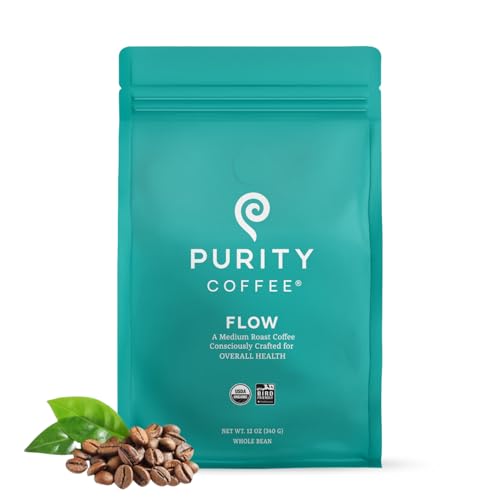
FLOW Original Medium Roast Whole Bean 12oz Bag

GRGTP Mushroom Coffee Superfood Blend with 6 Adaptogens

Puroast Low Acid Coffee Ground Organic House Blend
Purity Coffee EASE Low Acid Dark Roast Whole Bean 12oz Bag

Kahawa 1893 Dark Roast Coffee K-Cup Pods Serengeti Blend

Organic Mushroom Coffee 10oz with 10 Adaptogenic Mushrooms

Java Planet Low Acid Organic Espresso Beans 16 oz

PROTECT High Antioxidant Light-Med Roast Ground 12oz Bag

Brain Bean Organic Coffee Whole Bean Medium Roast 16 oz
More Details On Our Top Picks
Purity Coffee’s medium roast leans hard into sourcing and freshness, which matters if your morning cup is part of a careful routine rather than a casual pour. Whole beans give you more control over grind size, so you can match drip, French press, or espresso-style grinding at home.
The trade-off is simple, you need a grinder and a little more effort. In return, you get a bean-focused option that suits daily drinkers who care about organic sourcing, third-party screening, and a fuller coffee flavor without drifting into a dark-roast edge.
Strong Points
- Whole beans keep aroma locked in until grinding.
- USDA organic sourcing adds reassurance for careful shoppers.
- Third-party screening addresses mold, mycotoxins, pesticides, and heavy metals.
- Nitrogen-flushed packaging helps preserve freshness in storage.
- Medium roast flavor stays broad enough for many brew methods.
Points To Note
- You’ll need a grinder, which adds another step.
- Whole beans take more counter space than ground coffee.
- Health-oriented branding may feel more deliberate than casual coffee shopping.
Feature Snapshot
Who It Suits Best
You’ll appreciate this most if you brew at home, own a grinder, and prefer a cleaner sourcing story in a medium roast.
A Better Fit Elsewhere
Puroast Low Acid Coffee Ground works better for anyone who wants a ready-to-brew ground coffee with less setup.
This blend sits in a different lane from FLOW, because the coffee is only part of the story. You’re also getting mushrooms, MCT oil, and a lower caffeine count, so the cup feels built for long work sessions or late-morning use rather than a hard jolt.
For most kitchens, the smooth flavor and 45-serving count make it easier to slot into a routine than a more complex supplement stack. The catch is that mushroom coffee has a very specific flavor profile, so it suits curious shoppers who want function layered onto coffee, not people chasing classic drip taste.
What We Like
- Six functional mushrooms give it a dense formula.
- 48 mg of organic caffeine keeps the lift gentler.
- MCT oil and Arabica beans support a smoother cup.
- 45 servings stretch well for daily use.
- Vegan, gluten-free, and non-GMO positioning broadens fit.
Minor Gripes
- Mushroom-forward flavor can feel unfamiliar at first.
- Supplement-style branding makes it less straightforward than plain coffee.
- Users expecting a standard roast may need a short adjustment period.
Core Details
Made For
You’ll get the most from this if you want a lower-caffeine cup with a supplement-style angle and don’t mind a more earthy profile.
Swap It Out When
Brain Bean Organic Coffee suits anyone who wants a classic medium roast with less functional layering and a simpler bean-first taste.
Puroast is the easy-going option in this group, especially for anyone who wants ground coffee without the sharper edge some roasts bring. The lower-acid positioning and high-pH note make it feel tailored to people who keep an eye on how coffee sits in the stomach.
It also works nicely for cold brew, so you get more than one route from the same bag. The honest read is that it looks less premium than Purity Coffee’s lab-screened lineup, but it wins points for straightforward use and a broad everyday fit.
Highlights
- Ground format skips grinder cleanup and extra gear.
- Low-acid positioning suits gentler daily drinking.
- House blend profile stays flexible for hot or cold brew.
- Organic labeling and high-antioxidant focus give it a clear angle.
Softer Spots
- Ground coffee loses freshness faster than whole beans once opened.
- Flavor preference will still matter, even with lower acidity.
- Packaging options can make the listing feel a bit busy.
Details At A Glance
Best Suited To
You’ll like this most if you want a softer cup, brew cold coffee at home, or prefer a ground format with less setup.
Consider Something Else When
FLOW Original Medium Roast Whole Bean fits better for home brewers who want a fresher grind and more control over aroma.
EASE takes the same careful sourcing angle as FLOW, but shifts the roast darker and the tone softer on the palate. That makes it a stronger match for espresso-style drinkers or anyone who likes a fuller cup but still wants an easier-feeling coffee routine.
Purity’s nitrogen-flushed bag and screening claims matter here too, especially when you keep beans on hand for a week or two at a time. One thing worth considering is that dark roast fans may love the deeper profile, while lighter-roast drinkers could find it a little heavier than they expect.
Upsides
- Whole beans give you more control over grind and freshness.
- Dark roast depth works well for fuller cups.
- Low-acid positioning helps it suit sensitive routines.
- Specialty-grade, organic sourcing keeps the listing focused.
Areas To Watch
- Needs a grinder, so it adds prep time.
- Dark roast character may feel heavier than medium roast options.
- Bean storage matters more after you open the bag.
Quick Facts
Who Will Love This
You’ll get the best match here if you prefer darker coffee, own a grinder, and want a bean option with a careful sourcing story.
Look Elsewhere When
Kahawa 1893 Dark Roast Coffee K-Cup Pods Serengeti Blend suits busier mornings better because it skips the grinder entirely.
K-Cup pod drinkers will notice the appeal right away, because this one is built for quick brewing without changing your kitchen setup. The dark roast brings chocolate and molasses notes into the cup, which gives it a richer profile than many pod coffees that lean flat.
The organic Arabica sourcing and low-acid positioning make it a sensible fit for busy mornings or office coffee stations. The trade-off is pod dependence, so you’re tied to pod-compatible brewers and you’ll have less control over grind or extraction than you would with beans.
Best Bits
- Pods make brewing fast and repeatable.
- Dark roast flavor stays smooth rather than harsh.
- Low-acid positioning suits a gentler cup.
- 20-count packaging works well for short cycles.
Small Caveats
- Only works with pod brewers.
- Pod use creates more packaging to manage.
- You give up some control over brew strength.
Feature Rundown
The Right Fit
You’ll like this most if convenience matters more than grind control and your brewer already uses pods.
Reach For A Different Pick When
Java Planet Low Acid Organic Espresso Beans suits espresso drinkers who want whole beans and more hands-on control.
DEAL SUPPLEMENT pushes the functional angle further than GRGTP by combining ten mushroom types, Arabica coffee, and MCT oil in one blend. That gives you a denser formula for a routine that leans more toward a pantry supplement than a straightforward cup of coffee.
Hot or cold water both work, which adds convenience for travel mugs and quick desk prep. The honest read is that the 3-scoop serving and earthy profile will suit committed mushroom coffee drinkers more than casual coffee fans looking for a basic morning pour.
Reasons To Buy
- Ten mushroom types create a very layered formula.
- Arabica coffee and MCT oil round out the blend.
- Hot or cold mixing gives you flexibility.
- 47 servings make the tub feel substantial.
- No fillers or additives keeps the formula focused.
Worth Noting
- Three scoops per serving adds a bit of prep.
- Earthy taste may be a lot for plain-coffee drinkers.
- Large ingredient stack can feel more supplement-like than coffee-like.
Technical Sheet
Whose Shelf It Belongs On
You’ll get the most from this if you already like mushroom coffee and want a more concentrated, all-in-one morning mix.
Another Choice May Suit
GRGTP Mushroom Coffee fits better for someone who wants a milder caffeine level and a slightly simpler functional profile.
Java Planet is the clearest espresso-oriented bean in the group, and that focus helps it stand apart from the broader daily-drink options above. The low-acid angle gives it appeal for home espresso setups where you want a darker roast without a sharp finish.
Only two origin options are listed, so this is less about browsing a huge lineup and more about choosing a straightforward espresso roast. You may find it especially practical in a compact kitchen, where a single bag of beans is easier to manage than a pile of specialty formats.
Bright Spots
- Whole beans preserve grind flexibility and freshness.
- Dark roast style suits espresso machines well.
- Low-acid positioning can feel easier on daily brewing.
- 16 oz size works well for a home espresso setup.
Areas To Watch
- Espresso focus narrows its use compared with general coffee beans.
- Whole beans still require a grinder.
- Limited listed variants give you fewer flavor branches to choose from.
Feature Card
Perfect Match For
You’ll like this most if your machine expects fresh-ground beans and you want a darker espresso base.
Where A Sibling Pick Shines
FLOW Original Medium Roast Whole Bean suits anyone who wants a more flexible medium roast for drip and French press use.
PROTECT pushes the antioxidant angle hardest, and the light-medium roast style is a major part of that story. Honey processing and the emphasis on coffee lipids make it feel purpose-built for shoppers who want ground coffee with a more technical sourcing narrative.
Compared with EASE’s darker profile, this one stays brighter and more roast-preserving, which may suit you better for a morning cup that still feels lively. The trade-off is that the lighter style can taste less heavy and less cozy than a dark roast, so it’s more of a precision pick than a comfort roast.
Positives
- Light-medium roast keeps the flavor on the brighter side.
- Ground format keeps brewing simple.
- Honey-processed beans add a distinct sourcing angle.
- USDA organic and specialty-grade positioning is clearly stated.
- Third-party screening supports a more careful buying decision.
Trade Offs
- Light roast character may feel less rich than darker options.
- Ground coffee still needs good storage after opening.
- The technical angle may matter more to some shoppers than others.
Core Details
Built With In Mind
You’ll get the most from this if you want a ground coffee with a brighter roast and a strong antioxidant-focused story.
Skip It When
Puroast Low Acid Coffee Ground is the easier match for anyone who wants a gentler cup with a lower-acid profile.
Brain Bean is the simplest whole-bean option in the lineup, and that simplicity can be a strength for everyday coffee drinkers. The medium roast, single-estate positioning, and fresh-roasted framing point toward a straightforward cup with a smooth, balanced flavor.
It lacks the heavy functional framing of the mushroom blends and the extra screening detail of the Purity coffees, but that also makes it easier to understand at a glance. For most home brewers, it’s the kind of bag that just slides into the routine without asking for much thought.
Positives
- Medium roast keeps the flavor broad and approachable.
- Whole beans support fresher grinding at home.
- Single-estate sourcing gives the coffee a clearer identity.
- 16 oz bag size suits regular home use.
Minor Gripes
- Less detailed sourcing language than the Purity options.
- Needs a grinder for best results.
- Doesn’t lean into a low-acid or mushroom angle.
Quick Facts
Who Should Grab It
You’ll like this most if you want a no-fuss whole bean coffee for regular brewing and prefer a middle-of-the-road roast.
Where A Sibling Pick Shines
Purity Coffee PROTECT suits you better if your priority is a more explicit antioxidant focus and a tighter sourcing story.
How To Choose The Right Antioxidant Coffees
Roast, Form, And Brew Routine
Start with the version of coffee you actually use every day, not the one that sounds most impressive on the label. Whole beans suit people with grinders and a little patience, ground coffee suits anyone who wants speed, and pods suit a tight schedule or a shared office brewer.
Roast level shapes both taste and fit. Light to light-medium roasts, like PROTECT, usually keep a brighter profile, while dark roasts, like EASE or Kahawa 1893, lean fuller and heavier.
Acidity And Stomach Comfort
Low-acid coffee matters most for people who notice sharper cups sitting poorly in the stomach. Puroast and Kahawa 1893 make that part of the story obvious, while Java Planet and EASE lean into a smoother darker cup.
The trade-off is flavor style, because lower acidity often comes with a softer edge or deeper roast character. That works beautifully for some kitchens and feels too mellow for others.
Functional Add-Ons Versus Plain Coffee
Mushroom blends bring more than coffee into the cup, including adaptogens, MCT oil, and lower caffeine in some formulas. They suit shoppers who want a morning ritual with a supplement-style angle, not just a caffeine delivery vehicle.
Plain coffee still makes sense when taste, grind control, and sourcing matter more than stacked ingredients. FLOW, EASE, PROTECT, and Brain Bean keep the focus closer to coffee itself.
What Stronger Screening And Sourcing Can Mean
Some products go further with specialty-grade beans, organic sourcing, or third-party lab screening for contaminants. That matters most to people who buy coffee with a close eye on consistency, packaging, and how much traceability the listing provides.
Those extras usually raise the asking price because the chain behind the bag is more involved. For many households, that extra spend makes sense only when those sourcing details are important enough to change the way you shop.
What To Weigh Before You Choose
Common Shopping Slip Ups
One common mistake is buying antioxidant coffee for the label and ignoring brew style. A pod drinker, a cold brew fan, and a grinder owner all need different formats, and the wrong format turns a promising bag into kitchen clutter.
Another mistake is treating low-acid, mushroom, and regular roasted coffee as the same kind of product. They serve different routines, so the smarter move is to match the coffee to the cup you actually drink.
Why Top Tier Costs More
Higher-tier options often cost more because they stack more sourcing steps into the process. Organic beans, specialty grading, nitrogen flushing, and third-party screening all add work before the coffee ever reaches your counter.
You feel that extra spend most clearly when you want tighter quality control or a more specific use case, like lower acidity or a functional mushroom blend. For a basic daily cup, plain medium roast may be enough.
Frequently Asked Questions
Do Antioxidant Coffees Taste Different From Regular Coffee?
Some do, especially the mushroom blends and low-acid roasts. Others, like Brain Bean or FLOW, stay close to a classic coffee profile.
Are Whole Beans Better Than Ground Coffee?
Whole beans give you more freshness control and more grind flexibility. Ground coffee is easier day to day and better for fast routines.
Do Mushroom Coffees Count As Coffee?
They usually combine coffee with mushrooms or other functional ingredients, so they work more like hybrid blends. That makes them a different kind of cup from plain roasted coffee.
Which Option Is Easiest For Sensitive Stomachs?
Puroast and Kahawa 1893 stand out for low-acid positioning. EASE also makes sense for shoppers who want a darker roast with a gentler feel.
What Matters Most In A High-Quality Coffee Bag?
Bean form, roast level, sourcing detail, and packaging all matter. You’ll usually get the clearest picture from those details rather than from flavor language alone.
Closing Thoughts
The right antioxidant coffee depends on how you drink coffee, not just what sounds healthiest on the label. If you want a clean, bean-first cup, FLOW and EASE keep the focus on sourcing and freshness. If you want convenience, Kahawa 1893 makes the routine simpler, while Puroast and PROTECT speak more directly to low-acid and antioxidant-first goals. Match the bag to your brew habit, and the choice becomes much easier.
